What Is Agentic AI? How AI Agents Are Changing the Future
Artificial intelligence is moving beyond simply answering questions and generating content. The next major development is agentic AI—AI systems that can understand a goal, plan steps, use tools, and take actions with limited human intervention.
Instead of asking an AI to complete every individual step, users can give an AI agent a broader objective and allow it to work through the task. This shift could change how people use software, search the internet, build products, and automate business processes.
What Is Agentic AI?
Agentic AI refers to AI systems designed to act as autonomous agents. They can make decisions, interact with software and data, adapt to changing situations, and work toward a defined goal. NIST describes agentic AI as systems capable of independent reasoning, goal-driven behavior, and dynamic interaction with users, systems, and real-world environments.
A traditional chatbot might answer:
“How can I plan a business trip?”
An AI agent could potentially take the next steps: research flights, compare hotels, organize an itinerary, and prepare a schedule—depending on the tools and permissions it has.
The important difference is action.
How Do AI Agents Work?
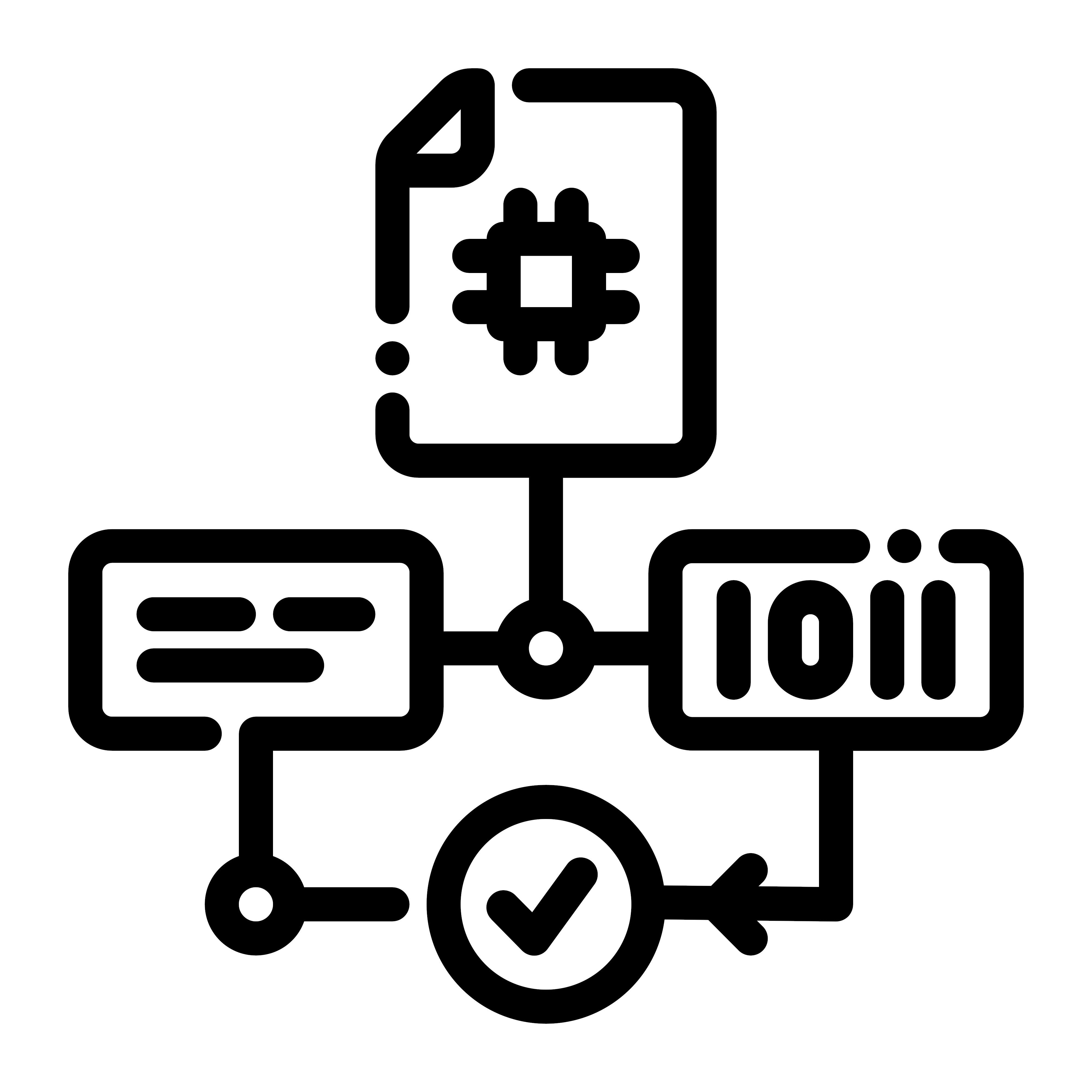
An AI agent usually combines several technologies:
-
AI model – Understands instructions and reasons about tasks.
-
Planning – Breaks a large goal into smaller steps.
-
Memory – Stores useful information from previous interactions.
-
Tools – Connects to websites, databases, APIs, software, or other systems.
-
Execution – Performs actions and checks the results.
-
Human oversight – Provides approval or restrictions for important actions.
For example, a coding agent could receive the goal “fix this website bug.” It may inspect the code, identify the problem, modify files, test the change, and report the result.
Real-World Applications of Agentic AI
AI agents are already being explored across many industries.
Software Development
Coding agents can research problems, write code, debug applications, run tests, and work across multiple files. This can help developers spend more time on architecture and product decisions.
Business Automation
Companies can use agents for tasks such as processing documents, analyzing data, preparing reports, managing customer requests, and coordinating workflows.
AI-Powered Search
Search is also becoming more action-oriented. Google announced agentic capabilities in Search in 2026, allowing users to ask for more complex tasks rather than simply requesting individual pieces of information.
Shopping and Personal Assistance
AI agents can potentially compare products, manage shopping tasks, organize schedules, and interact with online services. However, real-world purchasing still involves challenges such as permissions, pricing accuracy, reliability, and user trust.
Research and Science
Agents could help researchers collect information, analyze datasets, run experiments, and coordinate multiple research tasks. NIST has identified scientific research and personal assistance among potential applications for AI agents.
Benefits of Agentic AI
The biggest advantage is automation of complex workflows.
Instead of using separate tools for research, writing, analysis, and execution, an agent can potentially connect these steps into one workflow.
Other benefits include:
-
Faster completion of repetitive tasks
-
Better software and workflow automation
-
Continuous task execution
-
Personalized digital assistance
-
Support for developers and researchers
-
Reduced manual work
-
Ability to coordinate multiple AI tools and systems
Google's 2026 developer announcements also show the industry's movement from AI that generates content toward AI systems that can take actions and operate within applications.
Challenges and Risks
Agentic AI also creates new challenges.
An AI agent with access to email, financial systems, company databases, or software can cause problems if it makes an incorrect decision. Security researchers are particularly concerned about prompt injection and agent hijacking, where malicious instructions hidden inside information can influence an agent's behavior.
Other challenges include:
-
Incorrect decisions
-
Data privacy
-
Security vulnerabilities
-
Excessive permissions
-
Lack of transparency
-
Unexpected actions
-
Difficulty testing complex agent workflows
Because agents can interact with external systems, security and authorization become especially important. NIST launched an AI Agent Standards Initiative in 2026 focused on secure, interoperable agent systems.
What Does the Future of AI Agents Look Like?
The future may move from “AI that answers” to “AI that gets things done.”
Instead of opening several applications and completing tasks manually, people may increasingly describe the outcome they want and let specialized agents handle parts of the workflow.
We are also likely to see more multi-agent systems, where several specialized agents collaborate—for example, one researching information, another analyzing it, and another producing the final result.
However, greater autonomy will require stronger security, clear permissions, monitoring, and human control. The goal is not simply to make AI more autonomous, but to make autonomous systems reliable and trustworthy.
FAQ
What is an AI agent?
An AI agent is a software system that can understand a goal, reason about tasks, use tools, and take actions to achieve that goal.
What is the difference between generative AI and agentic AI?
Generative AI primarily creates content such as text, images, or code. Agentic AI can go further by planning tasks, using tools, and taking actions toward a specific objective.
Is agentic AI fully autonomous?
Not always. The level of autonomy depends on how the system is designed and what permissions it receives. Many real-world agents still operate with human approval or supervision.
Will AI agents replace humans?
AI agents are more likely to automate specific tasks and workflows than simply replace every human role. Human judgment, creativity, accountability, and oversight remain important, particularly for high-impact decisions.
Why is agentic AI important?
Agentic AI could make software more proactive by allowing computers to perform multi-step tasks instead of waiting for humans to complete every step manually.
Final Thoughts
Agentic AI represents an important shift in artificial intelligence. The technology is evolving from systems that generate answers toward systems that can plan, interact, and act.
The opportunity is significant, but so are the challenges. As AI agents receive greater access to tools and real-world systems, security, reliability, privacy, and human oversight will become just as important as intelligence.
The future of AI may not simply be about smarter chatbots. It could be about intelligent digital agents that work alongside people—and increasingly help turn ideas into completed actions.