The Future of AI: 10 Technologies That Could Change the Internet

The internet is entering another major transformation. Search engines, websites, apps, and online services are increasingly being redesigned around artificial intelligence.
The future of AI is not only about better chatbots. AI systems are becoming more capable of understanding different types of information, taking actions, working with software, and interacting with the physical world.
Here are 10 AI technologies that could significantly change how people use the internet.
1. AI Agents
AI agents can understand goals, plan steps, use digital tools, and complete tasks.
Instead of searching for information and performing every step manually, users could tell an agent what they want and let it coordinate the workflow.
Microsoft Research identifies autonomous agents as an important direction for digital economies, including systems that can collaborate and transact on behalf of people and organizations.
2. AI-Powered Search
Search is moving beyond traditional lists of links.
AI-powered search can understand complex questions, summarize information, compare sources, and provide more conversational answers. Over time, search may become more focused on completing tasks rather than simply finding webpages.
This could change how people discover information—and how websites attract visitors.
3. Multimodal AI
Multimodal AI can work with multiple types of information, including text, images, audio, video, and other data.
Instead of typing a question, users could show an AI a picture, speak to it, and provide a document at the same time.
Microsoft Research highlights multimodal systems as an important part of the next generation of AI applications.
4. AI-Native Applications
Traditional software often requires users to learn menus, buttons, and workflows.
AI-native applications can allow people to describe what they want in natural language while AI coordinates the underlying functions.
This could make software more flexible and reduce the need to learn complicated interfaces.
5. AI Browsers and the AI Web
The browser itself could become more intelligent.
AI-powered browsers can potentially understand webpages, summarize information, compare products, fill forms, and interact with online services.
Microsoft describes this emerging environment as an “AI Web,” where assistants, agents, and AI-powered browsers can interpret web content and perform actions for users.
6. Physical AI and Robotics
AI is increasingly moving beyond screens.
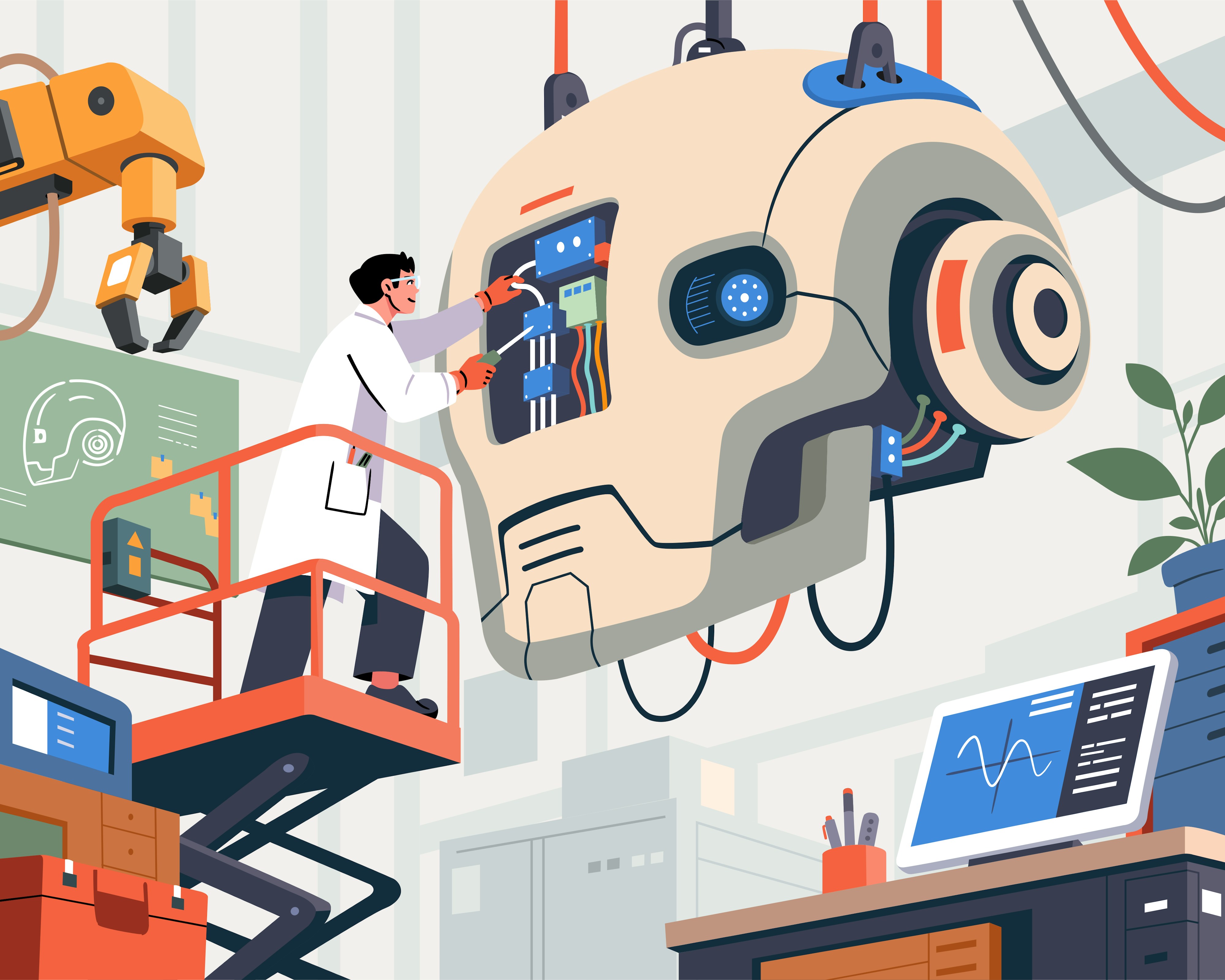
Physical AI combines intelligent software with robots and other machines that can perceive and interact with the real world.
Future robots could use natural-language instructions, cameras, sensors, and AI reasoning to perform tasks in factories, warehouses, laboratories, and other environments.
Microsoft Research identifies adaptive robotics and vision-language-action systems as an important 2026 research direction.
7. Smaller and On-Device AI
Not every AI task needs a massive cloud model.
Smaller AI models can run directly on smartphones, computers, vehicles, and other devices. This can reduce dependence on constant cloud connectivity and may improve privacy and response times.
Microsoft Research is also exploring AI infrastructure and models optimized for edge computing.
8. AI Memory and Personalization
Today's AI conversations can be limited by how much useful context the system can maintain.
Future AI systems could maintain longer-term context, remember preferences, track ongoing projects, and understand changing goals.
Microsoft Research describes memory as an important capability for agentic systems that need to maintain context across long-running work.
This could turn AI assistants into more continuous digital collaborators rather than tools used one conversation at a time.
9. AI for Scientific Discovery
AI is increasingly being used to help researchers analyze complex scientific problems.
AI systems can assist with areas such as biology, chemistry, materials science, climate research, and simulations.
Microsoft Research highlights AI as a potential laboratory assistant that can help accelerate scientific discovery and analyze biological information.
The internet could become an even more important platform for sharing and collaborating on AI-assisted research.
10. AI-Generated Interactive Content
AI can already generate text, images, audio, and video. The next step could be more interactive content that changes according to the user.
Imagine websites, educational experiences, games, or virtual environments that dynamically adapt to your questions, interests, and actions.
Microsoft researchers describe a future where entertainment and digital experiences become more interactive and personalized rather than remaining completely static.
Benefits of These AI Technologies
Together, these technologies could make the internet:
-
More personalized
-
Easier to navigate
-
More conversational
-
More automated
-
More accessible
-
More interactive
-
Better connected to physical devices
They could also help people complete complex tasks without switching between many different websites and applications.
Challenges Ahead
The future of AI also comes with important challenges.
AI systems can produce incorrect information, make unexpected decisions, or expose sensitive data. More autonomous agents create additional concerns because they can interact directly with websites, software, and business systems.
Security, privacy, transparency, reliability, and human oversight will therefore become increasingly important.
Research also shows that today's agents can struggle when many dependent tasks must be handled together, demonstrating that greater autonomy does not automatically mean reliable performance.
What Will the Future Internet Look Like?
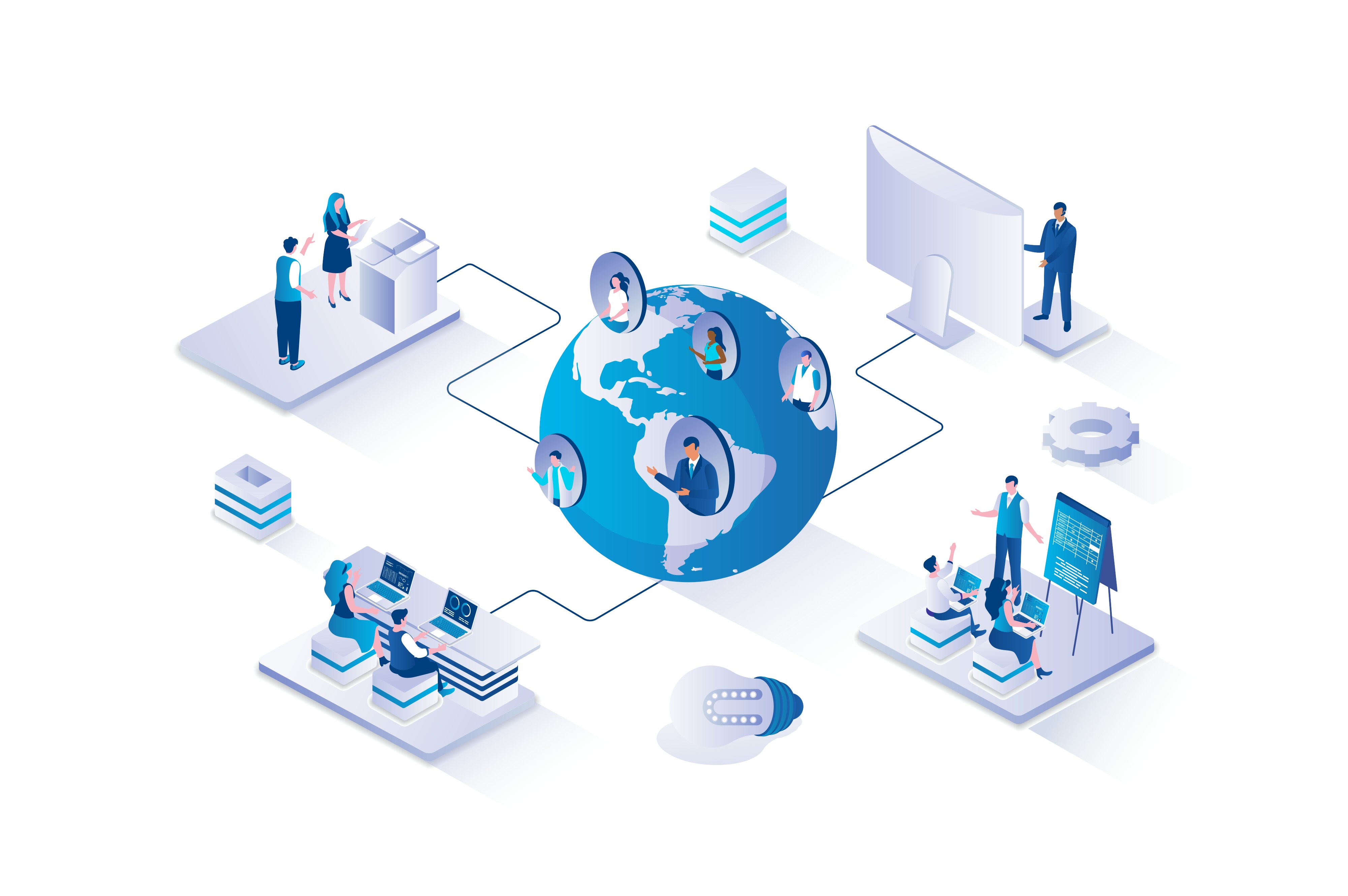
The internet may gradually move from a collection of websites and applications toward an AI-assisted environment where intelligent systems help people discover information and complete tasks.
Instead of opening ten websites to compare information, a user may ask an AI system to research the topic, evaluate relevant information, and organize the results.
The biggest change may be that people interact less with individual interfaces and more with intelligent systems that coordinate those interfaces in the background.
FAQ
What is the future of AI?
The future of AI includes more capable agents, multimodal systems, AI-native software, intelligent search, robotics, personalized assistants, and AI-powered scientific research.
How will AI change the internet?
AI could make the internet more conversational, personalized, automated, and interactive by helping users search for information and complete tasks.
Will AI replace traditional websites?
Not necessarily. Websites will continue to provide information and services, but AI systems may increasingly become another way users interact with that content.
What is an AI agent?
An AI agent is a system that can understand a goal, plan tasks, use tools, and perform actions with varying levels of human supervision.
What is the biggest challenge for future AI?
Reliability, security, privacy, and responsible control will become increasingly important as AI systems gain more capabilities and access to real-world services.
Final Thoughts
The future of AI technology is likely to be broader than chatbots and content generation. AI agents, intelligent search, multimodal systems, AI-native applications, robotics, edge AI, and personalized assistants are all moving toward a more interactive digital world.
The internet of the future may not simply be something people browse. It could increasingly be something intelligent systems understand, navigate, and help us use.