The Future of Humanoid Robots: Applications, Challenges and Opportunities
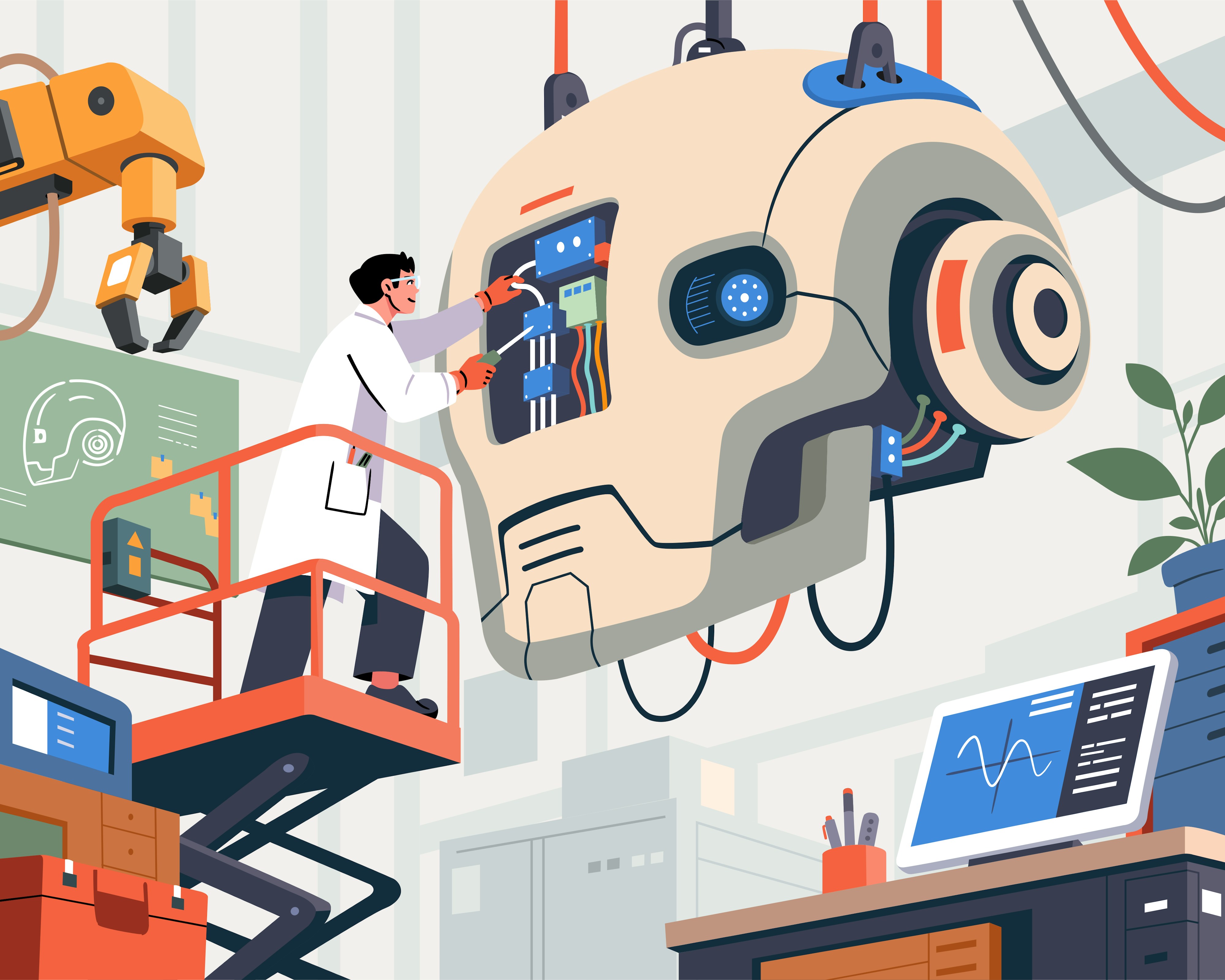
Humanoid robots are moving from science fiction into real-world testing. Advances in artificial intelligence, sensors, batteries, robotics hardware, and computer vision are making it possible to build machines that can walk, see, understand instructions, and interact with their surroundings.
In 2026, companies and researchers are increasingly testing humanoid robots in factories, warehouses, and other controlled environments. The bigger question is whether these machines can become reliable and affordable enough for widespread use.
What Are Humanoid Robots?
A humanoid robot is a robot designed with a body structure that resembles a human. It typically has two legs, arms, hands, cameras, sensors, and an AI-powered control system.
The human-like design has a practical purpose. Many workplaces, homes, and public spaces are already designed for people. A robot with a similar body could potentially use existing stairs, tools, workstations, and equipment without requiring an entirely new environment.
The International Federation of Robotics (IFR) identifies humanoids as a developing area of robotics, particularly for environments where flexibility is important.
How Do Humanoid Robots Work?
Modern humanoid robots combine several technologies.
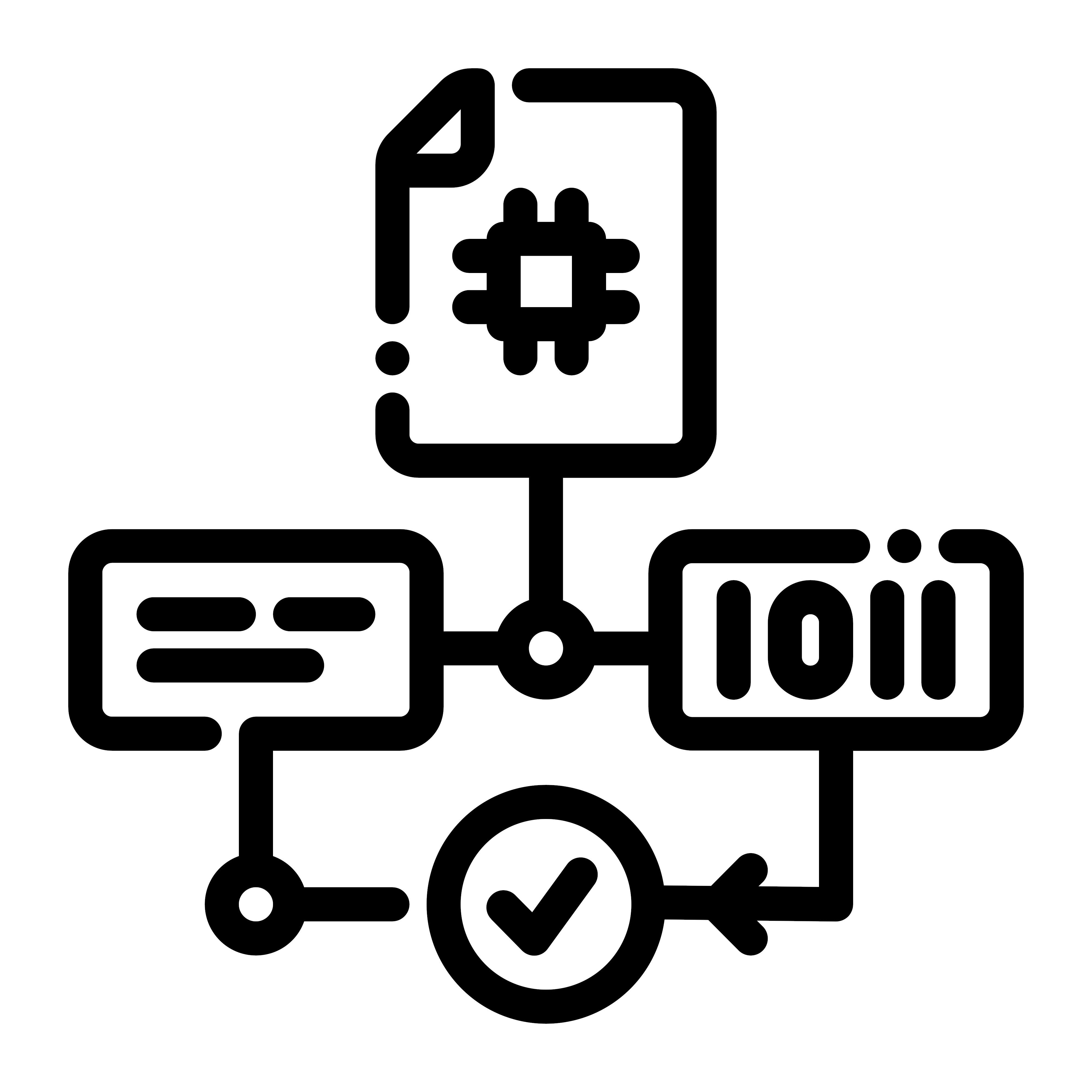
Computer vision helps them understand objects and environments. Sensors provide information about movement, balance, force, and surroundings. AI models can interpret instructions and help determine what the robot should do.
The basic process is:
See → Understand → Plan → Move → Check → Adjust
Generative AI and embodied AI are also making it possible to explore new ways of teaching robots through demonstrations, natural-language instructions, and interaction with their environment.
Humanoid Robots in Manufacturing
Manufacturing is one of the most closely watched applications.
A humanoid robot could potentially move components, perform inspections, handle repetitive assembly tasks, or transport materials.
The automotive industry is already an important testing ground. In 2026, the IFR identified humanoids entering real-world testing environments as one of the major robotics trends, while noting that reliability and efficiency must improve before they can compete with established automation.
Traditional robotic arms remain highly effective for repetitive tasks. Humanoids are being explored mainly where flexibility and human-like movement could provide an advantage.
Warehouses and Logistics
Warehouses contain many repetitive physical tasks, including moving packages, sorting items, and handling materials.
Humanoid robots could eventually perform some of these activities while working alongside existing automated systems and human employees.
Logistics and warehousing are already among the leading areas for AI-powered robotics because environments can be relatively structured and companies have strong incentives to automate repetitive work.
Healthcare and Everyday Life
The long-term possibilities extend beyond factories.
Humanoid robots could potentially assist with:
-
Elderly care and daily support
-
Household tasks
-
Hotel and restaurant services
-
Delivery
-
Cleaning
-
Education
-
Rehabilitation
-
Emergency response
However, these applications are much harder than factory demonstrations. Homes are unpredictable, crowded, and full of objects that robots must safely understand and manipulate.
The IFR has noted that mass adoption of humanoids as general household helpers is unlikely to happen immediately because major technical and economic challenges remain.
Latest Developments in 2026
Humanoid robotics has attracted significant investment and rapid technological development.
At the 2026 World Humanoid Robot Games in Beijing, more than 2,000 robots from 666 mostly Chinese teams participated in competitions covering mobility, manipulation, and industrial-style tasks. One humanoid, Tiangong Ultra, completed a 100-meter race in 8.64 seconds. Such demonstrations show progress in movement, although athletic performance does not necessarily demonstrate readiness for everyday work.
At the same time, companies are moving toward practical industrial deployments. Reuters reported in September 2026 that Spirit AI's humanoid robots were already being used for production tasks at CATL and JD.com, although the company still identified fine-motor control and unfamiliar tasks as major challenges.
Benefits of Humanoid Robots
If the technology becomes reliable, humanoid robots could offer several benefits:
-
Automating repetitive physical work
-
Performing dangerous tasks
-
Supporting workers in physically demanding environments
-
Operating in spaces designed for humans
-
Helping address certain labor shortages
-
Providing assistance in healthcare and services
-
Increasing flexibility in manufacturing
The impact on employment is likely to be complex. The IFR's 2026 research says robotics can create displacement effects while also increasing productivity and creating new tasks and occupations.
Challenges of Humanoid Robotics
The biggest challenge is not simply making a robot walk. It is making the robot reliable, safe, affordable, and useful for long periods.
Current challenges include:
-
High development and hardware costs
-
Limited battery life
-
Difficult hand and finger movements
-
Balance and safety
-
Slow or unreliable responses to unfamiliar situations
-
Expensive maintenance
-
Limited real-world training data
-
Cybersecurity and privacy concerns
The IFR specifically identifies battery life, safety, performance, lack of mass production, and standardization as important limitations.
What Are the Opportunities?
The biggest opportunity may be the combination of humanoid hardware and advanced AI.
As AI models become better at understanding vision, language, movement, and physical environments, robots could become more adaptable.
Instead of programming every movement manually, developers could increasingly teach robots skills through demonstrations, simulations, and AI-driven learning.
This could eventually create robots capable of performing several different tasks instead of being designed for only one job.
The Future of Humanoid Robots
The future is promising, but the timeline remains uncertain.
In the near term, industrial and warehouse environments are likely to remain important testing grounds. Service and household applications could take longer because they require robots to handle much greater variety and uncertainty.
The ultimate goal is a machine that can receive a simple instruction such as “move these boxes to the storage area”, understand the environment, plan the task, and complete it safely.
That future will depend on improvements in AI, hardware, batteries, sensors, training data, manufacturing costs, and safety standards.
FAQ
What are humanoid robots?
Humanoid robots are machines designed with human-like features such as a torso, two arms, two legs, hands, cameras, and sensors.
Where are humanoid robots being used?
Current development and testing are focused heavily on manufacturing, logistics, warehouses, research, and other controlled environments.
Why are humanoid robots useful?
Their human-like structure could allow them to work in spaces, use equipment, and perform tasks originally designed for people.
What is the biggest challenge?
Reliability is one of the biggest challenges. A useful humanoid must perform physical tasks safely and consistently, including when conditions are different from training.
Will humanoid robots work in homes?
Potentially, but widespread household use faces major challenges involving safety, dexterity, cost, battery life, and handling unpredictable environments.
Final Thoughts
Humanoid robots are entering an important stage. The technology is moving beyond laboratory demonstrations toward real-world testing in factories, warehouses, and other workplaces.
But impressive demonstrations are only one part of the story. The next major step is proving that humanoids can perform useful tasks safely, reliably, efficiently, and economically.
If those challenges are solved, humanoid robots could become an important part of manufacturing, services, and eventually everyday life.