The Diary Of A CEO

AI Summary
Early Obsession, Childhood Hardship, and Crohn's Disease
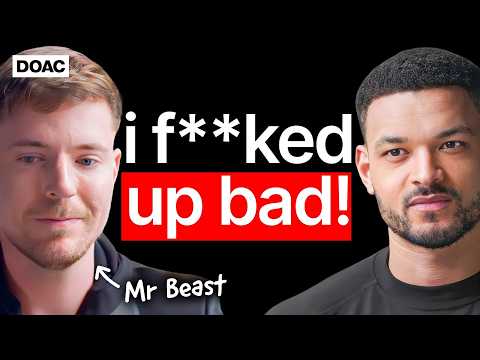
Creator and entrepreneur Jimmy Donaldson (MrBeast) speaks with host Steven Bartlett on The Diary of a CEO about his obsession with YouTube and problem-solving, his upbringing, living with Crohn's disease, and expanding into consumer brands and large-scale production. Starting out around age 11, Donaldson says his drive to make YouTube videos—and build toward success—was all-consuming even when early views were minimal, contrasting how traits that can make someone feel like an outsider in school or youth can become strengths once aligned with work and a supportive environment.
He shares how his family's over-leveraged property holdings collapsed around 2008, leaving his single mother working multiple jobs while he and his brother were often on their own—a period marked by tension over schoolwork and risk, yet one he views with deep gratitude as his mother gradually came to trust his path, and as he now supports her and stays close with her. Donaldson also opens up about developing Crohn's disease around age 15—dropping from roughly 190 pounds to 139 pounds after baseball, experiencing severe gastrointestinal pain and malabsorption, and taking immunosuppressive treatment like Remicade, which suppresses immune activity and leaves him more vulnerable to infections, fatigue, and illnesses (including catching the flu and spending days in a hospital in South Africa).
"Purple Cow" Ideas, Teams, and Scaling Operations
Framing his mindset around extreme focus, solving hard problems, and creating "purple cow" concepts that stand out rather than blending into familiar formats, Donaldson explains how he evaluates video performance—including post-release "after action" reviews examining retention curves and click-through metrics—and fosters a culture where creators can take smart risks and learn from flops without fear of being berated for honest experiments.
Discussing leadership and team building across roughly 500 people (around 300 in production, roughly 100 at Feastables, and additional team members across other ventures), Donaldson highlights hiring coachable, all-in people who see a long-term future—pointing to collaborators like Tyler (who writes and directs videos) as well as Kirby / Russ / Maraman—while acknowledging the growing pains of scaling headcount and swinging between hands-on involvement and bringing in experienced leaders without crushing creativity or product standards. He also notes that at global viewership scale, even a small percentage of unhappy or critical voices online can feel overwhelming, making internal principles and staying grounded essential.
Feastables, Ethical Cocoa Sourcing, and Beast Games
Turning to Feastables, Donaldson describes how his chocolate business grew into a major nine-figure operation and why ethical cocoa sourcing became a central mission after learning how heavily West African cocoa production relies on child labor when farmers are underpaid. Rather than treating ethical sourcing as an afterthought or selling out a mission for a quick buyout, he emphasizes proving that an ethically sourced brand can operate profitably at scale and raise awareness around child labor on cocoa farms.
He also details hands-on product and retail problem-solving—from redesigning bars and packaging so bars don't shatter or boxes tip on store shelves, to visiting numerous Walmart stores to check displays and stock—while noting that Beast Games pushed production scale and logistics to unprecedented levels (24/7 multi-camera capture, massive sets and storage/editing infrastructure, and heavy out-of-pocket costs beyond prize money) while helping open doors for creators in streaming/entertainment.
Daily Grind, Relationships, and Looking Ahead
Addressing the toll of constant travel, filming schedules, disrupted sleep, and working out less consistently alongside major projects, Donaldson admits his baseline year has felt more unhappy than happy at times—though he has no intention of stepping away from the grind—and talks about his relationship with his fiancée Thea (Tia), whom he proposed to on Christmas Day and describes as sharing his curiosity and fitting smoothly around his demanding schedule while holding off on having children until he can be present as a father.
Closing the conversation—including a look at childhood photos, his mother's health and future involvement with grandchildren, and answering the closing question about choosing a sound body or a sound mind—Donaldson chooses a sound mind and reflects on the cost and reward of living an unconventional, all-in life.
Full Transcript
00:00[Music]
00:00there's a reason no one makes videos
00:01like me because no one wants to live the
00:03life I live or be in my head they they
00:04would be miserable are you
00:06happy
00:09um I I'm going to be honest so far more
00:13unhappy than happy well has it ever
00:15crossed your mind to quit YouTube as a
00:17whole oh yeah of course really yeah are
00:20you oh
00:24boy Mr Beast Mr Beast Mr Beast he is the
00:28biggest YouTuber on the planet and he's
00:30building Empires I mean is there
00:32anything this man can't do your business
00:34Empire is much bigger than most people
00:35realize yeah I mean I'm only 26 and we
00:38have the largest YouTube channel in the
00:39world and Beast games is going to
00:40shatter some pretty crazy records and we
00:42do nine figures and feasts but a lot of
00:44that stems from being a very confused
00:46child that's not fitting in that feels
00:47like a freak plus I really wanted to
00:49take care of my mom because when I was
00:5111 we literally went bankrupt and lost
00:53everything luckily it worked out and
00:55it's because I'm really good at
00:56obsessing over one thing more than
00:58anyone else on the planet like us 10
01:00millions of dollars zombies games but
01:01it's about making season one as good as
01:02possible and I just really love solving
01:04complex problems like how many kids do
01:06you think are in child labor in West
01:07Africa just on Coco Farms it's 1.5
01:09million and so with febles we were
01:11trying to get over a million kids out of
01:12child labor but the ironic part is the
01:14more I help people the more I get like
01:17I've read over 5,000 messages telling me
01:19to kill myself I mean there's definitely
01:21times where I would cry but if my mental
01:23health was a party I wouldn't be as
01:24successful as I am this is the price you
01:26have to pay but when is enough enough
01:27honestly
01:32this has always blown my mind a little
01:33bit 53% of you that listen to the show
01:36regularly haven't yet subscribed to the
01:38show so could I ask you for a favor
01:40before we start if you like the show and
01:41you like what we do here and you want to
01:42support us the free simple way that you
01:44can do just that is by hitting the
01:45Subscribe button and my commitment to
01:47you is if you do that then I'll do
01:49everything in my power me and my team to
01:51make sure that this show is better for
01:52you every single week we'll listen to
01:54your feedback we'll find the guest that
01:56you want me to speak to and we'll
01:58continue to do what we do thank you so
01:59much
02:00[Music]
02:03Jimmy we've really just only met and you
02:05are already to me a bit of a Rubik's
02:08Cube okay in so many ways and I've been
02:12trying to piece the pieces together to
02:15understand the the uniqueness of you
02:17because you're so unbelievably unique we
02:20just drove over here in the car and
02:21hearing you speak about the way that you
02:23view life and speaking to you yesterday
02:25on the phone I've I've interviewed
02:27hundreds and hundreds of people and I've
02:29never ever met someone who has the
02:31perspective on life that you have you
02:32you are truly
02:34unique what do I need to understand
02:36about your earliest years to understand
02:40who you are oh boy um yeah my earliest
02:44years
02:46I I'm just stubborn man I just never
02:49give up I mean there was there's no
02:51world where I ever would have quit I
02:53just I I mean we're just jumping right
02:55into it it's a great no intro or
02:57anything just boom this how you hold
02:59people um when I was 11 I just said I'm
03:01going to be a YouTuber I'm going to die
03:02trying and I meant it and there was like
03:05even if no one still watches my videos
03:06to this day I would still be going um
03:08and so people hate it but I'm just the
03:10most competitive stubborn person you'll
03:12ever meet and I just never give up where
03:14did that come from I have no idea to be
03:16honest it honestly it feels like it was
03:18just in my DNA and my bloodstream my Mom
03:21hated it growing up we'd always argue
03:23and like you know she has this thing
03:24where like once Jimmy sets his mind to
03:26something he just never stops and it
03:28would always piss her off CU when it was
03:30YouTube and she wanted me to be studying
03:32or things like that but I really don't
03:34know it's it's just always been how I am
03:35and I think a lot of people have these
03:37weird Tendencies and they tend to like
03:39try to like uh unlearn them and like I
03:42had phases in my life where I was like
03:43am I too extreme like people are very
03:46intimidated by me because I just am so
03:48obsessed with work and I'm so Allin and
03:50like is this like unhealthy should I try
03:53to be more like a normal human
03:54especially when I was a teenager it's a
03:56lot easier it's funny when when you're
03:58making lots of money it's like admirable
04:00it's respectable it's like look those
04:02are traits we want but when you're not
04:04successful you know you're a lunatic
04:06when you have all these traits and so
04:09back then I'd occasionally be like man
04:11like should I try to be more normal but
04:13I just could never do it anytime I tried
04:15to I mean i' I've mentioned this before
04:17but one of the like things that like I
04:20have a memory of that like really is
04:21burned in my brain is like people one
04:23time like a high schooler told me when I
04:25was in Middle School like all you do is
04:26talk about YouTube like do like know how
04:28to do anything else like like you're
04:30just like a freak and I tried to like
04:32watch South Park you know cuz that's
04:34what a lot of people in my school watch
04:35to fit in and I just couldn't I was like
04:37this is such a waste of time I don't
04:40like I could be working right now and I
04:42tried to do all these things to like fit
04:43in and I eventually just like stopped
04:45talking because I just didn't relate to
04:46anyone and um people used to call me
04:49mute like one of my teachers literally
04:51asked like if I was mute like cuz that's
04:54how little I spoke because no one in the
04:56school I went to was entrepreneurial or
04:58one to build businesses and I just
04:59didn't want to do anything else and um
05:02yeah eventually I started to succeed
05:04found other lunatics and now life's
05:05great but you know I like to tell the
05:07story when I'm on podcast because if you
05:09have a younger viewer who's in that same
05:10spot you're not the problem it's your
05:12environment and you just got to put
05:14yourself in a better environment what
05:16about your parents mom and dad you talk
05:18about your mother a lot yeah um no I I
05:22don't I didn't get it from them what
05:25what influence did they both have on you
05:27um well I don't really talk about my dad
05:30much that's you know a long story don't
05:33need to get into it but my mom
05:34honestly it was it wasn't it's great now
05:37me and my mom have a phenomenal
05:39relationship but on the come up it was
05:40it was pretty rough because in 2008 they
05:43were over leverag so we literally went
05:45bankrupt and so they they you know had
05:48properties that they used to get other
05:50properties and then when everything
05:51collapsed they lost basically everything
05:53and so my mom was working two jobs and
05:55you know barely getting by and so we
05:57like I I didn't see her that much
05:59because when I I was coming home from
06:00school she was doing her second job so
06:02it was a lot because she was a single
06:04mom raising us she's working all the
06:07time you know um my I don't talk about a
06:11lot of this you know I have Crohn's
06:12disease so I was very sick growing up my
06:15brother also had issues as well and so
06:18you know we're not the healthiest kids
06:19in our teenage year she's just trying to
06:21get by and take care of us and then you
06:23know she comes home and she just has
06:25this brat that's being annoying and like
06:27I want to be a YouTuber and she's just
06:29begging me sometimes she would literally
06:30cry and beg me to do homework and I mean
06:34I
06:34was I was I was like I didn't I didn't
06:38mean it in a mean way but I mean I even
06:40one time I literally told her if you
06:41want my my homework done so bad why
06:42don't you just do it you know like
06:44that's that's what I told my mom like
06:46what am I doing I don't know like I was
06:48just like I don't I don't care like I I
06:50just want to be successful I want to
06:52build businesses and so it was like
06:54bless her heart luckily it worked out so
06:56now I spoiled her she's great she has
06:57her second home anything she could ever
06:59one she has and so the first uh thing I
07:02did was take you know start paying my
07:04mom take care of her once I started
07:05making money cuz she gave everything to
07:08like get me where I am and I wouldn't be
07:09where I am now but it was like it was
07:11like me and her spoke different
07:13languages when I was younger you know
07:14she she didn't want me to end up like
07:16them you know and you get screwed and uh
07:19not have much money and like the path I
07:22was going down was just basically like
07:23oh I'm going to be a homeless drug
07:24addict and like her brain couldn't
07:25compute the world I saw and my brain
07:27couldn't compute the world she saw and
07:29it was constant friction who was looking
07:32after you then if she was busy working
07:34and you were at home and your dad's not
07:35around who takes care of you uh I just
07:39me and my brother we're just there I was
07:41just making videos you making videos
07:43what age did that start the videos I
07:45started at 11 11 yeah so I I I'm 26 now
07:48I can't really remember life before
07:51YouTube like my earliest memories are
07:54basically when I started making videos
07:56you said earlier um you don't talk about
07:57your dad much yeah
08:00you don't have to talk tell me about it
08:01but why don't you talk about the your
08:03father much ah don't worry about it I
08:07know your mom has spoken about him
08:08before yeah and it was a bit of a
08:10tumultuous relationship yeah exactly
08:12they didn't have the best relationship I
08:13mean that's a topic for another day
08:15honestly kind of a sour way to start it
08:18off but yeah it's my mom is great I love
08:21my mom she used to cry asking you to do
08:24your homework a lot of things she she
08:27would cry because I wouldn't put money
08:29away when we started making money she
08:31would uh she thought it was too risky
08:33and I mean the thing is nothing she uh
08:36would say was unreasonable right looking
08:39back at it she was perfectly reasonable
08:41in what she was doing I'm just a
08:42deranged lunatic and was way too
08:44obsessed with building the business and
08:45way too Allin um like it's very cute one
08:49time she like when we had I don't
08:51remember like some month or made like
08:53100 grand and I'm like okay perfect now
08:55I can spend 100 Grand this next month on
08:56videos and she like took like 5,000 of
08:59it and put it away for me in my own bank
09:01account without telling me but in case
09:02you know I ever went you know was
09:04overleveraged or went bankrupt like they
09:06did and um I found out about it and uh
09:10she's like please don't take this money
09:11just let me set aside anything stop
09:13spending everything on videos and I was
09:15like no this is perfect now I can spend
09:17more like this is awesome thank you Mom
09:19and like but to me I don't I don't
09:21really feel risk like I if anything it
09:23like Risk excites me and like I have
09:26very high threshold for it um so yeah we
09:30just we literally weren't communicating
09:31the same language but I don't remember
09:32what age it was but eventually after I
09:34took enough risks and figured it out my
09:36mom just said to me you know what I'm
09:37going to trust you like I have faith and
09:40everything got so much better after that
09:41point when like she stopped staying up
09:43all night worrying about me and worrying
09:45whether or not I was making the right
09:46decision when she's just like Jimmy I
09:48trust you I know this you think about
09:50this all day like I'm going to just
09:51follow your lead and our relationship
09:53has been you know perfect ever since
09:55then if IID asked 10-year-old Jimmy how
09:57are you doing what would what would he
09:59have said uh 10 I don't know but if you
10:02asked me at like 12 or 13 I probably
10:05would have been like [ __ ] like no one
10:06watches my videos I just really want to
10:08be a YouTuber I um I gotta I gotta make
10:12this
10:13work why did you want to really be a
10:16YouTuber because kids say that but the
10:19extent to which you said it and the
10:22focus that you had on that particular
10:24goal of being a YouTuber CU there's many
10:26things you could have focused on you
10:27could have been a video game player
10:29whatever whatever but YouTube is a
10:30particularly interesting thing because
10:32you're on camera people are seeing it
10:34there's a metric which decides how
10:35successful you are um was there any
10:38element of the on camera part that
10:42was helping to solve for like the
10:44feeling of isolation that you you seem
10:46to have at that time no Community yeah I
10:49think it's more to do with just I I
10:52found out that when I was at a young age
10:54probably around 11 that there YouTubers
10:56that are making hundreds of thousands of
10:57dollars a year and I was just like oh
10:59that's it like just the money yeah of
11:01course because back back then we didn't
11:02have money and I really wanted to take
11:04care of my mom and and just my family in
11:06general so it was like everything it was
11:08like this is what I love doing I I've
11:10never had as much joy doing something as
11:12I do this plus I could see a path where
11:14I could actually retire my mom take care
11:16of her pay her back for you know all the
11:18night she worked so long so we could
11:22um live comfortably and things like that
11:24so it's just kind of the thing is I've
11:27one thing that irks me is when people
11:28try to like put someone's motivation
11:30into like one little bucket like we're
11:32very complex creatures and like you know
11:34you have a girlfriend I I I would never
11:37say oh you just like her because she's
11:38pretty but you like her because she's
11:41pretty but you probably also like her
11:42because she's smart you probably also
11:44like her because you know she's fun to
11:45be around she likes similar shows blah
11:47blah you probably if we sat here for 10
11:49hours you could probably give me a
11:50thousand reasons why you like your
11:51girlfriend so it's like it's very
11:53annoying when people try to put why you
11:56like doing a certain job or building a
11:58certain business into one bucket oh you
12:00just do it because of money what if I do
12:01it because I like money and I enjoy it
12:04and it's a way to do this and it's a way
12:06to communicate with people and community
12:07and these other things you know what I
12:09mean and I think that's a common flaw we
12:10try to do it's like it's not that simple
12:13I think it's a lot of people can't
12:15understand someone being so relentlessly
12:17focused on something with the level of
12:19like commitment and sustained commitment
12:21that you've shown yeah and so and I
12:24don't know how I I agree because it's
12:26very weird like how like I have extreme
12:31Obsession to the point where like I just
12:33think about stuff the same like for me
12:35it's much easier to think about
12:36something 16 hours a day for seven days
12:38straight than it is like to like gear
12:39shift constantly I'm like really good at
12:41just obsessing over one thing more than
12:43anyone else on the planet i' if I were
12:45to say what's my superpower it's that I
12:47can just obsess endlessly about
12:49something and I can just have the same
12:51thoughts over and over and over and over
12:52again it's it's very weird like it's it
12:54was it was it wasn't like it was work
12:56for me grinding YouTube for those 10
12:58years or whatever where no one was
12:59really watching it it's just like kind
13:00of who I am it would have had to have
13:03been a deep Obsession because you were
13:05doing it when no one was really watching
13:07or paying attention or really when the
13:08platform was there was literally a day
13:10when I was uh 19 or 20 where I got I
13:15woke up joined a Skype call with my
13:17friends and where we like were reverse
13:19engineering you know why certain videos
13:20do well or whatever and I remember that
13:22call being over 18 hours long and then I
13:25hung up went to bed woke back up the
13:27next day and instantly got back like
13:29call and pick back like that was the
13:30level of like hours we were putting in I
13:33mean I didn't know anything besides just
13:35trying to make it happen was that
13:37anything else that you showed that level
13:38of obsession too so at that age no from
13:41I would say from 11 to well 11 to 15 it
13:45was a mix of YouTube and baseball but
13:47when I turned 15 I got Crohn's and I
13:50went from like 190 pounds down to 139 I
13:53lost all muscle I had and so I was like
13:55all right I'm not playing baseball in
13:56college anymore so then I was like [ __ ]
13:58it it's just all in on uh YouTube and um
14:02and then up until really febles it was
14:05basically just YouTube for whatever I
14:07never thought I would find like this
14:08kind of love for build like I thought it
14:10was specifically video making but I have
14:13found over like the last two or three
14:14years just in general I just enjoy
14:16entrepreneurship and I've been really
14:17deeply loving getting like obsessed with
14:19Feasta and other things and so which was
14:21very weird like when I first started a
14:24chocolate company it was like kind of a
14:26side thing but the more I started to
14:27work on it I got a lot of the same high
14:29as I got when I was making videos just
14:30in different ways and so now I'm like I
14:33know way too much about the chocolate
14:34industry I'm like it's pretty crazy I
14:37never imagined I would have put the
14:38thousands of hours I've poured into
14:40building feals and so I think just in
14:42general it's just I just really love
14:44solving consistent complex hard problems
14:46I think that's like what gets me out of
14:48bed and like the harder the problems the
14:50more exciting it is consistent hard
14:52problems I want to talk about that and
14:53also Feast tables but you mentioned
14:54Crohn's disease there and a lot of
14:56people don't know what that is and the
14:58impact it has on someone's life are you
15:00aware of it I am because I had a team
15:02member that had it so um in order to
15:05help support them at certain times when
15:06they had to leave and stuff like that I
15:08got a little bit more aware of what it
15:09means and what how it impacts you but
15:11could you give me your perspective on
15:13that yeah so Cron's disease words is
15:15when your immune system attacks itself
15:17so uh yeah when I was 15 I just started
15:20going to the bathroom 8 nine 10 times a
15:22day not digesting any food because my GI
15:25track is like literally just attacking
15:28itself it's very weird your immune
15:29system in your gut thinks your gut is a
15:32foreign Invader and so it just starts
15:33attacking itself which if you're just
15:35using the bathroom 10 times a day not
15:37digesting food it's why you drop weight
15:39rapidly and it hurts like crazy because
15:41it gets very inflamed and it feels like
15:43someone's stabbing you in the gut with
15:44Like a Knife constantly when it's really
15:45really bad which is what I had so I lost
15:4850 pounds which is crazy because I was
15:50already relatively lanky um and we were
15:52just trying different medicine and then
15:54eventually I'm on a pretty extreme
15:56medicine called Remicade where just
15:58basically you n your immune system which
16:00is why my voice sounds a little off
16:01right now CU I just got the flu I got
16:04covid six times I got shingles like I
16:06get sick all the time because for me to
16:09have my GI track stop attacking itself
16:11we basically have to shut down my immune
16:13system so I have like uh really weak
16:15immune system so I just get sick all the
16:17time like why I have like random rashes
16:19and things like that so it's like it
16:22pretty pretty brutal to be honest and
16:24then it randomly flares up sometimes and
16:26just makes you very sick very tired like
16:28I just just live life on hard mode to be
16:30honest like if someone like if you wake
16:33up and you have energy like you're
16:35already Leaps and Bounds ahead of me
16:37like I you know it's it's makes things
16:39way more difficult and so you still wake
16:41up with some days where you don't have
16:43energy of course which is really hard to
16:44believe for someone who's so productive
16:47for everybody looking on yeah it's you
16:49just got to really love what you do I
16:50mean and push through it it's uh it's
16:52pretty brutal because then you compound
16:54that with always being sick and I mean
16:56yeah like I just spent four days in a
16:58hospital in South Africa cuz I got the
16:59flu and it just takes me a lot longer to
17:02recover from certain things so um it's
17:05brutal and that's where like if I didn't
17:07work so much I would spend more time
17:08researching Crohn's because surely
17:10there's a better way to stop it than
17:13just destroying my immune system and
17:14ideally I don't do that deep into my 30s
17:17and 40s so I see it as a little bit of a
17:19Band-Aid but um you know I've met with
17:21the top Crohn's doctors in the world and
17:23so far they're like this is just the
17:25answer and you're just lucky your you
17:26know gut isn't attacking yourself um
17:29so but I don't know I I feel like the
17:32medicine they give people Crohn's is
17:33kind of silly and there's got to be a
17:34better way to treat it I mean the
17:36ultimate solution is they just cut me
17:37open and cut out a large part of my GI
17:39track and then there you go but you know
17:43it's I observed in the the team member
17:45that I had that had Crohn's just a bit
17:46of a mental roller coaster as well
17:48because there's an certain
17:49unpredictability to it exactly which
17:52makes life oh it's even worse when
17:54you're filming because you got this huge
17:56multi-million dollar set and 200 people
17:57waiting on you and you know sometimes
17:59you don't know if you're going to have a
18:00flare but you just got to go [ __ ] it and
18:02just down some caffeine and crank it out
18:04I got diagnosed with ADHD you did yeah I
18:07got diagnosed with ADHD and it made me
18:09think a lot about myself and the way
18:10that I am it's not NE I'm not the type
18:12of person to like embody the label or
18:14think it really means much I am just who
18:15I am have you um are you in any way
18:18neurod Divergent uh I've been told Yeah
18:21by Dr I ADHD I mean I'm not surprised
18:23because I just sit and obsess over
18:24things constantly but I think um I'm I'm
18:28happy with however my brain is wired I
18:29don't really care to change it um I I
18:33like I said I think one of my greatest
18:34superpowers is my obsession and I think
18:36some people would view that as a
18:37weakness but I just like if you just
18:40think about solving problems three times
18:42more than everyone else like you're
18:44bound to come up with different
18:45solutions that's one of the things you
18:46mentioned earlier you you like solving
18:49hard problems consistently when you
18:51think back over the last 10 years of
18:53your life and the the success you've had
18:55solving some of these hard problems if
18:57you were to like break it down into some
18:58components of um that you've learned one
19:02of them is Obsession that you've said
19:04yeah what are the
19:05others I
19:07mean it's all the typical stuff like you
19:10are obviously who you surround yourself
19:12with and um luckily I just got around
19:15the right people in my later teenage
19:17years because I I feed off the energy of
19:20the people probably around me it's so
19:22obvious like I start to talk like them I
19:24become interested in the things they're
19:26interested in I mean this is all obvious
19:27stuff I'm sure you've heard of billion
19:29times so but you know just got to I
19:32always have to be protective of the
19:33people I'm around because whatever they
19:35say is what I started thinking on and
19:37that's what I started obsessing over and
19:39you know um one of the best things that
19:41happened with febles is I just reached
19:43out to all the fastest growing chocolate
19:44companies all the fastest growing snack
19:46businesses and everything and just
19:47became friends with a lot of the
19:48founders and you know that's what would
19:50have probably taken me eight nine years
19:51to like solve you know after 18 months
19:54you know was probably one of the top 10
19:55people in the world when it comes to
19:56running a chocolate company and
19:58understanding deeply just because it's
20:00just ch codes um what about detail
20:03sweating the small
20:05stuff one of the things that I saw I was
20:07reading the this that handbook that was
20:09laked on the internet and one of the
20:10things I saw throughout that was this
20:12real obsession with the 1% and the small
20:15stuff how do you feel about this by the
20:16way and all of that stuff I wrote that
20:18uh with with some of my employees when I
20:20was probably
20:2122 so there are some things that I'm
20:24like I read I'm like oh wow I was an
20:26idiot but for the most part most of it
20:27still stands the tested
20:29um and I I do think it's very helpful
20:31you know what's funny a lot of CEOs have
20:33actually told me that they make their
20:34employees read this um went around all
20:37of our slack channels we we all read it
20:39yeah which is funny because I'm like
20:40damn I should make an updated version of
20:42it so everyone uh but yeah the thing is
20:44it's the the core Crux of it is like
20:48extreme ownership and don't make excuses
20:50and you know um people always yeah I
20:54mean the damn I'm getting a lot of DJ Vu
20:56from when I was writing that it was just
20:57a different time back then too because I
20:59just I had no idea what I was doing when
21:01I was 21 22 and I just found that I was
21:03constantly telling like teaching the
21:05same or teaching people the same things
21:07over and over again and it was always
21:09just like take extreme ownership take
21:11accountability like sure I guess it was
21:14out of your control but it could have
21:15been in your control if you just thought
21:16through it more if you just really cared
21:18and that's what I was just trying to
21:19convey in it and the other thing that
21:21comes through in this but also all of
21:22your work is just this idea something
21:24that I've learned from you just from
21:25speaking to on the phone yesterday that
21:27nothing is impossible yeah exactly and
21:29watching Beast games over the last
21:31couple of weeks but also speaking to
21:33some of your team there's clearly this
21:35through line with everything that you do
21:36of like extreme what it appears to me to
21:38be extreme ambition MH and it doesn't
21:41appear to be extreme ambition to you in
21:43the same way that it appears to be
21:44extreme ambition to me yeah I mean it's
21:46just I mean is does physics allow it
21:50then yes it's possible it just is it do
21:52we want to put the time in I mean it's I
21:54I feel like people over complicate a lot
21:56of things um and something you've
21:58trained over time or have you always
22:00thought that I think I've just H it's a
22:03good question I've never I don't know
22:05why but when people tell me I can't do
22:07something I and I don't know where this
22:09came from it makes me just want to do it
22:10more to be honest if you tell me I
22:12shouldn't do something that's fine but
22:13if you tell me I can't then I just
22:15everything in my body just wants to go
22:17[ __ ] you I obviously can I just I don't
22:20know if I should but I can and then I I
22:22don't know it's like the the the thing
22:24is like to go viral you have to do
22:26something that's never been done before
22:28I've told this story before of like you
22:30know if you're driving down the road and
22:31you see a cow who cares it's a [ __ ]
22:34cow but if you're driving down the road
22:36and you see a purple cow you're like
22:38you've never seen that before and it's
22:40something you weren't expecting you're
22:41going to go holy [ __ ] and you're going
22:42to go tell your friends about it you're
22:43going to remember that you'll probably
22:45even think about it randomly once every
22:46couple years why the [ __ ] was there a
22:48purple cow and it's like it's the same
22:50thing just one was a little purple and
22:52like you can apply that same like uh
22:55analogy to ideas like when you're
22:56scrolling through social media to find a
22:58video to watch there's things that you
23:00know have been done before you've seen
23:02it's you know roughly similar to stuff
23:04before you're just going to scrore pass
23:05it you'll never think about it again
23:06just like you'll never think about a
23:07[ __ ] cow on the side of the road and
23:08then there are ideas that are like the
23:09purple cow idea which is what I try to
23:11do which are things that make you go
23:13what the [ __ ] I've never seen that like
23:16I I have to click this or I'm not going
23:17to be able to sleep tonight because like
23:19why is this video no way they did this
23:22right but those typically are very hard
23:25and usually to get that purple cow
23:26effect they've never been done before
23:28and something's never been done before
23:29there's usually a reason because it's
23:30very [ __ ] hard so you just kind of
23:32have to train yourself to like not
23:34resent very difficult complex hard
23:37original problems and actually run
23:39towards them because those are the ones
23:40that you know tend to have more of the
23:42Purple Cow effect where people have to
23:43watch it and viewership is very
23:45exponential it's way easier to get 50
23:47million views on one video than it is to
23:49get a million views on 50 videos right
23:51and so um and because it like kind of
23:54goes exponentially and it's like you
23:56know pretty winter take all in the top
23:58videos like you just really have to lean
24:00into that purple cow effect if that
24:02makes sense makes perfect sense if you
24:04if you were to distill then say we were
24:06coming up with a new how to succeed in
24:09Mr BEAST's production handbook now what
24:11would be the the the top five if I was
24:13applying for a job with you what five
24:16characteristics would I need to
24:17demonstrate to be successful you got to
24:19be very coachable because whatever I
24:20teach you today is going to change you
24:22know a year or two from now always
24:24learning always improving coachable um a
24:28big thing for me is you got to see the
24:30value in working here like you really I
24:32just I don't this isn't like a a job
24:34this is a career like if you don't you
24:36know realistically see a world where
24:38you're working for me in 10 years then
24:40um it's pretty hard for me to invest
24:42into you at the level I want like I'm
24:44not I don't like training someone for
24:46six months they work here for a year and
24:48then I lose them what I like is I train
24:50someone for a year and then I get nine
24:52years of dividends on the back end where
24:54they Crush at their job and I'm
24:55constantly paying them more because
24:56they're becoming more valuable at time
24:57like that is like the eighth wonder of
25:00the world is investing heavily in an
25:02employee and then they stick around for
25:03a decade you know what I mean it's like
25:05there are some of my top guys that I
25:07spent three or four years in the
25:08trenches with training and working with
25:10you know they're like Tyler who writes a
25:13lot of my videos and directs them I you
25:15know probably talk to him five six hours
25:16a day every day for four yeah around
25:18four years and now because I can't spend
25:21a you he spends 100% of his time writing
25:24the videos directing the videos obsessed
25:26over that whereas I could theoretically
25:27Max spend five % of my time so he's
25:29going to naturally just [ __ ] on me on it
25:30because he can spend way more time on it
25:32and it's like so you know I have full
25:34faith in him but the dividends that I
25:36get off of him after all those years of
25:38pouring all that time and effort into
25:40him and now he knows exactly how I think
25:41what I value that I don't even really
25:43have to communicate with them sometimes
25:44I can just show up to film and like I
25:46just trust that it's good you know and I
25:48have a bunch of people across all my
25:50businesses like that that it's like
25:52great and if you know in a world where
25:53Tyler's still working here 10 years from
25:54now I mean the amount of value out of
25:56someone like that is UN fathomable it is
25:59quite literally the eighth wonder of the
26:00world for a business and it's like
26:02that's what I want but you only get
26:03those kinds of people they see the value
26:05for you know working for you and so they
26:07have to like deeply believe like the
26:09more valuable I become to this company
26:11the more I'll be rewarded and they like
26:13actually want to dedicate their life to
26:15the business so that's very important
26:16because if I really don't get that Vibe
26:18then it's not fair to both of us because
26:19I'm not going to invest in you like I
26:21should because I don't think you're
26:22going to be here in 10 years and then
26:23you're going to feel that and it creates
26:25so uh coachable uh sees the value you um
26:29obviously obsessed I I don't I just
26:32don't like working with mediocre people
26:34I I mean I really just can't stand it
26:35it's the fastest way to make me
26:37depressed um is if I have to work with
26:39someone who's just not Allin and just
26:41loves what they do um it's just a lot of
26:45you know stuff like that that I'm sure
26:46if you listen to like a Steve Jobs
26:48interview or something that he talks
26:49about it's just the the typical traits
26:51obsessed coachable Allin sees the value
26:54and what is the single worst
26:55traits mediocrity I mean it's it's just
26:58like cuz they're not bad enough where
26:59you fire them but not good the problem
27:02is like I mean and you see it in full
27:03effect great people just love working
27:05with great people they do and there's
27:07something about being around great
27:08people that pulls some kind of animal
27:11out of you that just makes you want to
27:13do more and push more and believe things
27:14aren't possible and I don't know when
27:16you put me around a bunch of other
27:18successful entrepreneurs I just turned
27:19into a different human than if you put
27:21me around I don't know a bunch of people
27:23who are just running small businesses
27:24and don't really care and don't really
27:25have much ambition I'm like two
27:27completely different humans and you see
27:28that same thing in full effect you put a
27:30bunch of a players around more a players
27:33they just build off of each other but
27:35you like put two or three C players
27:37amongst a bunch of great people and
27:38they'll start pulling them down they'll
27:39start making them not want to work as
27:41much and make work not as fun and so
27:43everyone knows get rid of the C players
27:45right obviously get rid of people who
27:46aren't all in blah blah blah it's the
27:47ones that are like they're not an a
27:49player but they're not a c player so
27:51it's kind of hard because you still feed
27:53off the energy and if you get enough of
27:55them it just drags the overall culture
27:56down so those are like the worst um I
28:00mean not everyone can be these like
28:01world-ending Monsters you know there are
28:03a lot of mundane things like you I mean
28:06the book controller and accounting I
28:08mean probably doesn't have to be the
28:09best in the world but you know when it
28:11comes to like the mission critical
28:12things like making videos and things
28:13like that like just the great people got
28:16to be surrounded like that's one of your
28:17number one jobs as Leaders just to make
28:19sure your great people are working with
28:20other great people because that's like
28:22that's like the number one reason why
28:23people leave jobs isn't money you know
28:25what I mean it's that's like number four
28:26on the list don't ask me to listen all I
28:28don't remember I just know the number
28:30one thing is do they enjoy who they're
28:31working with and people will leave their
28:34job because they hate working with
28:36people way before they'll ever leave
28:37because of money have you ever been
28:38frustrated that the people you've hired
28:41don't match your level of obsession no
28:44because I just find the people that do
28:45are there people that do oh yeah I've
28:47there's so many people in my uh business
28:50um I mean obviously you have to take
28:51care of them pay them well like they're
28:53they're not the kind of people that'll
28:54just make the standard rate but um yeah
28:57like people like kitner Russ and you
29:00know even people on our editing team I
29:01mean they're putting in most week same
29:03hour same amount of hours as me and
29:05they're all in see the vision it's like
29:07it's hard to find those kinds of people
29:09but um you know when you do you got to
29:12treasure them and recognize that they're
29:13unicorns and you have almost 500 roughly
29:15500 people uh probably uh I think the
29:18production company were around 300
29:19feasts around 100 and then probably
29:21another 40 50 scattered months
29:23everything else most Founders that I
29:24speak to describe scaling headcounts as
29:27the the kind of worst past part of the
29:29job more people more problems right yeah
29:31that's uh that's an understandment yep
29:33especially as someone like you who's a
29:34creative at heart and who is very
29:36focused and obsessed on I guess the show
29:40and producing as you say often the I I
29:42want to produce the best videos we
29:43possibly can of course and then all this
29:45other [ __ ] comes with it which is like
29:48HR which every founder I speak to hates
29:51I mean yeah I the the worst part is I
29:54just have this very once in a um I just
29:57very rare opportunity where I have so
29:59much attention and so many people watch
30:01my content and and I wish I had I just
30:03wish I had more experience building
30:04businesses you know I'm only 26 and this
30:06is my first real business of every every
30:10employee Milestone we hit it's my first
30:11time hitting that right like when I hit
30:13100 employes that was my first time
30:15getting there and this that this was my
30:17first time going from 100 to 200 200 300
30:19and like with what I know now I could
30:20have done it so much faster obviously
30:22and it's just you know it's a little
30:24brutal because like you like scaling
30:27febles from you know 0 to 100 was way
30:29easier than doing my production company
30:31because I had been through the ringer
30:32before and I learned a bunch and I get
30:33better with time and I it's just the mo
30:36honestly the most annoying part is just
30:37ignorance right like because a lot of
30:39things mistakes I make I look back and
30:41I'm like oh yeah I probably should have
30:43brought in people with more experience
30:44working at a larger company earlier here
30:46I waited a little too long here I
30:48probably should and it's just like
30:49brutal because if I had known these
30:51things i' would be way further along but
30:52I mean that's just how you learn just
30:54got to make 10,000 mistakes every
30:56founder says the same founder I've spoke
30:58to says the same that unknown unknowns
31:00exactly know it's just like so that's
31:02where I mean my big thing recently has
31:05just been trying to find people who have
31:07successfully skilled businesses and like
31:09bring them into my organization and
31:10learn from them because I'm just so
31:12tired of like being like [ __ ] I should
31:14have known better but I didn't because
31:16I've never done this before and so I'm
31:17trying to find a lot of great people who
31:18have been through it so they can like
31:20kind of Mentor me along the way so I
31:21make less mistakes which has been really
31:23good um we brought in a new SE Suite
31:25recently um I it's like always a hard
31:28balance because I try not to in the past
31:30I I have like you know decisions are
31:32kind of like pendulums and I have a uh a
31:35problem where I like I'll identify
31:37something and I'll overcorrect the
31:38pendulum one way and I'm like h no I
31:39should have just stopped in the middle
31:41and like my overcorrection in the past
31:43was like corporate people try to build
31:45too many systems and they kill
31:46Innovation and so I was very anti likee
31:49people with too much corporate
31:50experience because they're going to just
31:51destroy all the creativity but you know
31:53that's why we're making so many
31:55organizational fuckups because we don't
31:56have anyone who's actually built the
31:58business at this size and so you know
31:59the pendulum was on the right and I
32:01swung it all the way to the left of no
32:03corporate and now I think we're in the
32:04healthy medium where you know obviously
32:06the people on our SE suite and the
32:08leaders should have lots of experience
32:10managing people at this size and skill
32:11but it's just finding the right people
32:13who can do it and build systems in a way
32:14where it doesn't Crush creativity and
32:16they actually value the product over
32:19ease the D and my I'm on the a TV show
32:22called Dragon de in the UK and um my
32:25stuff is significantly smaller it's like
32:27a percentage of your your viewership but
32:29even I am slightly terrified with hiring
32:33people because it's quite clear to me
32:34that there's a huge incentive for anyone
32:36that I work with to say that I did
32:38something bad and in the early days of
32:40my first business um what happens is the
32:42journalists go to everyone that works
32:44there yep and they ask them what was he
32:45like you you have the same problem you
32:48have the same conundrum where anyone has
32:50an incentive that works for you when
32:52they leave so many different incentives
32:55to throw an arrow at you on the way out
32:57the door how how do you contend with
33:00this yeah I mean you hit it on the head
33:02uh you know I have four or 500 people
33:04right now but we've also worked with
33:05thousands of people in the past and so I
33:07think it's just what comes with it but
33:09at the end of the day you know as long
33:10as what we're doing is moral and ethical
33:12like like you said they're going to
33:13throw arrows but you know I I'm just a
33:16problem solver it's like whenever I see
33:18the metaphorical Arrow I just go you
33:21know what's the problem and if we did
33:22something wrong how do we fix it or if
33:24it's not an actual problem it's just
33:26rumors I mean it is what it is and so
33:29yeah I think it just comes with part of
33:30it um I mean it sucks and it's
33:32unfortunate but you also to think like
33:34most people don't like their jobs too
33:36and so it's not like this is even
33:37specific to our industry like you know
33:39just go ask a 100 random Americans of of
33:41all the jobs that worked in their life
33:43how many did they deeply enjoy and do
33:45would they have nothing negative to say
33:46so I think it's just part of it you know
33:48U it's almost like a Pastime for a lot
33:50of people just to like trash talk their
33:52old jobs or whatever um has any of that
33:55stuff ever got to you any criticism
33:58yeah I mean Al cism all the time does
34:01but I mean the thing is independent of
34:03that kind of stuff it's just like I mean
34:05I
34:06for we are averaging like 200 million
34:09views a video like you know like uh most
34:12of it unique viewers like we're talking
34:13like two plus percent um sometimes 3% of
34:17humans alive watch every piece of
34:19content I put out you know depending on
34:21how well the Channel's doing and so like
34:23that means like you could I could upload
34:24a video and then with uh 365 days days
34:27later you could grab 33 random humans
34:30anywhere on the planet especially
34:31because we do doves you know what's even
34:32crazier is there you know YouTube's not
34:34in China so that's like two to three% of
34:37humans alive excluding China um or
34:40China's mixed in there but if you just
34:42take people excluding China it' be more
34:44like 3 to 4% um but you could just grab
34:4633 random people on the planet and one
34:48of them on average would have seen that
34:50video because the views are so [ __ ]
34:52high so yeah I mean there's a lot of
34:54criticism that's thrown at me and the
34:56thing is you since stuff so Global
34:58sometimes you know transcends culture
35:00and not everyone views everything and so
35:01everyone has different opinions and
35:03stuff like that which is why it will
35:05drive you crazy at our scale if you try
35:07to make people happy because even if 99%
35:10of people are deeply happy which is an
35:13insane hit rate like if you make a piece
35:14of content 99% of people that watch it
35:17love it that is wild which that kind of
35:19stuff doesn't happen but in our case if
35:21just 1% unhappy that's 2 million people
35:23which is more than anyone else even gets
35:25on video views on videos so which will
35:27feel like an insurmountable amount of
35:30criticism and feedback and it's very
35:31easy to like trick your mind into
35:33thinking damn everyone hates me because
35:35you're just you know focus on the 1%
35:36instead of the 99 so I just came to the
35:39point where you know I just have to have
35:40my own internal guidelines of like do I
35:43think what I'm doing is good do what I
35:45think you know is moral ethical do do I
35:48believe in what I'm doing if so [ __ ] it
35:50like I'm never going to be able to make
35:51everyone happy so I and if you just you
35:54let the whims of the internet kind of
35:56decide what is okay and what's
35:58acceptable and and when you're being bad
36:00or good then you you you don't have a
36:02spine you don't have a backbone you
36:04stand for nothing and and it it will
36:05just destroy you mentally um and so I
36:08mean I don't know what age I was when I
36:10kind of got in that mindset but I just
36:12was like I'm going to decide and I'm not
36:14going to let the internet decide you
36:15know what is okay and what's not and
36:17then ever since I got to that point you
36:18know people criticize me for something
36:20and I'm like I don't agree then I have
36:22like it's easy for me to just go oh well
36:25I don't agree not going to make everyone
36:26happy I believe what I'm doing is right
36:28and um just move on the brain isn't
36:31isn't designed for for this though no
36:34it's not this is what I've come to learn
36:35so do the podcast it goes well I'm it
36:38feels like at the start everyone loves
36:39me yeah and then I get further down the
36:41line and it feels like everyone [ __ ]
36:43Hates Me y because they you get attacked
36:45from you can never do anything right
36:46especially I've probably read mes like
36:50comments or tweets or I've probably in
36:52my lifetime read over 5,000 messages or
36:55comments or something telling me to kill
36:57myself you know what I mean you know
36:58just like and what would possess someone
37:01to tell you to like leave a comment
37:03where it's like [ __ ] kill yourself
37:04you know what I mean so agreed like
37:06you're we were not meant to receive this
37:08kind of feedback from basically anyone
37:09anywhere in the world you know what I
37:11mean just all con you know consistently
37:13day in and day out for for my in my case
37:16now over a decade has it ever really got
37:18to you oh yeah of course I mean it it
37:20does all the time or it used to all the
37:23time I like I said what does that mean
37:24in reality if I'm a fly on a wall in one
37:26of those moments where you can recall it
37:28really getting to you I mean back in the
37:31day but I wasn't as confident in my
37:33ability to to be successful and you know
37:37when you're probably 20 and you're
37:40hiring all these people you're you know
37:41I I have highrisk tolerance but I'm
37:43reinvesting every dollar I make I I'm
37:45you know I'm hiring my friends from
37:46school I hired my mom like these people
37:49I really care about are depending on me
37:50and then you know I upload a video and
37:51it does bad and then people you know I
37:54pour all my time and effort into it but
37:56you know maybe it doesn't come across as
37:58well like the V and you know some people
38:00might have interpreted as lazy and you
38:02read a comment being like wow what a
38:04[ __ ] lazy like I thought you made
38:06great videos or this this video sucked
38:08and and you read that and the video is
38:10underperforming and you're like [ __ ]
38:12maybe I am being too Reckless and you
38:14know I mean there's definitely times
38:15where I would cry you know just because
38:18I would just be like [ __ ] am I like not
38:20doing this right or like they don't
38:22understand I put a lot of time into this
38:23or or whatever why why you sometimes
38:26you're like [ __ ] does the algorithm them
38:27hate me am I being suppressed or
38:29whatever back in the day um when was the
38:31last time that happened that feeling
38:35of um yeah Pro there was like a a month
38:40probably last year where I I felt a
38:43little bit of that just because um you
38:45know just sometimes occasionally the
38:47rumor and drama Mill gets mun up but you
38:49just got to snap out of it and like I
38:51said just go do I believe in what I'm
38:53doing do I it's like it's hard because
38:56you know anytime I do anything good it's
38:58you know people are always like uh they
39:01try to we're we're like condition in
39:03America now when someone does something
39:04good there's always some alterative
39:06motive and I've I've always been
39:07straightforward and just said a world
39:09where I help people is just better than
39:11a world where I don't like I don't try
39:12to come up with this crazy like story of
39:15of how you know someone helped me when I
39:17was younger and now I I just want to
39:19give back and cry I'm just like yeah I
39:21can make viral videos and I think a
39:23world where I do viral videos that help
39:24people are better when I don't you know
39:26just kind of that's my answer um but it
39:29always does suck when people try to just
39:31like I don't know the it's funny the
39:34more good you do the more people think
39:36you're secretly evil and it's like why
39:37can't I just help people because it's
39:39fun you know so occasionally those will
39:41get to me and I'll just be like guys you
39:43don't even know me like and like you
39:45would think sometimes you'd read like
39:48when I build wells in Africa or help
39:50blind people see or things like that you
39:51You' read some of these things online
39:53you would think I'm Hitler I mean it's
39:55crazy like how people portray it and I
39:57just I don't know I wish people just
39:58understand like in my opinion a world
40:00where I help people is just more fun
40:02than a world where I don't and it's
40:03really not that deep the people around
40:05you how does it impact them oh how does
40:07the drama and that kind of stuff impact
40:09them um to be honest in my case it it I
40:12don't think it hits them that hard
40:14because most things usually fall on me
40:15and people want to go after me because
40:17I'm the guy that does good the quotquot
40:20philanthropist so usually I'm like the
40:22one that gets thrown under the bus quite
40:23a bit it's funny cuz I everyone that
40:26knows you
40:28knows you yeah whether they're really
40:30successful people or people that you
40:31work with that I've spoken to everybody
40:33that knows you knows who you are and
40:35it's it's remarkable to me that um
40:38someone who has done so much good in the
40:40world I've looked at your philanthropy I
40:42know what you you're doing with Feasta
40:44BS and the ethical sourcing of that when
40:47I see someone that's done so much good
40:48in the world still be misunderstood it
40:51almost makes it almost makes me realize
40:53that I should never fight it yeah I mean
40:56the ironic part is the more I help
40:58people the more [ __ ] I get to be honest
41:00like it's it's so funny because you know
41:03like the same day I'll uh drop a video
41:06where I'll uh uh you know help a
41:09thousand blind people see some other
41:11YouTuber will drop a video where they
41:13just bought a new mansion and it's like
41:16everyone's like yes you know get that
41:17Mansion good job and then they'll be
41:20like [ __ ] you for curing blind people
41:22Jimmy [ __ ] you you're using them and I'm
41:24like no I just wanted to inspire people
41:26to do good I mean you can buy a mansion
41:28if you really want me to um so it is
41:31funny I if you're trying this is a weird
41:35sentence but if you're trying to be
41:36liked I actually don't recommend you
41:38like help people like I actually think
41:40helping people will make the internet
41:42like you less than if you just like buy
41:45nice cars and do like the the typical
41:48influencer path it's because they we
41:50just so conditioned in America to see it
41:52as like a shield and like no one
41:55actually does good cuz they just find it
41:58fun apparently um but I mean I don't
42:00care I like I said it's just more fun
42:02than if I didn't so I mean people can
42:03[ __ ] on me for helping people I don't I
42:05don't doesn't bother me anymore um but I
42:07wouldn't recommend you get into it if
42:08you want to be liked because I think
42:10it's negatively correlated now
42:11interesting it is so fascinating it is I
42:13swear to God man
42:15like people it's it's it's uh there I
42:20could just uh I don't know do these like
42:22uh $1 versus videos where I compare like
42:24a $1 boat to a billion dollar boat and
42:26all these other things not help people
42:27and I would just get way less [ __ ] and
42:29it's it's so funny cuz no one bats an
42:30eye when I post that but when I give
42:32hundreds of thousands of people in
42:34Africa clean drinking water it's like
42:35all hell breaks loose and I'm like guys
42:36I'm just trying to bring attention to a
42:38cause I don't really but the thing is
42:41I'm just GNA keep doing it and I mean I
42:43think in my case most people have
42:44realized I'm not going to stop so
42:46they're just kind of over you know
42:49getting mad at me and they're just like
42:50all right Jimmy's just being Jimmy I
42:51think when the wind blows as well what
42:52it does is it helps you to really
42:54understand why you're doing what you're
42:55doing and understand yourself mhm and so
42:57when I've been attacked for like the
42:59people I interview or whatever it might
43:01be it's actually made me refocus on what
43:04my principles are yeah because you have
43:06to be really anchored to them it's like
43:07I said you you have to know where your
43:09line is and as long as you're on the
43:11right side of your line then it is what
43:13it is people on Twitter can say whatever
43:14they want and I I think like that's the
43:16only way to really survive at this scale
43:18without going crazy is you you have to
43:20determine where the line is not let the
43:22internet
43:24workaholism yes can can you give me a
43:26window into the last seven days of your
43:27life just give me paint me a picture oh
43:30yes uh let me uh drink some water cuz my
43:34flu well the I don't know about the last
43:36seven days but in general we uh so we're
43:39filming a video where we're doing the
43:41I'm visiting the five most deadliest
43:42places on Earth so one of the places was
43:45a safari in South Africa so I flew to
43:47South Africa um to spend time in a cage
43:51surrounded by lions sick content it was
43:53really good um which that was a [ __ ] to
43:55get to and then I got the flu and so
43:57spent a couple days in the hospital
43:58there um and then we were going to go to
44:02Snake Island to spend time there then
44:04the W's deadliest Road and then we have
44:06a couple other places but that got
44:08postponed so instead got out of the
44:10hospital went to Florida filmed with
44:13Aaron judge then I went to or no went to
44:16North Carolina we have this guy where I
44:17built a gym and I told him if he loses
44:20100 pounds before he leaves the gym it
44:21has a big red circle around it I'll give
44:23him a bunch of money so I filmed with
44:24him then worked on the coming up videos
44:27um that just a lot and then flew to
44:30Florida filmed with Aaron judge flew
44:32here just landed filmed with the reunion
44:34that you were at with the contestants
44:35for Beast games we're doing this podcast
44:37what time is it like 1:00 a it's just
44:39off to 1: a.m yeah 1: a the latest
44:41podcast he's ever done lightweight I
44:43always do my podcast at 1: a.m um my
44:45last podcast before this was like 4 a.m.
44:48um like like a couple weeks ago and then
44:50uh we're flying to San FR to film with
44:53Steph then we're Steph Curry yeah Steph
44:55Curry then I think I'm going to Snake
44:57Island then the deadliest Road um and
45:00then I I won't I'll basically I don't
45:03think I'll be home for another 16 days
45:05so I'm just traveling around filming for
45:06the next 16 days and then um yeah I
45:09guess then I'll get home and then
45:11they'll make me film at home how does
45:14everything else in your life fit into
45:15that in terms of like the gym I know
45:16you've been working out a it's been
45:18brutal it's gone to [ __ ] the last couple
45:19months it's just it's really killing me
45:21to be honest it's it was like so much
45:24easier when you're bro if you don't
45:27travel
45:28constantly life is so easy when you just
45:31wake up in your own bed and like waking
45:34up in your own bed and working 15 hours
45:35in you know your office or whatever so
45:38easy compared to like all this [ __ ]
45:40[ __ ] where I'm like I don't know the
45:42time zone I'm in I don't know what place
45:44I'm in I don't know where I'm going in
45:45two days it's like like I mean some days
45:48I'm going to bed at 10:00 a.m. other
45:49days I'm going to bed at 5:00 p.m. and
45:51it's like it's a mess it's really and I
45:54I used to put up with it and and just
45:57like and figure out how to do the
45:58training but it's just I don't I don't I
46:01don't know I need to truthfully whatever
46:03is a priority you'll get done I just
46:04need to make it a priority again because
46:06I really do miss it it's just this the
46:09hard part is putting putting Beast games
46:11in the mix because I was already like
46:13basically working you know whatever
46:15every hour my eyes were away but then
46:16Beast games is such a monster of a
46:18project and I have to maintain the same
46:20Youtube upload schedule and then I do a
46:21lot on fetival now and then I have a
46:23couple other businesses so I I just
46:26honestly something had to to give and
46:27sadly it was working out but it's
46:28[ __ ] stupid so I need to like rep
46:30prioritize my life where I can get I
46:32mean it just only needs to be 45 minutes
46:345 days a week it does doesn't need to be
46:35hard but the bigger problem is I'm just
46:37not sleeping like I used to because we
46:39got so much going on and so when I hit
46:41it hard in the gym and then I don't get
46:42enough sleep then that causes pretty
46:44extreme fatigue the next day so it's
46:46like I got to fix sleep first before
46:47that but yeah it's uh got a lot going on
46:51to be honest I'm dying how are you
46:53feeling uh right now honestly fine I'm
46:56jacked up on a lot of caffeine but I
46:58mean just in in this Feast you know the
47:00flu is not helping it's it's making
47:02everything like 30% harder so you know
47:05it's like life's like a roller coaster
47:07there are going to be moments where like
47:09right now I'm going to answer this
47:10negatively but I don't want someone to
47:11think that's indicative of like oh every
47:13and every time you ask me this it's
47:14going to be it but because of the flu
47:16and the lack of sleep I mean I'm
47:17struggling at the moment just a lot of
47:19grinding um a little happy because we
47:22just dropped the ending of Beast game so
47:23it's like a little bit of emotional high
47:25but after this I'm probably going to go
47:26crashed be tired as [ __ ] in the morning
47:28tomorrow which I hate um but yeah I
47:32would say I'm on like the lower end I I
47:33could use a couple good days to bring
47:35the energy back up quick one I want to
47:37talk about something we all need to take
47:39seriously which is cyber security
47:40whether you're a firsttime Founder
47:42facing your very first audit or a
47:44seasoned professional who's been through
47:45it all staying compliant is getting more
47:47critical than ever and more complicated
47:49I have to say and that is where vant
47:51comes in who is a sponsor of this
47:52podcast vant takes the pain out of
47:55security compliance autom ating the
47:57tedious but essential process of proving
47:59your business is secure across over 35
48:01Frameworks like sock 2 ISO
48:05271 centralize your workflows answer
48:07security questions up to five times
48:09faster and protect your business without
48:11losing focus on growth and this is
48:13really a critical part of this a new IDC
48:16white paper found that companies using
48:18van save over
48:21$535,000 a year and it pays for itself
48:24in just 3 months for a limited time my
48:27gets a $1,000 off vter at
48:29v.com that's
48:31van.com for $1,000 off how do you think
48:35about mental health I've heard you speak
48:37about your mental health before and I've
48:39yeah I don't well the thing is here's
48:41the problem like it's uh if my mental
48:44health was a party I wouldn't be as
48:46successful as I am I mean and that's
48:47just like a sad fact um like I obviously
48:50never would have buried myself alive for
48:51S days s days of solitary s days on a
48:53deserted island 7 days blah blah blah um
48:56it's it's like you know being
48:59consistently uncomfortable and like cons
49:03being able to consistently suffer over
49:04long periods is like arguably one of the
49:06deepest modes like there's a reason no
49:08one makes videos like me like not even
49:09close because no one wants to live the
49:11life I live I mean there there are
49:12months where I'm you know I think there
49:14was one year I was flying like 200 days
49:16like I was on a plane I mean it was it
49:17was a [ __ ] fest but you know to get
49:19these videos done and and I do
49:21everything and it's like you know when I
49:23when I wake up tomorrow and I'm going to
49:25be pretty [ __ ] tired and feel like
49:26[ __ ] I'm going to go you know I
49:29something I always tell myself is how
49:30you feel right now is why no one else
49:32does what you want to do or does what
49:34you do and if you push through this
49:36that's just even you know more of a
49:38reason why no one will ever be who you
49:39are and so it's like I think being able
49:42to push through unhappiness and do
49:45things you don't want to do consistently
49:47year after year over the course of a
49:49decade is like the ultimate Advantage
49:51like I mean I I think we'll hit a
49:53billion subscribers and uh I don't think
49:55anyone will be anywhere near close
49:57because like once you make a couple
49:59million dollars why would you live the
50:00life I live like why why would you not
50:01take weekends off why would you not just
50:03film locally even if it means less views
50:05so you can be on the right time schedule
50:06why would you not you know prioritize
50:08your sanity and that kind of stuff it
50:10makes no sense but that's why no one
50:11else does it you spoke to Colin inir two
50:15guys that I met recently um great great
50:17great guys um you said to them I'm
50:19miserable a lot of times I have mental
50:21breakdowns every other
50:23week yeah I me those have gotten a
50:25little better mental break down sounds
50:27extreme it's more I'm like [ __ ] why am I
50:30doing this this is so [ __ ] hard um
50:33cuz it's just a lot man you're just
50:35going constantly It's like because
50:38what's funny is I think I said that
50:39years ago but that was back when all I
50:41was really was doing YouTube now I run
50:43this chocolate company and we have the
50:44show and we have a couple other stuff so
50:47I think the the hardest part really is
50:49gear shifting like and so I try to
50:51bucket these things correct like if if
50:53I'm on set you know and I have a 15-
50:55Hour film day like ideally the thing I'm
50:56doing in between filming or like related
50:59to main Channel because I'm in the frame
51:01of mind of that and that's one thing
51:02that's really helped me not feel like my
51:05head's going to explode like if I'm in
51:07Chicago at the febles office and we're
51:09going through febles marketing like and
51:11then you come in and you go what do you
51:13think about this bit for this coming up
51:14main Channel video then I have to like
51:16shift my frame of mind and like that
51:18constant gear shifting I it like it'll
51:21make my [ __ ] head hurt if I'm like
51:22bouncing around too much I and it it
51:25also just very not quarter I am I love
51:27obsessing over certain things and I find
51:29you know obsessing over things within a
51:30business isn't like switching back and
51:32forth between marketing and product and
51:34a same business is pretty easy there's a
51:36long way of saying like one thing that's
51:37helped with that is like just really um
51:41organizing my schedule and away where it
51:42allows my natural state of mind to like
51:45obsess over a certain business finish
51:47that then move on to the next one
51:49whereas before it used to be like 30
51:51gear Swit shs a day and that that's just
51:53miserable it's just not even fun to be
51:55honest I had um Elon mus C I know
51:57someone you you spoke about quite often
51:59also someone that I speak about quite
52:00often I heard him say when he was on Joe
52:02Rogan that you wouldn't want to be in my
52:04head and I think joean asked him if he
52:06was happy or something and he doesn't
52:08even like consider the question to be
52:09important yeah so two questions there do
52:13you think the average person would like
52:14to be in your head and
52:16secondly are you happy uh well no the
52:19average person does not want to live the
52:21life I live or be in my head they they
52:22would be miserable because you're just
52:25working all the time and they they would
52:26probably just ask themselves why am I
52:28working all the time why don't I why
52:29don't I do literally anything else I
52:31mean because there I mean obviously I'm
52:33not a robot there are times where I'm
52:34like [ __ ] I really want to play this
52:35strategy board game I want to do this
52:37thing and I'm I look at the schedule I'm
52:38like oh maybe I could do that in four
52:41days and you you know and the the hard
52:44thing is it's you really have to like be
52:46delicate with the framing of your mind
52:48because it's very easy in moments like
52:49that to go [ __ ] I'm like a zoo animal
52:52like I don't I don't have free will I'm
52:53like a little robot to my businesses and
52:56like
52:56um and so you have to like be very
52:59careful and sometimes those emotions
53:01take over and especially because I'm a
53:03very defiant kind of guy and I'm like
53:04but I really want to do this thing but I
53:06can't because I got to go film this
53:07video and I got to do this and I got to
53:09speak at this conference and I got to do
53:10this networking thing and blah blah and
53:12so um yeah I think most people when that
53:16feeling comes up of like am I just a
53:18[ __ ] animal like do I have any free
53:20will they would probably get very
53:22depressed and but I've been able to like
53:24work through those and and just I always
53:26try to you know your brain you just it's
53:29you just got to control your thoughts be
53:30like well this is the life I chose this
53:31is you want success you want to change
53:34the world you want to do this and this
53:35this is the price you have to pay you
53:37should actually see this as a good thing
53:38because this is why which is why I'm
53:40very uh diligent about how I frame
53:42things in my mind like this is why no
53:44one else will do what you will do and
53:46this is a good thing this is what you
53:48are feeling right now is your Mo it's
53:50you're lucky it's hard push through it
53:52and you'll be happy you did you know and
53:53so that's kind of how I try to
53:57view it um but no I don't think most
53:58people would be happy living my life
54:00they would be like oh let's just grab a
54:02couple million dollars and be happy are
54:05you happy uh it depends what day you ask
54:07me right now I'm having a good time um
54:09other you know when I was had the flu in
54:12Africa sitting in a cage of allance [ __ ]
54:13no so what's your Baseline how would you
54:16describe your Baseline probably uh this
54:18year probably so far more unhappy than
54:20happy and it's just they're just things
54:23you got to do that just aren't fun you
54:25know but I I think I I really deeply
54:28enjoy working on feasts and I'm trying
54:30to spend more of my time building it the
54:32problem is it's just I uh it's just
54:35opportunity cost because I'm the only
54:36one who can be in front of the camera
54:37and film and that's what's like brutal
54:40especially with Beast games is I'm just
54:42filming so much it added so much [ __ ] to
54:45my yearly filming like doing this giant
54:48show on top of already having the
54:50largest YouTube channel the world I was
54:51already filming some months 25 days a
54:53month so I'm just like that's just the
54:56rough part is because it's like it just
54:58all rests my shoulders and if I don't
55:00film there is no content like the
55:02channel just literally ceases like if I
55:03stop filming and so you know I I have
55:06found more and more that I'm finding
55:07more joy in entrepreneurial things and
55:09building businesses and I I I do think
55:11I'd be happier if I could spend more
55:12time doing that but it's just like weird
55:14because I could literally hire anyone in
55:16the world to do that whereas I can't
55:18hire anyone to replace me on camera I
55:21always wonder someone who um is doing so
55:23well on a platform like YouTube where
55:24the algorithm is always changing MH so
55:27many YouTubers I speak to say that they
55:28get burnout eventually they get like
55:30creative burnout and they and they just
55:32like delete their Channel you've seen a
55:33lot of it recently over the last couple
55:34years where YouTubers hit 10 million and
55:36they just stop yep has that ever crossed
55:39your mind to stop oh of course I mean
55:41all the time seriously yeah but I I mean
55:44like I this I feel like that's what half
55:45this podcast has been about about how I
55:47don't want to do things but I push
55:48through and do it I think they're just
55:50reasonable humans like they you know a
55:53lot of them were chasing a goal of like
55:54oh I just want this money so I can take
55:56care of this things you know it could be
55:57Noble things like retire my mom or just
55:59not have to worry about money and then
56:01they go why would I suffer now I'm good
56:03when was the closest you came to
56:05quitting oh man probably countless times
56:08I mean all when I was in solitary
56:10confinement for seven days I mean that
56:11was [ __ ] miserable I mean I did quit
56:13a video well I've quit a lot of videos
56:15like no I mean as a as a Creator um I
56:18mean I guess I never truly would have
56:20quit I mean my biggest thing would be I
56:21just would have quit for like a week and
56:22been like [ __ ] let me sleep nine hours a
56:24night and like um but like I spent the
56:28fir we we did a video where we spent
56:29seven days on a desert island first time
56:31we filmed it on day two I woke up on the
56:34beach and I had literally I didn't know
56:36sand fleas were a thing I had like 700
56:39bug bites up and down my legs all over
56:41my body I was sunburned I was like a
56:44little bit of meal I was like damn am I
56:45going to die like this is crazy how much
56:48like bug bites are everywhere and my
56:50skin was so red and I was I couldn't see
56:52straight and so I ended up quitting on
56:53day two um which is brutal cuz you spend
56:56all this time and money and you have the
56:57crew out there and you flew out there
56:59and you know it's it's opportunity cost
57:00it's like that's a 7-Day window we could
57:02have got a video and uploaded it and now
57:03we don't like it's you know canceling
57:05video like that is literally the worst
57:06thing that could happen from an
57:07opportunity cost perspective and that
57:09was like you know and you have moments
57:11like those and it's like [ __ ] like this
57:12isn't even fun [ __ ] this [ __ ] you know
57:15but but what about YouTube as a whole
57:17because I feel like YouTube is like
57:19throwing coal into a train then you just
57:21have to keep throwing it in there once
57:22you started you just can never stop
57:24throwing it no you're running on a
57:25treadmill CR up to the max especially if
57:27you want to be a top tier creater like
57:28me and it's just like who who can stay
57:30on the treadmill the longest cuz it
57:32never slows down if anything you're
57:34making it faster um but no I mean I
57:36don't think there's ever unironically a
57:38time where I actually would have quit it
57:39just breaks probably would have been
57:42nice and when you think forward that
57:44treadmill can you see yourself doing it
57:46for the next two three four decades or
57:48oh yeah of course I don't have any
57:49intention of ever stopping okay um love
57:52something that came into my life a
57:55couple of years ago y you announced I
57:57think over Christmas time that you had
57:59proposed I think it was like Boxing Day
58:00or New Year's Eve yeah it was on
58:02Christmas day oh Christmas Day because
58:04her family was in town so I proposed
58:06okay how does that fit into this
58:08craziness she's literally I you could
58:11probably count on your hands the amount
58:12of uh people on the planet that actually
58:15would make a good partner for me and
58:16she's just she's just one of them she
58:19really understands that work is what you
58:21know is what I live for what keeps me
58:23going and she supports me and she
58:27understands how important it is and it's
58:29the big thing is hanging out with Tia my
58:31fiance is is so frictionless we play the
58:33same video games we watch the same shows
58:35we're very interested in the same things
58:36she loves learning like I do so um you
58:39know it's exciting to see what you know
58:42um lecture she listened to online that
58:44day or like whatever weird book she's
58:46reading and she just like everything
58:49about being around her is very
58:50frictionless which is great because like
58:52obvious I don't have much time at the
58:53house and so like the last thing that I
58:56need is to come home from work and there
58:57be friction and so we don't we don't
58:59fight it's I you know I sometimes I'm
59:02like wow this is like my best friend
59:04this and she's hot this is great you
59:06know um and so it's like it it feels
59:09weird sometimes
59:11people I mean anyone in a listening now
59:15that's in a relationship I guess the
59:16question they'd be thinking is like when
59:17do you spend time together mostly at
59:20nights um and the that but the beauty is
59:23she gears her schedule around mine so
59:25like she she'll work when um I'm working
59:29and then she'll just travel with me and
59:30so honestly a lot of it is on planes a
59:32lot of it's in car rides or you know an
59:34hour before bed or in the morning that
59:36kind of stuff but it's like because
59:38there are pockets of breaks on set and
59:40things like that so it's just you know
59:42having it's it's really hard to find
59:44someone who is intelligent actually has
59:47their own Hobbies things going for them
59:49independent that's also willing to mold
59:52their life around mine and not see it as
59:54a demeaning thing because like yeah if
59:56she was just like well I have this thing
59:58going on and I have to prioritize my
01:00:00life I would never see her but because
01:00:01she's willing to you know mold her life
01:00:04around mine uh and my work schedule that
01:00:07that you know is that's everything um
01:00:10and it's rare that someone's willing to
01:00:11do that while you know being as in my
01:00:14opinion at least from what I've seen as
01:00:15intelligent and independent as she is
01:00:17parents always message me and say Steve
01:00:19wait till you have kids oh yeah that's
01:00:21and that's the thing like my lifestyle
01:00:23right now is would not work for kids so
01:00:24I want to wait want kids but I want to
01:00:26wait as long as possible because if I'm
01:00:28going to have kids I got to be a great
01:00:29dad like I really I really really enjoy
01:00:32mentoring people I love mentoring you
01:00:34know younger entrepreneurs and like help
01:00:36like I've told this I think I told the
01:00:38story on Joe Rogan I helped one of my
01:00:39friends go from like 40K a month and
01:00:41revenue to 400k on YouTube and I do kind
01:00:44of stuff like that all the time I just
01:00:45like one of my other friends has a um
01:00:48snack cpg brand and I helped them grow
01:00:50to eight figures in Revenue just for fun
01:00:52I would just call them a couple times a
01:00:53month and it's like there's something so
01:00:55satisfying about helping other people
01:00:56succeed and so I would love to have a
01:00:58couple kids and just like really Mentor
01:01:00them into like you know being badasses
01:01:03but yeah not anytime soon like I would
01:01:05be so absent if we had kids so just got
01:01:07to like find that right time in the VIN
01:01:10diagram where I could actually be
01:01:11present in their life and your business
01:01:12Empire I think is much bigger than most
01:01:14people realize I imagine the majority of
01:01:17people probably don't really understand
01:01:19the context of business so they don't
01:01:20really get it they might see you as a
01:01:21YouTuber or a Creator but from the
01:01:24research that I've done you run
01:01:27a very very large business yeah I mean
01:01:30we'll we do nine figures and feals I
01:01:31mean we can say that yeah nine figures
01:01:33and feable
01:01:34so the business must be worth several
01:01:37billions of dollars uh overall I mean
01:01:40you could do do something like that yeah
01:01:41I'm not going to get you to to try and
01:01:43Hazard a guess I'm sure you know but I'm
01:01:44not going to get ask you to predict that
01:01:46but
01:01:47but the business would be worth a lot of
01:01:50money are you a billionaire uh on paper
01:01:53yeah but I mean in my actual bank
01:01:55account I've BL a million dollars so do
01:01:57you pay yourself at all a little bit but
01:01:59I also like I have some assistance and
01:02:01things like that so it's like I try to
01:02:03just pay myself what I spend you know
01:02:06personally a month just to like stay
01:02:07even how how do you how do you think
01:02:10about money and all of this because most
01:02:13most people in their lives are pursuing
01:02:14money so that they can chill out and
01:02:16retire but you seem to be pursuing it
01:02:18purely for the sake of reinvesting it
01:02:20back into the system money is fuel to
01:02:22grow a business and then you make money
01:02:24from the business and then keep growing
01:02:26yeah and then you you find a business
01:02:28that you enjoy that you know is better
01:02:30for mother nature earth or people and
01:02:32there you go you have a fulfilled life
01:02:34that's my theory I just don't when I'm
01:02:3570 I don't want to look back and have
01:02:37regrets you know when is enough enough
01:02:40such a cliche question that I'm asked
01:02:42enough enough like building the business
01:02:43never I mean I just want to keep like
01:02:45building a business is like a video game
01:02:47it's it's just fun you know like with
01:02:49fbl right now um you know we're the
01:02:52largest ethically soured chocolate
01:02:54company in America and like it's just
01:02:55fun to like look at something that's
01:02:57been done the same way for 100 years and
01:02:59go how do we just flip this on a Ted and
01:03:01[ __ ] up this industry and you know how
01:03:02can we pay our Farmers a living income
01:03:05you know not use child labor etc etc and
01:03:07so it's like you know I think if I was
01:03:09just doing mundane things like everyone
01:03:12else probably I probably would be bored
01:03:13as [ __ ] if I would just sold chocolate
01:03:15like everyone else made the same
01:03:17repetitive YouTube videos like everyone
01:03:18else I probably would be like all right
01:03:20get me out of this I want to retire but
01:03:21it's not what we're doing like we're
01:03:23changing Industries we're impacting the
01:03:24world like this this is the point of
01:03:26life in my opinion you could do so much
01:03:28with the gazillion people that list
01:03:30listen and watch your videos you could
01:03:32like start almost any business and it be
01:03:34successful you could have almost any
01:03:36social impact and it be profound and
01:03:38save a gazillion people's lives do you
01:03:41do you struggle with Focus
01:03:44uh no I mean I do wonder you know
01:03:47sometimes should we be doing more but I
01:03:50I've really found a good Groove with
01:03:51febles I'm very I keep looking over
01:03:52there because there feasable sitting
01:03:53over
01:03:54there um I do feel like uh I've hit a
01:03:57good Groove with that um and the ethical
01:04:00sourcing on it and the no I mean yeah
01:04:03obviously I get a bajillion
01:04:04opportunities but just you know right
01:04:07now this like I I think I said earlier
01:04:09this is one of the few things in life
01:04:11that i' I've it's scratched the same
01:04:13itch as YouTube where building febles is
01:04:16equally as fun as making videos for me
01:04:18it is so delicious thank you they're so
01:04:21delicious I'd really love to just spend
01:04:22a moment talking about the ethical
01:04:23sourcing piece because I don't think
01:04:25that's something I didn't understand
01:04:26until I did some research on you yeah
01:04:29um why why does that matter so much and
01:04:32what when you say ethical sourcing
01:04:33what's the difference between what you
01:04:35do and what normal chocolate big
01:04:36chocolate in America uh well the big
01:04:38thing is when I got into chocolate I
01:04:40didn't I didn't know any of these things
01:04:42um we we used to Source our Coco from
01:04:44Peru cacao um which you know ethical
01:04:47sourcing is not really an issue there
01:04:48but the problem is majority of the
01:04:50Wolves Coco comes from West Africa and
01:04:52so as we got bigger you know everyone's
01:04:54like hey you need to switch your supply
01:04:56chain to West Africa I'm like cool um
01:04:59and so then I started studying and
01:05:00reading up about it and I um and I
01:05:02noticed that 46% of Labor in West Africa
01:05:05on Cocoa Farms is child labor and I was
01:05:07like that's not that can't be accurate
01:05:10and then I started digging deeper and
01:05:11deeper and I was like holy [ __ ] it's
01:05:13just almost half a labor is child labor
01:05:16and so I started talking to all the big
01:05:18chocolate companies or not all of them
01:05:19but as many as I could get a hold of and
01:05:21I was like so what what do you guys do
01:05:23about this whole child labor thing and
01:05:25they they constantly just telling me
01:05:26like it just is what it is that's how
01:05:27chocolate always has been I was like
01:05:29whoa you guys make like a billion
01:05:32dollars a year in profit you don't you
01:05:34don't see an issue with that being on
01:05:36the back of little kids and they're like
01:05:37no you and then I you know I I have this
01:05:40crazy clip on I have a documentary guy I
01:05:43think you saw him Jeff who follows me
01:05:44around crazy clip where I'm meeting with
01:05:47like a
01:05:48big um I got to be as vague as possible
01:05:51cuz they're going to murder me got time
01:05:53back to them but like a big supplier
01:05:55we'll just leave it big like that and I
01:05:58asked them I was like so do you have any
01:06:00way I can pay extra to not use child
01:06:02labor or anything like that or any
01:06:04options and they were just like no and I
01:06:06was and I my literal documentary guy is
01:06:09just like filming and I'm in like this
01:06:10big boardroom and I look at the camera
01:06:12I'm like holy [ __ ] they just said that
01:06:14on camera and uh and so I did all this
01:06:16research and it was just like yeah no
01:06:18and especially in America like there
01:06:19there's some European chocolate brands
01:06:21that you know try but uh in America like
01:06:24really no one really cared I mean
01:06:25there's plenty of options and plenty of
01:06:26time to fix it plenty of money to fix it
01:06:29so that just kind of honestly pissed me
01:06:31off and like that so then I just was
01:06:33like how do we solve this and so then it
01:06:35sent me down the rabbit hole the
01:06:37everything points back to like you know
01:06:39to the reason chocolate and America is
01:06:41so cheap is because they just don't you
01:06:42know not the reason one of the reasons
01:06:44they just pay the farmer so little like
01:06:45Farmers make less than a dollar a day um
01:06:47so like because of that they're forced
01:06:49to use child labor because I mean they
01:06:50literally just don't even have money to
01:06:51pay someone who's not a child how many
01:06:53kids do you think are in child labor in
01:06:55West Africa just on Coco farms uh you
01:06:58might have so in that 5,000 no it's 1.5
01:07:01million you're joking yeah it's over a
01:07:02million it's crazy so what we need to do
01:07:04is we need to in my head get to a
01:07:06billion dollars a year in Revenue as
01:07:07fast as possible while being ethically
01:07:09sourced and being profitable big part of
01:07:12it is we have to be profitable while
01:07:13doing it because then I can point and go
01:07:15look we achieve scale ethically and
01:07:18we're making money it's not that you
01:07:20can't do it you just don't want to and
01:07:22then um and maybe maybe we give them the
01:07:25benefit of a doubt maybe they just truly
01:07:27don't know how to do it at scale and
01:07:29maybe it'll open their eyes and they'll
01:07:30be like oh I guess it is possible and
01:07:32they'll start to change the ways more
01:07:33than likely they won't and I but over
01:07:36time I hope we can just shine a light on
01:07:38it using my platform and you know um
01:07:40just show the model works and then I
01:07:42don't know something I would love to do
01:07:44in the long run is like you know how
01:07:46there's like the fair trade logo maybe I
01:07:48make my own version of it and I help
01:07:49other chocolate companies Source their
01:07:51uh cacao ethically and uh or something
01:07:53and you know and I just educate people
01:07:55on like if it doesn't have the symbol
01:07:56it's probably using child labor and
01:07:58something I there's some way where I
01:08:00could play my cards over the next 10
01:08:01years where we get over a million kids
01:08:02out of child labor uh on Coco farms and
01:08:05so I just got to connect the dots and
01:08:07figure out the correct way to do it this
01:08:09might sound like a Prett obvious
01:08:10question but it's it won't be to
01:08:11everybody why' you care so much bro I
01:08:15just like I've been on these Farms I
01:08:16don't want to get rich on the back of
01:08:17little kids I mean it's just kind
01:08:20of I I feel like it's kind of obvious
01:08:22you know I maybe to other people on
01:08:25chocolate don't care but I the first
01:08:27thing when I heard about it I was like
01:08:28why why is this a thing it reminds me of
01:08:30somewhat of again of Elon Musk and what
01:08:32his mission was with Tesla he kind of
01:08:34knew that if he was able to prove that
01:08:35you can have fast um nice electric cars
01:08:39then the rest of the industry could give
01:08:40up their excuses that it's not possible
01:08:42exactly um what if someone comes along
01:08:44though and they say Okay Jimmy we'll
01:08:47give you five billion for feast hell no
01:08:49I ain't selling that [ __ ] you're never
01:08:51selling it no because the first thing
01:08:52they would do to up the margins is they
01:08:54just dropped ethical sourcing
01:08:56you have people come along and offered
01:08:57to buy your YouTube channel uh I mean
01:09:00yeah I've been offered a billion dollars
01:09:01here or crazy amounts of money there but
01:09:04I mean it's you know what's funny is
01:09:07Zuck got that famous billion dollar
01:09:08offer for Facebook and he said what was
01:09:11it he was like why would I sell the
01:09:13social media platform I would just take
01:09:15the money and start a new one and I kind
01:09:17of like the one I have so why don't I
01:09:18just keep it and I I every time I get
01:09:21which I haven't in a while but you know
01:09:23back in the day I used to like jokingly
01:09:24poke around just to see what people
01:09:26would offer me um and I would get those
01:09:28offers and then I would always just be
01:09:29like yeah I I would just do the same
01:09:31thing I'm doing now so I might as well
01:09:33just keep doing what I'm doing now you
01:09:34know the money won't really change
01:09:36anything well done and I don't think you
01:09:38you've yet to get the credit you deserve
01:09:39for the the lengths you've gone to with
01:09:42febles no but I think it's really
01:09:43important I know you're not doing it for
01:09:45credit at all I know that you're doing
01:09:46it to get the message out there so that
01:09:48the industry changes but I think someone
01:09:49like you with a platform that you have
01:09:51that's able to produce chocolate that is
01:09:52[ __ ] delicious they sent me a box of
01:09:54it about six months ago and
01:09:56I I hate so much the [ __ ] I'm
01:09:58thinking of updating yeah I mean if you
01:10:01hand them to me like hand me a couple
01:10:02bars the there's uh a lot of stuff that
01:10:05uh the problem is like if you look at
01:10:07this and this you know from a distance
01:10:09you can't tell really the difference
01:10:11between the flavors like this is dark
01:10:12sea salt this is just dark chocolate so
01:10:15uh I'm about to update the wrappers
01:10:16where we're going to put like colored
01:10:17tips here so you can tell the flavors
01:10:19from far away uh I think that's very
01:10:21important um another thing too that uh I
01:10:26there's just
01:10:26a uh you made a mistake you put these in
01:10:29front of me now I'm the other thing I W
01:10:32to um I want to I was I've been
01:10:34experimenting and the newer renders are
01:10:35looking good with putting like right
01:10:37here every bite helps uh get kids out of
01:10:40child labor putting that on the front
01:10:42and then I I'm you know we're messing
01:10:44around with different Machinery I feel
01:10:45like the images of the chocolate on the
01:10:46front could be a little higher quality
01:10:48the back is pretty ass um I want to you
01:10:51know put some more messaging on the back
01:10:53of it there's a lot that needs to be
01:10:55like the white tips here it just makes
01:10:56it so obvious from far away what this
01:10:58flavor is whereas all these blend in and
01:11:00so yeah brutal got to fix it you you
01:11:05talked about your friends calling you
01:11:06and asking you for business advice and
01:11:07you helping them Drive their businesses
01:11:09up but just watching you there pick
01:11:12apart your own business made me think
01:11:13that there's a lot of entrepreneurs that
01:11:14watch our show that are early in their
01:11:16own businesses and many of them will be
01:11:19you're going to fail you're going to
01:11:20fail a ton I mean when I first started
01:11:22chocolate I mean it was it was hilarious
01:11:24how bad I [ __ ] up our original Bars
01:11:28were like very thin there's a reason why
01:11:30like chocolate bars have these like
01:11:31break points here where they like break
01:11:33easily I didn't know that um and so mine
01:11:36was just one solid sheet of chocolate
01:11:37but that's almost like a piece of glass
01:11:40whereas if you drop it it just shatters
01:11:41into like a bunch of little pieces and
01:11:43um and I also didn't know that there's a
01:11:45thing called a a package engineer and
01:11:48can you hand me a box of febles uh my
01:11:50original chocolate box when you pop
01:11:52these open and put it on a shelf there
01:11:55this obviously the problem's fixed but
01:11:58if if this was sitting on a shelf when
01:12:00you grab this one these would all slide
01:12:02forward and then they would fall out of
01:12:03the box and or the box would fall off
01:12:06the shelf because of the weight because
01:12:07there wasn't right balance at the bottom
01:12:09and the lips here this this didn't used
01:12:11to be a thing so these were open and
01:12:12there was just a bottom lip here and so
01:12:14they would fall out like that um and
01:12:16then the bars because we didn't have the
01:12:18natural break points would shatter like
01:12:19glass who noticed that um well me and
01:12:23the thing is I I this a old team in
01:12:25feasts I would tell them like there's
01:12:27too many broken bars when I go into
01:12:28Walmart I'm seeing too many that are
01:12:29broken they told me like ah you're
01:12:31worrying about this too much it's not
01:12:33that big of an issue it happens to
01:12:34everyone and I got to the point where it
01:12:36was just [ __ ] pissing me off because
01:12:38I hated like grabbing a bar off the
01:12:40ground or seeing on the Shelf all these
01:12:42like shattered chocolate bars that I I
01:12:44put like uh I paid people to put GoPros
01:12:47in like a a like a bag of lace ships
01:12:49pointed at because I couldn't get I
01:12:51tried to get Walmarts to give me the
01:12:52security camera footage and they
01:12:53wouldn't so I put hidden GoPros and a
01:12:55bunch of random Walmarts just to pointed
01:12:57at the feastival bars just to see why
01:12:59are they [ __ ] breaking so much
01:13:00there's so many shots of like you know
01:13:02like a mom grabbing a bar and then she'd
01:13:04be looking at it literally like this and
01:13:05then you just see the Box just go and
01:13:08she' go and they' just fall off the
01:13:10shelf and then they just put it up and
01:13:11you you know some of the bars would be
01:13:12broken and it would just happen over and
01:13:14over and over again because we didn't
01:13:15engineer the boxes correctly they didn't
01:13:17do anything wrong do you know how a
01:13:19typical that is what you've just said
01:13:20that you put GoPros yeah people told me
01:13:22I was crazy the amount of people who
01:13:23tried to tell me that was illegal I was
01:13:24like bro I don't [ __ ] care I just
01:13:25need know why my bars are breaking like
01:13:26I'll delete the footage um and so I that
01:13:30and uh you know I did a bunch of just
01:13:32data and I actually I saw there's a
01:13:35company called aosta where you can pay
01:13:36people to go into Walmart so then I I
01:13:39started paying where every week I would
01:13:41send someone into every single Walmart
01:13:42in America to buy all the broken bars
01:13:45fix up the boxes it's pretty expensive I
01:13:47think um you know it's like $100,000
01:13:49just to send someone into every single
01:13:50Walmart to clean them up $28 a pop times
01:13:535,000 um uh Walmarts and um yeah so I
01:13:57was sending people into Walmart to clean
01:13:58up the broken bars and that but I was
01:14:00paying so much money it was $100,000 a
01:14:02week just to send people in and then I
01:14:04was buying all these broken bars because
01:14:05I just really didn't want people to go
01:14:06into Walmart and to buy a broken Feast
01:14:09bar like that is literally the worst you
01:14:10know consumer experience you can have um
01:14:13and yeah and then I learned what a
01:14:15package engineer is and I was like holy
01:14:17[ __ ] this is your full-time job to make
01:14:18it where my boxes don't [ __ ] fall
01:14:20over where have you been but on the
01:14:22point that I was saying your obsession
01:14:24with the D of a product is it's
01:14:27completely atypical and if I was to
01:14:29compare this to a normal YouTuber and
01:14:31their e-commerce brand oh they wouldn't
01:14:32give a [ __ ] yeah I was I probably spent
01:14:35thousands of hours obsessing over this
01:14:36product I mean I know it doesn't feel
01:14:37like it because it's just chocolate but
01:14:39yeah I mean it's it's a problem from the
01:14:41ethical sourcing to every little thing
01:14:43about it like I don't I don't do
01:14:44anything half has and didn't you drive
01:14:46to a ton of Walmarts don't you oh all
01:14:48the time that's what I do every day oh
01:14:50[ __ ] we should go hit to Walmart we
01:14:52didn't even go ah he's got a plan he's
01:14:53got to catch yeah it's my favorite thing
01:14:55to do is like sometimes I'll spend all
01:14:56night in Walmart just uh scanning
01:14:58products and looking at the daily
01:14:59velocities and sales it's it's like uh I
01:15:03had a layover in DC I live in North
01:15:05Carolina then I was like wait a minute I
01:15:08could just rent a car and hit like 30
01:15:10Walmarts on the way home and just drive
01:15:11home and so then I drove home from DC to
01:15:14North Carolina and visited every Walmart
01:15:16on the east coast in like the middle of
01:15:17America just to like go look at the
01:15:19chocolate aisle and see all the
01:15:20statistics and things like that I asked
01:15:22you earlier on if you struggled [ __ ] I
01:15:24wish we could go visit a Walmart you
01:15:26know how fun that would be it's like I
01:15:29would love to educate you on the chocol
01:15:31are Walmart still open now oh no they're
01:15:33not okay we can do it another time I
01:15:35usually what I do is I just bang on the
01:15:36door and they let me in of course yeah
01:15:38but what you just said there I'm I feel
01:15:40like I'm getting at something here
01:15:42because
01:15:4399.99999% of entrepreneurs that I know
01:15:45that just have one thing to do just to
01:15:47run their business don't give that many
01:15:49[ __ ] about the detail and you have like
01:15:52a zillion things to do an Amazon show
01:15:54which is like the highest future of
01:15:56whatever of all time or whatever and you
01:15:58have this massive Channel you have your
01:15:59philanthropy you have all of this stuff
01:16:01going 100 million followers on Tik Tok
01:16:03gazillion followers here a gazillion
01:16:04followers the numbers are just
01:16:06unfathomable and you're still driving to
01:16:0831 Walmarts to check if your chocolate
01:16:11is breaking yeah well and I go in the
01:16:13back when I'm there if it's not on the
01:16:14shelf and I'll go scan it in and help
01:16:16the employees and and is that is that
01:16:18the difference well you just got to know
01:16:20everything going on it's I mean it's
01:16:22just first principles every if like like
01:16:25I I hate when someone in my business is
01:16:27like tells me something that I don't
01:16:30agree with but I'm too ignorant to be
01:16:32able to challenge them because then it's
01:16:33like well who am I to you know I guess I
01:16:36got to just take them on the word but
01:16:37most people tend to pick the easiest
01:16:40route or conform to the status quo and I
01:16:42want to if I want to lead real
01:16:43Innovation and like change the industry
01:16:45then I got to know every little facet of
01:16:46everything and so I mean at the end of
01:16:48the day you know the Shelf is where
01:16:51people buy it so I got to intricately
01:16:53know everything going on at the touch
01:16:54point of the consumer and you know how
01:16:57it gets there how it's being stored at
01:16:59the D distribution centers and then the
01:17:01retailer and then on the shelf and what
01:17:03what does it look like what's the
01:17:04experience and everything because all
01:17:05these little things add up do you not
01:17:07feel like you spend your whole life
01:17:09fighting people to raise their standards
01:17:12to your standards because you don't
01:17:14exist in a world of Mr beasts well that
01:17:17that's the thing I used to think which I
01:17:19I've said a couple times it was just
01:17:20content but I realized it's just
01:17:21everything I do like I just want to be
01:17:23the best at it and that's it's weird man
01:17:26because you just look at this choca bar
01:17:27and you wouldn't you'd be like who the
01:17:29[ __ ] cares but that's the thing it's
01:17:31it's what I've really enjoyed the last
01:17:33two years is I've gone as in depth on
01:17:35this as I have YouTube and it's been
01:17:37every bit as fun I mean it's very very
01:17:39[ __ ] difficult and and hard
01:17:40especially the ethical sourcing and like
01:17:42I recently spent a week in West Africa
01:17:44and I I went from the bean all the way
01:17:46to the bar and like you worked on the
01:17:49farm and follow the entire QC Supply
01:17:51Chain and everything and it's not it's
01:17:53like it's equally as hard as my YouTube
01:17:55channel but it's also equally as fun and
01:17:57I that was just that was a big eye
01:17:58opener for me because I never thought I
01:17:59would enjoy something as much as uh my
01:18:02YouTube channel and that's what I was
01:18:04saying earlier I've come to realize I
01:18:05deeply enjoy building businesses and
01:18:07solving hard complex problems even
01:18:08though I know this is just chocolate but
01:18:10I get the complex thing from the ethical
01:18:12sourcing side just on a daily basis like
01:18:14that that's fun with beast beast games
01:18:17with this with all the other things
01:18:18going on um your main Channel which is I
01:18:21guess you probably still see as your
01:18:23baby to some degree it's like the
01:18:24Mothership right because it's the source
01:18:25of it it's what allows us to do
01:18:26everything like most people buying this
01:18:27aren't buying it because of Beast games
01:18:29do you ever get paranoia when the views
01:18:31go down they haven't gone down yet
01:18:33they've gone up every year for 14 years
01:18:35but do you still get that that do you
01:18:37still watch the video go live and look
01:18:38at the back end no you don't no I mean
01:18:41because it's like we uh I don't know I
01:18:45just upload a video and then the next
01:18:46day I look at the retention and the CTR
01:18:48and if we [ __ ] up I just you know well
01:18:51what we do is we call them after action
01:18:52reports so I get all the smartest people
01:18:53in my company like like uh we like we
01:18:56actually just did one I wish I had my
01:18:58had it on me but like we'll we I have I
01:19:01pay this guy to just do a very in-depth
01:19:02breakdown of like here's the retention
01:19:03chart here's every time someone clicked
01:19:05away here's where was the flattest
01:19:06here's where was the worst you know
01:19:08we'll take like so if I upload a video
01:19:09that's 20 minutes we'll take our last 10
01:19:1120 minute videos and we'll go you know
01:19:13uh the median retention on the last 10
01:19:1520 minute videos was 10 minutes and 6 or
01:19:1955 seconds is the median so if the
01:19:21retention on this new video is 11
01:19:22minutes or above we did a good job if
01:19:24it's below that then we did below
01:19:26average and blah blah blah and and he
01:19:27just does like a a giant like
01:19:29presentation and so usually two weeks
01:19:31after we upload we'll we'll look at that
01:19:33with all my top people and then we'll
01:19:34just be like what' we [ __ ] up what we do
01:19:36well cool move
01:19:37on and has there ever been a moment in
01:19:39real recent times where you go I think I
01:19:42need to spend more time on it again and
01:19:43get back in there and because all the
01:19:46time you know but a lot of that stems
01:19:48from insecurity I mean cuz the thing is
01:19:50of course we we had a video recently
01:19:52every minute someone is eliminated it
01:19:54didn't performed the best um you know
01:19:56and their like our intro was a little
01:19:59repetitive it was a little dark it um it
01:20:02we had we brought back like losers from
01:20:04Beast games to compete in a main Channel
01:20:06video but the problem is some people
01:20:07thought it was Beast games they like oh
01:20:08I've already seen this there was just a
01:20:10lot of rookie mistakes there and it's
01:20:11very easy for me to like you know get
01:20:13insecure and and like be like [ __ ] this
01:20:15is why I need to be in the weeds but the
01:20:17end of the day it's like it's not like
01:20:18when I was calling all the shots I was
01:20:20perfect either so as long as it's like
01:20:21as long as when people make mistakes
01:20:23they learn from them I have a say like
01:20:25that I tell people all the time like
01:20:26like whenever our new creatives [ __ ] up
01:20:28I I'll look at Tyler I go Tyler's
01:20:30literally cost me tens of millions of
01:20:31dollars in bad decisions like this isn't
01:20:33going to be the first time you [ __ ] us
01:20:34out of a million dollars as long as you
01:20:36learn from it it's fine um and so as
01:20:38long as like that's where these after
01:20:40action reports are are important because
01:20:41as long as we when we mess up we
01:20:43articulate why and it doesn't happen
01:20:45again then it's just part of it but yeah
01:20:46I mean if the same thing was happening
01:20:48over and over and over again that'd be
01:20:49like [ __ ] I need to get step in but my
01:20:52my guys are just good like they don't
01:20:53make the same mistake twice tell me
01:20:54about experimentation and testing cuz
01:20:56people look to you as the the real king
01:20:59of like testing and experimentation how
01:21:01Central is this to the success of
01:21:03everything that you do very much and
01:21:04that's the thing like that every minute
01:21:06video like it flopped you know and that
01:21:08was your your highest chance of flopping
01:21:11is when you do something new like really
01:21:13really new uh one of our bigger flops
01:21:15before that too is we did this video
01:21:16where it was like 10 minutes this room
01:21:17will explode we built this giant Tower
01:21:20had a guy start at the top he had to
01:21:21make it it was a real- time shoot down
01:21:23press a button yeah it was just didn't
01:21:25perform that well people didn't really
01:21:26like it um is kind of complicated blah
01:21:29blah and it's like you have to be
01:21:31careful because you know um I want I
01:21:34want a culture where people feel
01:21:35comfortable experimenting and trying and
01:21:37feel fine failing and so you know when
01:21:39that video failed or when you know that
01:21:41every minute this someone's eliminated
01:21:43like you know I don't go and yell at
01:21:44people or call them idiots or anything
01:21:46like that I just I'm like what did we do
01:21:47wrong all right here's all the facts
01:21:50just make sure it doesn't happen again
01:21:52not going to be the first time you cost
01:21:53me a bunch of money it's all good you
01:21:55know I see this as investing in you guys
01:21:57and let's just learn from it I was gonna
01:21:59say because um or else if if there was a
01:22:01culture of that then people would just
01:22:03make the same videos again and a lot of
01:22:04YouTubers just ch out the same format
01:22:06I'm okay with my people failing I'm okay
01:22:07with the video being 10 out of 10 like
01:22:09as long as we actually took an honest
01:22:12good um try at it you know and and as
01:22:16long as we failed because we made the
01:22:18wrong shot call not because we were lazy
01:22:20not because we didn't put the effort in
01:22:21ETC as long as if as long as it's just
01:22:24like we made an educated decision to
01:22:26test something or try something and it
01:22:28just didn't work I'm cool with that we
01:22:29can do that all day and like they know
01:22:31that and i' I don't yell at people um
01:22:33you know or get mad at them when they um
01:22:35accidentally mess up like that I've
01:22:37invested more than a million pounds into
01:22:39this company Perfect Ted and they're
01:22:41also a sponsor of this podcast I
01:22:42switched over to using matcher as my
01:22:44dominant energy source and that's where
01:22:46perfect Ted comes in they have the match
01:22:47powders they have the match drinks they
01:22:50have the pods and all of this keeps me
01:22:51focused throughout a very very long
01:22:53recording day no matter what's going on
01:22:55and their team is obsessed with quality
01:22:58which is why they Source their
01:22:59ceremonial grade matcha from Japan so
01:23:01when people say to me that they don't
01:23:02like the taste of matcha I'm guessing
01:23:04that they haven't tried perfect Ted
01:23:06unlike lowquality matcha that has a
01:23:08bitter grassy taste perfect Ted is
01:23:10smooth and naturally sweet and without
01:23:12knowing it you're probably a perfect
01:23:13head customer already if you're getting
01:23:15your match at places like blank Street
01:23:17or Joe and the juice but now you can
01:23:19make it yourself at home so give it a
01:23:21try and we'll see if you still don't
01:23:23like matcha so here what I'm going to do
01:23:25I'm going to give you 40% off our
01:23:27matcher if you try it today head to
01:23:29perfect ted.com and use code
01:23:31st40 or if you're in a supermarket you
01:23:33can get it at tesos or Holland and
01:23:35Barett or in the Netherlands at Albert
01:23:36Heine and those of you in the US you can
01:23:39get it on Amazon as you guys know whoop
01:23:41is one of my show sponsors it's also a
01:23:43company that I have invested in and it's
01:23:45one that you guys asked me about a lot
01:23:47the biggest question I get asked is why
01:23:48use whoop over other wearable technology
01:23:51options and there is a bunch of reasons
01:23:53but I think it really comes down down to
01:23:54the most overlooked yet crucial feature
01:23:57it's noninvasive nature when everything
01:23:59in life seems to be competing for my
01:24:01attention I turn to whoop because it
01:24:03doesn't have a screen and will armed the
01:24:05CEO who came on this podcast told me the
01:24:08reason that there's no screen because
01:24:10screens equal distraction so when I'm in
01:24:12meetings or I'm at the gym my whoop
01:24:14doesn't demand my attention it's there
01:24:16in the background constantly pulling
01:24:18data and insights from my body that are
01:24:20ready for when I need them if you've
01:24:22been thinking about joining whoop you
01:24:24can head to join. woop.com
01:24:26CEO and try whoop for 30 days risk-free
01:24:30and zero commitment that's join.
01:24:32woop.com
01:24:33CEO let me know how you get on you've
01:24:36just concluded today the biggest
01:24:40competition show I think of all time
01:24:42well it is of all time but I think
01:24:43you've got 50 gu you know largest sets
01:24:45in history most World Records in history
01:24:46largest cash prize in history most
01:24:48winners in history most contestants in
01:24:49history most camera yeah and what 50
01:24:52Guinness World Records yeah that we know
01:24:54of there's probably way more but yeah
01:24:56you said something on stage which I
01:24:57found quite interesting you said I kind
01:24:58of feel a bit sad yeah I know because
01:25:01every Thursday I got to look forward to
01:25:03like seeing the internet's reaction to
01:25:04Beast games and now I'm gonna wake up
01:25:06next Thursday and I don't I don't get to
01:25:09see what people think it's over they
01:25:11they describe um this in the Olympics as
01:25:13gold medal depression really yeah they
01:25:15say I think it's I might butcher these
01:25:17numbers but 70% of people after the
01:25:19Olympics even if they won a gold medal
01:25:21mhm experience depression afterwards
01:25:23because they they' lost their North Star
01:25:26that was giving them meaning in yeah no
01:25:28I mean I'm not I I mean I I guess I'm
01:25:31playfully sad but I don't it's fine we
01:25:33just I got I have so much [ __ ] going on
01:25:35I don't even really get to think about
01:25:36that kind of stuff and you're on to the
01:25:37next one uh yeah so we'll well Amazon
01:25:41let's get season two in the books
01:25:43already come on let's sign a contract
01:25:45can't really talk about it is the most
01:25:47me and Jack were talking about earlier
01:25:48on it is the most incredible thing that
01:25:49I think I've seen on TV and I just think
01:25:52I just I think I said you on the phone
01:25:53the other day
01:25:54I watch it knowing that unless you do
01:25:56another one I will never see something
01:25:58on this magnitude and scale no one wants
01:26:00to do something like I mean because it's
01:26:01[ __ ] hard man and those sets and the
01:26:05the thing is the reason why a lot of
01:26:06reality TV doesn't feel that way uh and
01:26:09we could have obviously done much better
01:26:10storytelling and we will when we do
01:26:11future iterations but the the at its
01:26:14Crux like what people don't see is like
01:26:17to have a thousand cameras recording the
01:26:19amount of infrastruct like we broke a
01:26:21world record for most camera cables ran
01:26:23like the like the most miles of camera
01:26:25cables and
01:26:26like and the millions of dollars we had
01:26:29to spend on storage and millions of
01:26:31dollars on the control room and the
01:26:32millions upon millions of dollars of
01:26:34Hardware to edit it and like having to
01:26:35bring in Adobe to custom change the
01:26:37Adobe software where you could actually
01:26:38have that many multi cams it's like it
01:26:40is the the actual infrastructure to
01:26:43actually be able to do that is
01:26:44incredibly incredibly difficult and um
01:26:47that's why usually what they'll do is
01:26:48they'll be like all right here's a 1H
01:26:50hour like if you're filming a reality
01:26:51show here's a 1 hour window you know
01:26:54they'll send out story producers they'll
01:26:55put a camera on you they'll be like yo
01:26:57can you say this line you're kind of our
01:26:58villain this is what we're looking for
01:27:00they'll kind of tell you what to say and
01:27:01then they'll write the notes down and
01:27:02they'll catalog it for the editors
01:27:04whereas we're just like [ __ ] it we're
01:27:06going to be filming you know 24/7 all
01:27:09these cameras you guys be yourselves
01:27:11we'll just capture it because you don't
01:27:12know when someone's going to do
01:27:14something weird you don't know when
01:27:15someone's going to whisper to someone in
01:27:16form an alliance you don't know so you
01:27:18literally have to just be rolling and
01:27:20you need these to be acceptable angles
01:27:22so you need multiple an a cam and a b
01:27:23Cam and all this which creates a
01:27:25Monumental fuckload of footage but
01:27:27that's what allowed us that was I mean
01:27:30of amongst many things that's one of the
01:27:31biggest uh competitive advantages we had
01:27:34when filming Beast games is we put in
01:27:36the effort to to set up all this
01:27:38infrastructure we could actually capture
01:27:40it and just tell the story how it is
01:27:41instead of having to use story producers
01:27:43to put words in people's mouths but it's
01:27:44a [ __ ] nightmare man like I had over
01:27:46150 people editing that I mean we're
01:27:49coming through unfathomable amounts of
01:27:51footage and and everything and I mean
01:27:53even things from like the uh computer
01:27:55network and our local it constantly
01:27:57crashing because there's just so much
01:27:59footage there and like if I were to send
01:28:02all the Beast games footage to just one
01:28:04editor it would probably be like
01:28:05$300,000 in hard drives and you know and
01:28:07if you have 150 editors it's just
01:28:09impossible so we you spend millions of
01:28:11dollars and you build a central uh
01:28:12server room and so we have our own
01:28:14server acts and everything and then you
01:28:15have them remote in there but even then
01:28:17just due to the sheer volume of footage
01:28:19Adobe and everything was constantly
01:28:20crashing and it's like it was it was a
01:28:23nightmare on the back end but it's great
01:28:25because that's why we were able to tell
01:28:28what actually happened why it feels
01:28:29different because we were recording
01:28:31non-stop 247 I was wondering as I was
01:28:34watching it if Amazon are aware of the
01:28:36the fact that you're just going to give
01:28:37away the money like this like when you
01:28:39like flip the queen and it adds another
01:28:41$5 million that didn't affect them I
01:28:42lost a ton of money filming the show so
01:28:44that that came out of my pocket because
01:28:46really yeah we were we spent way too
01:28:48much money on it I lost tens of millions
01:28:49of dollars on that show really yeah I'm
01:28:52an idiot because the lines came out it
01:28:54was like Amazon give Mr Beast 100
01:28:56million to do yeah show so I'm thinking
01:29:00okay I'm doing the math I'm thinking
01:29:01okay so he spent 20 odd million on the
01:29:03prizes MH yeah we gave away so there
01:29:06must be 80 million left or something I
01:29:08mean so episode one we spent over $15
01:29:10million on those Towers building them
01:29:12all like that was the most towers ever
01:29:13built the most hydraulic press or
01:29:15whatever used I mean that that set was
01:29:17[ __ ] crazy man we had to build a
01:29:19th000 towers that were 10 ft tall safety
01:29:22test them all put like get it where they
01:29:24actually work we had to literally
01:29:26hardwire them all and build like our own
01:29:28software where we could drop people we
01:29:30had to put up all the screens I mean
01:29:31that was that that was that's like
01:29:33arguably one of the largest sets ever
01:29:34built in history that was just episode
01:29:36one and that's just like the
01:29:37construction of the set That's not
01:29:39including like you said we we gave away
01:29:40over $20 million I think over two
01:29:41million was in episode one and then
01:29:45episode two we have the city which that
01:29:47was a 14 million dollar set build and
01:29:49that was um huge I mean because that was
01:29:51a real City that they were living in you
01:29:53know um and then I could yeah go but
01:29:56just between the 20 whatever two million
01:29:58we gave away plus those two sets I mean
01:30:00already right there you're probably
01:30:02you're at over $50 million how much did
01:30:04the whole thing cost that I have been
01:30:07advised not to say because because
01:30:09people will hear big number and be like
01:30:11oh well I could have made a good show if
01:30:12I had that kind of money but the thing
01:30:14is they couldn't because it's if money
01:30:16isn't everything like building and
01:30:18managing it is is you know infinitely
01:30:20harder but is it more than 100 million
01:30:22yeah of course yeah of course I mean
01:30:24well I just told you how we spent 50
01:30:26million and that we're only two episodes
01:30:27in so how out of pocket are you tens of
01:30:30millions yeah it was not a good
01:30:31financial decision to make Beast games I
01:30:33lost money I would have more money if I
01:30:34didn't film it any regrets no no it's
01:30:36great I mean for for me I was it was
01:30:38about making season one as good as
01:30:40possible you know I can't let the
01:30:42YouTube Community down because that you
01:30:44know creators don't have a good rep when
01:30:45it comes to doing stuff on streaming
01:30:47platforms and you know I'm getting 200
01:30:49million views of video on average over
01:30:51the course of the first year and I'm
01:30:53going to talk to these stream platforms
01:30:54and they're like H we've been burned by
01:30:56creators before I'm like bro I'm not a
01:30:59Tik tocker that dances I have a
01:31:01production company and I routinely make
01:31:03spectacles and even me these streaming
01:31:06platforms they weren't taking serious so
01:31:07I was like [ __ ] like if I fail it's over
01:31:10like no one's ever no streaming platform
01:31:11is ever going to touch a YouTuber ever
01:31:12again so my big thing was just making
01:31:14sure this crushed and you know now the
01:31:16doors are opening up I mean I'm getting
01:31:18calls from creators left and right and
01:31:19they're like Oho yeah streaming
01:31:21platforms they wouldn't talk to me
01:31:22before now they're coming like I would
01:31:24tried to get a meeting with them and
01:31:25they were like no now they're like
01:31:27begging to like have meetings with them
01:31:29and I already know of two creators that
01:31:31have signed deals um just on the backend
01:31:33success of Beast games and probably I
01:31:35mean hundreds of hundreds of millions of
01:31:37dollars is going to flow into Creator's
01:31:38Pockets just because of Beast games in
01:31:40the next year well the UN Rotten
01:31:41Tomatoes which is not an easy an easy
01:31:44critic to no you you got it was like 90%
01:31:47approval from fans which is pretty
01:31:48unheard of in Rotten Tomatoes I know um
01:31:51but also I hear through the the grape
01:31:53vine that
01:31:54it is on track to become one of Amazon's
01:31:57biggest shows of all time yeah see the
01:32:00problem is I have to wait for them to do
01:32:02a press release so okay yeah well I'm
01:32:04I'm just
01:32:06talking I got you I told him I'd be a
01:32:08good boy and not leak things so but for
01:32:11a a YouTuber quote unquote YouTuber yeah
01:32:14well they did release it it was their
01:32:15number one unscripted show of all time
01:32:16and then yeah I mean the it's I I don't
01:32:19think they'd mind me saying it's very
01:32:21the show's very Evergreen like usually
01:32:23these shows get a lot of attention then
01:32:24kind of like Teeter off but ours is like
01:32:26like over 700,000 new unique viewers are
01:32:29watching it every single day like which
01:32:31is pretty crazy because if we maintain
01:32:33that like yeah it's going to shatter
01:32:35some pretty crazy records and what's the
01:32:37upside for you to continue promoting it
01:32:39now that it's done because I put all
01:32:40this effort in I want people to see it
01:32:42yeah I don't get paid to like all the
01:32:44promotion I'm doing now I'm not getting
01:32:45paid for really but I mean but I mean I
01:32:48guess the upside would be the better
01:32:49season one does you know the more money
01:32:51I get for season two three four five Etc
01:32:54if I sit here with you in 10 years time
01:32:55Jimmy yep oh Bo and everything went to
01:33:01plan um you're 36 at that age I already
01:33:04know what you're gonna ask yeah I mean I
01:33:06hate that kind of stuff because if you
01:33:07ask me the problem is if you asked me
01:33:09this like five years ago I never would
01:33:11have said anything about febles or a lot
01:33:12of the stuff I'm doing now and so the
01:33:14honest answer is I don't know I mean I
01:33:16think in what I'm doing you know
01:33:18hopefully by then I have two billion
01:33:20subscribers on YouTube you know Beast
01:33:22games is bigger than we ever imagine
01:33:24hopefully feastival has gotten over a
01:33:26million kids out of child labor by then
01:33:29um and you know I probably will have two
01:33:32or three other businesses that I'm very
01:33:33passionate about that are hopefully
01:33:34crushing
01:33:35and yeah just I don't know and
01:33:39personally maybe I'll have a kid by then
01:33:41I don't know I mean only time will tell
01:33:44it's it won't be until I feel like I
01:33:45could actually have enough time to be a
01:33:47good dad but I I don't even know man I
01:33:49don't think about my personal life I
01:33:51just think about winning and got to
01:33:53build some photos I found that I loved
01:33:55oh
01:33:57okay holy [ __ ] is this me or my brother
01:34:01me this one as well where did you get
01:34:03these um internet these are on the
01:34:06internet these are like the really
01:34:07iconic photos that I from see really I
01:34:11don't think I've ever seen this one
01:34:12really yeah I don't do you recognize
01:34:15anything in that photo other than no I
01:34:16don't I was just thinking like what
01:34:18house am I even in I might be at a
01:34:21military base potentially cuz when we
01:34:23were younger my both my parents are in
01:34:25the military so they're traveling a lot
01:34:26so this might just be like some random
01:34:28house interesting I do recognize this
01:34:31like this photo in the background I'm
01:34:33sure you're throw up on screen I think
01:34:34that that that was yeah that's on the
01:34:37hallway beside her bathroom I haven't
01:34:38been to my mom's house in so long um
01:34:42interesting you you do so much for
01:34:43children but if you could whisper in
01:34:44that child's ear something about buy
01:34:51Bitcoin what was it like two pennies
01:34:53back then no um I know because I
01:34:57wouldn't want I wouldn't say anything if
01:34:58you gave me a microphone to talk to him
01:35:00because the problem is I'd be I'd be
01:35:01worried that it would change you know
01:35:03the outcome of of how I became and like
01:35:06I'm very even though I know earlier on I
01:35:08was probably sounded a little depressed
01:35:10because shit's hard but you know I'm I
01:35:13am happy with the position I am in and I
01:35:16would be worried that you know like this
01:35:19is definitely a very confused child
01:35:21that's not fitting in that feels like a
01:35:23[ __ ] freak not this young one I don't
01:35:25know what the [ __ ] he's thinking but
01:35:26this one right here probably is around
01:35:27the age where I was like [ __ ] I'm just a
01:35:29[ __ ] weirdo I don't fit in with
01:35:31anyone why does no one want to build
01:35:32businesses and succeed but I think going
01:35:34through that Journey was was important
01:35:36and it's uh yeah it just gives me a lot
01:35:38of conviction with things so I probably
01:35:41if I wasn't allowed to say buy Bitcoin I
01:35:43just wouldn't say anything what about
01:35:45Taha yeah to my
01:35:47mom I would I mean this well what's
01:35:52funny is these are these are two
01:35:53different photos of my mom you have like
01:35:55this version of my mom I don't think
01:35:57there's anything I could say that would
01:35:58I mean cuz she's she was in the military
01:36:00and they just beat
01:36:02like systems and order into your head
01:36:05and she this is probably right around
01:36:07the time where we lost everything and so
01:36:09this you know and she's at a very low
01:36:10point in her life and so I don't think
01:36:12there's anything I could say that ever
01:36:13would have like convinced her that her
01:36:15lunatic son is heading down the right
01:36:17path and um you know but you know you
01:36:20can see the difference here where it's
01:36:22it's almost indicative where she's
01:36:23smiling in this photo this is when I
01:36:24gave her 100 Grand this is after we made
01:36:26it this is after we had the whole
01:36:27conversation where she finally is like
01:36:29okay I'll Trust you you know there's a
01:36:32the the whatever 12 13 years between
01:36:34these two photos was a very hard journey
01:36:37um especially when I stopped going to
01:36:38college and I got straight zeros and I
01:36:40mean she thought oh his life's [ __ ]
01:36:43over I just wasted 18 years of my life
01:36:44you know um so same thing I don't I
01:36:47don't I don't think there's anything I
01:36:49could say that would have changed
01:36:50anything um if anything it would have
01:36:51just gave her a heart attack do she do
01:36:54you tell her now what she means to you
01:36:55and how oh course yeah yeah and she's
01:36:58she's very happy and like yeah we're
01:37:01we're in a really good spot now I I love
01:37:03my mom I mean because obviously I
01:37:04wouldn't be here without her you know
01:37:06what I mean if she didn't work multiple
01:37:08jobs and do all the things she did to
01:37:10put me where I am I mean even little
01:37:12things like you know she uh would give
01:37:15me like some months like you know 20 $30
01:37:18and then I would take that money and use
01:37:20that to like buy stuff to like help make
01:37:23videos or or whatever um and even just
01:37:27the fact that we had internet you know
01:37:28what I mean and things like that which
01:37:30you know I mean pretty basic now it
01:37:31wasn't as common back then you used to
01:37:33get a phone call and you're like house
01:37:35internet I don't know if you would go
01:37:36out yeah and so like you know um it
01:37:39wasn't the best position but she gave me
01:37:41all the tools I needed to succeed not
01:37:43you know on purpose but she must be so
01:37:46shocked well she's used to it now but
01:37:48yeah I mean on the come up I mean it was
01:37:51yeah I mean imagine being her you know
01:37:53what I mean she used to when I turned 16
01:37:56like she couldn't afford to buy me a car
01:37:59she couldn't she couldn't afford like
01:38:01the minivan we had like it was [ __ ]
01:38:03piece of [ __ ] like needed a repair she
01:38:05couldn't afford it like smoke was coming
01:38:07out the front of it she was a an
01:38:09absolute mess and then she comes home
01:38:11and I'm just like I'm making YouTube
01:38:13videos [ __ ] math homework mom and you
01:38:16know and she's just like she I think she
01:38:19was making $40,000 a year cuz I uh we
01:38:22didn't talk about Fin is much when we
01:38:24were younger but I remember I got a
01:38:25$40,000 brand deal and then she told me
01:38:27that's how much I make in a year and I
01:38:29was like holy [ __ ] I didn't at the time
01:38:32I was like I thought you made way more
01:38:33than 40 Grand a year um and then I was
01:38:35like why the [ __ ] are you working like
01:38:37I'm getting paid this per video now on
01:38:39brand deals and so um
01:38:43yeah what an incredible woman I know
01:38:46she's from everything she went through
01:38:48to know she she just needs to be happy I
01:38:51try not to stress her out she's been
01:38:52through enough stress like her her job
01:38:55is i' I've been making her not make I
01:38:57mean she wants to do it but like
01:38:58exercise routinely do all the like
01:39:00system like body Health scans and you
01:39:03know get on the vitamin grind and
01:39:04everything because like I'm not having
01:39:06kids anytime soon but obviously when I
01:39:08do have kids I really want her to be
01:39:09involved and she needs to be able to
01:39:10play with them and things like that so
01:39:11I'm like you know stress is going to
01:39:13kill you you're not allowed to be
01:39:14stressed you need to do all these Health
01:39:15protocols you need to be like cuz you
01:39:18know you might be in your 70s when I
01:39:19have kids like you need to be able to
01:39:21move around which means you might
01:39:22potentially be 80 when they're like 14
01:39:24or 15 like come on like what you do now
01:39:27is indicative will represent how active
01:39:29you'll be able to be in my kids lives so
01:39:31like and we do the have these
01:39:32conversations in a playful way so she's
01:39:33taking her health very serious for the
01:39:35future you're not a man that seems to
01:39:38have many fears but that appears to be
01:39:39one of them a fear that we both share
01:39:41yeah exactly I mean hope she'll just
01:39:45never die my mom's gonna live forever
01:39:46we'll be fine Brian
01:39:50Johnson we have a closing tradition on
01:39:52this podcast with the last guest Le a
01:39:53question for the next guest not knowing
01:39:54who they're leaving it for okay do do I
01:39:57get hit with the question first or you
01:39:59get hit with the question first
01:40:01okay would you rather die with a sound
01:40:04body or a sound mind sound body or sound
01:40:07mind oh I assume if I chose body then
01:40:11like that would be like Dementia or
01:40:13something on the mind um that's hard die
01:40:17somebody or some
01:40:20mind I mean what are you if you don't
01:40:22have your mind I would say mine to be
01:40:24honest amen yeah Jimmy thank you do I
01:40:28get to write my question now you do I
01:40:29want to say something to you though um I
01:40:31have to give you a lot of credit because
01:40:33so many people like us like our teams we
01:40:36have stolen so much from you we've
01:40:38stolen your principles your mentality
01:40:40and it's made us be better creators
01:40:41which has allowed us to live the lives
01:40:42that we get to live and do these things
01:40:44that we we love the most and um there's
01:40:46always a cost I think to being different
01:40:48and to being weird there's an upside but
01:40:51there's also a really really really big
01:40:53cost and you you pay that cost the most
01:40:55when you're younger and you have to fit
01:40:56into the the system and you don't get to
01:40:58choose who you hang around with and
01:40:59stuff um but then as an adult as you
01:41:01said we all then clap for this the
01:41:04unique ones the weird ones and we steal
01:41:06from them and we aspire to be them and
01:41:07we learn from them and you have in the
01:41:10very short amount of time that I've been
01:41:11speaking to you for like a week or
01:41:12something have blown my mind open I got
01:41:15to see the behind the scenes of Beast
01:41:17games and my entire mind as I sat there
01:41:19on the sofa I like remember where I was
01:41:20sat when I saw the behind the scenes
01:41:22just exploded MH and you made me um in
01:41:25that moment realize how much I'd limited
01:41:27myself as someone that I considers
01:41:28themselves to be really ambitious I'd
01:41:29limited myself and so I wanted to say
01:41:32thank you because you're not just doing
01:41:33that for me you're doing that for tens
01:41:35of millions hundreds of millions of
01:41:37people all at the same time and you're
01:41:39giving them the the road map but also a
01:41:41blueprint and the mentality and the
01:41:42belief that they too don't have to live
01:41:47the life that school or the system has
01:41:49told them they have in the Box agre
01:41:51exactly so thank you so much honestly
01:41:53cuz we need more people like you and I'm
01:41:55I'm your biggest fan thank you I really
01:41:57really appreciate you thank you all
01:41:58right let's see if we can break into a
01:41:59Walmart you're so funny some of the most
01:42:03successful fascinating and insightful
01:42:04people in the world have sat across from
01:42:06me at this table and at the end of every
01:42:07conversation I asked them to leave a
01:42:09question behind in the famous Diary of a
01:42:12CEO and it's a question designed to
01:42:14spark the kind of conversations that
01:42:15matter most the kind of conversations
01:42:17that can change your life we then take
01:42:19those questions and we put them on these
01:42:22cards on every single card you can see
01:42:24the person who left the question the
01:42:28question they asked and on the other
01:42:29side if you scan that barcode you can
01:42:31see who answered it next something I
01:42:34know a lot of you have wanted to know
01:42:35and the only way to find out is by
01:42:37getting yourself some conversation cards
01:42:39which you can play at home with friends
01:42:40and family at work with colleagues and
01:42:43also with total strangers on holiday
01:42:44I'll put a link to the conversation
01:42:46cards in the description below you can
01:42:47get yours at the diary.com
01:42:51[Music]
01:42:54oh
01:42:55[Music]
Description
MrBeast is the world’s most successful YouTuber, media personality and businessman. He is also the host of Beast Games, the largest reality competition show where 1,000 people compete for the biggest cash prize in entertainment history: $10 million.