The Diary Of A CEO

AI Summary
Early Upbringing, Family Dynamics, and Choosing Entrepreneurship
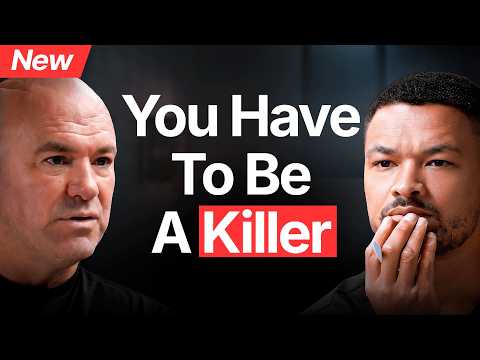
UFC CEO Dana White speaks with host Steven Bartlett on The Diary of a CEO about his upbringing, family life, leadership philosophy, and combat sports ventures. White pushes back on being psychoanalyzed, arguing that people who claim they lacked role models overlook both positive and negative examples around them—pointing to his father's alcohol struggles, a parents' divorce around age eight, and his own decision to quit drinking at 21 after seeing how alcohol harmed people he knew.
While describing his mother as a hard-working nurse who picked up extra shifts and raised him and his sister after moving across the country from Boston to Las Vegas, White also shares a painful rift: a dispute over money while he was traveling with Lorenzo Fertitta in London, an unauthorized biography/book his mother published that drew criticism and frustration from him and his lawyers over private photos and claims affecting others, and passing away without them speaking for years—though he maintains he holds no victim mindset and credits both parents and his upbringing with shaping him. He also reflects on his father's behavior (recalling an erratic trip to see Beverly Hills Cop), notes that having kids helped him understand what parenting should look like, and highlights how he teaches his own sons—such as his youngest son Aiden and oldest son—about earning their own way, working real jobs, and experiencing physical labor rather than relying on entitlement.
Work Ethic, Chaos, and Building the UFC
White argues that entrepreneurship is not a shortcut to easy hours or working from home—noting he walked away from a steady hotel bellman job with benefits at 19 to pursue the fight business, dislikes authority and being told what to do, and still puts in long office hours alongside travel across UFC, Power Slap, and Zuffa Boxing. When Bartlett asks whether he is softer or calmer after decades of setbacks, White says he is less prone to fretting over minor things but refuses to let his drive dull, noting he is drawn to chaos and high stakes.
Tracing the UFC from its $2 million purchase alongside Frank and Lorenzo Fertitta (after a chance reconnection at high-school friend Adam Corgan's wedding) to a massive global brand—which White compares at a hypothetical $50 billion valuation relative to a reported $12.5 billion Lakers sale—he highlights matchmaking, live event production, and television production as core pillars, alongside building trust with fans, sponsors, and broadcasters (including a multi-year Paramount deal). He credits key collaborators such as Craig Borsari, Hunter Campbell, and Lenne (Lenne Breinig / Len), emphasizes loyalty and protecting core employees during COVID-19 rather than defaulting to layoffs, and says he blocks out sports media commentators while paying attention to real fans and critics.
Fighters, Risk-Taking, and Combat Sports Ambitions
Asked about standout athletes in UFC history, White names Conor McGregor, Khabib Nurmagomedov, Chuck Liddell, and Ronda Rousey—recalling how Rousey pushed to pitch him in person at a time when he was hesitant about women's MMA—and links belief/manifestation to relentless daily action rather than passive wishing. He also discusses health and energy after turning 50, crediting Gary Brecka (introduced through Carrie Keagan / Carrie Kasem) with helping him address issues including sleep apnea and improve how he feels and performs.
Closing the conversation—including a look back at the movie Vision Quest, reflections on not living with regret, his love for motorcycling, and his outlook on Power Slap and boxing (with brief remarks on promoters including Eddie Hearn, Barry Hearn, and Frank Warren)—White says his overarching drive over the next several years is to push his combat sports businesses to a scale and standard that cannot be matched.
Full Transcript
00:00I've already built the biggest fight
00:01brand to ever exist. The UFC was
00:03purchased for $2 million. And if the
00:05Lakers sold for 12.5 billion, then the
00:08UFC is worth 50 billion. And every day
00:10that I show up here, I'm here to win.
00:12When I'm dead, it's going to be
00:13impossible to beat what I built. And I
00:15am addicted to chaos. And if there isn't
00:17any, I create it. From UFC fighters to
00:20CEOs of multi-gazillion pound companies
00:22to world leaders, I see in you a man
00:24that is truly obsessed. Early on, I knew
00:27exactly who I was and I knew that I
00:30wanted to be involved in fighting.
00:31That's what I wanted to do for the rest
00:32of my life.
00:36[screaming]
00:36>> Was there any athlete that you sort of
00:38put in a class of their own?
00:39>> Conor McGregor, Habib Mamedov, and Ronda
00:41Rousey, but I didn't want women in the
00:43UFC. But Ronda Rousey grabbed me said,
00:45"Can I get 15 minutes with you?" And she
00:47came in with the whole bravado
00:49and I'm like, "Holy I think I'm
00:51going to do this." And she's the one to
00:52do it with. If there were principles
00:54that you would most attribute to the
00:56success of the UFC, what would it be?
00:58>> When you decide who you are, what you
01:01want to do, what you're going to
01:02accomplish, and you work toward it. It
01:04is impossible for you to fail. Do not be
01:06afraid to take the risk. But some of
01:07these kids that think they want to be
01:09entrepreneurs, they don't know what it
01:10really takes. And there is a formula.
01:12And guess who has it? And we can talk
01:14about this.
01:14>> And then this is a book your mother
01:16published about you unauthorized as a
01:17biography. She's critical of you at
01:19certain points. I I don't go on shows to
01:21speak negatively about my mother, but I
01:23mean [music] that's one of the grossest,
01:25most disgusting things. You couldn't
01:28even imagine possible until it happens
01:30to you. And sometimes family is the
01:33worst. And that was the beginning of the
01:35end with me and her. Have you forgiven
01:37her?
01:39>> Um,
01:42here is a strange fact. Most of the
01:44people watching this right now, about
01:4658% of you aren't yet subscribed to this
01:48channel. Statistically, that is probably
01:50you. So, could I ask you a small favor?
01:53If this channel has ever given you any
01:55value at all, please could you do me a
01:56favor and hit the subscribe button? It
01:58costs nothing. It helps us more than you
02:00could know. And the bigger the channel
02:01gets, as you've seen, the more we can
02:02invest in the guests and the production.
02:04So, thank you so much, and I hope you
02:06enjoy this episode.
02:11Dana, you know more than anybody that to
02:13become a great fighter,
02:16often times you have an anomalous
02:18upbringing. And I have some of these
02:19fighters in front of me like Khabib and
02:21Islam and Mike Tyson. And when you look
02:22at their backgrounds and where they came
02:24from, they have atypical origins. And
02:27when I look at you, I consider you to be
02:29a great fighter in your own regard. So
02:32that's my question is what is that early
02:34context that's made you the fighter that
02:36you are?
02:36>> I don't know. Uh, you know, I I I always
02:39have trouble when we start talking about
02:42me and my upbringing and psychoanalyzing
02:45me. I I I don't know how to really
02:46answer those questions. Um,
02:49I don't know. It's not like I grew up
02:51like these guys grew up, but
02:53>> early on I knew exactly who I was and I
02:57knew that I wanted to be involved in
02:59fighting. That's what I wanted to do for
03:01the rest of my life.
03:02>> In terms of your mom and dad, I I I
03:04listened to you talk about your dad and
03:07his absence and his difficulty with
03:10alcohol. Divorced at 8 years old,
03:12>> left with your mother and that was also
03:14a turbulent relationship as you as you
03:16grew up. Is there anything from that
03:18early context that you look back on? I
03:19know you don't like being
03:20psychoanalyzed. I've heard you try I've
03:21heard you respond to like Pierce Morgan
03:22and others who who have talked about
03:24your childhood before, but is there
03:25anything from that early context that
03:26you think did shape you into this sort
03:28of like%.
03:30>> You know, I I always say that, you know,
03:32you see these people that play the
03:34victim, you know, the victim mentality.
03:36It's like, oh, I didn't have any role
03:38models when I was growing up. Yes, you
03:39did. You just didn't look at it the
03:41right way. when you grow up, everybody
03:43who's involved in your life, they're all
03:45role models in good and [clears throat]
03:46bad ways, right? I I used to look at,
03:49you know, some of my uncles and and and
03:51and my [clears throat] dad and some I
03:53was like, "Yeah, we don't we don't want
03:54to go in that direction. Let's let's go
03:56in this direction." And in America, you
03:58you can start drinking when you're 21.
04:01>> Mhm.
04:01>> I quit drinking when I was 21. I believe
04:04that that I wouldn't be able to
04:05accomplish all the things that I wanted
04:07to accomplish if I was drinking. And I
04:09saw a lot of, you know, family members
04:11and other people where drinking had had
04:13been detrimental
04:15to their life. And and uh, you know, I I
04:19think I had some pretty talented, you
04:22know, family members that could have
04:25lived a different life had they not
04:26drank.
04:26>> You and your sister?
04:28>> Yeah, it's me and my sister.
04:30>> If I was a fly on the wall during that
04:31period of your life, what would I have
04:32seen?
04:33>> I don't know. I I don't really remember.
04:34Me and my sister, you know, now that
04:36we're getting older, we talk about this
04:37stuff a lot. Me and my sister are super
04:38close. You know, both our parents are
04:40dead and it was just us. So, yeah, my
04:44mom was an animal. My mom worked her ass
04:46off and, you know, if she wasn't
04:49working, you know, and picking up extra
04:50shifts. She was a nurse. She was going
04:52to school. And she effectively raised
04:55you on her own.
04:58>> Definitely.
04:59>> Because your dad was he he was absent. I
05:01I remember he reciting a story of you
05:03him taking you to the cinema drunk.
05:05>> Yeah. Yeah. And just I mean what I got
05:07from that was I guess carelessness. The
05:10story of him taking you to the cinema,
05:12telling you asking you if you wanted
05:14something, throwing $20 your way,
05:15telling you to go get it for your
05:16sister. Yeah. The
05:17>> himim him embarrassing.
05:18>> It's one of those moments and you know
05:20you have these these things that you
05:22remember from your young life. And I
05:24have I have a few with my dad, but you
05:26know the the movie was Beverly Hills
05:27Cop. It had just come out and it was
05:29like the biggest movie in the world. And
05:31we got there late. He showed up drunk to
05:33pick us up and take us to the movies,
05:35you know. So getting there was was a
05:37whole, you know, scene on its own. And
05:39then we get there, the place is packed.
05:41There's no seats. He walks in and
05:43screams, "We're going to have to start
05:44moving some people, you know, and throws
05:46money at me to go get to go get food and
05:48popcorn or whatever." In my opinion, my
05:51dad was a very selfish guy. And uh, you
05:54know, he lived the life that he wanted
05:56to live and everybody else didn't
05:59matter. Did you ever understand him as
06:02you People always say that when they get
06:04older they understand their parents
06:05better.
06:05>> Well, what I understood was once I
06:08became a parent. I was like, "Holy
06:11this is the way you're supposed to feel
06:12about your kids and this is the way
06:13you're supposed to, you know." So, yeah,
06:15I I think that my parents made me a
06:19better parent.
06:21>> You've got a very atypical drive in you.
06:22There's a certain relentlessness that
06:24I've seen. I mean, I've seen it all. And
06:25one of the sort of defining traits when
06:27I think of Dana White is this sort of
06:28relentless insatiable ambition. So my
06:32line of questioning isn't really to
06:33psycho analyze. It's really just to
06:34understand like how that comes to be the
06:36case. One would guess that there's some
06:38kind of chip on your shoulder in to some
06:40degree.
06:41>> Yeah, it's true. But I try to I try to
06:43focus on
06:45I like to win. Winning is fun and
06:48everything in life. But uh you know I
06:50also make sure that the obligations that
06:53I have you know I I I pay attention to
06:56those too. Like listen nobody's perfect
06:58but I've tried to do the best I could to
07:00be
07:01>> the best at everything I could at work
07:04at home with the kids you know.
07:06>> And if id asked you when you were a
07:08young boy like some of these photos what
07:09you going to be when you grow up would
07:10you would you have had an answer for me?
07:12>> I didn't really know that until I was in
07:14my late teens. you know, literally
07:18walked out of a job that at the time and
07:20in the place a lot of people would kill
07:22for. Um, and had checked all the boxes
07:24and made cash every day, got a paycheck
07:27every week, 401k, full dental and
07:31medical and, you know, all the things
07:32that people are looking for. But I I
07:35didn't like working for other people. I
07:37I always felt like working in the hotel
07:40industry was incredibly disrespectful,
07:42the way that they would treat you and
07:44talk to you and and uh I never liked it.
07:46it was never for me. So, I walked out
07:49one day and I said, "I'm going to get
07:51into the fight business." At the time, I
07:52didn't know exactly what that meant or,
07:55you know, at what level, but that was my
07:58goal.
07:58>> Have you always had a problem with well,
08:00an issue with, dare I say, authority?
08:02>> You have?
08:03>> Yes. Very, very much so. Yeah. It was
08:06never for me.
08:06>> Where does that come from? Do you know?
08:08>> I don't know. I honestly don't know the
08:10answer to that. But I never liked it. I
08:13never liked working for other people. I
08:15never liked being told what to do and
08:18and I don't treat my employees like
08:19that.
08:20>> Did you think you were going to be
08:21successful in your life when you were I
08:22don't know 14?
08:23>> I did when I was younger. I I believe
08:25that I would be. Yeah.
08:27>> Based on
08:27>> I sort of had these you know these ideas
08:29in my head which at the you know at that
08:32time you don't know exactly
08:34what it means or at what extent but let
08:36me tell you what. So when we worked when
08:39when I lived with my mom me and my
08:41sister were just talking about this the
08:42other day. So my mom worked all the time
08:44or was at school and me and my sister
08:46were home alone all the time, but we had
08:50chores that we had to do. I mean, we
08:51were mow the lawn, you know, cleaning
08:55the pool and trimming the bushes and all
08:56that. And I was like, let me tell you
08:58what, the day I make a dollar,
09:01[laughter]
09:01I'm never doing this ever again.
09:03>> So that's probably an important lesson
09:05she taught you.
09:07>> No doubt about it. And I I you know, I
09:09try to do this with my kids, too.
09:12My kids have been great and done
09:13everything the right way. And I've told
09:14this story before, but my son Aiden, my
09:17youngest son, flies home from college
09:19one weekend and says, "I I don't want to
09:20stay in school. I have an idea for this
09:22business that I want to do." And
09:23whatever. I said, he lays it all out for
09:26me. And I'm like, "This is a pretty good
09:27idea. I get it. I like it. But you're
09:30not going to quit school and just try to
09:34do this. This doesn't this won't chew up
09:368 to 10 hours of your day. M
09:38>> you're going to go out and you're going
09:39to get a job and you're going to put out
09:41you're going to go put in applications
09:43and you're going to try to get a job
09:44because if I die tomorrow,
09:47>> that's what you're qualified to do. And
09:49he did it and he went and he worked at
09:51U-Haul and you know, you got to have
09:53those kind of jobs. My son right now, my
09:56oldest is getting his master's degree in
09:58Boston right now. And when I lived in
10:01Boston, I used to work for EJ Paving
10:03Company. They pave roads. I actually
10:05want my son to go do some days at at
10:09this paving company.
10:10>> What is it you're trying to teach him?
10:12>> Well, what hard work really is. So,
10:14people like I run around, I don't sleep
10:15much, and everybody's like, "Oh, you
10:17work so hard. You work so hard." No, no,
10:19no. I'll show you what hard work is.
10:21Hard work is construction. Hard work is
10:23concrete. Right [snorts] up the street
10:25here, I don't know how many days this
10:27summer were 115 degrees out. 115 degrees
10:31out. These construction guys are out
10:33there working in 115 degree week. Like
10:36hard work, real work. And then in the
10:39winter, people don't realize this in
10:40Vegas, but it gets down into the 30s.
10:43These guys will be outside working when
10:44it's 30° out. So, and hard physical
10:48labor every day, and then you go home,
10:50you you eat and you go to bed, you start
10:52get up the next day, and you go do it
10:54again. In your life, to figure out what
10:56you want to do, you have to figure out
10:59what it is you don't want to do. I have
11:02um a bunch of quotes here that you've
11:03said if you just wanted to look at the
11:05first one.
11:06>> There's no such thing as a day off when
11:09there's no such thing as a day off when
11:12you run your own business. You know,
11:14there's no birthdays, there's no
11:15Christmas, there's no Thanksgivings. Bad
11:18will happen every single day that
11:20you need to deal with. But when you like
11:23what you do, it's fun.
11:26>> A lot of people, especially young people
11:27these days, want to be entrepreneurs.
11:29>> [laughter]
11:30>> You know, I'd really like to work for
11:32myself and own my own business because
11:34I'd love to plan my schedule. How much
11:36Oh, you're you're you're going the wrong
11:38way. What you need to do is find a
11:419-to-five job where you have weekends
11:43and holidays off and you know that's
11:45that's your move. If you're looking to
11:47start your own business because you want
11:49more time to yourself, you are picking
11:51the wrong thing to do. I promise you
11:53that. The key to becoming a good uh
11:57entrepreneur is you have to find
11:59solutions to problems every day. The
12:02universe was trying to with me the
12:03other day. I got out of bed. I had to be
12:06at a board meeting at 9:00, right? I go
12:09in, I got a shave. Both my razors died.
12:12I use electric razors. They both died.
12:14Get through that. I get in the car and
12:16I'm driving and and the sensor says,
12:18"Your back right tire is low. Stop the
12:21vehicle immediately." I said, 'Yeah, no,
12:23we're not stopping. We're going.
12:25That's just life, right? When you get up
12:28and it's life standing there to kick you
12:29in the face and and you got to get
12:31through all this Then you get to
12:32work and there's a laundry list of
12:34problems and things you got to deal
12:35with. And this younger generation that
12:38think you can work from home and build a
12:41successful business. It's impossible.
12:44You can't do it. I'm in the office from
12:468:30 in the morning and I don't leave
12:48the office till 7 8 9 10 sometimes.
12:50still to this day. There are times when
12:52I go to work and my schedule's planned
12:54out for the day. But people will pop in
12:58my office and we start talking about
13:00things and you know when when you have
13:03people a good group of people like I
13:05have at the UFC and we get in a room and
13:08you start talking things pop up that you
13:10would never expect and things happen and
13:12a lot of good ideas come from everybody
13:14being at work. Has being kicked in the
13:16face by business over the last couple of
13:19decades changed you?
13:21>> Definitely. I don't freak out the way
13:23that I used to. I've been through it all
13:26>> and I'm way more calm now. I see this
13:29with a lot of guys. You become uh I
13:33don't want to say you get weaker, but
13:35you do get weaker as you get older.
13:37There's there's a softer side to you
13:39than you had when you were in the early
13:41days of building your business. And I
13:45don't ever want to be that guy. You know
13:47what I mean? I try not to be that guy.
13:50But you do relax and chill out. And you
13:52don't. The things that you used to flip
13:54out about when you were younger, you
13:56don't when you're older. I mean, I went
13:57through a phase where I ripped through
13:59like 10 secretaries in two years. Like I
14:02need people around me that can keep up.
14:05You got to have people that can keep up
14:06and can handle handle the load of work.
14:09You know, it's probably the busiest year
14:10for me this year because I have Zufa
14:12Boxing, Power Slap, and the UFC that I'm
14:15I'm running these three companies. And
14:17then there's a ton of other things that
14:19that I do, too. So, we'll be on the
14:21road, you know, I think we just got off
14:24the last two months. We were home for
14:25like 4 days in the last two months. Then
14:28I get home and I don't stop. I just I go
14:30out and I do things and you know, these
14:32guys that are with me, they have to
14:34they're with me and it's tough.
14:38Nobody owes you anything.
14:40So, you know, we talked a little bit
14:42about my parents and whatever. I had
14:43this kid that I grew up with and you
14:46know this we we were 12, 13, 14 years
14:49old. And I remember his dad had done
14:52really well and you know, they had a
14:55beautiful house, they had cars, you
14:56know, he had all the that you you
14:58would want growing up. And I remember
15:00him telling me one time his dad ran into
15:02hard times and his dad had put a million
15:05dollars away for him in an account. And
15:08then his father ran into hard times and
15:10his father took the money. He's like,
15:12"My father stole a million dollars from
15:14me." And I remember thinking, "Are you
15:17out of your mind? [snorts]
15:20The fact that your dad even thought of
15:22you that way, that he would put that
15:24money away from for you is incredible.
15:26But that was never your money. You
15:28didn't earn that money. that wasn't
15:29yours. I remember thinking that way when
15:31I was 12, 13, 14, right? I'm like, that
15:35is definitely the wrong type of
15:36mentality. Entitlement.
15:39Brutal. And that guy grew up exactly the
15:43way you would expect that guy to grow
15:44up. He's just, you know, nobody owes you
15:47anything. Nobody. listen to to to have
15:51to be set up in a position where
15:53somebody can make some phone calls for
15:54you and do some things, but then once
15:56they do that, you have to go in and
15:58deliver. There's going to be a ton of
16:00people listening that want to be
16:01entrepreneurs. Do you do you think most
16:04people are cut out for it?
16:05>> No. No. [snorts]
16:10To be an entrepreneur
16:12is very a very unique thing. I mean, you
16:14have it's hard enough for a lot of
16:16people to get up every day and depend on
16:18themselves
16:19>> to take care of themselves.
16:21>> When when you're an entrepreneur, lots
16:23of people depend on you. Lots of people
16:26feed their families and and I take that
16:28that role very serious. I mean, when I
16:31got into this business, not a lot of
16:33people believed in it. That's why we
16:35bought the UFC for $2 million, right?
16:37Let's be honest here. The UFC was
16:39purchased for $2 million. And if the
16:42Lakers sold for 12 a.5 billion, then the
16:46UFC is worth 50 billion. Okay?
16:49So
16:51the people who did believe in this and
16:52and did, you know, when I was trying to
16:55hire production people, production
16:58people don't want to live in Las Vegas,
17:00Nevada, especially 25 years ago. They
17:03want New York or LA, right? Um I was
17:07trying to hire sponsorship people, New
17:09York and LA. they don't want to live
17:11here. And then I had a group of people
17:13Craig Borsari who is my uh you know my
17:16head of production who is an absolute
17:18rock star, the best in the business. He
17:21was a rising star at Fox. He left Fox
17:24and came here because he believed in the
17:27vision and and what was happening here.
17:30When you think back from on that journey
17:31of buying it for $2 million and then
17:34let's say it's worth $50 billion now if
17:36it was valued, you know, relevant to the
17:39Lakers. If there were principles, if
17:41there were like a couple of principles
17:42that you would most attribute to the
17:45success of the UFC when at the time
17:48nobody wanted to put on the fights
17:49anywhere. Everybody thought it was like
17:51too barbaric.
17:52>> Matchmaking.
17:53>> Matchmaking. Yeah.
17:55>> Is number one, [gasps]
17:57the live event production.
17:58>> Okay.
17:59>> And the television production.
18:01>> And then on the business side that you
18:03think, you know, if we'd gotten that
18:05wrong, we definitely wouldn't be here.
18:08The big problem, if you look at how 25
18:10years ago when we bought this, you're
18:12never going to compete with boxing.
18:14Boxing is too established. It's been
18:15around too long. It's this and that.
18:17Boxing became a going out of business
18:20sale. Every time these guys would put on
18:22a fight, they try to grab as much money
18:23as they can and run. I am now involved
18:26in boxing. I have the only global
18:30television deal right on Paramount. All
18:34these other guys are on a streaming
18:35service called literally every promoter.
18:37What they've done is they've chased
18:40everybody out of the business.
18:42Television networks don't want to deal
18:44with it anymore. Sponsors don't want to
18:46be a part of it anymore. What we have
18:49done over the last 25 years is built a
18:51brand that not only the consumer trusts,
18:55>> but sponsors, television networks, the
18:58list goes on and on. So,
19:02I make sure that when people show up to
19:04my live event, which is super important.
19:06The people who pay to come to the live
19:08event spend way more money than the
19:10people on TV. And they got to buy
19:14flights and rooms and pay for their
19:15dinners. Every time we put on a live
19:17event, I want the people walking out of
19:19there going, "God damn, that was a good
19:20time. I'm I'm glad we did this tonight
19:23and I would love to do this again."
19:24>> And how do you make sure that's the
19:26case? I heard somebody saying one time,
19:28Dana acts like there's a formula to
19:30this. If you look if you went back, I
19:32don't know the actual number, but it's a
19:34it's a long list and a big number of
19:36guys with a lot of money who are really
19:37smart and have done good things in life
19:39that have tried to get into this
19:40business and couldn't do it. Couldn't
19:43make it work. There is a formula.
19:46>> And guess who has it?
19:48[laughter]
19:50One of the things I've learned as I've
19:51gone through my business career that I
19:52didn't know at the start of my business
19:53career was how much of success is
19:56actually determined by the the people
19:57you're able to assemble. I think at the
19:59start of my career, you think if I work
20:00weekends and I work really hard and have
20:02good ideas myself, then I'll be
20:04successful. And somewhere along the way,
20:06I realized that it's really about like
20:08assembling people and binding them with
20:09the right like philosophy or culture,
20:11whatever they call it. And the question
20:12I have for you is, have you noticed the
20:14same? Have you have you noticed that one
20:16of the like obvious but seemingly
20:18unobvious things about business building
20:20is the quality of people you hire?
20:23>> There's no doubt about it. No one guy
20:24does everything. When we first [snorts]
20:26bought the company, I was the everything
20:28guy. There was like two employees, me
20:29and somebody else. And you know, you
20:33wear all the hats when you start. Then
20:36you start going out and you start
20:37building a team. And there are people
20:40who fit and people who work and people
20:42who don't. And you have to be really
20:44good at figuring out who fits and who
20:46works and who doesn't. And over the last
20:5025 years, if there's a superpower that I
20:54have, it has been picking the right
20:56people to surround myself with. And I
20:59knew when there wasn't. We had a we made
21:01a big decision when we sold on people
21:04that we brought in and I knew right away
21:07the people that didn't fit and I fired
21:08them.
21:09>> What are you looking for in great
21:10people? First of all, you have to have
21:12talented people. You have to have
21:13talented people that are not only really
21:15good at what they do, but are hard
21:17workers, too, and have the drive. But
21:20everybody has to be on board with the
21:22vision and and has to be, you know, on
21:25the same page.
21:27I am at a place right now with my
21:29production team when we do spots and we
21:32do vignettes and we do they'll bring
21:34them into me and there are very few
21:36changes.
21:37>> What is your talent there? Like if if I
21:40ask the people that work closest with
21:41you, and I know this is a little bit of
21:42a weird question to answer, what is
21:44Dana's three skills that are rare
21:46relative to other people?
21:49>> I am a fight fan to the core. 25 years
21:52later of doing this, I am still a
21:54hardcore fight fan. And
21:58when we put something together and we
22:00nail it, I I know we got it. And now
22:03what I do is I push my team whether it's
22:06production, matchmaking, sponsorship
22:09side, whatever it is. I push all these
22:12guys every day to get us to where I know
22:16I want to be.
22:17>> You are the customer.
22:18>> Yeah, I am the customer.
22:20>> Yeah. And you have been since I saw in
22:21your your sort of early um sort of
22:23mid20s, you you were captivated with
22:26boxing at the time, I believe.
22:27>> Yep. Every time when we go to an event,
22:30there's a red phone on the on the table
22:32where I sit and it goes directly to the
22:35to the truck and there's that our
22:37producer's name is Zack.
22:38>> The truck where the producers are.
22:40>> Yeah. Zach runs all the shows. He has
22:44the freedom to do what he wants and he
22:46tries. So I'll pick up the phone and go,
22:48"What was that?" And he's like, "I
22:50thought we tried that." I say, "Yeah,
22:51let's never do that again."
22:53Okay, bye. And there's no hurt feelings.
22:55there's no whatever or we'll do
22:58something. I'm like that was incredible.
23:00Yeah, congrats. That's incredible. And
23:03you know, once you get to that level
23:05with your team, there's a woman sitting
23:07out here. Her name is Len. She's the
23:08head of PR.
23:10>> I don't really make a move without
23:12talking to her anymore. I trust her so
23:15much and she's so smart and she's so
23:17talented that she's involved in a lot of
23:20different aspects of my life. Craig
23:22Borsari who I talked about who is the
23:24head of production, my head of
23:26sponsorship. Once you build this like
23:29rockstar team, it's all just like it
23:33becomes a welloiled machine where
23:36everything just starts to work the right
23:38way. Like when we were going through co
23:41these people that I'm talking about, you
23:43know, when you go through something like
23:45this, who the hell knows how long this
23:47is going to last? And as crazy as the
23:49world was during that time, here here's
23:52one thing that wasn't going to happen. I
23:53don't give a We were not going to
23:57lay off our employees. These people that
24:00have been here with me and and that I'm
24:02super close to saw this quote from I I
24:05don't know who the CEO was, but says,
24:06"Anybody that's trying to sell you that
24:08we're a family and is is full of
24:11This is transactional and it's the I
24:14don't know who wants to run through a
24:15wall for that guy." But he's
24:18full of Okay, my team. That is the
24:21way I feel about my team. And I do care.
24:24And I will never pick money over people
24:28ever.
24:30Scariest time in our lifetime was co.
24:34You're looking at the numbers and going,
24:35"Oh you know, we uh we got to let
24:39go of some people. We got to what?"
24:42During the scariest time in in human
24:44history. No. Your job as the CEO
24:48is to figure out how to keep your
24:49business running and to take care of all
24:52your people, right? Here's what you
24:55don't do. Oh, we're looking at hard
24:56times. Let's just start putting
24:57bullets in people who have missed their
25:01kids' first step, didn't go to a
25:04game, missed this and missed that to
25:06help build this company. It is your job
25:09as the CEO to take care of these people
25:12and figure out how to make money. That's
25:14the way that I look at it and that's
25:16what we did.
25:17>> The reason why people have a problem
25:18with this whole like uh you know my team
25:19are my family thing is because they
25:20always say well you don't fire your
25:22family and and what you're saying is
25:24actually those that have been loyal to
25:26you are the ones that you treat like
25:29family I'm hearing.
25:30>> Yeah. If you don't have loyalty
25:34>> what do you have? Right. If if you work
25:36in a place where you feel like the rug
25:39could be pulled out from under you at
25:40any minute for no reason other than the
25:44numbers don't look good. You think you
25:46want to be an entrepreneur and you think
25:48you want to be the CEO of a company.
25:51Every day when your foot hits the floor
25:53out of bed, you're going to war. There's
25:57people trying to take what you have.
25:59There's people trying to screw you over.
26:02You know, people are coming after you
26:03every day. And the more successful you
26:05become, the more people that are coming
26:07after you. And I look at the UFC and
26:10other businesses that I run as a
26:12battleship.
26:14And me and my team are going to war. And
26:17we either all go down together or we
26:19don't go down at all.
26:21>> I guess in that context, if you are at
26:22war, then you need, you know, your
26:24brothers in arms. You need
26:25>> you need soldiers.
26:26>> Yeah. You need soldiers.
26:27>> Yep. And I'll tell you this, so I know
26:30lots of different stories coming out of
26:33CO
26:34the day that everything started to shut
26:36down. I literally got all my employees
26:38in a room together downstairs at our
26:41dining room and I said, "Listen, I don't
26:43understand this. I don't know what's
26:45going on, but if any of you feel unsafe
26:48or feel that, you know, you have loved
26:50ones at home that could be unsafe from
26:52this whole thing, you can go home."
26:56Nobody walked out.
26:58Nobody walked out.
27:00I said, "We're going to figure this out.
27:01We're going to get through this
27:02together." And uh you know, every week I
27:05had weekly FaceTime calls with all my
27:07employees. And it sounds weird now, but
27:09I was like, "If you need anything, if
27:12you need groceries, toilet paper, uh you
27:16loved one of yours gets sick, make me
27:18the first call. We'll get through this
27:20together." And and then, you know, it
27:22was only a couple weeks and I said,
27:25"We're going. we're going to work. And
27:28everybody, men, women, they all said,
27:32"We're with you. Let's roll."
27:34>> Do you know what's interesting is the
27:36last time I heard a founder or CEO of a
27:38company say this to me, um, they also
27:40had a very turbulent childhood where
27:42they didn't have a family.
27:44>> And and he ended up admitting to me, he
27:46goes, "You know, I guess to some degree,
27:48as an adult, I've been able to build my
27:50own my own community family that I
27:52really never had." And so I I was just
27:54wondering as you were speaking there if
27:56there's
27:57if there's a link there at all
27:59>> well between how you treat
28:00>> No, here's the link for me. If if I had
28:02again psychoanalyzing me, I've worked
28:04for companies
28:06>> that you [clears throat] go in and you
28:07give your time and your energy to and
28:10they treat you like you don't even
28:11matter, right? It's like, well,
28:13if you don't like it, there's 10 other
28:15people right behind you that would love
28:16to have this job. Wow, that's how much
28:18you value me and what I do here.
28:20>> Yeah, it goes both ways, right? I I I've
28:23been in those positions before and I've
28:26red phone um reminds me of another quote
28:28that I read from you which is that you
28:30are always in the weeds and one would
28:32think you know Dana you're 57
28:34>> yeah 57
28:34>> 57 years old very very successful made a
28:37lot of money in your life peak of your
28:38powers one would assume that by this
28:40time you'd be a little bit out of the
28:42weeds and dare I say even I don't know
28:45delegating and enjoying yourself a
28:47little bit more I mean that's
28:48presumptive the word enjoying yourself
28:49but would be out of the weeds by No.
28:52>> You ever hear the saying, "It's easier
28:53to get to the top than it is to stay on
28:55top." True words were never spoken. When
28:58you're when you're at the top,
29:00everybody's gunning for you. And
29:01everybody's looking at your blueprint
29:03and saying, "How do I how do I use what
29:06he's done and how he's built this to
29:08beat him?
29:09>> How do I steal his people?"
29:10>> It's like being a world champion. So,
29:11you become a world champion and then
29:13everybody starts studying you and how
29:15you fight or how you play or how you do,
29:18trying to figure out how to beat you.
29:20And uh I love that
29:23>> How do you respond to that? Because it
29:25>> because it's easy to get distracted when
29:26there's that many people gunning for one
29:28guy
29:28>> and don't get distracted. You know what
29:30get distracted on? You get into a
29:32business like this, right? And and lots
29:34of goofy starts coming at you like,
29:37"Hey, we want to do a movie about this.
29:39Hey, we want to do a thing on your life.
29:41Hey, we want to
29:43There's three things that I focus on
29:45every day, and I'm not going to say it."
29:47But
29:48>> you're not going to say it.
29:48>> No. Why?
29:49>> There's three things that I focus on
29:51every day. And if I don't this up,
29:55>> you can't you can't mess it up.
29:56>> Why wouldn't you tell me?
29:57>> It's part of the formula. [laughter]
30:00It's part of the formula.
30:02>> Three things you focus on every day.
30:05>> There's lots of ancillary things that
30:07come around the brand of the UFC, right?
30:09That if you start diving into all the,
30:11you know, and let your ego take over.
30:14you let your ego get into, you know, all
30:16this that you can't mess it up
30:19because I've seen other companies that
30:22are so big and massive and have been
30:24around for a hundred years and you make
30:27a couple of mistakes and then somebody
30:30else is is coming trying to eat your
30:32lunch, man. And and and uh nipping at
30:34your heels.
30:35>> Nobody's nipping at my heels.
30:39All these other guys that are out there,
30:41we are not the same. Okay, this thing
30:44has gotten to a level now. My
30:46competitors are the NFL, Major League
30:50Baseball,
30:51the NHL, and the NBA. We did an 8
30:56billion deal with Paramount. Right now,
31:00I don't know this for a fact, but I know
31:03this for a fact. The NFL are a bunch of
31:05animals, right?
31:08Soon as that deal was announced,
31:11all the powers that be at the NFL got in
31:13a room and said there was $8 billion out
31:15there that we didn't get. We'll do games
31:17on Tuesday, Wednesday, Thursday, Friday.
31:20You know what I mean?
31:22>> And if you look at me now, we're sitting
31:24in my arena.
31:26>> Next door, I have the performance
31:27institute and our headquarters. We have
31:30everything that the NFL and the Major
31:32League Base, all these guys have. We are
31:35part of the the four major sport uh
31:38organizations in the United States.
31:40>> Dana, can you give me one of these three
31:41things?
31:44>> Um, no, [laughter]
31:48no, [snorts] no, no, no. It's it's it's
31:51part of the formula, but you know, we
31:52have gotten to a level now
31:53[clears throat] where we are one of the
31:55top four major. All these other
31:56promoters and all these other guys
31:57putting on fights and all this
32:00they don't matter. But on this point of
32:02being in the weeds,
32:04>> is that important for, you know, people
32:06out there that are
32:07>> So here's what can happen, [snorts]
32:08you know, and people say this to me all
32:10the time. We did the $7.7 billion deal
32:13with Paramount and they're like, "Wow,
32:15that's incredible." You know, you didn't
32:17make it. You never make it. You
32:20don't make Do you know why Paramount did
32:22a 7.7? Because they believe that we can
32:25impact their business. Now, my job over
32:28the next five years is to make sure we
32:31do that because guess what I want? I
32:34want 10 billion after we get out of this
32:37deal, right?
32:38>> And the way that you do that is you
32:40added value to their company and and you
32:42know,
32:43>> is it not tiring though constantly
32:45having to be in the weeds for 25 years
32:48and now you're rich and you've you made
32:50all this money? Like, is it not?
32:51>> I could understand for some people
32:53maybe, but not me. I mean, I'm I'm I'm
32:5657, and I'm sure to a lot of young
32:58people that seems old, but 57 isn't that
33:01old. And and and what the hell would I
33:03be doing? I am addicted to chaos and and
33:08you know, and if there isn't any, I
33:10create it. It's it's a weird thing, but
33:12I'm definitely an addict. Yeah.
33:14>> There's a particular quote in this pile
33:15of quotes which I think is really
33:16relevant.
33:19>> Yeah.
33:21I love the haters. The haters are the
33:23best, man. There's nothing better than
33:25haters. Haters will lay out what they
33:28think is wrong with your business and
33:30how you're not, you know, doing this or
33:32doing that. And you know what this used
33:35to be called was, you know, the critics
33:37or the whatever. Now these days they're
33:39called the haters. And and I I love the
33:41haters.
33:42>> Do you listen to the haters?
33:43>> Yeah. Yeah. It's not like you don't
33:45listen to the haters, you know. It's not
33:46like you don't you know you know what
33:50you know what is real and you know
33:52what's just They're just, you
33:54know, but you have to have these guys.
33:56They they they they sort of keep you on
33:58your game.
33:59>> Now, most people would say I drown that.
34:01What I drown out is like the media that
34:04covers our sport. I don't look at them
34:07as haters. I look at the every
34:10thing they say is wrong. And when I look
34:12at what they say, it's like it's amazing
34:15that you could be involved in this
34:16business for 25 years and know nothing
34:19about it, you know? But I guess that's
34:21why, you know, we've never had any real
34:24competitors cuz when you think about
34:26what we're doing, it's never been done
34:28before. So what I'm thinking and what's
34:32coming next, these guys could never
34:34know. So all literally all the guys that
34:36cover our sport, I block them out of my
34:38feed. I don't want to hear. They're all
34:41wrong and everything they say is wrong
34:42and it's a it's a waste of my time to
34:45even listen to anything they say. But
34:49the hardcore fans, you know, uh, and the
34:52people who hate and the people who say
34:55we're great and all this, I like that
34:57information. I like hearing what they
34:59have to say. The two points you just
35:01made, this one and the point before um,
35:03brought to mind this point of focus. You
35:04talked about these three things. You
35:06talked about blocking out the haters.
35:07When you're at the top, there are so
35:09many things screaming for your energy.
35:11>> Sounds right.
35:12>> There's a Everybody's going, "Look over
35:14here, Dana. Give me five minutes of your
35:15thoughts and energy." Then you've got a
35:17journalist over here. Then you've got
35:18this fighter saint coming out making a
35:19comment over here. And so I wanted to
35:21understand what your relationship with
35:23like focus and how important this idea
35:25of focus has been to your success.
35:27>> Yeah. That's why you have to uh like I
35:29was saying you have to figure out
35:33what you pay attention to and what you
35:35don't pay attention to.
35:36>> Kevin Olir called this signal and noise.
35:39>> Yeah.
35:39>> You told me about great film.
35:40>> Yeah.
35:40>> The noise. You got to block out a lot of
35:43the noise. The problem is these days
35:46anybody with a phone, all right,
35:48can can consider themselves an expert
35:50and and I'm criticizing what they do,
35:52but it's it's just it's always wrong and
35:54it's always just such a waste of time. I
35:57want to hear what the fans think. I
35:59don't want to hear what these guys who
36:00are trying to start a podcast or a
36:02website or a Instagram account,
36:05you know, on the business think. I want
36:07to hear what the real fans think. And
36:10when when you have been doing this long
36:12enough,
36:14you can sort of go through and tell
36:15what's what and who's who, right? So
36:17when when I feel like somebody has made
36:19a really good point or an opinion on the
36:21show or the match, it's like when we put
36:24together a fight, and I've been saying
36:26this since day one, they're like, "This
36:27card sucks."
36:30You can't say the card sucks until it's
36:33over, right? Cuz these are obviously all
36:36really talented people that are on the
36:37card. Maybe some of them are, you know,
36:39are younger and haven't proven
36:40themselves yet, but
36:43you can't judge a card until the card's
36:45over. And believe me, if the card sucks,
36:47I'll be the first one to say that the
36:49card sucked. So, there's just lots of
36:51things that are that make sense and
36:54things that don't.
36:55>> What has made the the biggest difference
36:56to you in terms of your energy, your
36:59health, and making sure that you can
37:00show up really well every day? because
37:02I'm I you're the reason I heard about
37:04Gary Breer and then I brought him on the
37:06show and he did really really well on
37:07the show and then it was that watching
37:09you talk about some of the impact he had
37:11on your life. He's a health expert that
37:14transformed your life.
37:15>> But I I say all this to say that in my
37:17life I noticed this variance between my
37:18good days and my bad days in terms of
37:21energy level, my ability to articulate
37:22myself. And so I'm longing to like get
37:25to a high baseline.
37:27>> So I'm wondering for you like what has
37:28that been for you? Yeah, he completely
37:30changed my life. When I hit 50, Gary
37:32Brea changed everything. So, I have two
37:34doctors, one in Vegas, one in LA.
37:36They're both great doctors. So, [snorts]
37:38when I started the whole Gary Brea
37:40thing, they they called me up together.
37:42They're like, "Dana, what are you doing?
37:44What are you doing with this shit?" And
37:45I said, "Listen, man." The guy said,
37:47"Give me 12 weeks and I'll change your
37:49life. We'll see what happens in in in
37:52six weeks." I was like, "Wow, I feel
37:56incredible." and all these things that
37:59they couldn't fix. They just kept
38:01switching up the pills and all this
38:02And one of them that was real bad
38:04was sleep apnnea. I was waking up almost
38:08every night and throwing up from from
38:10from sleep apnnea, right?
38:13>> And how how did you meet him? Someone
38:16referred him to you and
38:17>> Carrie Kasem Carrie Kasem was like, "I
38:20want you to meet this guy. I'm telling
38:21you, he'll do this and that." I didn't
38:23want to meet him. And then the the
38:26weirdest thing ever is that my son
38:28turned 21 and I had his 21st birthday
38:31down in Miami
38:32>> and Gary Brea lives in Miami and he
38:35says, "Well, we do IVs so we could do
38:37all the IVs for you guys down there and
38:39whatever." And I said, "All right,
38:39cool." So, we would go out and drink
38:42and, you know, then do the IVs. And then
38:44one day we're doing the IV. And he says,
38:46"Let me let me take your blood and let
38:48me uh let me do your blood work for
38:49you."
38:50>> Gary said, "No."
38:50>> Yeah. And Gary had this thing that he
38:53could predict,
38:55you know, when you would die. And then I
38:58became obsessed with that. I said,
39:00>> he gave you 12 years.
39:01>> 10.
39:02>> He gave you 10 years.
39:02>> So then, so then he he he said, "Uh,
39:05give me 12 weeks. I'll change your life.
39:07It's going to be hard." And I said, "It
39:08won't be hard." Once I set my mind to
39:10it, I'll I'll do exactly what you tell
39:12me to do. It took 6 weeks. 6 weeks in, I
39:15was like, I I never felt better. and
39:18clarity legs and all these other
39:20problems I have and then sleep apnnea
39:23gone. Me and my wife truly believe that
39:26he's wrong. I didn't have 10 years. We
39:28thought I had less because of the way
39:30that I would sleep and all the that
39:31was going on with me. And uh
39:34[sighs and gasps] you know this guy is a
39:36is a life changer. I wouldn't be doing
39:39all the things. I mean I'd probably
39:40still be doing UFC, but I wouldn't be
39:42doing all this other stuff that I'm
39:43doing. I wouldn't be able to run at the
39:44level I run at right now without him.
39:47I hear another one of your quotes here.
39:51>> Yeah. It says, "You either have the
39:54killer instinct or you don't." And it's
39:57so true. So, this happened with Ian
39:59Garry.
40:00>> You know,
40:01>> I saw your interview.
40:02>> I felt like Ian Garry in that fifth
40:04round, you have this opportunity. You're
40:06fighting possibly the greatest fighter
40:09of all time. And you did a damn good
40:11job for four rounds. And you
40:14know, he was battered. His whole right
40:17side was busted up. His face was busted
40:19up, but he was beating you as far as
40:21rounds go. Now you're the younger,
40:24bigger, rangier fighter. You just fought
40:27four incredible rounds. Get out there
40:30and put it on. You go out and start
40:32shaking his hands and hugging him and do
40:35that when they're strapping the belt on
40:36you. Show Islam all the love you want
40:39when the fight's over. This is the fifth
40:42round. You have five minutes
40:45to shock the world and and you know
40:48everything you ever dreamed of
40:49and worked for can happen in this next
40:51five minutes and you didn't do it.
40:54>> Does that mean he doesn't have the
40:55killer instinct?
40:56>> I don't know. You know, he's a classy,
40:59really nice guy, but that's not the time
41:01or place to be it. You you have to go
41:04out and you have to you have five
41:05minutes left to you know, he didn't show
41:08it. If he does have it, he didn't show
41:10it. any any guy,
41:14company or person that wants to be a
41:16sponsor of ours.
41:18I'm not a logo slap guy. You just take
41:21your logo and slap it in and let's hope
41:23this works out. No, I want you to win.
41:26When you're with me and and your name is
41:28on our canvas, I want this to be a
41:32mutually beneficial deal for both of us.
41:35I want you to win. And I want you to go,
41:37"Damn, thank God I spent my money on the
41:40UFC."
41:41>> And you have to get up and you have to
41:43you have to kick ass every single day.
41:46Not just for you, not just for your
41:49employees, but for your sponsors, the
41:50network, and you know, you're never out
41:52of the weeds, I guess, is the answer.
41:54You have to be an absolute savage in
41:56business. I mean, that goes right along
41:59with what I was just saying. You You
42:00>> Are you a savage?
42:02>> I don't like to You [laughter] know what
42:04I mean? I don't know. I would let other
42:07people judge whether I am a savage or
42:09not. But yes, I will tell you this. I
42:11absolutely positively have killer
42:13instinct. And every day that I show up
42:15here, I'm I'm here to win.
42:20You'd think the former president of
42:21Nespresso would be a pretty hard person
42:23to convert to a new coffee company. But
42:26just one sip of Cometier coffee made him
42:30invest.
42:34But let me tell you the reason why I
42:35became an investor. So, I had a big box
42:37of this arrive on my desk in the London
42:38office. And then I'd say within about an
42:41hour and a half, the Slack channel that
42:43we have starts blowing up with people
42:45asking, "What the hell is that thing
42:47that's been left in the kitchen?" It is
42:49unbelievable. So, instead of trying to
42:51make it yourself at home and balance the
42:53flavors, they flash freeze it at the
42:55perfect moment. So, all you have to do
42:57is pop it out of here into a cup, pour
42:58hot water on it, and it tastes like
43:00nothing you've tasted before. You can
43:02also make delicious iced coffee drinks
43:04as well. Just pour it in. No machine, no
43:08brewing with plastic and all that nasty
43:10stuff. And you can get $30 off your
43:13first order at cometier.com/stephven
43:16today. That's cometier.com/stephven.
43:20I want to speak to the business owners
43:22listening and watching right now. I know
43:24what it's like to be personally
43:25responsible for every decision. I
43:26founded my first company at 21 years old
43:28and honestly, the pressure can be
43:31immense. It's the kind of mental load
43:33that takes its toll below the surface. I
43:35recently did some tests through fast
43:36sponsor function which got me thinking
43:38about that invisible impact. I found
43:40that I had low levels of omega-3s. I had
43:43deficient levels of vitamin D probably
43:46because I sit inside this dark room all
43:48day. And that has totally changed how I
43:50construct my day going forward. I get up
43:52in the morning and the first thing I now
43:53do is I go for a walk outside in the
43:55sunshine. in part to help my vitamin D
43:57levels increase, but also because it
43:59helps to reset my circadian rhythm. With
44:01function, you can check your brain
44:03health, your aging, your stress, and so
44:05much more. They provide over 160 lab
44:07tests for what is equal to a dollar a
44:10day and member pricing on advanced
44:12imaging. Head to functionhealth.com/doac
44:16to join and use code DOAC25
44:19for a $25 credit. There's going to be
44:22some people listening that are at the
44:23start of their careers and that they'll
44:25be inspired by you. They'll want to win
44:27like you've won. They'll want to climb
44:28to the the sort of peak of the mountain
44:30in whatever pursuit they go after. And
44:32I'm kind the question I'm kind of
44:33wondering is like is there a way they
44:35can learn this savagery, this killer
44:38instinct? Do you have you ever seen
44:40someone go from not having it to having
44:41it, whether they were a fighter or
44:43someone else?
44:43>> H that's a good question. I don't know
44:46if I've ever experienced somebody who
44:48didn't have it and got it. I don't I
44:51don't think that I have. But here's what
44:54I do know. If you want to get into
44:56business for yourself, you have to have
44:59a certain mindset and you have to be a
45:01killer, man. You have to and you have to
45:03not just think about yourself. There's a
45:06lot of other people that you have to
45:08think of more times than less before
45:13you.
45:13>> Do you think you have to have a chip on
45:14your shoulder? Uh, [sighs and gasps] I
45:16don't know if you have to have a chip on
45:18your shoulder, but you know, I most guys
45:20you see do, but it's because you get up
45:23every day and it's you versus the world.
45:25I mean, everybody's coming at you. And
45:27the more successful you get, I mean, if
45:29if you look this up, I mean, every
45:31business that's ever been successful,
45:33right? There's a army of scumbag lawyers
45:37out there that will find a way to figure
45:40out how to sue you because you know you
45:44did something wrong. Or the other thing
45:46that happens is people that are involved
45:48in your business that don't become
45:50successful. It's never their fault.
45:53>> It's somebody else's fault on why they
45:54weren't successful. And you know there
45:56there's always a there there are groups
45:58of lawyers like companies out there
46:00massive companies and smaller ones too
46:03that actually fund you can go in and you
46:05can invest in a lawsuit with them and
46:08and be a part of it. So every day when
46:12you get up there's just you know
46:14scumbags
46:16regular people good people that are all
46:18coming after you. question then. Which
46:20person would you of all the
46:22entrepreneurs and killers you've met,
46:24which one would you not like to compete
46:26with
46:27>> as it relates to business? H I don't
46:30think I I I want to compete with them
46:31all.
46:32>> But is there anyone?
46:33>> Listen, we're we're at a level now where
46:35I was saying to you the NFL and
46:37>> yeah,
46:37>> Major League Baseball, these guys are
46:39all, you know, first of all, they've
46:40been around for a hundred years or more
46:43or less or whatever it is. And I'm I'm
46:45at a level now where we're competing
46:47with the elite of the elite in sports.
46:50>> Who is the most badass entrepreneur
46:52you've ever met?
46:54>> Uh I don't know. That's a tough one.
46:55Like there's guys that there's guys that
46:57that that I like and respect like the
47:00the Michael Jordan's uh Carl Icon. I I
47:03like guys like that, you know.
47:05>> What about athletes that you've worked
47:06with? Was there any that you you sort of
47:08put in a class of their own in terms of
47:10>> Conor McGregor, Hhabib Ngamedov, Chuck
47:12Liddell when you know it was his time.
47:14Ronda Rousey, you know, people people
47:16that you know want to talk about
47:18Ronda Rousey. Now let me tell you what
47:20Ronda Rousey came to me. I didn't want
47:23women in the UFC, right? And and the
47:25reasoning is I was trying to sell men to
47:29networks and sponsors and they were like
47:31this is too whatever women. Ronda Rousey
47:34grabbed me at an event, said, "Hey, I'm
47:36Ronda Rousey. Can I get 15 minutes with
47:39you?" We went into my room at the at the
47:41arena and I don't know, minutes into the
47:46conversation, I'm like, "Holy
47:49I think I'm going to do this." And she's
47:50the one to do it with, you know, and she
47:53came in with the whole bravado.
47:56You want to talk about a chip on your
47:57shoulder? I mean, she had it. You know,
47:59so many people now want to hate on her.
48:02She is a unicorn.
48:04>> What do these people have? The Connors,
48:06the Kabibs, the Ronda. What is it?
48:07>> Conor McGregor. I went to dinner with
48:09him when we signed him. I left that
48:12dinner. I called Lorenzo Fertitta. And I
48:14said, "Dude,
48:16I don't know if this guy can fight or
48:17not, but if he can even throw a punch,
48:20he's going to be a massive superstar.
48:22He's he's incredible."
48:24>> What was it?
48:25>> Well, the number one factor in this
48:28business, can you fight?
48:30>> How good are you? Number [snorts] two is
48:32that is this this mentality
48:35of manifesting and just sitting there
48:38and you're telling me what you're going
48:40to do and how it's going to happen and
48:42how it's all going to play out. And I've
48:44only had a handful of these meetings in
48:4625 years. A handful.
48:48>> Do you believe in manifestation in that
48:49regard?
48:50>> Oh, manifesting is real and I'm a I'm a
48:53big believer in in manifesting. When you
48:56decide who you are, what you want to do,
48:58what you're going to accomplish and you
49:00get up every single day and you work
49:02toward it, it is impossible for you to
49:05fail.
49:06>> Some people just take one side of that
49:07bug and they'll say, "I'll just sit here
49:08and think about it. I'll make my vision
49:10board." But then they won't get out and
49:11press the pedal.
49:12>> Right.
49:12>> It's kind of like getting in a car in
49:14your garage and setting the satnav, but
49:16not, you know, putting your foot down.
49:17>> That's exactly right. Not stepping on
49:19the gas. You're right. Yeah, you go in
49:20there and you program your you
49:22know your GPS system and then you never
49:24step on the gas [laughter] and you never
49:25go anywhere. But yeah, if you
49:29lay out your plan, you know who you are,
49:30you know what you want to do, it's
49:32impossible to fail. And then then what
49:35does failure mean?
49:36>> Mhm.
49:37>> What what what does failure mean? My
49:39thing about success in life is are you
49:42happy? Do you get up every day and love
49:45what you do? You know, I know a lot of
49:47billionaires that are miserable,
49:49miserable human beings.
49:50>> Why?
49:51>> I don't know why. It's just listen,
49:52being happy is a choice. Do you love
49:54what you do? Do you want to get up? Do
49:56you want to be happy every day? And and
49:58to me, that's the key to success. I
50:00actually I'll tell you a story of my
50:01son. My oldest son called me the other
50:02day and he's like,
50:05"Dad, I need some direction. You know,
50:08I'm thinking about this d and I always
50:10tell my kids, I want you guys to be
50:12happy." He goes, "Dad, don't give me
50:14your happy speech.
50:15>> [laughter]
50:17>> He's beat. I need some direction
50:19and help me figure this out. So, I think
50:22we had a good conversation and uh he
50:25seemed happy when we got off the phone,
50:26but yeah.
50:27>> What did he want direction on?
50:29>> Yeah, just just life choices that he's
50:31he's looking down the barrel of right
50:32now.
50:34Don't be that guy that's laying in the
50:36hospital bed dying saying, "I wonder
50:39what would happen if I tried." Yeah. I
50:42don't want any regrets. I don't want to
50:43be, you know, I I I don't want any
50:47regrets.
50:48And I don't right now. I I I don't
50:50regret anything. If you if you pushed me
50:53hard and said, "Tell me one thing that
50:55you regret."
50:57I don't believe that I have any. I don't
50:59believe that I have any.
51:00>> I know you don't like it when I go here,
51:02but I wanted to wanted to ask you if you
51:04have any of that. Your parents have
51:05passed away a couple years ago.
51:06>> Well, that's the thing. when you when
51:07you talk about like you know this
51:09podcast diary to CEO I I don't think
51:12that
51:13>> that it's all you know cookie cutter and
51:16stamp everybody has their own things you
51:19grew up different than I grew up all you
51:21grew up different than we grew up and
51:23there are things that
51:25>> you know obviously had big impressions
51:28on you when you were young but I hate
51:31the past I don't I don't like the past
51:33and it's not just my childhood or
51:35anything like that the rearview
51:37mirror, it doesn't matter. Whatever
51:40happened yesterday means nothing today.
51:42And some of these kids, you can never
51:44let the past affect your future, right?
51:48So people say to me, "Hey, do you ever
51:50look back and go, wow, we did this and
51:52no, that. Cuz whatever we did back
51:55then got me to here."
51:57>> Right? We're here.
52:00>> What just happened a few hours ago
52:01doesn't mean anymore. It's gone.
52:04Right? What's [snorts] next? what's
52:06next? What's next? I don't ever look
52:09back and let you know, you learn some
52:11things and you learn some lessons and
52:12you know, good and bad or whatever
52:14happens. But these people who sit around
52:16go, you don't understand my dad did to
52:18my mom and who gives a
52:21everybody went through that
52:22stuff. Shut up. That doesn't matter
52:25anymore. Don't let the past affect your
52:28future. So people will say, "Do you ever
52:30just sit around and reflect?" no, I
52:32don't reflect. I'm thinking about what's
52:35happening tomorrow and what's going to
52:36happen and you know who's going to come
52:38after me in the next few days
52:40and you know how do we build and how do
52:43we get bigger and how do we get better
52:45you know I'm 57 but I want to be better
52:47tomorrow than I was today in every way
52:50that you can possibly be better
52:52>> have you always been like that
52:54>> I think so I think I've always been that
52:55way yesterday never mattered to me you
52:58know you took whatever lessons you had
53:00from that good or bad right it's like
53:02it's Like these kids that grew up and
53:04said they didn't have any role models,
53:06you know? Oh, yes, you did.
53:09>> Does that mean you had tons of them?
53:10>> Does that mean that you can't You're not
53:11hurt by things?
53:12>> Never.
53:13>> You're never hurt by things.
53:14>> Never hurt by things.
53:15>> Really?
53:15>> Never hurt by things. Yeah. And people
53:17always, you know, people that are close
53:19to me would like, "When's the last time
53:20you cried?" I don't even know the
53:22last time I cried. What does crying do?
53:24What does How does crying help
53:26in any way, shape, or form? And you
53:28know, maybe for some people crying's
53:30great. Crying doesn't work for
53:32me. I'm not a crier. And it's pretty
53:35hard to hurt my feelings. And
53:37I'll give that to my mom and dad, my
53:40uncles and aunts. I mean, we had a
53:42tough crew. When people who were
53:44supposed to love you would say the
53:46things that these guys would say to you,
53:47you know what what is this guy
53:49over here. I think I give a what
53:52this guy thinks. It's like when we talk
53:54about getting cancelled. Who can really
53:56cancel you, right? Oh, the New York
54:00Times doesn't like that. I the New
54:02York Times. Give a about the New
54:04York Times. I have a group of people in
54:06my life that mean something to me,
54:08right? That I care about. Their
54:11opinions, you know, my relationships
54:14with them, whatever mean a lot to me.
54:17And if one of them went away, that that
54:20would bother me, right? other everybody
54:23else would I give a what you know
54:27three guys on the internet think
54:28or you know some guy who writes for
54:30something or the New York Times
54:32which you know through co New York Times
54:34was on my ass like crazy but this this
54:38is what I always think about.
54:40>> And are you saying that came from the
54:41fact that people that were supposed to
54:43say nice things and be super
54:44affectionate and cushy when you were
54:46younger they were saying horrible things
54:48so it kind of built a resilience in you?
54:50>> No doubt about it. No doubt
54:52about it. They built me for this for
54:55this life and this uh you know and I
54:58always say I wouldn't take back one
55:00thing from my childhood or want
55:02different parents or a different family
55:03or a different setup. It was incredible.
55:06>> What were they saying to you?
55:08>> Uh I don't listen I I I'm a ball buster.
55:11I like to bust balls and and whatever
55:13even with my friends and my crew and
55:15that's the way my family was. My family
55:17was a hard group. Like my grandmother w-
55:20which I love. Both my grandmothers on
55:22both sides were incredible. You know,
55:24there's nothing better in life when
55:26you're young than to have great
55:27grandparents. I mean, everybody watching
55:30this right now, everybody thinks of
55:31their grandparents and like, "Ah, yeah,
55:32your grandparents were the best and all
55:34that shit." Like my grandmother, my
55:35Irish grandmother on on my that
55:38>> you say, "Hey, I love you, Graham."
55:40nothing back. Good to see you.
55:42See you later. Really? Yeah. Yeah. There
55:44was none of that type of growing
55:47up. Yeah. Yeah. There you go.
55:48>> I when I heard about this, I thought,
55:49"Oh, shit." So, this is a book that your
55:51mother
55:52>> I've actually never seen the actual
55:53book.
55:54>> This is a book your mother published
55:56about you unauthorized as a biography.
55:58>> Yeah. And put a bunch of pictures in
56:00here of me when I was a kid and all this
56:01But I think, you know, this
56:03happens a lot. I mean, she put my
56:05wedding pictures in here and
56:07>> And she didn't ask you to publish this
56:08book.
56:09>> No. Put wedding pictures in here
56:11and all this I mean, I I
56:14you know, I saw some Kobe Bryant stuff
56:15where Kobe had to like sue his mom. She
56:18was selling his from his bedroom
56:20and and you know, it happens, man. It
56:24happens. It's unfortunate and it's I've
56:26actually never seen the book. It's the
56:27first time I've ever seen the book.
56:28>> I'm not going to read it out or
56:30anything, but um in the book, she's
56:31critical of you at certain points.
56:33Specifically, the last page, which I
56:34read, she
56:35>> she says critical things, and I was
56:37wondering where along the way did that
56:40happen?
56:40>> Well, I've never read it. And that's the
56:42first time I've ever seen it. And I was
56:44just flipping through like the pictures
56:45like, you know, it's it's
56:48bat nuts. Bat nuts.
56:52Where along the way did that happen that
56:54you fell out with her?
56:55>> I was on a trip one time. You know, this
56:58this was before uh um you know, I didn't
57:01have emails and all that on the
57:03road. And I was with Lorenzo Fertitta,
57:07my partner, and we were in London for
57:08like two weeks. And [snorts] when I got
57:11back, I checked my emails and I have
57:14like a bunch of emails from her like
57:15threatening me. You're going to send me
57:18this much money by you have two options.
57:21You can give me this all up front or you
57:23can pay me payments over the next
57:25whatever. I'm I'm looking to buy
57:28a a bar or whatever it was. And then she
57:32wasn't getting responses because I was
57:35in London. And then the email started
57:37getting nastier and nastier and nastier
57:40by the end. And I was like,
57:43I just blew up. And that was the
57:46beginning of the end with me and her.
57:50Yeah. So these things happen when when
57:52you become successful. It's not just uh
57:55listen, sometimes family is the worst. M
57:58>> sometimes family's worse than you know
58:01like like when we talk about things that
58:04are being said in newspapers and things
58:06like that pale in comparison to what you
58:10can get from some family members. But I
58:13have a whole another group of family
58:15like cousins and you know me and my
58:16sister super I mean listen I I say this
58:19all the time. We all fail at certain
58:22things in life. In my opinion, if you
58:26fail as a parent, it's the ultimate
58:28failure.
58:29>> It's the It's the ultimate failure.
58:32My mom passed away without me or my
58:35sister talking to her. My sister had her
58:38own set of issues. You know, with me it
58:42was money. With my sister it was other
58:44things. So, we didn't we didn't talk to
58:47either one of my parents.
58:49>> Have you forgiven her?
58:51>> Um, yeah. Listen, I I didn't I I don't
58:53go on shows to speak negatively about my
58:55mother. You know, I was telling you
58:57earlier, I wouldn't change anything. And
58:58you know, people say, "Do you think you
59:01are where you are today because of your
59:02parents?" Absolutely, 100%. You know,
59:04good, bad, whatever, however you want to
59:06look at it. You know, my parents passed
59:08I don't want to tell bad stories about
59:10my parents, but I mean that's one of
59:12[snorts] the one of the grossest, most
59:15disgusting things that you couldn't even
59:18imagine possible until it happens to
59:21you. And you know what are you going to
59:24do? You're going to cry about it
59:26and oh, you don't understand my
59:28Well,
59:29>> you got you got an opportunity.
59:30>> It happened and and it you know, it is
59:32what it is. The thing that that that's
59:34bad about that and what she did is a lot
59:36of other people
59:38I think she hurt in that book. She
59:41didn't hurt me, but other people that,
59:44you know,
59:46a lot of things that aren't true and a
59:48lot of people that didn't do anything to
59:49her in that book that, you know, and
59:51again, I've never read it, but I've had
59:54lawyers tell me about it, like
59:56that. And then the, you know, the the
59:58the personal private pictures that she
01:00:00just threw out there that, you know, she
01:00:03really didn't have the right to do. Um,
01:00:06you know, it just it just it's one of
01:00:08those things that
01:00:10when you become successful,
01:00:12this type of happens to you.
01:00:17You have a wonderful partner like I do.
01:00:19How would you on PS Morgan you talked
01:00:22about her psychoanalyzing you? My fiance
01:00:25does the same thing. I think my fiance
01:00:26deep down thinks I must be up and
01:00:28is is in constant search of evidence
01:00:30that I am up in part because she
01:00:32knows of my my childhood and my my
01:00:33relationship with my parents. So, she
01:00:35assumes that I must be up and
01:00:36it's everything is confirmation of it.
01:00:39[laughter]
01:00:39>> Well, she'll get into this thing where
01:00:41she'll start telling me she's like
01:00:42she'll try to talk about my feelings.
01:00:44She's like, "How do you feel about
01:00:45this?" And and that's why when Pierce
01:00:47Morgan was I said, "You sound like my
01:00:48wife. [laughter] You know, it's
01:00:51impossible for you not to be able."
01:00:53Yeah. I said, "It's not impossible and
01:00:56no, you're wrong." And then and then
01:00:58once you do an interview like that, and
01:00:59it'll happen in this interview, too,
01:01:01it's like then people start going, "Oh,
01:01:03this this guy's got to be a psycho not
01:01:05to fucking," you know, and maybe maybe
01:01:07that's true. Maybe you're right. I don't
01:01:08know.
01:01:09>> You didn't need different.
01:01:10>> But I don't like to talk about this kind
01:01:12of cuz it doesn't matter at the end
01:01:14of the day. It doesn't matter. Like I
01:01:16said, the rear view mirror means
01:01:18nothing, right? Let me tell you what's
01:01:20not going to you're not going to get
01:01:21rear ended in life unless you
01:01:23did some horrible things in your past
01:01:25that are going to come back and
01:01:26get you or whatever. The the the
01:01:28rearview mirror means nothing to me. I
01:01:30learned from it. I I had these
01:01:33experiences, some incredible, some not
01:01:35incredible, but they all built who I am
01:01:40today and and and that's all that
01:01:42matters. I think therefore it does
01:01:44matter because a lot of people think
01:01:46they go through life thinking that if
01:01:47this happened to me I can't possibly
01:01:49have a future be successful I can't
01:01:51possibly move forward and so hearing
01:01:53someone that went through in my view an
01:01:56objectively very tumultuous very
01:01:58difficult upbringing and has been able
01:02:00to separate themselves from it and and
01:02:02look forward I think means it does
01:02:04matter because it shows that it's
01:02:05possible
01:02:06>> well I don't ever want to sit down and
01:02:08and talk about things where I I'm like
01:02:10some victim I'm the furthest thing from
01:02:12a victim victim. And I think that
01:02:14especially if you grew up in the 70s and
01:02:15' 80s, a lot of bad happened to you
01:02:18in a lot of different ways. It just it
01:02:20was a different time, a different place.
01:02:21And I think that
01:02:23my parents and my grandparents before
01:02:26them, they grew up in a different world
01:02:28and different times. And you know,
01:02:30things things weren't easy for them
01:02:32either. They went through some that
01:02:34got them, you know, to to to where they
01:02:37were. And I don't blame them. I don't
01:02:41have any ill feelings toward, you know,
01:02:44me and my sister will talk about my mom
01:02:46and we'll be like, "How the did she
01:02:48do it?" She was a single mom. My dad was
01:02:51what he was. Single [snorts] mom, worked
01:02:53her ass off, you know, did all this
01:02:55stuff and and she did it. She ra she
01:02:58raised two kids, right? no matter all
01:03:01the bad things or whatever that
01:03:02happened, the the book and all that, she
01:03:04she raised two kids by herself and moved
01:03:07across country from Boston to Vegas, you
01:03:10know, with two kids and a dog and a car.
01:03:12We drove cross country, you know. I
01:03:15remember we were going through the
01:03:16Midwest and there were tornadoes coming
01:03:17and and like all the stuff that we
01:03:19did and we went through, she did it. She
01:03:22did it by herself and and my sister and
01:03:24I, even though we didn't talk to her for
01:03:26years, you know, at the end of her life,
01:03:29um, we credit her and respect what she
01:03:32did.
01:03:34>> Ann is a little bit right, isn't she?
01:03:35Cuz my partner is a little bit right. I
01:03:37don't tell her.
01:03:38>> Yeah. [laughter]
01:03:39She's Italian.
01:03:40>> Your wife an
01:03:41>> Yeah. you know, they're all together all
01:03:43the time and, you know, but when when
01:03:45you have that that type of a family
01:03:48structure, which is the complete
01:03:49opposite of what mine was, it it's cool
01:03:52to see. So, I have sort of the the best
01:03:54of both worlds and her family's great,
01:03:57you know, anytime while I was building
01:03:58this business, her family was helping
01:04:00with the kids and they all worked
01:04:01together and they all did all this. So,
01:04:04you know, I I I've been lucky that I've
01:04:05been able to experience both.
01:04:08There should be a button just down below
01:04:10here. And if it says subscribed, you're
01:04:12already subscribed. If it says
01:04:13subscriber, that means you're not yet.
01:04:15And if you're not subscribed, please
01:04:17could you do us a favor and hit that
01:04:18button? It helps the show more than you
01:04:19know. And according to the algorithm,
01:04:21you're someone that watches our show,
01:04:23but you haven't yet hit that button.
01:04:24Thank you so much. Okay, we got two
01:04:26more. Here we go.
01:04:30Trust your gut, not the focus groups.
01:04:32Yeah. Everything that I've ever done has
01:04:35been off based off my gut and what I
01:04:36felt would I mean the power slap thing.
01:04:39I mean you want to talk about the
01:04:40critics I mean you know UFC huge sold
01:04:43all this money and and I remember seeing
01:04:45people he's going to he's going to
01:04:47destroy his legacy by by doing this and
01:04:50that and all the that they said
01:04:51about the UFC they then said about power
01:04:54slap. Anything new that people don't
01:04:56understand or uh or don't get they they
01:04:59attack and go after.
01:05:00>> But sometimes your gut is wrong. Yeah.
01:05:02Sometimes you you're sometimes you get
01:05:04things wrong. You think something will
01:05:06be
01:05:06>> Yeah. There's no doubt. Well, luckily,
01:05:09not not in business it hasn't yet. So,
01:05:12>> not the big things.
01:05:13>> Yeah.
01:05:13>> But I think that sometimes because I'm
01:05:15quite weary of the fact that we sit here
01:05:16and we give people advice to trust their
01:05:19gut. But like some people's gut is like
01:05:21not good.
01:05:22>> Yeah. But if your gut is wrong,
01:05:25here's what I always think. What's the
01:05:26worst case scenario?
01:05:29>> The worst case scenario is you go back
01:05:30to work. You learn something as well, I
01:05:32guess. Yeah.
01:05:32>> Right. If your gut is wrong or if you
01:05:35don't make it and you don't want to,
01:05:37your worst case scenario is you go back
01:05:40to work.
01:05:41>> It's not a bad worst case scenario.
01:05:43>> And speaking of work,
01:05:44>> right? I used to think the day that I
01:05:46walked out of that hotel, I was 19.
01:05:50If this whole thing doesn't work out,
01:05:51I'll have some great experiences, but
01:05:55if I have to go back and go back to
01:05:58work, I tried. I gave it a shot. I can't
01:06:03wake up when I'm 40. And that was the
01:06:05thing. When I was a Bellman, I was
01:06:06making great money, right? I was able to
01:06:09have a good life for myself. But then I
01:06:11saw these guys that worked with me. One
01:06:13of the guys was 45 years old.
01:06:16He made the same money I made. He had
01:06:18the same benefits that I had. He had the
01:06:21same schedule that I had. So, what's the
01:06:23worst case scenario?
01:06:26I'm 45 and I come back and I, you know,
01:06:29I do the same thing. It's not a bad
01:06:32worst case scenario. The worst case
01:06:34scenario is you never try. You don't try
01:06:37to do it. And then you wake up and
01:06:39you're 45 and you're like, "Fuck, man. I
01:06:40wonder if what when I had no kids, no no
01:06:43no no no nobody depended on me for
01:06:45anything and I never gave it a shot.
01:06:48If you're only in it for the paycheck,
01:06:50you've already lost.
01:06:53Yeah, it's absolutely true. Nothing I
01:06:56ever did was based on money because if I
01:06:58did base it on money, I'm still standing
01:07:02in the hotel lobby because that was the
01:07:04much better option at the time. [snorts]
01:07:06401k, right? all the you check all the
01:07:09boxes, dental, medical, cash, checks,
01:07:13all these things at 19. If the
01:07:16money was the deciding factor, I'm still
01:07:19standing in the lobby of the hotel.
01:07:23Now, when I left and said, "I want to be
01:07:24in the fight business," everybody told
01:07:26me it was stupid. Right? And
01:07:29when you say that, what does it mean?
01:07:32Does it mean where I am right now and
01:07:34what's going on right now? You could
01:07:36never predict that. You could never you
01:07:38couldn't even dream it up. The
01:07:39that I've done and the things that
01:07:41I've been a part of
01:07:42>> in your wildest dreams this wouldn't be
01:07:44it.
01:07:44>> Where does luck fit in this equation?
01:07:46>> A lot I think a lot. And I wouldn't call
01:07:49it luck. I'd call it timing.
01:07:52[snorts] Everything in life is about
01:07:54timing. So there was this kid, his
01:07:57name's Adam Corgan. I went to high
01:07:59school with him and he was a rich kid in
01:08:01high school. I was not. And I didn't
01:08:05have a car. all that This guy
01:08:08would pick me up and drive me to school
01:08:09every day, right? And think about this
01:08:13and and this is the way I always think.
01:08:15For him to come get me, [clears throat]
01:08:17he had to wake up 45 minutes to an hour
01:08:19earlier, get ready, drive over, get me,
01:08:22and then we both had to be to school on
01:08:24time. And I had this blanket pol, like I
01:08:27told you, I quit drinking when I was 21.
01:08:29>> And I also had this blanket policy in my
01:08:3120s. I didn't go to anybody's wedding.
01:08:34Everybody you ever knew was getting
01:08:35married when you were in your 20s
01:08:37heading toward your 30s, right? And it
01:08:40first of all, you have to fly somewhere.
01:08:43You know, I lived [clears throat] in
01:08:44Boston. You know, you had to fly
01:08:45somewhere. Takes a bunch of time out of
01:08:47you that to go to. So, I would No, I
01:08:49wouldn't go to anybody's wedding. So,
01:08:51then Adam Corgan is getting married. How
01:08:54am I not going to go to Adam Corgan's
01:08:56wedding with all the things that he did
01:08:58for me when we were in high school?
01:08:59[gasps] I go to his wedding. And who do
01:09:02I run into at his wedding? Frank and
01:09:04Lorenzo Fertitta.
01:09:07>> Who you end up
01:09:08>> I hadn't seen in 10 years or more. So
01:09:10Lorenzo comes up to me at the wedding
01:09:13and says, "Hey, how you doing? I just
01:09:15got on the on the Nevada Athletic
01:09:17Commission and I heard you're you're you
01:09:19know, you got a boxing gym you train. I
01:09:21want to come in and train with you." He
01:09:23came in on Monday and me and Lorenzo
01:09:26have been together ever since. And Frank
01:09:28>> and you bought the UFC together for $2
01:09:29million sometime thereafter. Mhm.
01:09:31>> So, if you hadn't been loyal to your
01:09:33friend from school and gone to his
01:09:34wedding, then I mean, who knows?
01:09:37>> Yeah.
01:09:37>> Sliding doors moment.
01:09:40>> Everything [clears throat] in life is
01:09:41about timing.
01:09:42>> Do you believe in karma?
01:09:43>> I do. I don't believe in much. Like,
01:09:46I'm, you know, I'm not religious. I
01:09:48don't believe in God, the devil, ghosts,
01:09:50goblins. I don't believe in any of this
01:09:52But I believe in karma cuz I've
01:09:54seen it play out good and bad. I've seen
01:09:57karma.
01:09:59There is a there is a big fight coming
01:10:01up um big UK fight coming up between AJ
01:10:04Anthony Joshua and Tyson Fury. One of
01:10:06the biggest fights in boxing, you know,
01:10:08over the last at least the last decade
01:10:09for sure.
01:10:09>> Definitely in the heavyweight division.
01:10:11Yes.
01:10:11>> Yeah.
01:10:12>> Who do you think is going to win?
01:10:14>> They both had tune-up fights that were
01:10:16very very sketchy. So, we we'll see. You
01:10:19know, it's not like either one of them
01:10:21completely dominated in in their tune-up
01:10:23fights. So, it's an interesting fight to
01:10:25see. And obviously, you know, two of the
01:10:27biggest, most famous, most popular
01:10:30heavyweights to ever come out of the UK.
01:10:32So, if you had to pick, if I had to
01:10:35pick, I don't pick.
01:10:37>> You were about to pick.
01:10:38>> You didn't tell me the three things. You
01:10:40can tell me this. [laughter]
01:10:42>> You're getting nothing from me that you
01:10:44actually want in this interview. What a
01:10:45waste of time.
01:10:48>> I guess so. There is this empty one. I
01:10:50wanted you just to write one more
01:10:53>> that's front of mind for you. And again,
01:10:54this is just a a principle for all my
01:10:56audience who are various ages that are
01:10:58thinking about how to be successful in
01:10:59their own whatever they're doing in
01:11:01their lives. Um, it can be anything.
01:11:04[snorts]
01:11:06Okay. What did you write? Do not be
01:11:08afraid to take risk. Okay. [snorts]
01:11:12You will never accomplish or achieve
01:11:14anything that you want out of life if
01:11:16you're not willing to take the risk.
01:11:20You know, and it's always easier to do
01:11:24it when you're younger, before you get
01:11:26married, before you have kids, but don't
01:11:29be afraid to do it then either. What is
01:11:31your worst case scenario? To me, the
01:11:34worst case scenario is always laying on
01:11:37your deathbed and going, I wish I would
01:11:39have
01:11:40>> when I built my house here in Las Vegas,
01:11:42right? I was like, this is the last
01:11:44house I'm going to build. And
01:11:45and you know what I don't want to do? I
01:11:47don't want to wake up some morning go,
01:11:48damn, I wish I would have. So, I went
01:11:49way over budget, you know, the whole
01:11:51deal. And I wake up every day in my
01:11:53house and I love it. And I've
01:11:55I've been there eight years and I've
01:11:57never said, "Damn, I should have."
01:11:59Never. You know what I mean? I'm just
01:12:01saying in everything that I do in my
01:12:02life, I don't want to wake up and wish
01:12:05that I had, you know, [snorts] do not be
01:12:07afraid to take risk, you know? And if
01:12:10there's something out there that you
01:12:11feel like you want and you, you know,
01:12:14go go go get it. What's the
01:12:17worst thing that can happen? you end up
01:12:19back at work, right? That's the worst
01:12:22case scenario. And it's not a bad worst
01:12:26case scenario
01:12:27>> in a way. We kind of do live like we're
01:12:28going to live forever when you think
01:12:30about like cuz really, you know, neither
01:12:32of us know how long we have left.
01:12:33>> So, um there's a movie that really
01:12:36impacted my life when I was a kid. It
01:12:37was called Vision Quest. And it's a
01:12:39wrestling movie. You know, this kid's in
01:12:41high school and he feels like he never
01:12:43really accomplished something. He's, you
01:12:45know, he wanted to leave his mark in
01:12:47high school. So, he's going to drop a
01:12:49couple weight classes and try to beat
01:12:50the greatest wrestler in like the
01:12:52country or something. The chute was the
01:12:54guy's name. But he's in class and
01:12:57there's this, you know, it's like his
01:12:58poetry teacher, his English teacher,
01:13:00whatever it is, is telling a story about
01:13:02a poem and he says, "What does this mean
01:13:04to you?" And the kid, Loud and Swain is
01:13:07his name. Loud and Swain says, "You
01:13:09know, this little girl's walking through
01:13:10the park and all the leaves are dying
01:13:12and falling off the tree." And then she
01:13:14realizes that she's going to die
01:13:16someday, too. And then there's this this
01:13:18one of the greatest scenes in a movie of
01:13:20all time. So he works at a hotel in high
01:13:23school. He works at he's a room service
01:13:25waiter. The head chef that works with
01:13:28him every night is always like he's
01:13:30cutting weight and doing all this stuff.
01:13:31And every time he's around this guy,
01:13:33this guy's negative. Like what are you
01:13:35doing this for? Pick up the
01:13:37thing and eat it. Eat some food. Do this
01:13:39and that. And it's always like
01:13:40on him. So he gets to a place where he's
01:13:43getting ready to wrestle the shoot and
01:13:47he meets this girl, falls in love with
01:13:49her and all this and he's willing
01:13:50to blow it all and give it all up and
01:13:53she leaves because she sees that this is
01:13:55happening and she leaves him and he's
01:13:56all up. [snorts] So where does he
01:13:58go? He goes to the chef who's always
01:14:01on him because he knows he'll
01:14:04talk him into quitting. it. You
01:14:06don't have to do this. You don't have to
01:14:07do that. He goes to work and the guy's
01:14:09not at work. He's supposed to be
01:14:11working. So he goes to his apartment,
01:14:13knocks on his door, and the guy's
01:14:14dressed up with a dress shirt
01:14:16and a tie. And he's like, "What are you
01:14:18doing? What's going on? You're not
01:14:19working." He's like, "Aren't you
01:14:20wrestling to shoot tonight?" [gasps] And
01:14:22he's like, "Yeah, but you're going to
01:14:24they're going to dock you a day paid
01:14:26work." And this guy goes into basically
01:14:29I'm sitting in this apartment
01:14:30alone one night [snorts] and I'm
01:14:32watching TV and there's a guy named Ple.
01:14:35Have you ever heard of him?
01:14:36>> And he says, "I watch this guy. He flips
01:14:41upside down and backwards and kicks the
01:14:43ball into a net and rips his shirt off
01:14:45and runs around the place and the
01:14:48crowd's going crazy and is
01:14:49rough. Look, I get goosebumps telling
01:14:51you the story. So he says, "A human
01:14:54being, a species that I'm actually a
01:14:57part of, you know, I'm sitting here
01:14:59alone in my apartment and I start
01:15:00crying." You know,
01:15:03it's not the six minutes, it's what
01:15:06happens in that six minutes that
01:15:07matters. But basically, this movie spoke
01:15:09to me like nothing had ever spoke to me
01:15:12before. And uh I got it. You know, we
01:15:16don't have time. There's not a lot of
01:15:18time. And it does seem like we're going
01:15:19to live forever, but we're not. And to
01:15:22these younger people, like 30 years old
01:15:24seems so old to me when I was
01:15:2618.
01:15:28>> You're 30 like that. Don't waste your
01:15:31time. Don't be afraid to take a risk.
01:15:34Don't be the guy sitting home alone at
01:15:37whatever his age was at that point in
01:15:39your apartment thinking, "I
01:15:41could have done more than this. I could
01:15:42have been bigger than this. I could have
01:15:44been better than this." That is that's
01:15:46that's the worst thing that can
01:15:48happen to anybody. You don't want to be
01:15:50that guy. And listen, not everybody is
01:15:54built that way or for that. I told you
01:15:55some people listen, they want that city
01:15:58job, 401k, the benefits and all that
01:16:01They want weekends off and they
01:16:03want holidays off and there's nothing
01:16:05wrong with that. We we need all types of
01:16:08people in this world to live. But if you
01:16:09believe that you are an entrepreneur,
01:16:12you believe that you in something that
01:16:14you want to build, do not be afraid to
01:16:17take the risk. It's going to cost you
01:16:20though. It's funny. I was thinking about
01:16:21you talking about your big house in
01:16:23Vegas, but then also the fact that you
01:16:24were there for 4 days in the last 2
01:16:25months.
01:16:26>> Yeah.
01:16:26>> That's actually that behavior that got
01:16:28you the big house. And
01:16:30>> True. Yeah. And I wouldn't change a
01:16:33second of it. I love this I still
01:16:35get up every day and I'm fired up to get
01:16:38in here and get to the office. And I
01:16:40love like
01:16:42you don't want me to get into this
01:16:43It's too long or whatever, but
01:16:44you know, I'm working on something right
01:16:45now that I just became obsessed
01:16:47with. I became obsessed with it. [gasps]
01:16:49And I got these guys Tucker at my
01:16:52office. I I I got this kid Maramman at
01:16:55my office and all these guys that are
01:16:57really talented, creative people. And I
01:17:00I I get them in a room with me and we
01:17:02start talking about it and I tell them
01:17:03what my vision is and then they get into
01:17:05it and then they start doing what they
01:17:07do and building the and then it's just
01:17:09like [clears throat] I just I
01:17:11love it man. The team that I have built
01:17:14you know when I get in a room with these
01:17:16guys and we start talking
01:17:18it's incredible what you what you can
01:17:20build and what you can do and what
01:17:21what's available and what what you can
01:17:23accomplish. And Ari Emanuel, Ari is this
01:17:27guy, you know, the ultimate all-time
01:17:29super agent. You know, he came in and
01:17:31did the deal for the UFC, got the WWE
01:17:33and many, many other things and people
01:17:35he's built in his lifetime. And he's the
01:17:37guy that when I come up with something
01:17:39creative and I call him and I'm like, I
01:17:42need $30 million.
01:17:44I want to do this.
01:17:48He's like, I'll get you the money.
01:17:50So, I've gotten to a point now where I
01:17:52have all these people that are part of
01:17:54my team. And when I come up with
01:17:58something, we all get together and then
01:18:01we make it happen.
01:18:02>> Is there a destination in your mind?
01:18:04>> No.
01:18:04>> There's no destination.
01:18:06>> Bigger, bigger, bigger, bigger, bigger,
01:18:08bigger, bigger.
01:18:08>> And then what?
01:18:09>> Right. Well, think about this. Then I
01:18:10die.
01:18:12Then I die.
01:18:14Who gives a Right? It's just I
01:18:17can't picture myself like, hey, I made a
01:18:19bunch of money. I'm going to
01:18:20retire and do what?
01:18:23And do what? You know, I I probably take
01:18:26four, not this year. I'm this
01:18:27year, but I'd take four great vacations
01:18:30a year, right? And and if my wife had
01:18:33her way, it'd be 15 days. But I, you
01:18:36know, we're we're her and I are battling
01:18:38over over a vacation this year. But I
01:18:42couldn't imagine by the time I'm done
01:18:44with my vacation, I can't wait to get
01:18:46back to work. I'm so excited to get back
01:18:48to work. And
01:18:50>> do we have vacations?
01:18:51>> Yeah. Yeah. It takes me a couple days,
01:18:53right? I mean, anybody who who who runs
01:18:56a big business and and understands this.
01:18:58You get there and and you're shaking off
01:19:00the that's going on, all this
01:19:01stuff, and then by like day three, I'm
01:19:04in. You know, I enjoy myself. I enjoy
01:19:08hanging out with my kids. And then by
01:19:10the end, I'm back on the phone going,
01:19:13"I'm coming home. Everybody get
01:19:15ready. [clears throat] I'm coming home."
01:19:17>> One of the things that is obvious
01:19:18speaking to you is that self-awareness
01:19:20really um is the advice that you've
01:19:22you've sort of given today because
01:19:24>> I imagine a lot of people wouldn't like
01:19:26your life. They would find it miserable.
01:19:28Whereas you find it so exciting. And I
01:19:31think that's true. It's a really
01:19:32important point of nuance when we have
01:19:34these conversations, which is you're not
01:19:35necessarily saying from what I hear that
01:19:38everybody should have your life. You're
01:19:39saying just like be aware of like who
01:19:40you are and this is who you are and
01:19:43you're just giving it everything to what
01:19:44who you are.
01:19:44>> Yep. And even when we hire at the UFC
01:19:47like the woman on the other side of this
01:19:49wall right here, Len Breenidge, animal
01:19:52and brilliant and and just I
01:19:54have so much respect for her. Then I got
01:19:56Craig Borsari. I I I I got Hunter
01:19:59Campbell. I I have all these guys that
01:20:01that that work for me and they are all
01:20:04killers, right? Then you go and there's
01:20:06people that come in and they work 9 to5
01:20:09and they it takes all types. I'm not
01:20:12looking for 650 killers,
01:20:14>> but the ones that work close to you.
01:20:16>> Yes. They need to be close.
01:20:17>> You can't be within a a mile of
01:20:19me if you're not a killer. Yes.
01:20:22>> But it takes all types. And and and I
01:20:24and like you said, I'm not saying my
01:20:26life is the life for everybody. It's the
01:20:28furthest thing from it. So that's why I
01:20:30say some of these kids that think they
01:20:32want to be entrepreneurs, they don't
01:20:34know what it really takes. And
01:20:38there's plenty of guys who have been
01:20:40entrepreneurs and made that, you know,
01:20:43the kids call it the bag. They made the
01:20:45bag and they run and they that's
01:20:47it. It's a wrap and they they go do
01:20:49other things that they they want to do.
01:20:51But the but this beautiful thing, so I'm
01:20:53a big motorcycle guy, right? And
01:20:57I remember I always used to say when I
01:21:00get to a certain point I'm going to get
01:21:02my buddies together and my cousins and
01:21:04we're just go on these incredible rides
01:21:06all around the United States. And then I
01:21:09started getting older. I'm like
01:21:11I'm in my 40s. When do I think I'm going
01:21:14to do this? So every year I don't give a
01:21:17I carve out and we go to a
01:21:20destination and we ride
01:21:21motorcycles. Now, everybody that I've
01:21:23known once they get to a certain age,
01:21:26when I say men start to get softer when
01:21:28they get old, they feel like they can't
01:21:29handle the bikes anymore, right? And and
01:21:32they stop riding.
01:21:34If and when I get to that point, I don't
01:21:36know if that will happen to me, but if
01:21:38it does, I own like 30
01:21:40motorcycles. I'm going to ship them all
01:21:42to Italy. Like, if this is Italy, I'm
01:21:45going to ship them to the top of Italy.
01:21:47I'm going to have a truck have all my
01:21:48bikes in it and I'm going to ride them
01:21:49all the way down to the Amalfi Coast and
01:21:52then I'll just leave the keys in them
01:21:54and leave them on the side of the
01:21:55road in Italy. I'll leave them
01:21:57all there. That's going to be my last
01:21:58ride of my life.
01:22:02>> Send me a text when you do that and I'll
01:22:03be I'll [laughter] be waiting down.
01:22:06>> Yeah.
01:22:06>> Dana, we have a closing tradition on
01:22:07this podcast where the last guest leaves
01:22:08a question for the next not knowing who
01:22:09they're leaving it for. The question
01:22:10left for you is, if you could only
01:22:14complete one more major goal, what would
01:22:16it be and why?
01:22:19>> I've already built
01:22:22the biggest
01:22:24fight brand to ever exist, you know. Um,
01:22:27now I'm getting into boxing. I got Power
01:22:30Slap.
01:22:32My goal over the next, it's a seven-year
01:22:34goal because I have seven years in my
01:22:37Paramount deal. Mhm.
01:22:40to build the biggest combat sports brand
01:22:44that is I already did, but to a level
01:22:49that that it just can't be replicated
01:22:51again. It's just like when I'm dead,
01:22:53it's going to be impossible to beat what
01:22:56I've built by the time my life is up.
01:22:58>> Speaking of haters, there's a lot of
01:23:00people saying that you can't do it in
01:23:01boxing. It's different. I've heard them
01:23:02all say, "This is 150 years old. You
01:23:04can't do what you did in UFC in boxing."
01:23:07>> How about power slam?
01:23:08>> Yeah. Right. I mean, you want to see
01:23:10something that people think doesn't work
01:23:11and isn't right and isn't possible. But
01:23:14again, that that's that's I love it.
01:23:16That's all the fuel that I love hearing
01:23:18that and people telling me what you
01:23:20can't do. And everybody who's watching
01:23:22this right now is going to deal with
01:23:23some level of people telling you what
01:23:26you can't do and what's impossible.
01:23:28Nothing is impossible. And literally
01:23:32[gasps]
01:23:33at UFC headquarters, the only thing you
01:23:36can't say is no.
01:23:38I don't accept. No, don't tell me this
01:23:41can't happen. You know, on Craig Bor
01:23:43again, I dropped Tom Brady hit me up and
01:23:47says, "Hey, I'm in town. You want to go
01:23:48to YouTube?" I'm like, "You where's
01:23:50you?" The sphere there first. I went to
01:23:52the sphere and I saw it and I was like,
01:23:54"Holy the star of this show is a
01:23:57sphere."
01:23:58I called, "We're sorry." I said, "I
01:24:00don't know what you're doing next
01:24:01weekend, but cancel it. You and the crew
01:24:02are coming to the YouTube concert. Come.
01:24:04I want to do this." And we did it. The
01:24:07president leans over to me and says, "We
01:24:09should do a fight at the White House."
01:24:11>> Yes, sir. I agree. We should do a fight
01:24:13at the White House. And then now Craig
01:24:14Borsari came to me with his own idea
01:24:17that I think is brilliant, and
01:24:18I'm working on that one now. But we
01:24:20don't say no at the UFC, it just we we
01:24:22always whatever people think is
01:24:24impossible and can't be done. Not only
01:24:26will we do it, we'll do it at the level
01:24:29that just blows people's minds. Why will
01:24:32you win at boxing? First of all, boxing
01:24:36was my first love,
01:24:37>> and I knew the sport was broken. And as
01:24:40it started to decline, and I I just I
01:24:42know how to fix it, I I I know what to
01:24:45do.
01:24:47>> You and I got to get together again in
01:24:49like 5 years and talk about boxing
01:24:51again. And and [clears throat] watch
01:24:52what we do. Watch what we do over the
01:24:54next five years. I mean, I'm already two
01:24:56years ahead of where I thought I would
01:24:58be because this the the guys that are
01:25:01doing it right now are just so bad at
01:25:03doing it. And I should have known that
01:25:06going in. But, you know, I I I give
01:25:09everybody the benefit of the doubt. And
01:25:11I don't look at anybody and say, "Uh, oh
01:25:14yeah, let's not take this guy serious."
01:25:16I take everybody serious and and I love
01:25:19to compete. And if you say you want to
01:25:21compete with me, I look at competing as
01:25:23a fight. Are you talking about Eddie
01:25:24Hearn?
01:25:25>> Talk about all of them. Every one of
01:25:27them. Eddie Hearn is weak. I'm I'm Eddie
01:25:29Hearn his dad built that business. His
01:25:31dad's a [clears throat] real guy. Like
01:25:32his dad's as As I get deeper into this
01:25:34thing, his dad is the His dad is the
01:25:37guy. And I see it in Frank Warren. Frank
01:25:39Warren just came out recently. He he
01:25:41hasn't talked any He hasn't said
01:25:43anything, you know? He's He's been
01:25:46completely silent through this thing. He
01:25:48said, and I just saw an interview with
01:25:50him the other day. Frank Warren is like
01:25:52a Frank Warren's the real guy. Eddie's
01:25:56Eddie's not the guy. Eddie's dad is the
01:25:58guy. And I'm not saying this to on
01:26:00Eddie. I'm just being honest. And I And
01:26:02I don't dislike Eddie. I don't dislike
01:26:04him. Um but he's not the guy. His dad's
01:26:07the guy. And Frank Warren. Frank Warren.
01:26:10I just saw this interview with him and I
01:26:12was like love it.
01:26:13>> Why make He's just like, you know what?
01:26:16All this talking and all this
01:26:17Let's fight.
01:26:20Let's start. You know, he's like and I'm
01:26:22like, "Yeah, that's a guy." And a few
01:26:25other things that I've seen with Frank
01:26:26Warren. Frank Warren's like a
01:26:28real guy. Eddie Hun's work rate is
01:26:31impressive. I just remember seeing him
01:26:32one day in New York and I remember him
01:26:34standing there for like six, seven hours
01:26:36with the media just doing like every
01:26:38single blog and going, "What the is
01:26:40he doing?" He just did every on this
01:26:42rooftop in the in the
01:26:43>> He's responding to every little
01:26:46thing that's going on. And it's just
01:26:47like the the truth is
01:26:50nobody's done more to try to hurt the AJ
01:26:54Fury fight than Eddie [clears throat]
01:26:55Hearn. It's like he's he's I don't know.
01:26:59May I hope AJ owns a piece of Matt Room.
01:27:05Eddie Hearn's dad is Barry Hearn's a
01:27:07real guy. He's the guy.
01:27:08[clears throat]
01:27:10and uh Frank Warren, these old school
01:27:12hard dudes that, you know, when
01:27:14I when I see them talk, yeah, I get it.
01:27:18I I I see through all the and I
01:27:21know who's who and what's what. Having
01:27:23interviewed both of you, what I find
01:27:25exciting is you're both absolutely
01:27:26relentless. And um so there's it's funny
01:27:29cuz there's the fight business and then
01:27:30there's this other fight business going
01:27:32on above the fight business, which I
01:27:33think is quite interesting as a fight
01:27:34fan. Um Dana, thank you so much for
01:27:36being so generous with your time. I've
01:27:38been a fan of the obviously for the
01:27:39longest longest ever time and it's
01:27:41remarkable what you've done and so it's
01:27:44super inspiring for me as an
01:27:45entrepreneur but also yeah you expand
01:27:47the paradigm of what is possible. So
01:27:48thank you so much for taking the time
01:27:49and giving me this privilege.
01:27:50>> Wait to see what we do in the next seven
01:27:52years.
01:27:52>> I can't wait.
01:27:53>> Me too.
01:27:54>> YouTube have this new crazy algorithm
01:27:55where they know exactly what video you
01:27:58would like to watch next based on AI and
01:28:00all of your viewing behavior. And the
01:28:02algorithm says that this video is the
01:28:05perfect video for you. It's different
01:28:06for everybody looking right now. Check
01:28:08this video out and I bet you you might
01:28:10love it.
Description
Are you letting the past or fear of failure hold you back from achieving ultimate business success? Dana White, the relentless CEO behind the UFC, reveals the exact psychological frameworks and savage business tactics required to dominate your industry and build an empire.
Dana White is the President of the Ultimate Fighting Championship (UFC) and the driving force who transformed a $2 million struggling fight promotion into a global sports juggernaut currently valued alongside the world's most elite sports leagues. Now expanding his empire into Power Slap and Zuffa Boxing, White has mastered the brutal mechanics of scaling businesses in highly competitive, chaotic environments.
*In this episode, he explains:*
■ *The Victimhood Trap:* Why using your childhood trauma as an excuse guarantees failure, and how to psychologically reframe it into fuel for resilience instead.
■ *The Loyalty Mandate:* How treating business like a literal war requires building a tight-knit team of absolute "killers".
■ *Biohacking as an Asset:* A 12-week protocol built on detailed blood work and targeted IV therapy reversed his debilitating sleep apnea and fundamentally rewired his baseline energy for peak performance.
■ *The Myth of "Making It":* Why true entrepreneurs must become addicted to solving daily chaos to stay ahead of competitors and reach the top of your industry.
■ *Weaponizing Your Gut:* The exact mindset shift required to take massive risks when everyone else claims your vision is entirely impossible.