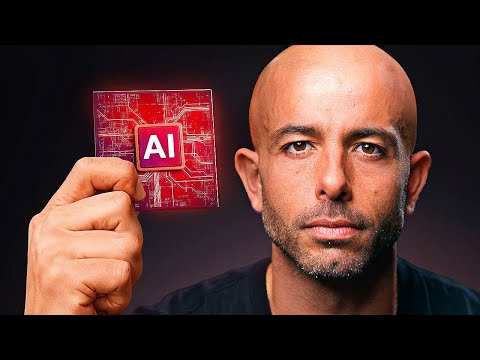
Raj Shamani


AI Summary
Re-Examining Politics After 2016 and the "Epstein World" Thesis
Educated at Yale and now 50 years old, commentator and educator Jiang Xueqin ("Professor Jiang") explains that his shift toward geopolitical analysis and forecasting began around the 2016 U.S. presidential election, which challenged assumptions he had absorbed in elite schooling that rational expertise and conventional meritocracy always prevail. In Jiang's view, public frustration grew out of perceived elite insularity and perceived betrayal after the 2008 financial crisis—when major banks and figures like Larry Summers and Tim Geithner were tied to bailouts and bonuses while ordinary homeowners suffered—creating space for Donald Trump's populist appeal in 2016 (including carrying battleground states like Wisconsin, Pennsylvania, and Michigan), alongside online movements like QAnon and debates around elite influence.
Turning to what he calls "Epstein world," Jiang points to unanswered questions and connections surrounding Jeffrey Epstein—such as his early teaching role at the Dalton School (where headmaster Donald Barr had ties to intelligence circles), his moves in finance and alongside figures like Douglas Leese, his association with Les Wexner (including power of attorney), invitations or access around prominent figures and institutions (such as the Trilateral Commission or high-profile wealthy individuals), and claims or correspondence referencing banking families like the Rothschilds—as a lens into how money, networks, and influence intersect.
Occultism, Financiers, and Messianic Narratives
Presenting a broad, explicitly speculative and interpretive framework (which he notes goes beyond established proof and invites scrutiny), Jiang argues that subsets of occult/eschatological thinkers, financiers, and political actors can align—not necessarily as a single omnipotent cabal controlling every detail, but as networks seeking to accelerate historical shifts or position themselves around perceived turning points.
As a historical case study within this narrative, Jiang traces mystical and messianic currents in Jewish history—referencing Kabbalah concepts (such as Adam Kadmon, the "breaking of the vessels," and tikkun / "repairing the world"), the 1492 expulsion from Spain and conversos, 1666 figure Sabbatai Zevi and the Dönmeh, and 18th-century figure Jacob Frank ("redemption by sin" and breaking taboos)—and links them in his interpretation to Menachem Mendel Schneerson ("Rebbe Schneerson") and Chabad-Lubavitch, pointing to figures and events such as Louis Brandeis and wartime rescue efforts around 1939, Chabad's growth in Brooklyn and ties in the post-Soviet/Russian sphere, Benjamin Netanyahu, Javier Milei's visit to Schneerson's grave, and Jared Kushner's marriage into the Trump family, while also pairing religious/eschatological visions with tech/network-state or technocratic ideas associated with figures like Peter Thiel and Elon Musk.
U.S. Grand Strategy, Eurasian Conflicts, and Global Power
Jiang argues that the United States' global strength rests on geography (two wide oceans and dominant naval/air reach), resource self-sufficiency across the Western Hemisphere (making blockades of the U.S. impractical while allowing the U.S. to exert maritime leverage), and a heavily armed, individualistic population—making a direct conventional defeat of the U.S. homeland nearly impossible, even as narratives around rivals like China help sustain defense spending.
Reading the National Defense Strategy through his own lens, Jiang outlines three pillars of current U.S. strategy:
-
Western Hemisphere Dominance: Reasserting Monroe Doctrine / "Donroe Doctrine" primacy in the Americas—pushing back against rival trade, ports, or resource access (such as lithium, agriculture, or energy in Latin America) and applying pressure, sanctions, or intervention across the region (citing actions or threats involving Venezuela, Cuba, Greenland, Canada, Mexico, and Colombia).
-
Maritime Choke Points: Controlling key sea lanes—such as the Strait of Malacca, Strait of Hormuz, Strait of Gibraltar, Cape of Good Hope, and Arctic routes—to shape global trade and dollar-linked financing.
-
Eurasian Friction: Keeping major Eurasian powers from uniting into an integrated bloc that bypasses U.S. leverage by fanning tensions across Europe/Russia, the Middle East (Iran/Israel), and East Asia (including encouraging security alignments around Japan, India, the Philippines, and Australia to contain China), while driving demand for U.S. arms, energy/LNG, and dollar financing.
Alliances, the "Resource Trap," and Nuclear Risk
Even as China and Russia appear aligned, Jiang views their partnership as more fragile than commonly assumed over the long run—pointing to border proximity, historical rivalry, and commercial friction (such as energy/pipeline negotiations like Power of Siberia) once current leaders eventually pass from the scene—and argues that an empire under strain tends to "cannibalize" allies and vassals (citing European energy/trade shifts and tariffs or tech/semiconductor pressures).
Conversely, Jiang points to the "resource trap," arguing that countries overly reliant on natural wealth (such as oil or commodities) can suffer from complacency, weak human-capital investment, or internal division—contrasting resource-rich states like Saudi Arabia or Nigeria with countries that had to build strong human capital and cohesion, such as Japan, South Korea, or Singapore. On nuclear weapons, he views actual use as unlikely overall due to deterrence and taboo, though if a crisis ever crossed that line, he flags South Asia (India and Pakistan, particularly concerns around Pakistan's stability) as a higher-risk flashpoint.
Civilizational Clash, Predictions, and Personal Cost
In a geopolitical "chess vs. Go" comparison, Jiang describes Russia, Israel, and Iran as driven by distinct historical or eschatological worldviews, while China plays a long-game "Go" strategy of encirclement, trade, and avoiding overcommitment abroad to preserve domestic stability, and India—which he views as rising through its global diaspora and intellectual/professional reach rather than a single centralized manufacturing model like China's—leverages talent and strategic alignment. He also highlights Japan (pointing to past rebounds after the Mongol invasions, the Meiji Restoration, and post-WWII devastation alongside extreme demographic aging) and northern Europe / Germany (historical scientific/industrial depth and security pressure from Russia) as key players looking ahead toward the mid-2030s.
Jiang lays out three stark predictions to test his thesis—while stating he hopes they do not come to pass:
-
A Third Trump Term: Using constitutional/political loopholes or emergency powers rather than a straightforward conventional third term, which he warns could spark severe domestic unrest or urban conflict.
-
A U.S. Ground Invasion of Iran: Which he argues would escalate regional war, strain U.S. forces (potentially raising draft pressures), and weaken U.S. dominance.
-
Destruction of Al-Aqsa Mosque: Tied to Third Temple / messianic narratives in his framework, which he warns would trigger massive regional and global upheaval.
Drawing on Isaac Asimov's Foundation concept of psychohistory—modeling broad macro-historical patterns and dominoes—Jiang warns of imperial overstretch, domestic polarization, and a cascading 50-year period of global chaos or systemic collapse (comparing interconnectedness to the ancient Bronze Age collapse around 1000 BCE), and advises individuals to educate themselves, verify claims independently, clarify what matters most (family and community over mere money), and build resilient local ties. Finally, sharing the personal cost of his own path—immigrating to Toronto as a child, working hard through school and Yale as an outsider, moving to China where he has lived under authoritarian rule, and teaching since 1999—Jiang says that despite hardship and bitterness, living outside a narrow academic bubble gave him raw insight into human nature and power.
Full Transcript
00:00explain how the power of the world
00:02works.
00:02>> of conspiracy theorists believe that the
00:05world is controlled by secret societies.
00:07Let me get the whiteboard and show you
00:09how I think the world works. Every
00:10society has been obsessed with the
00:11occult, trying to figure out the secrets
00:15of the universe. So now we have this
00:18powerful alliance between financiers who
00:21are looking for the secrets of the
00:22universe in order to conquer the
00:23material world, and these people come
00:24together and form secret societies.
00:27>> Professor Ji Young, one of the biggest
00:28geopolitical analyst, he predicted the
00:31most dangerous conflicts happening in
00:33the world right now before anyone else.
00:35And in this episode, he makes major
00:38predictions about what's coming next.
00:39>> So I'm going to tell you right now what
00:41America plans to do in order to maintain
00:43its empire. All this, by the way, is
00:46outlined in document called the National
00:49Defense Strategy. There are three major
00:52pillars. First pillar, no foreign power
00:56is allowed to interfere in the Western
00:57Hemisphere. Pillar two, you control the
01:00world's maritime [music] choke points.
01:02Pillar number three is great conflict in
01:05Eurasia. And when these conflicts
01:07happen, every nation of the world is now
01:09dependent on the Western Hemisphere for
01:11three things: armaments,
01:12>> [music]
01:12>> resources, and financing. And what the
01:15United States is saying is we are now
01:17the mafia.
01:18I'm going to make certain predictions
01:20about the future. My first major
01:22prediction is Trump will get a third
01:25term. My second prediction is the United
01:26States ground invasion of Iran. And my
01:28third prediction is this.
01:31>> You have a class which says Epstein
01:33world. What is it about?
01:34>> 1991, an Ohio billionaire, owner of
01:37Victoria's Secret, named Les Wexner, he
01:40signed over the power of attorney to
01:42[music] Jeffrey Epstein. Power of
01:44attorney gives the person the power of
01:46life and death over you, and that's very
01:48scary. David Rockefeller, the chairman
01:50of Chase Manhattan Bank, invited Jeffrey
01:52Epstein to join the Trilateral
01:54Commission at age 30. Why would David
01:56Rockefeller invite this 30-year-old? It
01:58was not that Epstein trying to become
02:01their friend. It was they were trying to
02:03become his friend. So, these are
02:05billionaires begging Epstein for money.
02:08[music] The big question for us is who
02:11is this guy?
02:17>> I have a small favor to ask you. I need
02:20you to subscribe to our channel. The
02:22more subscribers we have, the better and
02:24bigger guests we can bring and provide
02:26you more value through these
02:28conversations. And also, the full audio
02:31experience of the show is available on
02:33Spotify, where you can follow us and
02:35stream and listen to all your episodes.
02:38When you're trying to do your best work,
02:40you need a laptop that allows you to
02:42focus without interrupting your flow.
02:45That's why I use the ASUS ExpertBook
02:47Ultra. It comes up to an Intel Core
02:50Ultra X 9 Series 3 processor that
02:52delivers 50 W TDP performance, so
02:55nothing ever slows you down.
02:57It's also an AI PC and can run AI models
03:00directly on the laptop with up to 180
03:03total platform tops and built-in Copilot
03:05+ AI, giving you ultra-powerful AI
03:08capability. And because its CPU,
03:11high-performance GPU, and NPU all work
03:14together, you get ultra-fast
03:16performance. It is a laptop built to
03:19keep up with your thinking. The ASUS
03:21ExpertBook series is available on
03:23Flipkart. Check the link in the
03:25description below.
03:30>> What got you into geopolitics and the
03:32game of prediction?
03:33>> In politics was the election of Donald
03:36Trump in 2016 because for me
03:40that was a very traumatic event.
03:42>> Why?
03:43>> Well, because it didn't make any sense
03:44to me. You know, I went to Yale. I did
03:46one school.
03:48You were taught that everyone's
03:49reasonable.
03:51The world is logical.
03:53The best and the brightest reach the
03:55very top.
03:56So, how could Donald Trump win?
03:58So, that forced me to
04:00re-examine my worldview.
04:03And um we construct a new local
04:06understanding.
04:08>> And why do you think he won?
04:09>> I think he won because
04:12the elite
04:14screwed up.
04:15I I think he won because the elite
04:18became incestuous.
04:21They became insular, they became
04:23arrogant.
04:24They became self-righteous, they become
04:27they became corrupt and incompetent.
04:30And people were sick of it. I mean, he
04:32won. I'll I'll I'll tell you the exact
04:33exactly reason why he won because in
04:352008, Obama
04:38promised hope and change.
04:40And this was a time when
04:43Wall Street
04:45bankrupted the American economy
04:47and they were plainly corrupt. They
04:50should all go to jail.
04:52And
04:54Obama promised hope and change.
04:58And there was just a tremendous
05:02optimism in the air
05:05and he won by landslide.
05:07>> Yeah.
05:07>> And he comes into office
05:10and he appoints Larry Summers,
05:14Tim Geithner,
05:16these people who caused
05:18the Wall Street collapse in the first
05:21place.
05:22And they bail out their best friends,
05:24Goldman Sachs,
05:25these bankers.
05:27So, these guys, these bankers on Wall
05:30Street, they bankrupted the American
05:32economy, they almost caused the global
05:34economy to collapse,
05:36and they got bailed out by the US
05:38government, and they gave themselves
05:40huge bonuses at the end of the year.
05:43And meanwhile, millions of average
05:46American homeowners
05:48lost their homes.
05:50People don't remember this. They
05:52remember Obama
05:54as the first African-American president,
05:57but during his tenure,
06:01we saw the greatest destruction of
06:04wealth among African-Americans.
06:09They worked
06:10decades, centuries to build up all this
06:12wealth, in a matter of years, a lot of
06:14them lost it all. And this This is
06:16during the first
06:19African African-American president, who
06:21also won a Nobel Peace Prize for being
06:24the first African-American president.
06:27So, there was a lot of anger. There It
06:31was a sense of betrayal.
06:33In 2016,
06:35Donald Trump
06:37said that he would clean house, that he
06:41would clean a swamp, he would build a
06:43wall,
06:44and he would stop the Chinese
06:48uh from taking advantage
06:50of
06:51the Americans. And it was a message that
06:54resonated with a lot of people. It
06:56didn't resonate with me, because I
06:57thought this guy was a clown. It
06:59probably didn't resonate with you, but
07:01it resonated with a lot of people.
07:04And I remember in 2016, I didn't pay
07:06much attention, because I was told that
07:09it was mathematically impossible for
07:12Donald Trump to win. Why? Because
07:14Democrats had three states:
07:16Wisconsin, Pennsylvania, and Michigan.
07:20And they were pro-worker. Obama won them
07:23by landslide in 2008
07:26and 2012.
07:29And as long as they stayed loyal to the
07:31Democrats,
07:32Trump had no chance. So, I didn't pay
07:34much attention.
07:35And Trump on election night won all
07:38three.
07:38>> Yeah.
07:39>> And
07:41um
07:43no one bothered ask them, like, why did
07:45you vote for Trump?
07:47And all that happened was the elite
07:49said, "Well,
07:51they voted for Trump because they were
07:52racist."
07:53And no one bothered point out that, "No,
07:55no, no, no. These people in Wisconsin,
07:59Pennsylvania, and Michigan voted for
08:01Obama twice.
08:03And then they voted for Donald Trump.
08:05Why did that happen?"
08:06And it happened because
08:08the people
08:10felt betrayed by the elite.
08:13And
08:14um
08:15>> But don't you think then actually
08:17voting Donald Trump
08:19just is like voting another elite
08:21because he was
08:22he he's literally a billionaire running
08:25for the office. And
08:28a normal average middle-class person
08:31hates all these elites
08:33hates all of these people who are these
08:35crony crony capitalists, who are the
08:37people with big money, billionaires,
08:39because they all got saved and they got
08:40big fat bonuses, right? So, that was the
08:42anger. Why would they then choose
08:45another guy who's exactly like them in a
08:47different suit?
08:48>> Right. So, it's interesting because we
08:51look at Donald Trump today
08:53>> Mhm.
08:53>> and we think that he's just one of the
08:57elite. He's no different. And his
09:00policies
09:01are really no different from that of
09:03another Republican, right? Why did he
09:05start this war in Iran? Why is he so so
09:07supportive of Israel? He seems like
09:09another elite. But in 2016, he was
09:12revolutionary because
09:14he talked not like you and me,
09:18but like the average American.
09:21>> Yeah.
09:21>> He used simple words
09:24to describe
09:26deep emotions
09:27that captured the imagination of the
09:30American people. In 2016, people don't
09:33remember this, but in 2016,
09:35the what
09:37people would go to Trump's rallies and
09:40they felt energized. They felt a
09:42tremendous sense of hope.
09:44And they were optimistic. They would go,
09:47it was like a big pizza party. It was
09:49just a lot of fun. And Donald Trump was
09:53funny.
09:54He was very He felt very human.
09:59He didn't speak in perfect paragraphs.
10:02>> Yeah.
10:02>> He didn't have a Brahmin accent like
10:06John Kerry.
10:07He felt like just the average American.
10:12And
10:13I just And also,
10:15um
10:16people don't remember, but
10:19Obama humiliated Donald Trump, um in I
10:23believe it was 2011. I can't I can't
10:25remember, but but maybe 20 2011, there
10:28was the White House Correspondents
10:30Dinner.
10:31And Barack Obama was speaking, and he
10:34made fun of Donald Trump.
10:36And Donald Trump was in the audience,
10:38and everyone was just laughing at Donald
10:39Trump.
10:40And Obama was angry at uh Donald Trump
10:43because um Donald Trump led a campaign
10:47and accused Obama of being born in
10:49Kenya. And so therefore, he cannot
10:51qualify to be president of the United
10:53States. And obviously, if you're Obama,
10:54you're angry about this. And he took the
10:56opportunity,
10:58um
10:58the White House Correspondents Dinner,
11:00to just make fun of Donald Trump.
11:02And Donald Trump never went back to the
11:04White House Correspondents Dinner again
11:05after that. Uh he did go this year, but
11:08before he he refused to go. And so, the
11:11people can feel this animosity of the
11:13elite towards Donald Trump.
11:15Also, during the election,
11:17um the entire news media
11:21was ganging up on Donald Trump. There
11:23was that Billy Bush, um
11:25scandal where Trump basically, in a
11:28private interview, said to Billy Bush,
11:30"Grab them by the pussy." Right? And
11:33like before, in American politics, if
11:35you said something so crass and vulgar,
11:37you were done.
11:38>> Done. Yeah.
11:39>> Yeah, you were forced to resign. He
11:40didn't do so. So, the people saw a
11:43fighter.
11:44He's People People saw someone like
11:46them, who talked like them, who thought
11:48like them,
11:49who felt like them.
11:51They also saw someone who was persecuted
11:53by the elite.
11:54They saw someone who was a fighter,
11:56who would not give up.
11:58And so, many have come to believe that
12:01he is the best hope for America. He's
12:03the Messiah. He's come to make America
12:05great again.
12:06>> True. Do people still believe that?
12:09>> [laughter]
12:09>> Unfortunately, you have millions of
12:11people who still believe that.
12:14Um MAGA has become a cult.
12:18And so what's interesting is that during
12:23the presidency of Donald Trump, a new
12:25movement came into into being called the
12:27Q-Anon
12:29movement.
12:30And we now we now know today because of
12:32the Epstein files that it was actually
12:33orchestrated by Jeffrey Epstein and
12:36Steve Bannon. Okay? But what's the
12:37essence of the Q-Anon
12:41conspiracy? The idea is that first of
12:44all, Washington D.C. is run by
12:47pedophiles.
12:49It's run by these deep state sexual
12:52degenerates.
12:54And they control the entire deep state
12:57apparatus.
12:59They also believe that Donald Trump is a
13:01chosen one, the Messiah who's going to
13:03come in and clean house and make America
13:07great again.
13:08But to do so, he has to play
13:10five-dimensional
13:12chess.
13:13He has to pretend to work with them so
13:16that he can eventually betray them
13:19and have the second American Revolution.
13:22And that's the Q-Anon conspiracy. And so
13:25what that did, and what's very clever is
13:28it makes everyone question
13:31whether or not Donald Trump is playing
13:34five-dimensional chess.
13:36Right? [clears throat]
13:36>> Yeah.
13:37>> So it's clear to most people that Donald
13:42Trump, by invading Iran,
13:44by supporting Israel, he's been co-opted
13:46by the deep state.
13:48And he is now a servant of the Zionist
13:51forces. It's pretty clear to people. But
13:54if you are
13:55but if you were deep in the Q-Anon
13:57conspiracy, if you're part of MAGA,
14:01in your head you think, "No, this is
14:04five-dimensional chess. He's just
14:07fooling everyone. And at the right time,
14:11at the right moment, he will show his
14:14true colors and we will
14:17all come together to overthrow the deep
14:20state
14:21um battle file network.
14:24>> Do you believe so?
14:25>> So what I do is I try to study
14:28historical patterns.
14:29>> Mhm.
14:30>> And if you look at all these great
14:33individuals that have changed the course
14:35of human history, whether they're Julius
14:37Caesar,
14:38Alexander the Great, Joseph Stalin, uh
14:40Adolf Hitler, Napoleon,
14:43um
14:45they all came into power
14:49or they were elevated into power
14:51because of elite forces.
14:55So let's use example of Adolf Hitler.
14:59Most people don't know this, but we have
15:01a lot of documentation that suggests
15:03that
15:04he was at the beginning of his career a
15:07spy for the German army.
15:10Okay?
15:11The Weimar.
15:12And the Weimar embedded Adolf Hitler
15:16into a new fringe political party called
15:19the National Socialists, the Nazis.
15:22And at this time in Germany, the 1920s,
15:25there was a whole range of radical
15:28um revolutionary groups that the Weimar
15:32wanted to keep an eye on, but also
15:34wanted to co-opt because the Weimar, the
15:37German military elite, they wanted
15:39vengeance for World War I. They thought
15:41World War I was humiliating
15:43um and they wanted to
15:46um change the status quo
15:47and avenge Germany's uh humiliation in
15:51uh World War I. So they were embedding
15:53all these spies into these fringe
15:56political groups in order to influence
15:58domestic politics in Germany.
16:00And [snorts] Adolf Hitler was a military
16:02spy.
16:03And because he was receiving money from
16:06the military,
16:07he eventually became the leader of the
16:09Nazis because the Nazis were just a very
16:12small fringe group with um no real
16:16uh financing.
16:18And um eventually because of his
16:21personal charisma,
16:23because of his
16:26passion and belief
16:29he started to accumulate
16:31more and more power.
16:33And there were three four groups that
16:35that supported his rise. They were the
16:37Catholic Church,
16:39the landowners,
16:41the industrialists, and the German
16:43military.
16:44And these four groups supported him
16:47because they were afraid of the
16:49communists.
16:50The communists were going to take over
16:52Germany
16:53democratically and the
16:57right-wing elite the oligarchs had to
17:00provide an alternative to the
17:02communists.
17:03And these were the national socialists,
17:04right? The communists were international
17:06international socialists.
17:08The Nazis were national socialists.
17:11And
17:12so that's what propelled Hitler into
17:15power. Once Hitler was in in power, he
17:17started to
17:19um
17:21divide and conquer the elite.
17:23And the Nazi party started to infiltrate
17:25these groups
17:27and become the government itself. We're
17:30seeing a very similar process in America
17:32where
17:33the elite designers elite think that
17:36Donald Trump is a useful pawn
17:39in
17:40regime change in the Middle East, in
17:43changing the map of the Middle East to
17:44benefit America.
17:46But if you see what Donald Trump is
17:47doing
17:49domestically, project 2025 they call it,
17:52it's very similar to what Hitler did,
17:54which is Hitler create this these
17:56parallel organizations
17:58that eventually came to replace the
18:01government bureaucracy. So you look at
18:03in America ICE.
18:06Right? That's almost like a like
18:08um hit Trump's personal Gestapo.
18:12Um SS.
18:14Um and
18:17um so
18:19the real fear is that the longer Trump
18:22stays in power,
18:24um the more Trump will bend the
18:26government to his will. In the same way
18:29that Hitler
18:30uh warped the German bureaucracy to
18:33his will.
18:34>> [snorts]
18:34>> And so, the big question for the world
18:36is, will Trump get a third term?
18:40And he does get a third term, then he's
18:43going then he's going going to be able
18:44to carry out his vision of
18:47revolutionizing the American bureaucracy
18:50and expanding the American empire.
18:54>> I have too many threads to talk about on
18:55this. Third term is interesting. We'll
18:58talk about this and come back later.
19:00But first we go
19:03you're talking about
19:05Epstein and
19:08the DC world and everything, right? And
19:10you have
19:11you have a class which says Epstein
19:13world.
19:14>> Yes.
19:14>> Where you explain how the power of the
19:17world works.
19:17>> Yes.
19:18>> What is it about? What do you What are
19:19you trying to say in that?
19:20>> So,
19:21this Epstein case is really puzzling and
19:26there are certain mysteries involved.
19:30The first mystery is, how this guy rise
19:35from nowhere to the very top of
19:40the world.
19:41>> Yeah.
19:41>> Right? So, we we know he started at the
19:43Dalton School and um
19:46Donald Barr, who is William Barr's
19:49father, um so, this is a CIA family.
19:51>> Mhm.
19:52>> Donald Barr was headmaster of Dalton and
19:55hired Jeff Epstein to be a math teacher.
19:58And then uh Jeff Epstein was there for a
20:00few years and then he went to Bear
20:02Stearns to work in finance to learn the
20:06financial world. And after Bear Stearns,
20:08he went to work for a man named Douglas
20:10Leese, l e e s e, who is a British arms
20:14trafficker involved with Iran-Contra.
20:17Okay? And then
20:19>> [clears throat]
20:20>> during this during this time, um David
20:23Rockefeller, the chairman of Chase
20:24Manhattan Bank,
20:26invited Jeffrey Epstein to join the
20:29Trilateral Commission at age 30.
20:32And Jeffrey Epstein tells Steve Bannon
20:34in a media interview, "It's because I'm
20:36a math wizard. Like, I'm good at math,
20:39and that's why they wanted me on the
20:41board." Clearly nonsense, okay? But it's
20:43like, why would David Rockefeller invite
20:45this
20:45>> Yeah.
20:46>> 30-year-old
20:47to join the Trilateral Commission?
20:49>> Exactly. He could have anyone from the
20:50world, but why him?
20:52>> Exactly.
20:53The big mystery is, in the year 1991,
20:56>> [snorts]
20:57>> um, an Ohio billionaire, owner of
20:59Victoria's Secret, named, um, Les
21:02Wexner, Wexner,
21:05he signed over the power of attorney
21:08to Jeffrey Epstein. Okay, well, most
21:11most people would say no one,
21:13>> [laughter]
21:13>> because the power of attorney gives the
21:15the person the power of life and life
21:17and death over you. And that's very
21:19scary, right? So, uh, we we don't know
21:22the actual relationship between
21:24uh, Wexner and Epstein,
21:26but it couldn't have been that close,
21:27right? They didn't really know that that
21:29each other well. So, why would Wexner
21:32sign over the power of attorney, again,
21:34which is the power of life and death
21:35over you,
21:36>> Yeah.
21:36>> to Epstein? It's a huge mystery
21:40for, um, us.
21:42And then, if you read the Epstein files,
21:45there all these code words in there that
21:47no one can decipher.
21:49So, for example,
21:51um,
21:52he and his friends, who are
21:54billionaires, by the way, they love
21:56pizza and grape soda.
22:01I [laughter] I
22:01I don't know anyone who loves pizza and
22:03grape soda.
22:05But like, that's that's like their
22:06favorite food, pizza and grape soda.
22:08>> Okay.
22:09>> Um, they also like to send their kids to
22:12the dentist once a month.
22:14Like, why would you do that? Why would
22:16you send your child to the dentist
22:17>> Every month?
22:18>> Every month, right? And so,
22:21the the Epstein files are very
22:22confusing, and there seems to be a lot
22:24of cold words
22:26um, in there.
22:27But a bigger mystery is this.
22:30Uh where
22:32people like Bill Gates, Bill Clinton,
22:34and Elon Musk,
22:35they were
22:38trying to become Epstein's friend,
22:40right? So, it wasn't it was not that
22:42Epstein was trying to become their
22:44friend, it was they were trying to
22:46become his friend.
22:48And so, Reid Hoffman and Bill Gates,
22:51both billionaires, were asked,
22:54"Why do you associate with this guy?"
22:56And both said, "Well, because we wanted
22:57his money for our charities."
23:01So, these are billionaires begging
23:03Epstein for money.
23:06Okay?
23:07And then Epstein would also say
23:10to people like Peter Thiel,
23:12"I represent the Rothschilds."
23:14He would also write an email to the
23:16Rothschilds and says that, you know,
23:17there are three families
23:19that
23:22are were powerful in European banking.
23:25They were the Rothschilds, the Epsteins,
23:28and the Gutmanns. So, he's saying that
23:30he comes from a pedigree that's similar
23:32to the Rothschilds.
23:34So, the big question for us is,
23:37who is this guy?
23:40>> Exactly.
23:40>> Okay?
23:41>> Who is this
23:42>> Who is this guy? Okay? So,
23:45um
23:47I'm going to now explain my theory to
23:50you.
23:50>> Okay.
23:51>> And
23:53it's a weird theory, so feel free to
23:55interrupt or challenge me, okay?
23:58>> Mhm.
23:58>> All right. But,
23:59let me get the whiteboard and show you
24:01how I think the world works.
24:02Okay? So,
24:05a lot of conspiracy theorists believe
24:07that the world is controlled by secret
24:10societies.
24:11And they are able to pass their ideas
24:16from one generation to the next. And
24:18they've been conspiring for 100 year
24:20hundreds of years in order to achieve
24:22their plans.
24:24I don't think it's that simple, okay?
24:26So, I've an alternative theory.
24:28And so, I'm going to present it to you.
24:30Okay? All right. So, the first I'm going
24:32to do is I'm going to present to you the
24:34general theory.
24:35>> Okay.
24:35>> And then I'll give you the concrete
24:37example, the concrete
24:39um case study in order to validate this
24:42theory.
24:43Okay.
24:44>> So, for all of human history, every
24:47society has been obsessed with the
24:49occult. Okay? The occult. Especially
24:51India, right?
24:52>> Mhm.
24:52>> What is the occult? Occult is trying to
24:55figure out the secrets of the universe,
24:59right? The Vedas.
25:00Um and and in the occult, you'll have
25:03astrology.
25:05You have alchemy.
25:08Um you have sacred geometry.
25:12Um you have
25:14um
25:15reincarnation.
25:18Uh demonic possession.
25:20So, these are all uh
25:22things that the occult is obsessed with.
25:24Okay? There's certain occultists who are
25:26obsessed with the idea of eschatology.
25:29Eschatology
25:31is the understanding of how the world
25:34may end.
25:35>> Okay.
25:36>> And
25:37um eschatology is important because it
25:40it answers the fun- the three
25:42fundamental questions
25:44uh for humans, which is where did we
25:46come from?
25:47Why are we here? And where are we going?
25:50And so, eschatology, if you know what
25:52God's plan is, right? If you know what
25:54God's plan is, then you know
25:57that you're here to achieve God's plan.
26:00>> Mhm.
26:01>> And so, people who believe in
26:02eschatology, they tend to be more
26:05energetic.
26:06They tend to be tend to be more
26:07fanatical and more determined than other
26:09people because they believe they are
26:13part of God's plan.
26:15And they see the finish line. So,
26:17they're working towards it, okay?
26:19>> Okay.
26:19>> Right? So, that's the occult.
26:20Right?
26:21>> Now,
26:23the occult is only concerned about the
26:26spiritual mystical
26:27uh realm, right? So, these Vedic priests
26:30only care about
26:32um what God's how God's mind works. You
26:35don't care about the material world.
26:37But you have individuals that only care
26:40about material world, and these are
26:41people who work in finance
26:43uh or business, okay?
26:45And if you are very successful
26:48in finance and business, you're a
26:50billionaire.
26:51Right? What are you concerned about?
26:53You're concerned about
26:56immortality.
26:57You're concerned about
27:00um living forever. You're concerned
27:02about how to maintain your wealth, how
27:04to take your wealth into the spiritual
27:06realm. So now you have to work with
27:08these occultists, right? So they say
27:11"Billionaires don't believe in
27:13astrology." But billionaires do.
27:16Right? I'm
27:18If I'm sure every billionaire has an
27:20astrologer.
27:21>> Yeah, or a numerologist.
27:23>> Exactly, right? Okay? So now we have
27:26this possible alliance between
27:29financiers who are looking for the
27:30secrets of the universe in order to
27:32conquer the material world, in order to
27:33conquer life and death. And these
27:35occultists who are interested in
27:37achieving God's plan. And again, I'm not
27:40saying every occultist, every financier
27:42is like this, but it's a subset of these
27:44people. And these people come together
27:46and form
27:47secret societies.
27:50>> [clears throat]
27:52>> Right? And these secret societies, it's
27:54a platform for these occultists to
27:57further their study and to
28:00promote their eschatology. And it's a
28:03platform for these financiers, these
28:05billionaires, to access the secrets of
28:07the universe. Okay, now the question
28:10then is how do they achieve their plan?
28:13And the answer is you have to
28:15uh call politics. Right? So you go into
28:18politics
28:19and you identify
28:21possible potential individuals
28:25that could help you promote your plan.
28:28And
28:30um I would argue people like Donald
28:31Trump
28:32uh and Vladimir Putin
28:35even J.D. Vance
28:37were individuals
28:40that were identified early on as
28:44potential
28:46um Messiah figures
28:49that could achieve their vision
28:51politically.
28:52Right?
28:54So, that is how I think generally
28:56speaking the world works. It it is this
28:58clear?
28:59>> Yeah. Yeah.
29:00>> Okay.
29:01>> It it it makes sense.
29:02>> Okay.
29:04So, now what what I'm going to do is I'm
29:06going to go into a specific example.
29:08>> Okay.
29:09>> All right? And then and then this
29:10specific example explain to us
29:13who Jeffrey Epstein was and where he
29:14came from.
29:15>> Exactly. Like that's what I meant
29:16because this is pretty general.
29:18>> Yes. Okay. All right. So, so we now we
29:20see the lines between the occultists,
29:22the financiers, and the politicians,
29:24right? Now, I'm I'm going to apply this
29:25and figure out where Jeffrey Epstein
29:27came from and what he's trying to do.
29:29Right?
29:30>> Okay. Before you go there, do you think
29:32this is absolutely true or this is just
29:34some
29:35some conspiracy theory which people like
29:38you and me and like 500 other people
29:40just have our own version because we
29:42don't understand how the world works
29:43fully.
29:44>> I think I think this is true
29:47because it explain it helps us explain
29:48too much.
29:50Um right?
29:52>> There's no chance that this can be
29:53purely made out of story.
29:55>> Okay. So, what again, we have the
29:57general theory and then I'm going to
29:58provide you this this specific example.
30:01>> Okay.
30:01>> And this specific example will tell us
30:04how true this is.
30:05>> Okay.
30:05>> Right? Because Because like what what
30:07I'm trying to do is I don't know these
30:09people. I'm not involved in in this
30:11world. I'm trying to connect the dots.
30:13I'm trying to I'm trying to answer the
30:14mysteries created by the Epstein files.
30:16Right? Now, we will look at a very
30:18specific example, okay? So, there's a
30:20man named Rebbe
30:22Schneerson.
30:24>> Okay.
30:24>> Okay? And he he's dead now.
30:28But for
30:30a long time, maybe over 50 years he was
30:33the main rabbi, the main leader of an
30:37organization called Chabad Lubavitch.
30:45And this is an organization organization
30:48um that is
30:51Hasidic Jews. Okay? So, Hasidic Jews
30:54um
30:55are these
30:56Jews who practice a mystical form
31:00of Judaism. Um so, very similar to Sufi
31:03Sufis in the Islamic world.
31:06And so, they're trying to figure out
31:09what the secret of the universe is. And
31:12they're trying to figure out what God's
31:13plan is. And for for them, the main
31:16source of wisdom would be the Kabbalah.
31:18So,
31:19um the Kabbalah, what is what it's doing
31:22is it's taking all these great mystical
31:26traditions.
31:27And they include uh Vedic philosophy.
31:30They include uh Hermeticism, which comes
31:33from Egypt. It includes Gnosticism. It
31:36includes Sufism.
31:38But all these great mystical
31:41uh traditions.
31:43And
31:45they're trying to apply these traditions
31:47in order to understand the stories of
31:48the Bible.
31:50>> Okay.
31:50>> Okay. So, the example is
31:53why did Adam and Eve have to eat that
31:56fruit?
31:57God gave them just exactly one order,
32:01right? Don't eat that fruit and you'll
32:04live in paradise forever.
32:07And they had to disobey God.
32:10And so, how the Kabbalists understand
32:13this is they try to
32:17um
32:17construct a cosmology to explain this.
32:21And the idea is this. The idea is that
32:23in the beginning God is everything.
32:26But when you are everything,
32:28you become very lonely.
32:30And you become
32:32um
32:32incomplete.
32:34So, in order to complete itself,
32:37God decided to create the universe and
32:41create a cosmic being named Adam Kadmon.
32:48And
32:49God as
32:51pure love, pure generosity, pure wisdom,
32:56it seeks to impart itself in other
32:59being.
33:00Right? So, God is the will
33:03to
33:05bestow with a gift.
33:07>> Mhm.
33:08>> That's what love is, right?
33:09>> Yeah.
33:09>> Giving.
33:10So, it created a being Adam Kadmon in
33:12order to receive. And Adam Kadmon
33:13becomes the will to receive.
33:19And so, God is trying to unify with Adam
33:24Kadmon in order for God to complete
33:27itself and know itself more.
33:30The problem though is that Adam Kadmon
33:32has the will will to receive.
33:35By definition, it is it has an ego.
33:37>> Mhm.
33:38>> And the ego looks at the world from a
33:40selfish lens.
33:41>> Yeah.
33:42>> So, Adam Kadmon does not appreciate
33:44God's generosity. That's what happened
33:46between um God and Adam Kadmon where God
33:49was trying to give him love. And Adam
33:52Adam Kadmon
33:54didn't appreciate God's generosity. So,
33:57Adam Kadmon ran away. That's why Adam
33:59and Eve disobeyed God because they did
34:01not appreciate understood God's
34:04intentions because they were so
34:05egotistical. Right? And [snorts] so,
34:08this is what's called the tree of life.
34:11Okay? Adam Kadmon is the tree of life.
34:14>> Okay.
34:15>> And the tree of life is
34:17um
34:18a representation of Adam Kadmon and God
34:21trying to fill Adam Kadmon with a divine
34:23spirit.
34:24And it's working pretty well, but then
34:26eventually um Adam Kadmon rejects God.
34:30And this is what's called the breaking
34:32the world. Okay? So, the world breaks.
34:35And the And so, the divine spark now is
34:37scattered throughout the world.
34:41And so, the purpose of the Jews,
34:46the purpose of everyone in this world is
34:50to repair the world.
34:52>> Mhm.
34:52>> And how do you repair the world? You
34:54bring all the sparks together.
34:57And then you abandon your ego and you
35:00welcome God in your heart. And when God
35:03comes into you and you welcome him with
35:06open arms, that is when the world is
35:09repaired and that is when the world
35:11ends. Okay? So, this is the major
35:13teaching of the the
35:15>> Kabbalah.
35:16>> Kabbalah.
35:17>> Or
35:17>> And
35:18um obviously, there are different
35:20interpretations
35:22of the Kabbalah. And we former Jews
35:25interpret this just to mean
35:28love thy neighbor. Right? Love thy
35:30neighbor. It's that simple. Social
35:32justice.
35:33We have to commit um ourselves to doing
35:35social good. When we do that, we repair
35:37the world and God can come and be with
35:39us. Okay, and that will end the world.
35:42Other Jews believe that um
35:47this requires them to spend all their
35:49lives
35:51reading and understanding the Torah
35:54to understand the mind of God. Okay?
35:57But
35:58then there are these extreme religious
36:01Jews and Rabbi Schneerson is part of
36:03them
36:04that interprets
36:06the Kabbalah literally.
36:10And they think in order to achieve the
36:13Kabbalah, you have to actually in this
36:16world follow God's plan
36:19and allow God to come to this world.
36:23And this plan, there are three major
36:25elements to this plan that is literal.
36:28The first is to bring the entire Jewish
36:32diaspora back to Jerusalem
36:35and have them all convert to Judaism.
36:38There are too many Jews
36:40that are secular. There are too many
36:42Jews who are following heresies. They
36:45all have to return to Jerusalem. Every
36:48single Jew
36:49because you have to repair the world and
36:51you have to follow the Torah
36:54to the letter. Okay, that's number one.
36:57Number two is Israel has to achieve the
37:00greater Israel project because that is
37:03what God promised Abraham
37:06in the Bible.
37:09And number three is
37:11the third temple has to be built because
37:13that is a house of God. When the Jews
37:16are ready to receive God and God comes
37:19to our world, he needs a place to live.
37:22The third temple is God's house.
37:24Once these three conditions are met, the
37:26world will end. The world will will be
37:28repaired.
37:29And so what he's saying is
37:32the Kabbalah is not
37:34just a religious idea. It is a political
37:37program that must be implemented.
37:41Okay?
37:43That's what Rabbi Schneerson believes.
37:45>> But he's no more.
37:46>> Okay. He's dead,
37:48but they believe in reincarnation. All
37:51right, so so so so now let let me
37:53explain to you
37:55um who he is and where he came from.
37:57Okay.
37:58So
37:59there are some funny things about Rabbi
38:00Schneerson. No one's ever heard of him.
38:02>> Okay. But before we actually go there,
38:03can you just in short brief, can you
38:06tell me what's the greater Israel plan?
38:08>> All right, okay. So
38:10these these religious Jews, they're
38:12trying to have God return
38:16I'm sorry.
38:17These Jews who are religious, uh
38:20these um
38:21>> [clears throat]
38:21>> extremists,
38:24they believe
38:26that the Bible
38:28is
38:29God's words.
38:31They literally come from the mind of
38:33God. And so everything in the Bible must
38:36be interpreted literally. We know it and
38:37that, but it must be implemented to the
38:40letter.
38:41Literally.
38:43And so um in Genesis,
38:47um, God promised Abraham a land for his
38:51for his descendants.
38:54And this land stretches from
38:57the Nile in Egypt
38:59to
39:00the Euphrates in Mesopotamia.
39:03It also includes parts of Anatolia.
39:07Okay? So, if you like look at a map of
39:09Greater Israel, it's the entire Middle
39:11East.
39:13And
39:15um, the there are many elements in
39:17Israel who believe it is their destiny
39:19to achieve the Greater Israel project.
39:21And that's why,
39:24um, Israel is so aggressive. That's why
39:26they are attacking Lebanon right now.
39:29That's why they they're fighting Turkey.
39:31That's why they're fighting Egypt.
39:33That's why,
39:35um, the Zionists want Trump to destroy
39:38Iran. Because it's all part of this
39:39Greater Israel project. And again, for
39:42these religious Jews, they believe it is
39:45their duty to God to achieve
39:48um, God's promise to Abraham.
39:51Got it. And that's the Greater Israel
39:53project.
39:54Okay.
39:56So, now let's talk about Rabbi
39:56Schneerson.
39:58Okay. So, Rabbi Schneerson,
40:00um, is really interesting because
40:02there's not much we know about him,
40:04but there's certain things in politics
40:08that we've seen in politics that
40:11make us question who he is. So, the
40:13first thing I'll say is that
40:16Javier Javier Milei,
40:18who is, uh, the president of Argentina,
40:21when he became president,
40:23the first foreign visit
40:27he made was to the grave of Rabbi
40:31Schneerson in Brooklyn.
40:34Who does that? He Rabbi uh
40:36Javier Milei, who is not Jewish,
40:40he's not part of the Chabad-Lubavitch
40:41movement,
40:42and only about 1% of Argentinians are
40:45actually Jewish. So, the the Jews are
40:47not a huge presence in Argentina.
40:49They're a huge presence in Brooklyn, but
40:50not in Argentina. So, first question is,
40:53why would a head of state have that
40:56melee
40:57on his first foreign visit, go pay his
41:01back respects to the grave of Rebbe
41:03Schneerson? Okay, that's number one,
41:05okay? Number two is
41:07there's a video on YouTube
41:10where
41:11um and this is like the maybe the early
41:13'90s and this is before Benjamin
41:14Netanyahu
41:16um becomes Prime Minister of Israel.
41:21He goes and pays his his respect to
41:23Rebbe Schneerson and he's basically
41:25asking for
41:27the Rebbe's patronage.
41:29He's saying to the Rebbe
41:31um
41:33I wish you to bless me
41:36both
41:37professionally and personally. And Rebbe
41:39Schneerson says to him, "When is the
41:43Messiah coming?"
41:45And Netanyahu is like, "Soon." And
41:49Schneerson is like,
41:50"We need to
41:52we need to hurry it up."
41:54This is a video. You can do it right
41:56now. You can go on YouTube and look for
41:58this, Schneerson-Netanyahu.
42:00You can watch the video now.
42:02>> And where was this, in America?
42:05>> It was in Brooklyn, yes. He never leaves
42:07Brooklyn. Everyone has to go visit him
42:08in Brooklyn.
42:09So so so so so so if you want you
42:12>> So when he was alive, this is what
42:13happened.
42:13>> That's right. This is like the early
42:15'90s. So that's number two, like
42:17why would Benjamin Netanyahu need his
42:19blessing? And why is Schneerson is like,
42:21"You have to bring back the Messiah. You
42:22sorry, you have to accelerate the coming
42:25of the Messiah." Okay? That's number
42:27two.
42:28Number three is
42:30Jared Kushner, his family is very close
42:34to Rebbe Schneerson.
42:36And
42:37we know Jared Kushner married Ivanka
42:39Trump. This this is after Schneerson is
42:42dead.
42:43But this really strange coincidence
42:45where uh Chabad-Lubavitch, it is this
42:47Messianic religious movement that is
42:50global in scope
42:52and they got one of their members, Jared
42:55Kushner, to marry the daughter of the
42:58future president of the United States.
43:00What a strange coincidence that is?
43:03Right? So, these three things make us
43:05wonder, right? Number one, what would
43:07have the male A
43:08president of Argentina
43:10first state visit go he pays his
43:12respects
43:13to the grave of Schneerson. Number two
43:15is Schneerson tells basically orders
43:17Netanyahu
43:18hurry up the coming of Messiah.
43:21And number three is
43:23Jared Kushner, who is a member of Chabad
43:25Lubavitch
43:26marries
43:28um the daughter of the future president
43:30of the United States, Donald Trump.
43:33Okay?
43:34So,
43:35again, these are mysteries and we're
43:36trying to connect the dots, okay? So,
43:38now
43:39um
43:41um I I want to go into some background
43:43of Rabbi Schneerson.
43:45So, Rabbi Schneerson, he was actually
43:47born in the United States. Uh he was
43:49born in um Marne, Ukraine.
43:54And Chabad Lubavitch was actually
43:56founded in 1850s
43:58uh or the late um
44:02uh 19th century
44:03in uh the Belarus area in Eastern
44:07Europe.
44:08And
44:09um
44:10they spread
44:12uh over time.
44:14And
44:16um during Soviet Russia and during the
44:19Nazi regime
44:21Chabad Lubavitch was under tremendous
44:24threat.
44:26Um a lot of um Soviets thought that
44:29Chabad Lubavitch was a dangerous
44:32um political movement because they were
44:34Messianic. They believed that the
44:36Messiah uh would come to bring them back
44:38to Jerusalem.
44:40So, there's a very really interesting
44:43story associated with Chabad Lubavitch.
44:46Okay? So, um this is about the year
44:481939. So, let let let let me tell you
44:51the story, 1939.
44:52And the Nazis
44:54are about to
44:57take over
44:58Poland.
44:59Um they've invaded Poland and in Warsaw
45:03is where
45:05Rabbi Schneerson's
45:07um predecessor, the former head of the
45:10about Lubavitch movement, was located.
45:12And he was an an elderly Jew.
45:16And so what happened was
45:19international
45:21uh coalition came into being to rescue
45:23the Rebbe and bring him to America.
45:26The problem is, first of all, you have
45:29the Nazis
45:31all around Warsaw. Second of all, um you
45:35need a lot of paperwork to get him to
45:37America. And third of all,
45:40for the Rebbe to go to America, he would
45:43have to cross through a lot of enemy
45:45territory, okay?
45:47So, the person
45:49who took upon himself
45:51to get the Rebbe, not Rabbi Schneerson,
45:53but the predecessor,
45:55to America, his name is Louis Brandeis.
45:58>> Okay.
45:59>> Okay.
46:00Why is he important?
46:01Louis Brandeis
46:04is
46:06the first
46:08Jewish member of the US Supreme Court.
46:13He's a really powerful individual.
46:16Probably the most powerful Jew in
46:17America at this time.
46:20Okay?
46:22And
46:23he There's a university named after him,
46:25by the way. Brandeis University and it
46:26is Jewish university, okay? So, this
46:28this is probably the most influential
46:30Jew,
46:31um
46:32one of the most influential Jews in
46:33American history.
46:34But he takes it upon himself, Louis
46:36Brandeis,
46:36>> At the time when he was the member of
46:38Supreme Court.
46:39>> Yes.
46:40>> Okay.
46:40>> He took it upon upon himself to rescue
46:43the Rebbe and take and bring him to
46:45America. Okay? The problem So, he
46:48started to use all his natural contacts.
46:50And he had friends in German
46:52intelligence,
46:54German Nazi intelligence, military
46:56intelligence. And they found these
46:59half-Jews who are war heroes. And
47:03therefore, Hitler gave them honorary
47:05Aryan membership.
47:08These are half-Jews.
47:10And these half-Jews came together as a
47:13as a military unit to go into
47:16Warsaw, dressed as Nazi officers, and
47:19locate the Rebbe
47:21and take him to America
47:24on Nazi trains.
47:27Right? Now,
47:30when these Nazis went into Warsaw, you
47:33can imagine
47:35the Rebbe was not like, "Oh, they're
47:37here to help me, okay?" So, he's hiding
47:39himself for a long time. So, it took a
47:40long time actually to send him a message
47:42and says like these Nazi soldiers,
47:44they're actually on our side. They're
47:45not here to send you to concentration
47:48camp.
47:49And then
47:50the Nazi soldiers found him and then
47:52transported him across enemy territory.
47:55And then put him put him on a steamship
47:58in France and sailed all the way
48:00>> to America.
48:01>> to America.
48:02And then Rabbi Schneerson followed him
48:05and the
48:07Chabad-Lubavitch movement then set up
48:09shop in Brooklyn.
48:11And what they did that that was very
48:14that had tremendous foresight is they
48:16pulled their money together. They
48:17weren't very rich people, but they
48:18pulled all their money together and
48:19tried to buy as much Brooklyn real
48:20estate as possible.
48:23Now,
48:24they're a wealthy organization because
48:26they did that.
48:27Because they pulled their resources
48:28together and bought as much Brooklyn
48:30real estate as possible.
48:34And now they are one of the wealthiest
48:36religious organizations in the world.
48:39Meanwhile, back in the Soviet Union,
48:42they became friends with the Soviet
48:44authorities
48:46and they grew as well in Russia. And now
48:49they are very close to Vladimir Putin.
48:52Who are these people?
48:55Like,
48:57it's really strange, right?
48:58>> It's It's
48:59>> It's so strange.
49:00>> Weird, yeah.
49:01Because
49:03isn't like all the people they're
49:04friends with, they're essentially
49:05against
49:07the whole idea of what these guys do.
49:09>> It makes you wonder how the world really
49:12works.
49:13Okay? Everything I've told you
49:15is factually correct. You can go You
49:17watch this on YouTube. You can do
49:19research. Everything I've told you is
49:21documented. It's all true. So, now what
49:24I'm going to do, okay? Let Let's keep
49:26all this in mind, okay? Jeffrey Epstein,
49:27Rabbi Schneerson, right? Now, I want to
49:30tell you the history of these Messianic
49:32Jews.
49:33All right?
49:34>> Okay, but we don't know how these guys
49:35are so well connected, right?
49:37>> We don't know. We don't know. We can
49:38only guess. Okay? But but I'm telling
49:40you what are factually correct. What
49:42what what what what is information
49:44that's factually correct, okay?
49:45>> Now, friends, they have contacts.
49:46They're
49:47They're just deeply connected people,
49:49but we don't know how and why.
49:50>> Exactly. Exactly.
49:52>> And openly people who are against them,
49:54who are sort of their enemies, and
49:57openly not sort of, like, they're
49:58certain def- enemies, they're friends
50:01with them as well.
50:01>> Yes.
50:03So,
50:04my next step is
50:07I'm going to tell you the history.
50:08>> Mhm.
50:09>> Okay? And then I'm going to Can I Can I
50:11eventually gather it into a narrative
50:12>> Okay.
50:12>> that helps explain. This narrative This
50:15narrative is my interpretation.
50:17Okay? Based on these facts. All right.
50:20So,
50:21I want to provide some history and some
50:23background, okay? The year is 1492.
50:261492
50:28is when the Jews are expelled from
50:31Spain.
50:33This is traumatic for Jews because for
50:35centuries they lived in Spain
50:39um as extremely successful individ-
50:43Sorry. They lived in Spain as extremely
50:45successful members of uh their Muslim
50:48society.
50:49>> Okay.
50:49>> But then the Christians reconquered
50:51Spain and then expelled the Muslims.
50:54And then they forced the Jews to either
50:56convert or leave.
50:59Okay? So, this is the 1492 expulsion of
51:02the Jews.
51:03>> Okay.
51:04>> There were a lot of Jews who went to the
51:07Ottoman Empire because the Ottoman
51:09Empire welcomed the them because the
51:11Muslims at this time um were very
51:13respectful towards Jews. Most Muslims
51:16are still today are still very
51:17respectful towards Jews.
51:19So, the Jews are people of book and they
51:21were welcomed into the um Ottoman
51:23Empire.
51:25But, there were many Jews who chose to
51:28convert instead. Okay, these are called
51:31conversos.
51:33And these conversos will help found I'm
51:35going to call the Jesuits. Okay, again,
51:37this is all factually correct.
51:38>> Okay.
51:38>> Right, these concert
51:40conversos will help found the Jesuits
51:42who are responsible for the Spanish
51:44Inquisition. Okay?
51:46Um
51:48this creates a major crisis of faith in
51:52Judaism
51:54because
51:56in
51:57the Jewish faith, there is one
52:00commandment, one sin above all else,
52:03which is
52:05you must not worship false idols.
52:08Right, that's the first
52:10uh commandment. And so,
52:13if you do that, if you worship other
52:16gods than Yahweh, you'll burn in hell
52:18for all of eternity.
52:21But, do you want to believe that your
52:22cousin, your uncle
52:24um
52:26your brother-in-law, they're all going
52:28to burn in hell for the rest of your
52:29life? So, this creates a major crisis of
52:32faith in the Jewish diaspora.
52:35And no one knows how to resolve this.
52:38And at the same time, Jews are being at
52:41being under attack by um everywhere. So,
52:45for example, um in the Polish
52:48Lithuania
52:50uh Commonwealth, Jews were able to find
52:54um
52:55success in this area, but then they were
52:58attacked by um other powers and the Jews
53:02suffered tremendously in these wars.
53:05And
53:07when the Jews face a crisis when the
53:10Jews face a crisis of faith,
53:12they face calamity after calamity, they
53:14believe the Messiah is coming to save
53:17them. And at this time in the year 1666,
53:20there's a man named Sabbatai Zevi.
53:23Sabbatai Zevi.
53:24>> Okay.
53:25>> Who declares himself the Jewish Messiah.
53:27>> Mhm.
53:28>> And a third
53:30to half of the entire Jewish diaspora
53:32I'm talking about at least a million
53:33people follow him and believe he is the
53:36Jewish Messiah.
53:37The problem is the Jewish Messiah, what
53:40he will do is take the Jews back to
53:43Jerusalem
53:45and conquer the world. So, the Sultan
53:48is offended by this. And so, the Sultan
53:50says to Sabbatai Zevi,
53:52"Either your head or the turban. You
53:55either convert to Islam or I will behead
53:59you."
53:59>> Mhm.
54:00>> And at this point, most Jews are
54:02expecting their Messiah to to take up
54:05arms and kill the Sultan.
54:08>> Yeah, to revolt. Mhm.
54:09>> Instead,
54:11he converts.
54:12Okay? Which is again, it's the worst
54:15crime you can commit in Judaism.
54:20And
54:22the question then is, why does he
54:23convert?
54:25And the answer is
54:29because as Messiah,
54:31his major responsibility is to redeem
54:35the Jewish people from their sin, from
54:37the original sin.
54:40In the Christian tradition, Jesus
54:42redeemed humanity from the original sin
54:44of disobedience in the Garden of Eden.
54:47But in the Jewish tradition,
54:49the Messiah redeems them from the
54:50original sin of conversion.
54:53So, by converting, what he's telling all
54:55Jews around the world is, it doesn't
54:57matter what your faith is on the
54:58outside. What matters is your faith in
55:01the inside.
55:04If you practice Judaism at home, you can
55:06practice Christianity, you can practice
55:09uh Islam
55:11outside. It doesn't matter.
55:13Okay? And so, there's a people called
55:16the Dönmeh, okay? The Dönmeh in
55:20in the Ottoman Empire who follow him and
55:22recognize that that's what the true
55:25message is.
55:26Okay? But
55:28what they also believe, that's very
55:30important, is the Messiah has come and
55:33the Messiah will reincarnate himself.
55:36Okay? So, the So, the second iteration
55:39of Sabbatai Zevi, not the first
55:40iteration, but the second
55:41iteration of Sab- Sabbatai Zevi is
55:43called Jacob Frank.
55:47And Jacob Frank preached
55:50an idea
55:51um
55:53called redemption by sin.
55:57Redemption by sin.
55:59The idea of redemption by sin is this.
56:02We know that God is coming.
56:05We know because of the Kabbalah that
56:08um the Jews and God will reunite when
56:12the Jews are ready.
56:15>> [snorts]
56:16>> But it could take a very long time for
56:19the Jews to be ready, right? It could
56:21take a very long time for the Jews to
56:23love all their neighbors and for the
56:25Jews, all Jews, to be uh religiously
56:29religiously devoted to the Torah.
56:32If you What Jacob Frank argues is that
56:34if you are a true believer in God, you
56:36have true faith, you will accelerate the
56:39process.
56:41How do you accelerate the process? By
56:43destroying the world, which forces God's
56:46hand.
56:48If you commit sin and the world becomes
56:50so corrupt, God, because he's pure love,
56:53will have to come and save his people.
56:56Redemption by sin.
56:59Also, by sinning,
57:02you are releasing all your creativity.
57:08Right? Jacob Jacob talks about this is
57:10what's holding you back from your true
57:12potential are these social taboos.
57:15These social conventions that restrict
57:17your creativity.
57:18Who says you shouldn't sleep with
57:20children?
57:22Who says you shouldn't steal?
57:25Who says you shouldn't kill?
57:27Other people tell you this. But God Does
57:30God tell you this? No.
57:32So, look in your heart and ask yourself,
57:33what God wants you to do. And God wants
57:36you to be the best possible person. God
57:39will want you to be successful. That
57:41requires you to steal
57:43and kill
57:45and plunder, you should do so. You
57:47should follow what is in your heart.
57:49>> He says it.
57:50>> He says it. Yes.
57:52>> He literally said that that's
57:53documented.
57:54>> Yes. It's It's called So, he wrote wrote
57:56a book called
57:58um um
58:00Words of our Lord, okay? And you can
58:03find it online. And he tells stories
58:08that explain that what's holding you
58:10back are these social taboos. And so, he
58:13has these great sayings. He's He's He's
58:15a poet, really. And so, he asks you He
58:18asks riddles. He asks paradox.
58:20>> [snorts]
58:21>> This one thing
58:2310,000 people cannot lift.
58:26But I would teach you how to lift it
58:30as light as a feather.
58:32What is this thing?
58:34It's that you have a top of taboo,
58:36right?
58:37It's taboo.
58:38Taboos a million people cannot defeat.
58:41But you, once you have the right
58:43mentality, you can easily defeat it.
58:45It's It's light as a feather. And that's
58:47what he teaches you. As you can imagine
58:50for powerful people, this is very very
58:54interesting. It's very seductive, right?
58:56If you're a powerful person. So, the
58:59people who follow Jacob Frank
59:01become the richest people in Europe.
59:04Bankers.
59:06Um
59:08aristocrats.
59:11All follow Jacob Frank, including family
59:14called the Rothschild family.
59:17Right?
59:18And remember from the from the Epstein
59:19files, we know the Rothschilds were
59:22close with two other families, the
59:23Guttmanns and the Epsteins. These were
59:25all Frankist families.
59:30And
59:32Jacob Frank had a follower in America,
59:35and his name was Louis Brandeis.
59:39Right? You see how all this connects
59:40now?
59:41>> Yeah.
59:41>> Right?
59:44And what they believe is that Jacob
59:45Frank
59:46will reincarnate one day
59:49and lead them to the promised land. And
59:53in our
59:54contemporary history, who is the
59:57person that is most similar to Jacob
59:59Frank?
01:00:01Rabbi Schneerson.
01:00:03Right? You see how all this connects
01:00:04now?
01:00:04>> Yeah.
01:00:05>> Okay? So, everything I've I've told you
01:00:07is factually correct.
01:00:09>> Okay.
01:00:10>> All right? Nothing I've said
01:00:11um is something I made up. I'm just
01:00:13telling you what most people agree on
01:00:15and what you can find on the internet
01:00:17and what can be supported by documents.
01:00:19>> Okay.
01:00:19>> Okay? All right? So, now what I'm going
01:00:21to do is I'm going to connect everything
01:00:22together.
01:00:23All right.
01:00:24>> [snorts]
01:00:24>> So,
01:00:25one thing that is not documented, but
01:00:27what we what we can assume is
01:00:30Jacob Frank
01:00:32um helped to found secret societies in
01:00:35order to promote his idea.
01:00:37>> Idea. Accelerating to
01:00:39>> Right. So, he he encouraged his
01:00:42followers to infiltrate organizations
01:00:44and other secret societies in order to
01:00:46achieve their messianic mission.
01:00:48>> Okay.
01:00:49>> And because they're not restrained by
01:00:52social convention, right? Who says you
01:00:54have to be um
01:00:55you have to be a true believer in
01:00:56Christianity to be a Christian?
01:00:58>> Yeah.
01:00:58>> Right? So, you can infiltrate any
01:01:00anyone, anything. And so, they their
01:01:03follower his followers will go
01:01:04infiltrate the Freemasons.
01:01:06They go build an organization called the
01:01:08Illuminati.
01:01:10They will go and
01:01:12infiltrate the Hasidic Jews,
01:01:14which forms the
01:01:16Chabad Lubavitch movement, okay? So, his
01:01:18followers are everywhere and they are
01:01:20united by a secret code,
01:01:23redemption by sin.
01:01:26Right? And And like think about how
01:01:27powerful that is because like
01:01:29most people can't do this.
01:01:31Most people cannot sleep with their
01:01:34daughter when she is 3 years old. These
01:01:36guys do, but they don't But most people
01:01:38can't do that.
01:01:39It goes against human nature.
01:01:42And so, they'll have these rituals where
01:01:44they will engage in ritual incest. And
01:01:47again, this is on Wikipedia,
01:01:49okay?
01:01:50This is on Wikipedia. It is a just a
01:01:52documented fact
01:01:53>> that these guys will engage in incest
01:01:55and stuff.
01:01:56>> Yes, ritual incest.
01:01:59As part of their bonding experience.
01:02:02>> Okay.
01:02:02>> And the way that
01:02:06they sealed the deal,
01:02:08um because
01:02:10Jacob Frank encouraged his followers to
01:02:11spread out and join other secret
01:02:13societies
01:02:14and infiltrate other religions, right?
01:02:17The way
01:02:18the way that they did this in order to
01:02:20build a covenant, um is they engage in a
01:02:23ritual orgy.
01:02:26So, all his followers together, before
01:02:29they would go on their separate ways,
01:02:31they engage in a ritual orgy
01:02:33to further seal
01:02:35their contract with each other. And this
01:02:38contract was a blood contract that they
01:02:40would pass on to their descendants as
01:02:41well.
01:02:42>> How is it tying up to the world of
01:02:44today?
01:02:45>> Okay.
01:02:45>> And how is it working out today?
01:02:46>> Okay. So, if we believe that Jacob Frank
01:02:52is
01:02:53what we correlate as Rabbi Schneerson.
01:02:55Rabbi Schneerson is basically the
01:02:56modern-day reincarnation of Jacob Frank.
01:02:58Well, his followers from all around the
01:03:00world will follow him,
01:03:02>> Mhm.
01:03:03>> right? Because because of this
01:03:05blood contract they signed centuries
01:03:07before.
01:03:08And so, now what I'm going to do is And
01:03:13this is my own narrative interpretation,
01:03:14okay? Everything Everything before is
01:03:16all factually correct, okay? But now
01:03:17what I'm going to do is I'm going to put
01:03:19all the pieces together for you to
01:03:21explain where Jeff Epstein came from
01:03:24and why he did what he did.
01:03:26Okay? So,
01:03:28>> Mhm.
01:03:28>> what I'm going to do is I'm going to
01:03:33do a thought experiment.
01:03:34>> Mhm.
01:03:35>> Let's just say I'm Rabbi Schneerson
01:03:38and I'm the reincarnation of Jacob
01:03:40Frank. And I'm I'm on a mission in order
01:03:44to fulfill
01:03:46the
01:03:47uh prophecy in order to bring God back
01:03:50to earth, in order to repair the world.
01:03:52>> The nation of Israel.
01:03:54>> In order to bring
01:03:55bring about the coming of the Messiah,
01:03:56right? Okay.
01:03:58How would I do so?
01:04:00Okay.
01:04:00So, I'm Rabbi Schneerson
01:04:03and right now I in Brook- I'm in
01:04:06Brooklyn.
01:04:08And
01:04:10I
01:04:12have a lot of money.
01:04:13>> Mhm.
01:04:13>> I have a lot of followers.
01:04:14>> Mhm.
01:04:14>> This is 1980s, okay?
01:04:16But I need to infiltrate American
01:04:19politics.
01:04:19>> Mhm.
01:04:20>> I need to figure out
01:04:22where American politics is heading
01:04:24and I need to have people in place in
01:04:29order to achieve my vision, okay?
01:04:32And so I'm looking at different
01:04:33possibilities. One person I'm interested
01:04:35in is Donald Trump.
01:04:36Okay? This is 1980s.
01:04:38>> Mhm.
01:04:39>> Why?
01:04:40Well, because in the 1980s
01:04:42Donald Trump is like our first reality
01:04:44TV star. He's He's on the tabloids every
01:04:47single day.
01:04:48These kids in Africa in Asia they read
01:04:52about Donald Trump and they're like, "I
01:04:54want to be
01:04:55>> like
01:04:56>> Donald Trump. I want to be a billionaire
01:04:58who sleeps with Playboy Playboy models
01:05:01every single day. Okay? He is the
01:05:02American dream.
01:05:05Donald Trump has also said in the 1980s,
01:05:08if he were to run for president of the
01:05:10United States, he would win easily.
01:05:11>> Mhm.
01:05:11>> So, clearly he has political ambitions.
01:05:13>> Mhm.
01:05:14>> Also, his family are real estate
01:05:17developers.
01:05:17>> Yeah.
01:05:18>> So,
01:05:20and what's really important for me is
01:05:23everyone underestimates this guy.
01:05:26Everyone thinks he's a clown.
01:05:28The The really rich people, like people
01:05:30like Rupert Murdoch, have absolutely
01:05:31nothing have nothing but contempt for
01:05:33this guy. So, he has a grudge against
01:05:36society. He's He's been humiliated over
01:05:39and over by these people.
01:05:41People [snorts] consider him a clown,
01:05:43right?
01:05:44From my perspective as Rabbi Schneerson,
01:05:48he has potential. I can invest in him.
01:05:52I could help build up his political
01:05:54career,
01:05:55and
01:05:56when he's president of the United
01:05:57States, I can then influence him.
01:06:00But I can never do this
01:06:02directly because he has a huge ego,
01:06:05right? I need people around him
01:06:07who can influence him.
01:06:10So, I might need someone to marry into
01:06:12his family,
01:06:13>> [snorts]
01:06:13>> and I have
01:06:15people like Jared Kushner, the Kushner
01:06:17family, who I control.
01:06:20And
01:06:21maybe it'd be good if Kushner were to
01:06:24marry
01:06:25uh
01:06:26Ivanka Trump.
01:06:28Okay? And I'm just speculating here,
01:06:30right? I'm I'm Rabbi Schneerson. I'm
01:06:32thinking about how I get to the point
01:06:34where I where I where I want, and I'm
01:06:36thinking like Donald Trump might be a
01:06:38useful pawn, but I have others as well.
01:06:41But But I I think I'm looking at Donald
01:06:42Trump. At the same time, I need secret
01:06:46agents
01:06:48in order to help me move the chess
01:06:50pieces in place in order to create the
01:06:52world I want. I'm thinking thinking this
01:06:53guy, Jeffrey Epstein.
01:06:56Okay? Jeffrey Epstein,
01:06:58he comes He His family's Sabbatean
01:07:00Frankists. The Frankists I'm sorry, the
01:07:02Rothschilds, the Guttmans, the Epsteins
01:07:04are all Sabbatean Sabbatean Frankists.
01:07:05So, his family's loyal to me,
01:07:08right? And Jeffrey Epstein is a
01:07:11charismatic young man who I can develop
01:07:15in order to be a secret agent in order
01:07:17to achieve
01:07:18my plans, right? So,
01:07:21not talking directly because again, I
01:07:24don't want to work with these people
01:07:25directly. I want to influence them,
01:07:27because that's the most effective way to
01:07:29manipulate people, right?
01:07:30>> [snorts]
01:07:31>> So,
01:07:32if
01:07:33I, Rabbi Schneerson,
01:07:36were to call my friend, another rabbi,
01:07:39who is Les Wexner's rabbi, and told Les
01:07:42Les Wexner to give Jeffrey Epstein power
01:07:44attorney,
01:07:46would Les Wexner listen to me? The
01:07:48answer is yes, of course. That's how
01:07:51That's how That's how these things work,
01:07:52right? So, now we understand how Jeffrey
01:07:54Epstein became so powerful.
01:07:56Because he was used as an agent in order
01:08:00to achieve certain political ends.
01:08:04Right?
01:08:04>> Yeah, go ahead.
01:08:06>> And
01:08:07now we understand
01:08:10why Jeff Jeff Epstein did what he did,
01:08:12Epstein Island, all that, to influence
01:08:15the American political landscape in a
01:08:17way that could help
01:08:19the Habad Lubavitch Lubavitch movement
01:08:21achieve
01:08:23their messianic mission.
01:08:27And knowing that, but I can also
01:08:30identify man Netanyahu
01:08:32>> [snorts]
01:08:33>> and give him a lot of patronage for the
01:08:34Adelson family, Shel- Sheldon Adelson,
01:08:38funding basically Netanyahu's political
01:08:40career in Israel.
01:08:41Right?
01:08:42So, you see what this is about.
01:08:46A man with a lot of religious influence
01:08:49is able to identify certain key
01:08:51characters in his plan and promote them
01:08:54slowly and gradually over time in order
01:08:57to achieve
01:08:58his vision.
01:09:01Right? And this specific example helps
01:09:03us
01:09:04um
01:09:06validate the theory the occultists are
01:09:09the ones who imagine the world, the
01:09:11financiers are the ones who help promote
01:09:15this world, and it is the politicians
01:09:17who go implement this vision.
01:09:19>> So, you're telling me
01:09:21or
01:09:22this is your assumption, according to
01:09:24you.
01:09:25>> This is my narrative. This is entirely
01:09:26interpretation. There's actually no
01:09:27evidence.
01:09:28>> Mhm.
01:09:28>> Just narrative. So, all the wars and
01:09:31these things that are happening right
01:09:32now,
01:09:34it's getting accelerated beyond means,
01:09:37beyond understanding, beyond logic
01:09:39because of this.
01:09:41>> Yes. Okay. So, let me clarify what what
01:09:44what I'm doing, okay?
01:09:47All right.
01:09:48I'm Rabbi Schneerson.
01:09:50Never do I believe I can manipulate
01:09:54political events.
01:09:56That's God. I'm not God. I'm just a
01:09:59servant, right? But, what I can do is I
01:10:02can accelerate events. There's a huge
01:10:05difference, right? Manipulating events
01:10:07versus accelerating events.
01:10:09So, I know because I have access to
01:10:11God's mind, I have my eschatology, I
01:10:14know how empires decline over time.
01:10:17Empires go fight stupid wars overseas.
01:10:21Empires cannibalize their allies. Can
01:10:25Empires become politically polarized?
01:10:28Empires collapse economically.
01:10:31What I know all this because I see into
01:10:33the future. I'm an occultist, right?
01:10:36My question is, how do I put my people
01:10:38in the right place to accelerate all
01:10:41this process
01:10:42to achieve my vision?
01:10:45Okay? That's That's very different from
01:10:47like there's a secret society at the
01:10:48very top and they are controlling
01:10:50everything. No, no, no, that's not how
01:10:51it works.
01:10:52Right? It's much more subtle than that.
01:10:53Again, this idea of you have the
01:10:55occultist occult forces working with a
01:10:57financial force work working with a
01:10:59political force together, that's what
01:11:01drives events. But, it's a very subtle
01:11:03thing. And what they're doing is not
01:11:04actually changing the course of events.
01:11:06All they're doing is accelerating the
01:11:08course of events.
01:11:09>> I'm not fully buying this. I'm not
01:11:11convinced, but there's
01:11:13there can be a small percentage of
01:11:15chance that what you all what you're
01:11:17saying makes sense.
01:11:18>> Okay.
01:11:18>> Like that it can be true.
01:11:20>> So, that's fantastic, okay? I want this
01:11:23dialogue. And so, there are certain
01:11:25things that could happen that would
01:11:26validate all of this.
01:11:28>> Mhm.
01:11:28>> Okay?
01:11:29>> Mhm.
01:11:30>> And so, based on this, I'm going to make
01:11:32certain predictions about the future.
01:11:34>> Okay.
01:11:35>> If these predictions turn out to be
01:11:36correct,
01:11:37then my theory has a lot more validity.
01:11:40If it doesn't work out this way, then my
01:11:41theory is just nonsense. You can dismiss
01:11:44it, okay? So, I'm going to explain to
01:11:45you certain predictions based on this
01:11:47theory.
01:11:48My first major prediction is Trump will
01:11:51get a third term.
01:11:54This is crucial.
01:11:56>> How? But it he won't. It's not allowed,
01:11:58right?
01:11:58>> America has something called the 22nd
01:12:00Amendment. The 22nd Amendment is
01:12:02explicit and this and says that
01:12:05um a president can only serve for two
01:12:08terms.
01:12:09>> Yes.
01:12:09>> Okay? Also, the second amendment says
01:12:11that if you're vice president and you
01:12:14inherit the office
01:12:16uh
01:12:17for more than 2 years, you can only run
01:12:20for one more term.
01:12:22But if you um
01:12:25inherit the office
01:12:27uh for less than 2 years, you can run
01:12:28for two terms. So, what the second
01:12:30amendment says is
01:12:32a president can only serve two terms
01:12:37and any person at most can serve no more
01:12:40than 10 years. Okay? That's the second
01:12:43amendment. Oh, sorry. That's the 22nd
01:12:45Amendment.
01:12:46There is nothing in the Constitution
01:12:48that says
01:12:50that a president cannot run as vice
01:12:52president
01:12:54and then the president resigns and he
01:12:57becomes the president.
01:12:59There's nothing in the Constitution
01:13:00that forbids this.
01:13:02It is
01:13:04it would be um
01:13:07insane, dangerous, evil for Donald Trump
01:13:11to run as vice president in 2028,
01:13:14but it would not be illegal for him to
01:13:16do so.
01:13:17>> Do you believe that Trump's going to run
01:13:18and he's going to get it?
01:13:20>> I think Trump will get a third term and
01:13:22there different pathways for him to get
01:13:24to that point. He could He He could run
01:13:27as vice president in 2028
01:13:29or he could declare martial law and
01:13:31suspend the constitution because because
01:13:33of the emergency war powers act.
01:13:35>> Mhm.
01:13:35>> There are lots of things he can do.
01:13:36>> Yeah.
01:13:39>> But I think he'll get a third term.
01:13:40>> I don't believe it'll happen.
01:13:42>> Okay.
01:13:43We'll see. All right?
01:13:44>> Yeah.
01:13:45>> If it doesn't happen, I am just as
01:13:48relieved as you are because the world is
01:13:50not as crazy as
01:13:52I think it is. All right? It's like
01:13:54good, all right? Donald Trump is gone.
01:13:57The guy is 80 years old, right?
01:13:58>> Exactly. I I think this [laughter] is
01:14:00this is not going to happen. This will
01:14:01be nonsense.
01:14:02>> Okay. Well, I put it out there. Okay?
01:14:04So, we'll wait two years and see what
01:14:08happens in two years time.
01:14:10Because we'll know in two years time.
01:14:12And again, I am praying for this not to
01:14:15happen because you can imagine what a
01:14:17dumpster fire it would be if it would
01:14:19happen, right? It'd be civil war in
01:14:20America if this were to happen.
01:14:22Okay, that's our number one my my first
01:14:23prediction.
01:14:24My second pre- prediction is there'll be
01:14:27a ground invasion
01:14:30a a United States ground invasion of
01:14:31Iran.
01:14:33>> Wait.
01:14:35United States
01:14:37will invade Iran?
01:14:39>> Yes.
01:14:40>> Boots on ground?
01:14:45Why do you say so?
01:14:47>> Because for Israel to achieve the
01:14:50greater Israel project,
01:14:52Israel needs both the United States and
01:14:56Iran destroyed.
01:14:58Right?
01:14:59>> They need United States destroyed. Why?
01:15:01>> Because United States right now is a
01:15:03major power in the Middle East.
01:15:05And the United States is aligned with
01:15:08all actors in the Middle East including
01:15:11Egypt, including Turkey, including
01:15:13Israel, including Saudi Arabia,
01:15:15including uh Qatar, UAE. All these
01:15:19countries are American allies.
01:15:20>> Mhm.
01:15:21>> Right?
01:15:22But Israel wants to be the top dog in
01:15:26the Middle East in order to achieve the
01:15:28greater Israel project. It's talked
01:15:29about invading Egypt. It's talked about
01:15:31invading Turkey. It's talked about
01:15:33invading Saudi Arabia.
01:15:35As long as the United States is in
01:15:36place,
01:15:37Israel can't do that.
01:15:39Right? So, Israel, in order to achieve
01:15:42the greater Israel project, needs to
01:15:43create a create a situation where the
01:15:45United States and Iran destroy each
01:15:47other in a conflict. And the best way to
01:15:48do that is by having the United States
01:15:51commit boots on the ground in Iran.
01:15:53Again, this is crazy. I'm like you. I'm
01:15:56praying this doesn't happen.
01:15:57But if it were to happen,
01:15:59you have to ask yourself, why would the
01:16:01Americans do something so stupid
01:16:04and insane and suicidal as send boots on
01:16:06the ground?
01:16:07Okay, that's my second prediction.
01:16:08>> Okay.
01:16:09>> And my third prediction is this.
01:16:13The Al-Aqsa Mosque is destroyed.
01:16:17In order for
01:16:19Israel to build the third temple,
01:16:23they need the foundation stone
01:16:26that the Al-Aqsa Mosque right now stands
01:16:28on. They need that site. So, they need
01:16:31to destroy the Al-Aqsa Mosque in order
01:16:33to build the third temple.
01:16:35>> Really?
01:16:37>> They have no choice.
01:16:41>> Why would they do so?
01:16:42>> According to the Kabbalah,
01:16:45the only thing that matters is the
01:16:46Jewish relationship to God.
01:16:49Everything else,
01:16:50nuclear war,
01:16:52um Islamic crusade,
01:16:55doesn't matter.
01:16:57It's not a factor. All that matters is
01:16:59your personal faith in God.
01:17:03And God will
01:17:05>> [snorts]
01:17:05>> um
01:17:06have the answer for everything.
01:17:09>> So, if this to happen,
01:17:12they'll have to figure out a way to beat
01:17:14America.
01:17:16>> No, no. Destroy America as well. Because
01:17:18they won't let any of this happen.
01:17:21>> Okay.
01:17:22So, let's imagine what happen what a
01:17:24ground invasion means. A ground invasion
01:17:27would mean a national draft
01:17:30in America.
01:17:32Because how else could you have the
01:17:34forces necessary in order to fight this
01:17:37war in Iran. You need a You would need a
01:17:38national draft.
01:17:41A national draft would create a Vietnam
01:17:44situation in America
01:17:46where
01:17:47>> They start recruiting left, right,
01:17:49center.
01:17:50>> where millions of young Americans are in
01:17:52revolt. They're burning their draft
01:17:53card. They're taking up arms and it's a
01:17:58it's a civil war in America.
01:18:01>> But that won't happen. No.
01:18:03>> I'm praying like you it doesn't happen.
01:18:06But I'm saying that if this theory is
01:18:08correct, these three things will happen.
01:18:11If this theory is correct.
01:18:14And again, I'm praying to you I'm sorry
01:18:16I'm I'm praying with you that this is
01:18:18not none of this happens. If none of
01:18:20this happens, this theory is this
01:18:21complete nonsense. But if these three
01:18:23things happen,
01:18:26See,
01:18:29>> you're talking about
01:18:31the most powerful nation in the world
01:18:34getting influenced in some way by just
01:18:37small nation for their ways.
01:18:40For their goal, for their mission. It's
01:18:42very unlikely because it's not run
01:18:44though even though we call it the most
01:18:46powerful person in the world or most
01:18:48powerful person in that country is the
01:18:50president.
01:18:52It's not run by one person.
01:18:54There are so many pieces which actually
01:18:56run the whole system.
01:18:58>> Right. Okay. So,
01:19:00this is
01:19:01a great question and let me try to
01:19:04explain this slowly.
01:19:07Um first of all, I never said that
01:19:10Israel controls America.
01:19:13I don't believe that. Okay, that's point
01:19:14number one.
01:19:16Um
01:19:17point number two is
01:19:19these people behind the scenes, they
01:19:22don't think they're actually controlling
01:19:23events. All they're doing is
01:19:25accelerating events.
01:19:27Okay? So, what So, what what I'm saying
01:19:29this,
01:19:30everything that we're seeing on the
01:19:31board would happen naturally anyway.
01:19:36But,
01:19:37these people
01:19:39want to control the speed, the
01:19:43acceleration of this process in order to
01:19:46maximize their personal benefit in the
01:19:49process.
01:19:50Okay, does that make sense?
01:19:52All right. What we're seeing is not
01:19:55necessary
01:19:56not necessarily the fulfillment of an
01:19:58eschatological vision. What it really is
01:20:00is an empire in decline.
01:20:02>> One of the most
01:20:04fascinating things that we have said is
01:20:08if all the countries come together and
01:20:11then they attack America,
01:20:13even then America will outlast them.
01:20:16Like all the countries in the world
01:20:18can't beat just one country.
01:20:20>> Yeah.
01:20:21>> Why?
01:20:22>> Okay.
01:20:24The major reason why America has become
01:20:28the most powerful country in the world
01:20:30is geography.
01:20:31Okay. So, first of all, if you look at
01:20:33this map, America is protected by two
01:20:37major oceans, the Atlantic and the
01:20:41Pacific. So, it's impossible for these
01:20:43countries in this region, okay, Eurasia,
01:20:47to reach the Western Hemisphere.
01:20:50America has the world's greatest navy
01:20:52and the air force.
01:20:54You cannot possibly stage a landing in
01:20:58um
01:21:00the Western Hemisphere.
01:21:02>> But all the resources coming here, even
01:21:04if they come together, then also they
01:21:06can't. You can't beat this navy.
01:21:08>> That's right. Okay, that's number one.
01:21:10Number two is the United States is
01:21:12completely self-sufficient.
01:21:15Meaning everything that it needs to
01:21:17become a modern industrial economy,
01:21:20it has already in the United States and
01:21:22in the Western Hemisphere.
01:21:24Okay? So, it is completely
01:21:26self-sufficient.
01:21:27>> So, you can't even economically or
01:21:30through energy or resources also you
01:21:32can't
01:21:33claim them or you can't actually
01:21:34dominate them.
01:21:35>> Yeah, you cannot blockade America. It It
01:21:37is impossible for you to embargo
01:21:40uh America. But, this is this is really
01:21:43important. I'll explain this later on is
01:21:44America can blockade everyone else.
01:21:46Can't blockade America but but America
01:21:48can blockade everyone else. Okay, that's
01:21:49number two. Number three is the
01:21:52character
01:21:53of the American population
01:21:56is [snorts] rugged individualism.
01:21:59Meaning Americans
01:22:02believe in liberty.
01:22:05They believe in the first and second
01:22:07amendment. The first amendment is the
01:22:09right to speak your mind. Second
01:22:10amendment is the right to bear arms. So
01:22:13even if you were to land your forces in
01:22:15America, like maybe take take over New
01:22:17York City
01:22:19you have to fight the entire population.
01:22:20Okay? It's not you don't fight the
01:22:22military, you fight the entire
01:22:24population because
01:22:27everyone has a gun in America.
01:22:29Right? It's impossible to
01:22:31defeat America in a war because then
01:22:33even if you were to defeat the military
01:22:35and land your forces, you have to deal
01:22:37with
01:22:38a guerrilla insurgency which was the
01:22:39American Revolution basically. Okay? So
01:22:41because of these three reasons, number
01:22:43one, it's protected by two oceans.
01:22:45Number two, it's completely
01:22:46self-sufficient. Number three,
01:22:49its population is aggressive and violent
01:22:52and heavily armed. You can never ever
01:22:54defeat America in a war. Even if the
01:22:56entire world were to come together and
01:22:58try to destroy America.
01:23:01>> Interesting. Then why do they say that
01:23:03China is becoming
01:23:05a contender to America's power?
01:23:08>> Because because it's a good narrative.
01:23:10Because it's a a good story that
01:23:13arms manufacturers can use to justify
01:23:17the billions of dollars, the trillions
01:23:18of dollars
01:23:19spent on American weaponry, right? You
01:23:21need an enemy. Okay? So having explained
01:23:24that, I want to explain what the current
01:23:28American strategy is for world
01:23:30domination. Okay? And all this by the
01:23:33way is outlined in document called the
01:23:36National Defense Strategy which is
01:23:38published by the Department of War.
01:23:41You can go to to
01:23:42the Pentagon, Department of War,
01:23:44download download it for yourself, and
01:23:46read exactly what America will do in
01:23:50order to maintain its empire
01:23:52as the world changes.
01:23:53>> This is official document.
01:23:55>> This is This is This is
01:23:58published by the Pentagon. It's an
01:23:59official document. You can download
01:24:01[clears throat] it from the website and
01:24:03read it for yourself.
01:24:04>> I'll put it there in the links right
01:24:05now.
01:24:06>> Right. Okay. So, this is So, I'm I'm I'm
01:24:09going to tell you right now what America
01:24:10plans to do in order to maintain its
01:24:13empire.
01:24:14Okay.
01:24:15So, this past 6 months, there's been
01:24:18some major crises around the world. Uh
01:24:22America on January 3rd of this year
01:24:24attacked Venezuela and kidnapped the
01:24:25president Maduro, okay, which is a
01:24:27blatant violation of international law.
01:24:29>> Yeah.
01:24:30>> Um they are Trump has threatened has
01:24:33threatened to take over Greenland and
01:24:35Canada, okay?
01:24:37Uh he's starting to bomb Mexico and
01:24:40Colombia,
01:24:41right? He is now embargoing embargoing
01:24:44Cuba. In Cuba, they don't have access to
01:24:46fuel,
01:24:48and so there are blackouts all the time.
01:24:51Um their food supply is running out. So,
01:24:54this is what Trump is doing
01:24:56in the Western Hemisphere, and we go
01:24:59over
01:25:01uh to the Middle East, and we know that
01:25:03uh on uh at the end of February,
01:25:07Trump
01:25:07>> Iran.
01:25:08>> attacked
01:25:09And you still have massive American
01:25:12forces in the region. You have 60,000
01:25:14American troops still in this region.
01:25:16And Israel has attacked Lebanon,
01:25:19and Israel is conducting war on like
01:25:21seven eight different fronts, okay? We
01:25:23also know that the war in Ukraine isn't
01:25:26ending. It's only increasing in scale
01:25:29and intensity because the Ukrainians are
01:25:31launching drone attacks against Moscow
01:25:35and uh early findings embedded in
01:25:37Russia, okay? So, the question for us is
01:25:40why are all these events happening?
01:25:44And again, if you read the National
01:25:46Defense strategy, it is exactly why.
01:25:48Okay? There are three major pillars
01:25:52to the current American
01:25:55uh imperial strategy. Okay? The first
01:25:58pillar and most important pillar is
01:26:00to enforce the Monroe Doctrine.
01:26:04>> What is that?
01:26:05>> The Monroe Doctrine says that no foreign
01:26:09power is allowed to interfere in the
01:26:11Western Hemisphere.
01:26:15Okay? America guarantees
01:26:17the peace and security of the entire
01:26:19Western Hemisphere.
01:26:21What Trump has done is added a corollary
01:26:24to this called the Donald Trump
01:26:25Doctrine, which which just say that
01:26:27right now the entire Western Western
01:26:28Hemisphere is America's backyard.
01:26:31Russia, China, get out of here.
01:26:33Okay?
01:26:34>> Even if these countries want them to
01:26:36come here, they can't.
01:26:37>> Too bad.
01:26:38Right? So, what what is important is
01:26:40that ever since the trade war between
01:26:42the United States and China,
01:26:44China has been diversifying its trade
01:26:46links, especially to South America,
01:26:49right? It's it's buying a lot of
01:26:50soybeans and beef from Brazil.
01:26:52Uh this is called the lithium triangle,
01:26:55okay? Bolivia,
01:26:57uh Peru, uh Chile. Because they provide
01:27:00most of the world's lithium, which you
01:27:02you need which is what you need for
01:27:03semiconductors
01:27:05and EV, right? So, China is putting
01:27:08ports all around this region. And what
01:27:10And what the United States is saying is,
01:27:12China, if you want to trade with any
01:27:14nation in the Western Hemisphere, you
01:27:16have to pay us a fee.
01:27:18Okay? We are now the mafia.
01:27:21You have to pay
01:27:22um a toll in order to access the
01:27:24resources of Western Hemisphere, okay?
01:27:26So, that's pillar number one. The entire
01:27:28Western Hemisphere now belongs to
01:27:31America. And that's why Trump is
01:27:32threatening Canada and Greenland. That's
01:27:34why Trump attacked Venezuela and is
01:27:37embargoing Cuba and is now threatening
01:27:39Mexico and Colombia, okay? This because
01:27:41all this is considered American
01:27:43territory. That's pillar number one.
01:27:44>> Okay.
01:27:46>> Pillar two is America doesn't have the
01:27:49ground forces necessary to control the
01:27:50world. So, instead you control the
01:27:53world's
01:27:55maritime choke points.
01:27:57Right? And what are these maritime choke
01:27:58points? Well,
01:28:00they are
01:28:03the
01:28:04um Strait of Malacca, okay? This is
01:28:07probably the most important maritime
01:28:09choke point.
01:28:11Right? You have the Strait of Gibraltar.
01:28:16You have
01:28:19the Arctic route, okay?
01:28:22You have the Cape of
01:28:26Good Hope, and you have the Strait of
01:28:28Hormuz.
01:28:30Okay? The reason why you control
01:28:34Uh sorry, that this is uh the Strait of
01:28:36Hormuz. The reason why you control these
01:28:38maritime choke choke choke points is the
01:28:40world trades primarily
01:28:43uh
01:28:44by sea, because that's just the cheapest
01:28:46way to to trade.
01:28:48Right? Now, if you control the other
01:28:51world's choke points, they have to pay
01:28:52you a fee
01:28:54in order to trade, especially China,
01:28:56right?
01:28:58That's pillar number two.
01:29:00Pillar number three is
01:29:02create conflict in Eurasia. Why? Because
01:29:05if there's no conflict, Russia, China,
01:29:08and Iran would get together and says,
01:29:11"Screw America, let's just build
01:29:12railways and trade amongst ourselves."
01:29:14Once they do that, India,
01:29:17Europe, the Middle East, Africa all join
01:29:19together to create this Eurasian trade
01:29:22block
01:29:23that ignores America.
01:29:25Right? So, to prevent this from
01:29:27happening, you have to create as much
01:29:28conflict as possible
01:29:30in Eurasia in three major places.
01:29:32The first place, of course, is between
01:29:35Europe and Russia.
01:29:37Right? That's the first conflict. Second
01:29:38conflict is the Middle East between Iran
01:29:41and Israel. The third conflict is
01:29:43between Japan and China.
01:29:46And when these conflicts happen, every
01:29:48nation of the world is now dependent on
01:29:50the world's atmosphere for three things.
01:29:53Armaments,
01:29:55resources, and financing.
01:29:59Right?
01:30:00And that's the grand strategy in place.
01:30:01Simple
01:30:03and effective.
01:30:05>> But why specifically China and Japan? I
01:30:07didn't understand that part.
01:30:08>> Right. So, right now America
01:30:11is in in East Asia
01:30:13guaranteeing peace and security. And
01:30:16East Asia is the most dynamic part of
01:30:18the global economy.
01:30:19And they're they're they're able to do
01:30:21this because there's peace, right?
01:30:23America doesn't want that. First of all,
01:30:25America doesn't want to show the cost
01:30:27of
01:30:28uh ensuring peace. And second of all,
01:30:31uh
01:30:32and the United States wants to stop the
01:30:33rise of China. And the way you do that
01:30:35is you encourage Japan to come into
01:30:37conflict with China, and you become the
01:30:40mafia boss. You become the mafia don
01:30:42that seeks peace between these two
01:30:43nations, right? So, rather than the
01:30:45United States confront China directly,
01:30:47you do it for a proxy, Japan.
01:30:49And what we're seeing is Japan is
01:30:51signing military agreements with
01:30:54uh the Philippines,
01:30:56India, and Australia. And together
01:30:59they're going to form an alliance to
01:31:00blockade China.
01:31:02>> Mhm.
01:31:03>> Right?
01:31:04>> Interesting. What do you think because
01:31:07See, America wants this.
01:31:09>> Yeah, yeah, it's again the national
01:31:10defense strategy. It's It's black and
01:31:12white, yes.
01:31:12>> So, America wants this, and America is
01:31:14creating all of these
01:31:16uh conflicts conflicts all around the
01:31:18world because of their purpose, because
01:31:21of their influence in the world, right?
01:31:23So, that's in their document.
01:31:25>> [snorts]
01:31:25>> But these guys, all of them, are
01:31:27together must be forming some alliance
01:31:29to figure out and counter this in some
01:31:32way, wise, because everybody understands
01:31:34their own way.
01:31:35So, the world
01:31:37looks like
01:31:38they are trying to form conflicts, these
01:31:41guys are trying to form
01:31:43some kind of alliance.
01:31:44Which alliance do you think is the
01:31:46weakest right now?
01:31:47>> So, um
01:31:49um
01:31:50all these alliances are weak. And the
01:31:52reason why is
01:31:53>> Which looks strong right now and is at
01:31:55the verge of breaking.
01:31:57>> I would say China and Russia are a lot
01:31:59weaker than people assume.
01:32:01>> They look very strong and tight right
01:32:02now.
01:32:03>> I know, but it's not as strong as people
01:32:05think.
01:32:05>> Why?
01:32:06>> Okay, so in May
01:32:09Donald Trump visited China.
01:32:11And he was given a lavish welcome.
01:32:15And Trump was
01:32:17um on his best behavior. You know, he
01:32:19praised President Xi, he praised China.
01:32:22And it it seemed to be begging China to
01:32:25help
01:32:27um intervene and stop this war in Iran,
01:32:29okay?
01:32:31Two days later, Vladimir Putin flies
01:32:33into China. And we everyone expected
01:32:36China and Russia to sign something
01:32:37called the Power of Siberia pipeline,
01:32:39okay? The Power of Siberia pipeline
01:32:40would allow Russia to basically supply
01:32:44all of China's energy needs.
01:32:46Right? It'll take a few
01:32:48It'll take a few years for it to be
01:32:49built. Once it's built, it's very good
01:32:50for both Russia and China.
01:32:54The Power of Siberia pipeline was not
01:32:55signed.
01:32:56And the reason why it was one of pricing
01:32:58where the Chinese felt that um
01:33:01they were paying too much for energy.
01:33:04But the main reason is geopolitical in
01:33:06that
01:33:07look at map. China and Russia are next
01:33:09to each other.
01:33:10Where's the United States? Pretty far
01:33:12away. If I'm China, am I more afraid of
01:33:14Russia or the United States?
01:33:17We share a border, man, right?
01:33:20It's pretty easy for Russia to come and
01:33:22>> Yeah.
01:33:22>> gobble up my my territory.
01:33:24And traditionally, historically, Russia
01:33:26has been aggressive militarily. Look at
01:33:28what Russia is doing in Ukraine. Maybe
01:33:31President Putin and President Xi are
01:33:32best friends right now, right? But what
01:33:34happens when they leave the political
01:33:35scene? What happens in 10 years' time?
01:33:3750 years' time?
01:33:39I am much more wary of the bear than I
01:33:41am of the eagle.
01:33:43>> Mhm.
01:33:43>> Right?
01:33:44>> Yeah.
01:33:44>> This is true for everyone.
01:33:45>> Mhm.
01:33:47>> Right? If I'm Europe, yeah, I know
01:33:49United States is screwing me over, but
01:33:51am I more more afraid of the United
01:33:52States, which is over here, or am I more
01:33:53afraid of Russia, which is over here?
01:33:56Right? So,
01:33:58in other words, there are all these
01:34:00historical animosities
01:34:02between these nation-states that cannot
01:34:05be resolved through pure logic and
01:34:07reason. And the United States is taking
01:34:09advantage of all that.
01:34:11And this was the same situation
01:34:14at the outset of World War II, right?
01:34:17The world was burning down. The United
01:34:19States came in at the last minute to
01:34:21conquer everyone else.
01:34:23>> Do you think Europe is strong?
01:34:26>> Europe is in major decline right now.
01:34:32>> And why do you think so?
01:34:34>> Because
01:34:36um all these societies are in decline.
01:34:39So, what what what what what I'm doing
01:34:40now is explain to you the cycle of
01:34:42imperial decline.
01:34:43>> Okay. One more thing I just had question
01:34:45because you said
01:34:47when you were talking about Iran and
01:34:49America, America is creating all these
01:34:50conflicts. But I've heard you've said in
01:34:53the past that America
01:34:55is attacking Iran not to beat Iran, but
01:34:59to save their dollars.
01:35:01>> Yes.
01:35:02>> How does that make sense?
01:35:04>> Because because um
01:35:07I said that with these conflicts
01:35:10uh allow America to sell three things,
01:35:11right?
01:35:12>> Yeah.
01:35:13>> Arms,
01:35:14>> Mhm.
01:35:15>> resources, and financing. Fin- financing
01:35:17is US dollars.
01:35:19Right? Because like how do you buy arms
01:35:20and energy from the United States? You
01:35:22borrow You borrow from them. Using US
01:35:24dollars.
01:35:26Right?
01:35:27>> Got it. Well, it's just
01:35:29to because Iran's creating new
01:35:32nuisance in the nearby area, which is
01:35:34American allies, and then these guys go
01:35:36and up buying more stuff from them.
01:35:38>> That's right.
01:35:39Right? Cuz they can't sell their oil
01:35:40anymore. They have to buy it from from
01:35:41from the United States.
01:35:43>> Even oil, weapons, arms, everything.
01:35:45Like I was
01:35:46I was reading a report that India's
01:35:47dependency on United States has gone
01:35:50from 16% to over 50%.
01:35:53>> Yeah.
01:35:53>> Just after Iran thing.
01:35:54>> That's right.
01:35:55>> And that's I'm sure it's
01:35:56>> It's all It's all a part of the national
01:35:57defense strategy.
01:35:59Okay?
01:35:59>> And I'm sure this must be true for
01:36:01almost every country who were dependent
01:36:02on Qatar and Saudi Arabia.
01:36:03>> Exactly.
01:36:04The the the only supplier of the the
01:36:06only reliable supplier of LNG now is the
01:36:09United States.
01:36:10Because
01:36:11Australia, their refineries are getting
01:36:13blown up.
01:36:15Who's blowing Who's blowing up their
01:36:15their their LNG facilities? Not the
01:36:17Russians, man. Not the Chinese.
01:36:20Right?
01:36:21>> And then they can sell it at the price
01:36:22they want.
01:36:23>> Exactly. So,
01:36:26first I want to talk about
01:36:29the uh trends.
01:36:32Okay?
01:36:33In Western society, in American society,
01:36:35okay?
01:36:36The first is
01:36:39the growth of the gerontocracy.
01:36:42And gerontocracy just means rule by
01:36:45elderly people.
01:36:47And so, what this means is that the
01:36:50entire Western West the West is
01:36:52suffering from uh a demogra- demographic
01:36:55crisis, where old people are living far
01:36:59too long,
01:37:00and they're not giving up power.
01:37:03And this reduces social mobility and
01:37:06opportunity,
01:37:08and this screws over young people, so
01:37:09young people are not having
01:37:12children, okay? So, that's the first
01:37:14thing we we need to appreciate, okay?
01:37:16That's the first domino, the
01:37:17gerontocracy.
01:37:19All right?
01:37:21The second issue is
01:37:24the rise of bureaucracy.
01:37:28All right? Bureaucracy just means that
01:37:30these institutions that were once
01:37:33dynamic and were the bedrock of our our
01:37:36society, whether they be the government
01:37:38or universities or hospitals
01:37:41or the media, they become bureaucracies.
01:37:44And all they care about is
01:37:47um
01:37:48doing as little work as possible
01:37:51and getting a nice pension, okay? So,
01:37:54that is the bureaucracy.
01:37:57The third thing The third trend is the
01:37:59meritocracy.
01:38:01And so, you think a meritocracy is a
01:38:03good thing because the best people get
01:38:05into the best positions.
01:38:06>> Yeah.
01:38:07>> But what the meritocracy really is is
01:38:09excessive individualism, which is to say
01:38:12that only the talented should uh achieve
01:38:17everything and screw the family, screw
01:38:20the community, screw religion.
01:38:22Also, before we had an aristocracy where
01:38:27uh the rich and powerful were
01:38:29embarrassed about their status because
01:38:32they were born into it. And so they felt
01:38:34a responsibility to help society.
01:38:36Now you have a meritocracy where
01:38:37everyone's like I am rich because I'm
01:38:40smart and I'm hardworking, and therefore
01:38:42you're poor because you're stupid and
01:38:44lazy, and therefore you should starve to
01:38:47death.
01:38:48And this has led to massive inequality
01:38:50and corruption in society.
01:38:52>> Yeah.
01:38:52>> Okay, so that's a third domino.
01:38:56And because of these
01:38:59um trends, we are seeing massive
01:39:02contradictions in Western society. Okay?
01:39:06So one major contradiction is the
01:39:08movement away from manufacturing to
01:39:11financialization.
01:39:12>> Mhm.
01:39:13>> Right? So in America
01:39:15uh [snorts] Wall Street is more powerful
01:39:16than ever because
01:39:18um the world depends on US dollars, and
01:39:22so rather than focusing on
01:39:23manufacturing, which is what America did
01:39:24after World War II, it's focusing on
01:39:26creating these speculative financial
01:39:29instruments for people to gamble on.
01:39:31>> Mhm.
01:39:31>> Okay, so gambling is a huge problem in
01:39:32America today.
01:39:33>> Yeah.
01:39:33>> That's the fourth domino. Then you have
01:39:35the idea of um elite
01:39:39over production.
01:39:41Which is to say that
01:39:43you have
01:39:45too many people living for too long,
01:39:47and you have too many rich people coming
01:39:49to America,
01:39:51and there are fewer and fewer positions
01:39:53of power and status, and people fight
01:39:55over them, okay?
01:39:57And this has led to the idea of
01:39:59political polarization.
01:40:02Where people on the left and the right
01:40:03in Europe, and in America, they refuse
01:40:06to talk to each other anymore. If you
01:40:09are on the right and you see people on
01:40:11the left, you automatically you
01:40:12automatically assume this person person
01:40:13is wrong. You refuse to hear that
01:40:15person's argument. So, in American
01:40:17Washington D.C., it's impossible for
01:40:18Democrats and Republicans to agree on
01:40:20anything anymore, okay? This creates
01:40:22another domino.
01:40:24Okay?
01:40:25Political polarization, okay?
01:40:27>> What happens next?
01:40:30Um what an empire does, given all these
01:40:32social contradictions and trends is they
01:40:35externalize
01:40:37these conflicts, okay? A process of
01:40:40externalization. How? Well, you fight
01:40:43wars overseas in order to maintain your
01:40:45dominance, okay? So, you're fighting
01:40:48wars overseas, the national defense
01:40:49strategy.
01:40:50But, what you're also doing is you're
01:40:52cannibalizing
01:40:54your allies.
01:40:55Right? Before you were supporting your
01:40:56allies, but now you're cannibalizing
01:40:58them. How? Through tariffs, by making
01:41:01them
01:41:02um
01:41:03um increase their defense budgets, by
01:41:04making them fight against Russia, Iran,
01:41:06and China in a way that hurts their own
01:41:09societies.
01:41:10>> Mhm.
01:41:10>> Okay? So, now you're cannibalizing your
01:41:13um allies. And all And so,
01:41:18because of the externalization, we also
01:41:20knows what what happens next, okay? What
01:41:22happens next is decline. So, right now
01:41:26it seems everything's going well for
01:41:28America, but eventually, what's going to
01:41:32happen is that you'll have imperial
01:41:35overstretch, meaning you're fighting too
01:41:36many wars at once and you cannot win
01:41:38these wars because you're too
01:41:39overstretched. You'll also have your
01:41:41allies rebel against you. You'll have
01:41:43political revolutions and civil wars in
01:41:45England, in France, in Germany, because
01:41:48the people are sick and tired of being a
01:41:51vassal state to the empire.
01:41:52Right? In which case, America has no
01:41:54choice but to send in its army to
01:41:57control the population.
01:41:59>> Mhm.
01:42:00>> Right? Now, you're even more
01:42:02>> Overstretched.
01:42:03>> Overstretched and resentment.
01:42:04>> Right. And now you're forced to have a
01:42:06national draft.
01:42:08Because you need soldiers to maintain
01:42:10this empire.
01:42:12Right?
01:42:13And then when you institute a national
01:42:14draft the American people are going to
01:42:16rebel against you.
01:42:18We remember there's political polari-
01:42:20polarization in place. So now there's
01:42:22going to be financing and support for a
01:42:24civil war.
01:42:26Right? Because Democrats and Republicans
01:42:27can't get along politically. So now
01:42:29they'll resolve their differences
01:42:30militarily.
01:42:32Okay?
01:42:34And
01:42:36then what happens is economic collapse
01:42:39because everyone's fighting and no one's
01:42:41actually working. All right?
01:42:42>> Yeah.
01:42:43>> All right? And so
01:42:46eventually what's going to happen is
01:42:48all these dominoes just fall.
01:42:52It's It's a chain reaction. There's
01:42:54nothing you can just do to stop this.
01:42:57So these eschatologists
01:42:59these occultists like Rabbi Schneerson
01:43:01and the Lubavitcher
01:43:03which movement, they know this will
01:43:06happen.
01:43:07They're not
01:43:09manipulating this. They know this is how
01:43:11empires decline. For them it's like then
01:43:13how do I position myself in a way that
01:43:15allows us
01:43:17to achieve our vision.
01:43:23>> But
01:43:24it will need some external trigger to
01:43:27actually trigger this, right? To
01:43:30if you're saying that from the inside
01:43:33the society is getting broken by step by
01:43:37step piece by piece, right? There has to
01:43:39be some external trigger. What that
01:43:41external trigger would be?
01:43:42>> It could be Trump's third term.
01:43:45Right? So imagine a situation where
01:43:47Trump gets a third term.
01:43:48Well, you have a lot of people take up
01:43:51arms
01:43:52to protest.
01:43:54And then Trump will
01:43:56use ICE, his own private militia, to
01:43:58enforce his will. You have cities like
01:44:01Boston, New York, Los Angeles in open
01:44:03rebellion.
01:44:04Right? In which case ICE goes and
01:44:06besieges these cities.
01:44:08So I'm not saying a civil war will be
01:44:09fought militarily, but it'll be fought
01:44:12uh um
01:44:13um
01:44:14in urban landscapes around America.
01:44:17It would just be civil chaos as opposed
01:44:18to a civil war.
01:44:20>> And who will be the next power then?
01:44:25>> Okay.
01:44:26So,
01:44:28we what what what we need to recognize
01:44:30is that the entire
01:44:32global economy now is
01:44:35interconnected, okay?
01:44:37So,
01:44:39I want you to imagine a situation where
01:44:41America's falling apart.
01:44:42That doesn't mean that
01:44:45um Russia or China take its place.
01:44:50I think that ultimately we're moving
01:44:53towards a
01:44:55um chain reaction towards complete
01:44:57global chaos, right? Because right now
01:45:00America Pax America Americana
01:45:03guarantees
01:45:04>> Mhm.
01:45:05>> the peace and security of the world so
01:45:07everyone can trade peacefully together,
01:45:08okay?
01:45:09>> Yeah.
01:45:10>> Pax Americana is gone.
01:45:11So, what happens now? What happens now
01:45:13is
01:45:14everyone's fighting over resources,
01:45:16right?
01:45:18Everyone's fighting for water, oil,
01:45:20food.
01:45:22These wars will trigger massive
01:45:25migration from Africa, South America,
01:45:29East Asia to the north.
01:45:32These societies will have to absorb
01:45:34these immigrants, which causes
01:45:37um societal conflict.
01:45:42Um and then this might trigger political
01:45:45revolutions
01:45:47everywhere.
01:45:48At the same time, we also need to
01:45:50appreciate that wars also trigger
01:45:53environmental catastrophes.
01:45:57And these environmental catastrophes
01:45:59would then could possibly lead to
01:46:01collapse of nation states, okay? So,
01:46:04it's just a domino effect. There's
01:46:06nothing you can do about this.
01:46:08>> So, you're telling me that you predict
01:46:11global economy collapse is coming.
01:46:14>> I am predicting complete global
01:46:17collapse. Not just economic, but also
01:46:21culture, social, political, just
01:46:24complete chaos.
01:46:28>> By when?
01:46:30>> Um
01:46:32Um it's going to happen a lot faster
01:46:34than people
01:46:35uh expect. I I predict the next 50 years
01:46:38will be complete chaos.
01:46:39>> And there's no way to stop this.
01:46:42>> There's nothing you can do about it.
01:46:45It's only a question of how fast this
01:46:47happens, and it's how do you take
01:46:49advantage of this collapse, okay? So, we
01:46:52talked about Rabbi Schneerson and these
01:46:56uh how about Lubavitch, these
01:46:58eschatologists, these occultists, who
01:46:59want to create the greater Israel
01:47:00project, right? But there's also another
01:47:02force out there that's also very
01:47:04powerful.
01:47:05And they want to achieve an AI network
01:47:10state, and they're led by people like
01:47:12Peter Thiel.
01:47:14Okay? So, what Peter Thiel believes is
01:47:17this is going to happen. There's no
01:47:18There's nothing anyone can do about it.
01:47:20And what can replace the nation-state
01:47:24is the network state. So, rather than a
01:47:28society run by the government, it's run
01:47:30by a multinational corporation that
01:47:32controls different city-states around
01:47:33the world and is connected in a network.
01:47:37That's his vision for the future.
01:47:40>> That's the vision of a lot of tech bros
01:47:42in the world, right?
01:47:43>> Exactly.
01:47:44>> They've
01:47:44I've heard they've bought some company
01:47:47also which is run in They've bought some
01:47:49island or some place where these guys
01:47:51are running it, right?
01:47:51>> called seasteading.
01:47:52>> Mhm.
01:47:53>> Yes.
01:47:54>> It's like a startup where they they run
01:47:56essentially a country which is like a
01:47:57startup which these guys are
01:47:58controlling.
01:47:59>> Right. So, you have a group of people
01:48:00who want to achieve the greater Israel
01:48:01project, Pax Judaica. You also have
01:48:03people like Peter Thiel, the tech bros,
01:48:05who want to achieve the network state.
01:48:07You also have the Catholic Church and
01:48:09the Orthodox Church who believe that in
01:48:12a time of crisis
01:48:13the the these the church you be unified
01:48:17between the the Catholic and the
01:48:19Orthodox, they're able to provide solace
01:48:22for the world and have the world return
01:48:24to maybe medieval Europe when the church
01:48:26was in in in control, okay? So, rather
01:48:28than think that a nation-state going to
01:48:30dominate the world because it's not,
01:48:32think of different parallel systems in
01:48:34place where they're all competing with
01:48:36different ideologies.
01:48:38>> Has it ever happened in the past?
01:48:41Total global collapse?
01:48:42>> Yeah, it's called the Bronze Age
01:48:43collapse.
01:48:44>> When?
01:48:45>> So, the year is about 1000 BC, okay? So,
01:48:50what happened was that the world in 1000
01:48:53BCE is very similar to the world that we
01:48:56live in today. But, rather than have oil
01:48:58unify the world, it's bronze that
01:49:00unifies the world, okay? And bronze is
01:49:02made from two metal alloys, which is tin
01:49:05and copper. So, the entire global
01:49:07economy was about extracting tin and
01:49:09copper in different locations, and then
01:49:13um bringing them to certain urban
01:49:15centers to create weapons, uh jewelry,
01:49:20ornaments to feed the global economy.
01:49:23And at this point in history, about the
01:49:24year 1000, the entire world was heavily
01:49:27globalized.
01:49:29Uh Egypt, Mesopotamia, Mycenaean Greece,
01:49:32Anatolia, Turkey, they were all
01:49:34interconnected in this vast global trade
01:49:37network.
01:49:38>> Okay.
01:49:39>> And
01:49:40um eventually, this entire system
01:49:42collapsed, which is what led to
01:49:45um something called the Greek Dark Ages.
01:49:48And
01:49:50even today, scholars speculate what
01:49:52caused the collapse. But, it seems a
01:49:54perfect series of crises, which includes
01:49:57environmental, earthquakes, droughts. It
01:50:00also includes um economic collapse. It
01:50:03also includes political revolution,
01:50:05civil war.
01:50:07Uh so, it's very similar to what's
01:50:08happening today. Basically, the point
01:50:10I'm I'm trying to make is like all
01:50:12societies
01:50:14when when they reach a certain
01:50:15threshold,
01:50:17their social contradictions overwhelm
01:50:19them and force them into making these
01:50:21stupid mistakes like starting these wars
01:50:23they can't possibly win. And this only
01:50:26exaggerates their local structural
01:50:28contradictions, which then ultimately
01:50:30causes
01:50:31decline. And when one domino falls,
01:50:34every domino falls. So, it's a cascading
01:50:36effect where if America would fall, it
01:50:38doesn't mean that China and Russia
01:50:39replace America. It means that China and
01:50:42Russia fall with America.
01:50:44>> So, people who watching this right now,
01:50:46they must
01:50:47now be thinking this
01:50:49this scary at this point.
01:50:51What should they do? What an average
01:50:53person should do at this point? Because
01:50:55you're telling that everybody's going to
01:50:57get poor, their economy's going to
01:50:59collapse, your the dollar in your pocket
01:51:02will mean absolutely nothing.
01:51:04So, everything that you're saying is
01:51:06just making me pessimistic about the
01:51:08world.
01:51:08>> Okay.
01:51:09So, I would say
01:51:11that to prepare for this new world,
01:51:14the first and most important thing to do
01:51:16is educate yourself. That's what you can
01:51:18do right now. You can watch this podcast
01:51:20and fact-check everything I've said.
01:51:23Okay? Make sure I'm telling you the
01:51:25truth, right? Doubt me.
01:51:26If you don't agree with me, do not just
01:51:30turn off this podcast and just ignore
01:51:31me. Fact-check what I say.
01:51:34Right? Ev-
01:51:36Everything I've said about Revolution
01:51:37Nearson, everything I've said said about
01:51:38the National Defense Strategy, you can
01:51:41read for yourself to confirm what I I I
01:51:44I've said.
01:51:45That's the first thing I would do. Just
01:51:46educate yourself.
01:51:48Second thing I would do is
01:51:51if after all this research, you think
01:51:53that what I'm saying makes sense,
01:51:56then you have to
01:51:59uh self-reflect and ask yourself
01:52:02what matters to me the most.
01:52:05Is it money that matters? Or is it
01:52:07family that matters?
01:52:09If you think that money all that all
01:52:11that matters in your life is money,
01:52:13well, you're going to have a hard time
01:52:14because the world is is headed towards
01:52:16economic collapse.
01:52:17Okay? It's not about making as much
01:52:18money as you as can. It's about
01:52:19survival.
01:52:21But if it's family it's family that
01:52:23matters to you. If it's community, it's
01:52:24friends that matter to you, then you
01:52:26have a reason to fight hard in order to
01:52:29survive the coming calamities.
01:52:32And when you find this reason, you'll be
01:52:35much more energetic, you'll be much more
01:52:37motivated, you'll be much more curious.
01:52:39And that's going to be your superpower
01:52:42in this time. Okay, and the third thing
01:52:45I I will do is
01:52:48connect with [clears throat] others.
01:52:50Connect with others to learn about
01:52:51what's going on.
01:52:53Connect with others to figure out
01:52:54solutions.
01:52:55And once these three three things
01:52:56happen, okay? If you are committed to
01:52:58these three things, educating yourself,
01:53:00figure out what matters to you, and
01:53:02connecting with people who are like you,
01:53:04you will not just survive what's
01:53:06happening, but you will thrive.
01:53:10>> You know,
01:53:12in order to educate yourself, you need
01:53:14to
01:53:16you need to watch the right things. And
01:53:18these things probably American media
01:53:21will never tell.
01:53:22These things media will never question.
01:53:25These things are
01:53:27not the mainstream conversation, right?
01:53:29So,
01:53:30tell me, what is the biggest American
01:53:33lie which a lot of Americans believe
01:53:36today, which their media sources are not
01:53:39telling them?
01:53:40>> Oh, well, I mean, Americans are gaslit
01:53:43every single day, right? But I would say
01:53:48like the biggest lie Americans believe
01:53:49is
01:53:51>> [snorts]
01:53:51>> trust the elite.
01:53:53Okay? The rich, the powerful, they got
01:53:56there because they're the best and the
01:53:58brightest.
01:54:00Don't worry, be happy, just trust the
01:54:02elite. Ignore things like Epstein
01:54:05Island.
01:54:06Ignore things like the COVID lockdowns.
01:54:09Ignore things like this war in the
01:54:13Middle East. Ignore things like how
01:54:17three billionaires, Miriam Adelson, Paul
01:54:20Singer,
01:54:21and John Paulson,
01:54:23were able to spend
01:54:24$30 million
01:54:26to defeat one man, Thomas Massie, in his
01:54:30home state of Kentucky.
01:54:33He was Thomas Massie was a very popular
01:54:36man who
01:54:39uh selflessly worked for his
01:54:41constituents.
01:54:43And
01:54:45yet these three people who were not even
01:54:47in Kentucky
01:54:49were able to buy the outcome they
01:54:51wanted.
01:54:52So ignore all these things and just
01:54:54believe that we know what we're doing,
01:54:56the elite is super smart, trust the
01:54:59science,
01:55:00trust
01:55:01uh the news and you'll be fine. That's
01:55:04the biggest lie in America today.
01:55:06>> And what's what's about the world? Every
01:55:10everyone who's watching it from
01:55:12different countries, different parts of
01:55:14the world, right?
01:55:15There are two essential questions. First
01:55:17is I want to understand
01:55:19how much power do they have? What's the
01:55:22how much power
01:55:24X country has, Y country has? Can we
01:55:26have like bunch of passports in front of
01:55:27you and you can explain us that?
01:55:29>> So
01:55:30I will say that the world right now is
01:55:32divided in two, two major camps, okay?
01:55:36The first camp, which is the majority of
01:55:38the world, are those who are heavily
01:55:40invested in the current global economic
01:55:42order run by the Americans, what we call
01:55:45Pax Americana.
01:55:46So the United States is a top dog,
01:55:48right? They're the they're the core.
01:55:49>> Mhm.
01:55:51>> And then they have their allies that
01:55:53work with them to maintain the global
01:55:57order. And of course the biggest ally is
01:56:00uh Britain,
01:56:01right?
01:56:02And
01:56:04together what they do is they will
01:56:08control the world's resources
01:56:11and in order to enrich themselves. And
01:56:14so Saudi Arabia,
01:56:18obviously because of its oil, right? But
01:56:19also
01:56:21China is also part
01:56:25of
01:56:26uh this system. Why? Because basically
01:56:30Saudi Arabia and China are the same
01:56:31thing.
01:56:32Right? So, Saudi Arabia has oil, China
01:56:34has cheap labor.
01:56:36And they sell both to United States for
01:56:39US dollars, which are which are recycled
01:56:41back in the US economy.
01:56:43Okay? So,
01:56:45uh
01:56:47both Saudi Arabia and China are heavily
01:56:49invested in the global economy.
01:56:51>> Okay.
01:56:52>> And then you have Singapore. What is
01:56:54Singapore? Singapore is an offshore
01:56:56financial center, which launders money
01:56:59from place to place. Basically,
01:57:01Singapore just launders money from
01:57:02Malaysia and then
01:57:04um uh invest it elsewhere, okay? So,
01:57:06Singapore is crucial for the system
01:57:09because these these offshore financial
01:57:11centers like Dubai, Hong Kong,
01:57:14uh Singapore that help this that that
01:57:17help this global circulation of US
01:57:18dollars, which fuels the global economy.
01:57:21Right?
01:57:22Um
01:57:24then you have uh Japan, which is also a
01:57:28very important
01:57:30uh American ally. And
01:57:33um it is America's most important ally
01:57:36in East Asia.
01:57:39And Japan basically subsidizes the
01:57:41American economy by buying a lot of US
01:57:43Treasury bills, okay? So, this is all
01:57:46part of the American order. And then you
01:57:51have nations that
01:57:54are outside the system.
01:57:55>> Okay.
01:57:56>> And they are revisionist powers.
01:57:58And the two
01:58:00um major re- revisionist powers in the
01:58:03world right now of course Russia and
01:58:04Iran, right? Because these are two
01:58:07heavily sanctioned uh nation-states that
01:58:10are not that that are not that are not
01:58:12allowed to participate in the system.
01:58:15>> Mhm.
01:58:15>> Okay? And then you have countries like
01:58:19India
01:58:21and South Africa
01:58:24and um Pakistan
01:58:27that float in between
01:58:30and that they're trying to
01:58:32uh enter the system, but there are
01:58:35certain national constraints that
01:58:37prevent them from fully entering the
01:58:39system. And the major national
01:58:41constraint, again this is really
01:58:42important, is
01:58:44sovereignty, the pride of their people.
01:58:46They don't They don't want to become an
01:58:47American vassal state. Because everyone
01:58:49else in the system is an American vassal
01:58:50state.
01:58:51>> And which one of these is the most
01:58:53powerful apart from America?
01:58:55>> Um
01:58:56So, I will say
01:58:58that
01:58:59um within this
01:59:02um
01:59:04uh circle. Okay. So, the thing about
01:59:07this is America does not allow anyone to
01:59:10be powerful in this system. Otherwise,
01:59:13America cannot maintain its monopoly of
01:59:17power, right? So,
01:59:20we would think that Britain, Japan, uh
01:59:23Germany
01:59:24>> Mhm.
01:59:25>> uh EU could all be powerful,
01:59:28>> Mhm.
01:59:29>> but they've all been cannibalized by the
01:59:32United States, especially Germany,
01:59:33right? Because remember, before 2014,
01:59:38Germany could take cheap
01:59:41Russian energy,
01:59:44subcontract to Polish
01:59:47uh factories, and then sell
01:59:49expensive manufactured goods like cars
01:59:52to China,
01:59:53>> Mhm.
01:59:54>> right? And this allowed Germany to
01:59:56become the most dynamic economy in the
01:59:58world at that time.
02:00:00But then what happened was America said,
02:00:02"You can't buy cheap Russian energy."
02:00:06In fact, America blew up the Nord
02:00:07Stream, right?
02:00:09And you can't trade with China anymore.
02:00:12>> Mhm.
02:00:12>> So, it's screwed Germany over.
02:00:16So, if you're in the system, what
02:00:18America does is cannibalize you, right?
02:00:20Same with China, where China is part of
02:00:22the system,
02:00:23and China um recycles a lot of US
02:00:27dollars into the US economy, but
02:00:31America's like, "No, you have to
02:00:35obey us.
02:00:37Or otherwise, we will
02:00:39uh restrict semiconductors to you.
02:00:42We will
02:00:44um impose tariffs on you,
02:00:47and we will block trade access."
02:00:49Right? So again, this is what empires do
02:00:52when they're in decline. They
02:00:53cannibalize
02:00:54those in their immediate vicinity,
02:00:56because they can't do anything about
02:00:57Russia. Russia has nuclear weapons.
02:01:00Uh Pakistan, South Africa, India are too
02:01:03hard to manage because they have natural
02:01:04pride.
02:01:06So you're just stuck cannibalizing your
02:01:08own allies. And your your own allies
02:01:10become weaker and weaker over time until
02:01:12you force a political revolution in
02:01:14these nations.
02:01:16>> Interesting. And which one is the
02:01:17weakest?
02:01:19>> Oh, the weakest?
02:01:20Uh in Well, I mean
02:01:22>> Circle of
02:01:23>> Saudi Arabia.
02:01:24>> Why?
02:01:25>> Saudi Arabia is very very weak.
02:01:27>> Why?
02:01:28>> Okay.
02:01:29>> Don't they control half of the world's
02:01:31oil?
02:01:31>> But they don't have human capital. What
02:01:33matters is human capital, right? So they
02:01:34have this oil, but they're forced to
02:01:36bring in engineers from Europe and
02:01:38America to extract this oil.
02:01:41Um their
02:01:43entire population is basically on
02:01:45welfare.
02:01:46Right? They're given these government
02:01:47jobs that do nothing. They just sit
02:01:48there doing nothing.
02:01:50And so they don't have human capital.
02:01:51And And we we can see this because of
02:01:53this uh war in the Middle East, where
02:01:55Saudi Arabia is very passive. There's
02:01:59really nothing Saudi Arabia can do to to
02:02:01affect the outcome. This is true for the
02:02:03entire GCC nations, the Gulf Cooperative
02:02:06uh countries.
02:02:07Qatar, Bahrain,
02:02:09uh Kuwait, UAE, Saudi Arabia, they're
02:02:12all in the same boat.
02:02:15>> What is
02:02:16>> [snorts]
02:02:16>> it
02:02:18Why does this happen? Be-
02:02:21I'm I'm actually make picking up a
02:02:23pattern from Saudi Arabia's story
02:02:26and relating it to the world stories,
02:02:28right?
02:02:29Saudi Arabia, which has a lot of oil in
02:02:31the world,
02:02:33controls a large part of it, is one of
02:02:35the weakest countries, according to you,
02:02:37because the power they don't have much.
02:02:39Venezuela has a lot of natural
02:02:41resources, the president gets picked up.
02:02:44Cuba, similar thing.
02:02:47Just
02:02:48most of the countries which are very
02:02:50naturally rich
02:02:52countries, including a lot of African
02:02:54regions,
02:02:56shouldn't they be powerful? Why are they
02:02:57the weakest?
02:02:58>> Yeah, this is this is what's called the
02:03:00resource trap, where a nation, if it has
02:03:02too many resources,
02:03:04it lends itself to
02:03:07complacency,
02:03:08to hubris,
02:03:09and to internal conflict.
02:03:13Basically, the people within the
02:03:15country, the elite, fight amongst
02:03:16themselves for control over these
02:03:18resources,
02:03:19um and they don't focus on human
02:03:21capital,
02:03:21>> Mhm.
02:03:22>> right? So, that's why Saudi Arabia is
02:03:24weak. That's also why Nigeria is weak,
02:03:26even though Nigeria is one of the
02:03:27wealthiest countries in the world.
02:03:29Uh but countries that are small and have
02:03:32very little resources are forced to be
02:03:34much more resilient, much more
02:03:36organized, much more creative. And this
02:03:38includes places like
02:03:41Singapore, right?
02:03:42>> Mhm.
02:03:42>> Also, places like Korea,
02:03:44>> Mhm.
02:03:45>> Finland,
02:03:46uh Japan, right? Japan has almost no
02:03:50resources. It's only resource is people,
02:03:53so therefore it has to educate everyone
02:03:56to the best of its ability, provide the
02:03:58best education possible, and create a
02:04:00very cohesive social system to make sure
02:04:03everyone gets along.
02:04:06>> And which country out of all of these
02:04:09will use nuclear first?
02:04:12>> Um I personally
02:04:15do not believe that nuclear weapons will
02:04:17be used in our lifetimes.
02:04:19>> Ever?
02:04:20>> Ever, because there's a universal taboo
02:04:22against nuclear weapons. Whichever
02:04:24nation uses nuclear weapons first will
02:04:26face immediate retaliation from everyone
02:04:29else.
02:04:30Okay? But,
02:04:32if you if I had to guess, like what
02:04:34nation would most likely use nuclear
02:04:37weapons?
02:04:38I would guess either
02:04:40I'm
02:04:41I'm sorry to [clears throat] say this,
02:04:41but either India or Pakistan.
02:04:45Possibly Pakistan.
02:04:48>> And why?
02:04:50>> Because Pakistan is a very very weak
02:04:53disorganized nation with nuclear
02:04:54weapons. So its control systems are not
02:04:57in place
02:04:58to restrain itself in case of
02:05:03um
02:05:03in case of an emergency, right? Uh
02:05:06Pakistan is poor, it's divided, it's
02:05:08corrupt. Um so if if a nuclear weapon
02:05:14will be used, it might be used in a war
02:05:16between India and Pakistan. And I hope
02:05:18it doesn't happen. I don't think it will
02:05:20happen, but I think like the most likely
02:05:22scenario would be Pakistan.
02:05:24>> Because India won't, right? India has
02:05:26this
02:05:27Usually India has this approach and
02:05:29philosophy that we never use first.
02:05:32>> That's right. But also like India
02:05:33doesn't have to use nuclear weapons
02:05:35against Pakistan, right? Whereas
02:05:36Pakistan has to in order to survive
02:05:38against India.
02:05:41>> This doesn't make me happy at all.
02:05:44>> I I apologize. I personally think
02:05:46there's almost a 0% chance nuclear
02:05:47weapons will be used ever in our
02:05:49lifetimes.
02:05:50>> You know, you're talking about India.
02:05:52You've also in the past have made
02:05:53parallels between India and Israel.
02:05:55>> Yes. Why?
02:05:56>> Okay.
02:05:58So
02:05:59um
02:06:01what I want to do now
02:06:02is show how a conflict this conflict in
02:06:07the Middle East will
02:06:09uh develop and how this will draw in
02:06:11other nations into a war of three, okay?
02:06:13And to do that what I'm going to do
02:06:16is use
02:06:18um a chess set. So I want to show you
02:06:22how the major global players interact
02:06:26with with each other.
02:06:27>> Okay.
02:06:28>> And we need to keep in mind and that
02:06:30each nation-state is a civilization with
02:06:33its own personality and worldview, which
02:06:36determines how it sees the world and how
02:06:38it behaves in the world.
02:06:39>> Okay.
02:06:39>> Okay? So, Russia
02:06:42is an eschatological nation that
02:06:45believes in a third Rome prophecy.
02:06:47Basically, it wants to create peace in
02:06:50Eurasia, be the new Roman Empire.
02:06:53Okay? America
02:06:55is a nation founded by Freemasons.
02:06:59And Freemasons believe that they want
02:07:03they can create heaven on Earth.
02:07:06And the way you do that is through
02:07:09artificial intelligence. And this So,
02:07:11this is called the technocracy or the
02:07:14technate. This is something that's
02:07:15heavily promoted by people like Peter
02:07:17Thiel and Elon Musk, where rather than
02:07:19democracy, you have a technocracy
02:07:22nation run by data experts and AI.
02:07:25Okay? So, that's the American vision.
02:07:28You have Israel.
02:07:30Um
02:07:32and Israel, of course, wants to create
02:07:34the greater Israel project, so control
02:07:35of the entire Middle East. That's also
02:07:37eschatological. You have the Iranians,
02:07:39which
02:07:40believe
02:07:42that in a time of crisis,
02:07:44um their
02:07:4712th Imam will return
02:07:50and lead them to war and victory against
02:07:53all their enemies. So, the Iranians are
02:07:54also eschatological. Okay? And this
02:07:56explains why there's so much conflict in
02:07:59the Middle East. Because all four
02:08:01nations are trying to control the Middle
02:08:04East to achieve their own separate
02:08:06eschatological eschatology, okay?
02:08:08>> Okay.
02:08:08>> I want to focus today on E on China and
02:08:12India.
02:08:13Because
02:08:15these nations do not They don't play
02:08:17chess. They play Go.
02:08:19All right? So, let's talk about
02:08:21China.
02:08:23The game of chess, you're trying to
02:08:24defeat your opponent directly, right?
02:08:28Um the rules are very clear.
02:08:31Um the strategy is very direct. It's
02:08:33really [clears throat] about how to
02:08:36do so uh
02:08:37with creativity, okay?
02:08:39The Chinese play Go. Okay? And Go it's
02:08:43not a game of direct confrontation, it's
02:08:45a game of subtle diplomacy and
02:08:48negotiation to encircle your enemy.
02:08:52>> Okay.
02:08:52>> So, what this means is that rather than
02:08:57engage in the Middle East, the Chinese
02:08:59are going to encircle the world. And so,
02:09:04rather than side of Russia or the United
02:09:06States, what China wants to do is work
02:09:09with both Russia
02:09:11and the United States.
02:09:13>> Okay.
02:09:14>> Right? And the way
02:09:15>> The world main players are only Russia
02:09:17and United States, that's it.
02:09:18>> They are the two main players.
02:09:20Um
02:09:20um
02:09:22Israel and Iran are second second second
02:09:23second players in the Middle East. And
02:09:25then I'll talk about China and India.
02:09:27>> Okay.
02:09:28>> Okay? So, they're all players.
02:09:29>> Okay.
02:09:30>> They're all players, but their
02:09:31strategies are different, okay? So, if
02:09:32you're China, you don't want to side
02:09:35with Russia to fight against United
02:09:36States, you want to play Go. So, you
02:09:39surround your enemies, okay?
02:09:41>> Okay.
02:09:42>> So, you work with the United States and
02:09:43you work with Russia, meaning you buy
02:09:45energy from both and you trade with
02:09:48both. You also work with Ukraine
02:09:52in their war against Russia.
02:09:54You also work with Europe.
02:09:57You also work with
02:10:00Iran and Israel, okay?
02:10:04And so, it's a game of Go. You're
02:10:06surrounding your enemy and meanwhile,
02:10:09you're focusing a lot of your chess
02:10:10pieces, a lot of your uh movements in
02:10:15Africa and South America as part of the
02:10:17Belt and Road Initiative because that
02:10:19this is where
02:10:20uh places are poor, resource rich, and
02:10:23where you can have the most impact,
02:10:24okay? So, this is the game that China
02:10:26plays.
02:10:27Why does China play this game? Because
02:10:29China is first and foremost a plantation
02:10:31economy,
02:10:33meaning the elite create wealth by
02:10:35exploiting the people
02:10:38of China. So, what China cares uh about
02:10:40is domestic unity
02:10:43and international
02:10:45tranquility.
02:10:47Right? That's China. This has always
02:10:50been historically true. That's why China
02:10:51plays the game of gold.
02:10:54India's very similar. If India could
02:10:56play gold, then they would do so as
02:10:58well. But India cannot. So, the only
02:11:02strategy that's viable for India is to
02:11:05piggyback on this conflict. Right? So,
02:11:08rather than say, "I'm going to work with
02:11:11um
02:11:13Iran, Israel, United States, and
02:11:14Russia." You can't do that because
02:11:15you're not China, right? So, what you do
02:11:18is you pick a side and you go all in on
02:11:22that side.
02:11:23>> Okay.
02:11:24>> Okay? So, right now, there's a there's a
02:11:27growing alliance between Zionism and
02:11:29Hindutva
02:11:30between Israel and India.
02:11:33Okay? You're India and you pick Israel.
02:11:36And you bet heavily on Israel.
02:11:40And the reason why is
02:11:42um first of all,
02:11:44Israel remains
02:11:48uh Israel's still popular in India.
02:11:50There's only four nations in the world
02:11:52where Israel has a net popularity
02:11:54rating. And one of these nations is
02:11:57India. Okay?
02:11:59Everywhere else, Israel is not at all
02:12:01popular. And I think a lot of it is
02:12:03because Hindutva and Zionism have very
02:12:05common framework.
02:12:07>> Okay.
02:12:07>> Right? Now,
02:12:09this alliance makes a lot of sense
02:12:11because
02:12:12Israel does not have that many people.
02:12:15>> Mhm.
02:12:16>> India has a lot of people. So, imagine a
02:12:19situation where Israel
02:12:22is expanding throughout the world, okay?
02:12:24It has the Greater Israel project in
02:12:27place, but it's also in Argentina.
02:12:30Okay? It's also in Ukraine.
02:12:34After the war ends, of course.
02:12:36It's also in Australia.
02:12:40It's also in Canada. Okay? So, Zionism
02:12:43Zionism is spreading around the world in
02:12:45order to achieve that eschatology.
02:12:48>> Israel doesn't have that many people,
02:12:50but India does.
02:12:52Right?
02:12:54So,
02:12:55India could provide the labor,
02:12:57and Israel can provide the military,
02:13:00as well as the financing.
02:13:02>> Mhm. But, why would India do it?
02:13:04>> Okay, great question. Okay, so
02:13:06>> [clears throat]
02:13:07>> All right.
02:13:08India wants to be next China. So, we
02:13:11have to figure out how China became
02:13:12rich.
02:13:13China became rich because in the 1980s,
02:13:15you had America shift its factories to
02:13:19China. And China could organize its
02:13:22labor,
02:13:23and build logistics net- network
02:13:26to enable these factories, and then
02:13:29trade around the world, okay?
02:13:30>> Yeah.
02:13:31>> But, to do that, you need a strong
02:13:33political state.
02:13:34>> Mhm.
02:13:35>> India doesn't have a strong political
02:13:37state.
02:13:38It's a chaotic democracy.
02:13:41So, how do you best leverage your labor?
02:13:45So, rather than have the factories come
02:13:48to India,
02:13:50um and it's not going to happen because
02:13:51India's too chaotic, and the logistics
02:13:54is not great.
02:13:55It doesn't have really have a domestic
02:13:57market.
02:13:58You You move your people
02:14:01overseas.
02:14:03Right? You're still exploiting the
02:14:04labor,
02:14:05>> Mhm.
02:14:06>> but you're doing it a different way,
02:14:07where America where maybe America's
02:14:10putting its factories, and then you send
02:14:12in uh Indian workers to
02:14:14uh work these factories.
02:14:16And then they send their money back to
02:14:19India.
02:14:20>> And then you're creating an Indian
02:14:21diaspora throughout the world.
02:14:23>> So, what's going to happen now?
02:14:25Now that these other people playing
02:14:27their games, someone's playing a chess,
02:14:29someone's playing direct,
02:14:31someone's trying to play go, India's
02:14:33trying to do the its own thing,
02:14:35America's trying to do own thing,
02:14:36China's doing own thing.
02:14:37>> I think I think
02:14:38>> Where do you see this? Like, what's the
02:14:39future in 2035?
02:14:42>> I think you'll see the rise of India.
02:14:43But, not India the nation-state, but
02:14:46India the diaspora.
02:14:48>> Mhm. Indians.
02:14:49>> That's right. I think
02:14:51um
02:14:52Indians are the new Jews.
02:14:55That's what I think.
02:14:56>> That's the That's the wrong way to put
02:14:57it, but
02:14:58>> Okay. Well, well, well, well, well, I'm
02:14:59sorry if I offend you, but but but
02:15:01explain to me why it's the wrong way to
02:15:02to to to to put it.
02:15:05>> Because Indians are the new way of
02:15:08India. That's it.
02:15:10You just
02:15:11you would just see rise of Indians all
02:15:13around the world, and we will figure out
02:15:15our own way to increase our influence
02:15:19and create maximum impact for our state
02:15:21and our people. We don't want to be
02:15:23compared with anyone else
02:15:25or be drawn parallel with anyone else
02:15:27because
02:15:29the way they are expanding,
02:15:31probably they have their own ways, they
02:15:33have own
02:15:34own
02:15:35agendas to do so. We don't have those.
02:15:38>> Right. So,
02:15:39um
02:15:40I agree, okay? But the larger point I
02:15:42was trying to make is
02:15:44>> [clears throat]
02:15:45>> if you go to America, there are two
02:15:47ethnic groups that dominate the
02:15:48universities,
02:15:50that dominate uh the financial sector,
02:15:52that dominate media publishing.
02:15:54>> I call
02:15:56>> And yeah, and they are the Jews and the
02:15:58and the Indians, right? And you ask
02:16:00yourself, why is it that these two
02:16:02ethnic groups,
02:16:04more than other ethnic groups, why are
02:16:06they able to dominate
02:16:08uh academia,
02:16:09uh publishing, media, tech? And I think
02:16:13it's because both have profound
02:16:15religious, intellectual traditions that
02:16:18they can draw upon,
02:16:20and which fuels their creativity.
02:16:22And this is something that,
02:16:23unfortunately, China doesn't have.
02:16:25Uh you know, I'm Chinese. I'm telling
02:16:27you right now, we don't have
02:16:29a profound religious, intellectual,
02:16:32literary tradition to draw upon. And
02:16:35that's why when you go to America, you
02:16:37don't see that many Chinese in the
02:16:38humanities sections of Yale and Harvard.
02:16:41You don't see many Chinese working in
02:16:43media or publishing.
02:16:45You don't see that many Chinese who are
02:16:48um
02:16:49best-selling authors like you have in
02:16:50India.
02:16:52I mean quite honestly some of the best
02:16:53writers of English today are from India.
02:16:56That's a very strange thing because in
02:16:58English is not native to India. So
02:17:02I think for the Indian people
02:17:04the world is very optimistic.
02:17:08>> Interesting. When [snorts]
02:17:10I and I asked you my question
02:17:12that where do you see the world in 2035?
02:17:17By the way and to put your point I
02:17:18really believe world is optimist for
02:17:20world is very
02:17:23world looks at India with lot of
02:17:25optimism.
02:17:26And India's going to stand by that
02:17:28optimism.
02:17:29I really feel our time is now.
02:17:32>> Yeah.
02:17:33>> But it's growing all around the world.
02:17:34Now coming back to the question 2035.
02:17:372036 now.
02:17:39>> I think there are certain nation states
02:17:42like India
02:17:45and their time has come to rise. Okay,
02:17:47so I think India is rising. But I think
02:17:50that Japan will rise as well.
02:17:52>> Why Japan?
02:17:54>> Because Japan
02:17:55>> Don't they have their own problems of
02:17:57aging population, not many young people
02:18:00actually supporting
02:18:01the state
02:18:03for old people,
02:18:05government government incentives and
02:18:07everything is skewed towards older
02:18:08people, society is getting lonelier by
02:18:11lonelier. So
02:18:13don't you feel there's a lot of problem
02:18:15in Japan?
02:18:16>> From a demographic perspective Japan has
02:18:18the worst crisis possible because they
02:18:20have as you say too many old people who
02:18:22live for too long and not enough young
02:18:25people having children.
02:18:27I think their fertility rate is now like
02:18:291.0 something like that 1.0 to 1.5.
02:18:33But it's very very low.
02:18:34And so given all this you think that
02:18:37Japan is screwed.
02:18:39But what Japan's facing
02:18:42every single industrialized nation is
02:18:44facing as well.
02:18:45>> Yeah.
02:18:45>> The the question then is
02:18:48which nation can solve the aging crisis?
02:18:53And historically there's been only one
02:18:55nation
02:18:56that has proven itself that has proven
02:18:58itself to be extremely resilient over
02:19:00time, and that's Japan.
02:19:01>> That's true.
02:19:02>> And so, to solve the aging crisis,
02:19:07there has to be a major sacrifice made
02:19:09by old people.
02:19:11Only Japan will have a majority of old
02:19:13people who said, "I'm 80 years old.
02:19:16My nation
02:19:18uh is dying.
02:19:20I don't want my nation to die before I
02:19:21do. So, let me make the sacrifice
02:19:24necessary so that my children, my
02:19:26grandchildren, my
02:19:27great-great-grandchildren can have a
02:19:28happy future. And I can expect I can I
02:19:32can see Japan Japanese engaging in mass
02:19:34euthanasia, what they call supuku.
02:19:37No one else is going to do this.
02:19:39Right? The Americans aren't going to do
02:19:40this. The Chinese aren't going to do
02:19:41this. The Koreans aren't going to do
02:19:42this.
02:19:44No one else is going to do this. So,
02:19:45imagine the huge advantage Japan will
02:19:48have
02:19:49if its elderly population is willing to
02:19:51engage in mass euthanasia.
02:19:54Everyone else Everyone else is screwed.
02:19:56Japan is still standing at the end of
02:19:58the day. That's why I think Japan will
02:20:01>> Because of the national character of the
02:20:02people there, right?
02:20:03>> That's exactly right.
02:20:04>> Mhm. Interesting.
02:20:06>> people are willing to make the sacrifice
02:20:07necessary to protect and save their
02:20:08nation. And they've done this
02:20:10three times in their history.
02:20:12Um first, when the Mongols invaded, they
02:20:14came together as a people to repel the
02:20:17Mongol invasion, the greatest empire at
02:20:18that time, not once but twice.
02:20:21Okay? That's first instance. Second
02:20:22instance is the Meiji Restoration,
02:20:24when
02:20:26China was basically carved up by the
02:20:28Western powers.
02:20:29>> Mhm.
02:20:29>> And America sent in warships to Japan
02:20:32and says, "You either open up your uh
02:20:34economy now, or we'll come and invade
02:20:36you." Japan had no choice. But in 20
02:20:38years' time, they industrialized to the
02:20:40point where they could defeat Russia in
02:20:42a war.
02:20:43Okay, that's the second time. And the
02:20:44third time is after World War II, they
02:20:48were devastated as a nation. 50% of
02:20:50their economy was destroyed. 50% of
02:20:52their factories were destroyed. A lot of
02:20:54their people were dead.
02:20:56And in 20 years time, they became the
02:20:58dominant manufacturing power in the
02:21:00world.
02:21:01So, the Japanese are incredible people.
02:21:02>> True.
02:21:03True.
02:21:04>> Right? So, I'm I'm just saying like
02:21:05whenever faced with a crisis, rather
02:21:07than just say we give up, they come
02:21:09together as a people and they
02:21:10outperform.
02:21:12>> Fed. And then other nation, you said
02:21:15India, Japan, and Germany?
02:21:17>> And Germany, okay. When I mean Germany,
02:21:19I basically mean northern Europe.
02:21:20>> Mhm.
02:21:21>> Um so, I think that
02:21:24>> countries will it be?
02:21:26>> [sighs and gasps]
02:21:26>> Uh well, the uh Baltic countries, the
02:21:29Scandinavians, and the Germans together
02:21:31will form a coalition. Uh because uh
02:21:34Russia because they need to repel
02:21:35Russia.
02:21:36>> Mhm.
02:21:36>> And so, they need to come together as a
02:21:38people in order to defend themselves
02:21:40against the Russians.
02:21:41>> And why will they rise? What's in them?
02:21:44What's in
02:21:45Germany
02:21:46which will make them powerful?
02:21:47>> to the year 1900, okay?
02:21:50And you ask yourself, what nation is the
02:21:54most sophisticated culturally,
02:21:56>> Mhm.
02:21:57>> scientifically,
02:21:58>> Mhm.
02:21:58>> intellectually?
02:21:59>> Mhm.
02:22:00>> And it's Germany.
02:22:02>> True.
02:22:02>> The best people in the world were going
02:22:04to Germany to study physics,
02:22:07to study philosophy,
02:22:08because Germany had the best
02:22:09universities.
02:22:11And the Germans in the 19th century
02:22:15contributed
02:22:16tremendously towards civilization.
02:22:18They had the best philosophy, of course,
02:22:20but they also had the best music.
02:22:22Um
02:22:23and
02:22:24the best scientists.
02:22:27And
02:22:28um World War II and World
02:22:31World War I were devastating for
02:22:32Germany.
02:22:33And so, they almost had a historical
02:22:35grudge.
02:22:36>> Mhm.
02:22:36>> Right? So, if you go to
02:22:39Australia, Canada, United States,
02:22:42Britain, there's a sense of like
02:22:44complacency.
02:22:45We are the Anglo-Saxons.
02:22:48We are the best in the world. This is an
02:22:51arrogance, hubris, complacency, laziness
02:22:54to these people. Not the German people,
02:22:56though.
02:22:56Because the German people have suffered
02:22:58nothing but
02:22:59humiliation
02:23:01and tragedy. So, they're willing to work
02:23:03hard.
02:23:06>> Interesting. Why How do you make all of
02:23:08these predictions and things like this?
02:23:11Like, what do you study? What do you
02:23:12read? What
02:23:13How do you come to these conclusions?
02:23:16This narrative?
02:23:19>> Um well, first of all, I am 50 this
02:23:23year. So, I I've lived a a long life.
02:23:27Um I have always been an astute observer
02:23:31of human nature.
02:23:33So, wherever I am, I just observe the
02:23:34people around me and I ask myself, "Why
02:23:36do they do what they do?" And what I
02:23:38find is that people who actually don't
02:23:40do things because it's logical, they do
02:23:42things because that's who they are.
02:23:45And you're never going to change them.
02:23:46Okay, so character matters a lot.
02:23:48Um I've read a lot of books. I studied
02:23:50English literature at Yale.
02:23:52Um and I've I've been I'm a very
02:23:54proficient reader, prolific reader.
02:23:57Um and I'm just a deeply curious person.
02:24:00I want to know how the world works.
02:24:03I I'm not I don't have any skin in the
02:24:04game. I'm not I'm not an investor. Um
02:24:07I'm not a politician. I don't have any
02:24:08power. But I'm just curious about how
02:24:12the world works. I'm very passionate
02:24:14about this. I want to know the truth,
02:24:16even even if it cost me my life, okay?
02:24:19Because it's not a smart idea to like
02:24:20talk about Jeffrey Epstein and have a
02:24:21Louvre Bridge and Jared Kushner. These
02:24:24are very powerful people, but I I think
02:24:27>> [snorts]
02:24:28>> that I have a very curious mind and I
02:24:30have a very strange way of analyzing
02:24:33things that allow me to connect things
02:24:35into a narrative. And I want to share
02:24:37this
02:24:38with with the world as a public good.
02:24:41>> And what is psychohistory?
02:24:43>> Right.
02:24:44So, psychohistory, when I was young, I
02:24:47read a lot of science fiction.
02:24:49And what my favorite author when I was
02:24:51like 13 or 14 was Isaac Asimov. I read
02:24:54all his books. He He wrote like a
02:24:55thousand, okay? And like he was a very
02:24:57prolific writer.
02:24:59But I was particularly in love with
02:25:00Foundation series. And I love the idea
02:25:02of psychohistory. The idea of
02:25:03psychohistory is you take
02:25:06human history, and you look at it from a
02:25:09macro perspective. I mean, like tens of
02:25:11thousands of years. Certain patterns
02:25:13emerge. And then you can mathematically
02:25:15model these patterns.
02:25:18And then, once you have these patterns
02:25:19in place, it is possible to extrapolate
02:25:21them into the future,
02:25:23>> Mhm.
02:25:24>> and then predict how events will fall
02:25:26unfold. And if you're able to do that,
02:25:28you're also able to control the timing
02:25:31[snorts] and pacing of events.
02:25:33Basically, you're able to accelerate
02:25:34events.
02:25:36So, this this is what um Isaac Asimov
02:25:39meant by psychohistory.
02:25:41>> Got it.
02:25:42>> And this is, by the way, very similar to
02:25:43what eschatologists do as well, right?
02:25:46>> Mhm.
02:25:47Interesting. You know, here's my last
02:25:49question, which I usually ask almost all
02:25:51my guests,
02:25:52is
02:25:55what cost did you pay to become
02:25:58Professor Jin?
02:25:59>> Um
02:26:02the costs were immense and terrible.
02:26:06So,
02:26:08uh first of all,
02:26:10when I was 6 years old,
02:26:12my family immigrated to Toronto, Canada.
02:26:15And growing up in the West was traumatic
02:26:18for me.
02:26:19We were a poor family.
02:26:21We didn't speak any English. My dad was
02:26:24a dishwasher.
02:26:25Um
02:26:27I was bullied in school.
02:26:29I was made fun of.
02:26:31Everyone thought I was stupid.
02:26:33Um and that made me more determined to
02:26:36prove them wrong. So, I worked really
02:26:37hard in school, and I got into Yale.
02:26:40When I went to Yale,
02:26:42um it was even more traumatic, because I
02:26:44didn't belong at Yale. Yale was a place
02:26:46for rich kids who were destined for
02:26:49success in life, no matter what they
02:26:50did.
02:26:51But I was just this immigrant kid who
02:26:54didn't have any social manners, who
02:26:56didn't understand
02:26:58um how to navigate society.
02:27:01Um one of my one of my biggest
02:27:02frustrations was
02:27:04I never had a girlfriend.
02:27:06When I went to Yale, I was still a
02:27:07virgin. I didn't drink.
02:27:09And I felt socially alienated. I felt
02:27:12awkward.
02:27:14And so I left the United States, even
02:27:16though I could I could I could have been
02:27:17a doctor, a lawyer.
02:27:19Uh but I came to China to find my roots.
02:27:23To
02:27:24have sex, maybe, you know.
02:27:26Um and I've been here ever since. And
02:27:30being in China has been a terrible
02:27:31experience. Because
02:27:34um China is a dictatorship.
02:27:38Where people are treated as slaves.
02:27:40And being in China has been
02:27:44um
02:27:45it's been soul-crushing to see
02:27:48um people treated without respect,
02:27:51without any hope.
02:27:53Um it's basically a slave society.
02:27:57And I think that's really degraded my my
02:27:59soul over time. And it's made me a very
02:28:01bitter and angry person.
02:28:04Yet at the same time, I think
02:28:07being in China and being a stranger in a
02:28:09strange land.
02:28:11Uh because even though I'm ethnically
02:28:13Chinese, I'm Western in my outlook and
02:28:15thinking.
02:28:17It's made me see things from a very
02:28:20clear objective lens.
02:28:23And it's given me insight into human
02:28:26nature in a way
02:28:28that
02:28:29I would not have
02:28:32if I were professor at Yale.
02:28:34Right? If I were if I were truly an
02:28:35academic, if I did my PhD at Harvard,
02:28:38then go on then then then go to Yale to
02:28:40teach like English literature or
02:28:42Chinese-American literature.
02:28:44Whatever.
02:28:45Um I would have had had a very naive
02:28:48very
02:28:50um
02:28:51insular
02:28:53view of the world. I know because I have
02:28:55a lot of friends who have who have done
02:28:56that, okay? And they live in their own
02:28:59bubble.
02:29:00And so even though it's been very
02:29:02traumatic and stressful and very
02:29:05unpleasant to have lived the life I have
02:29:07lived I I I have lived. I'm still very
02:29:10happy about it because it's given me
02:29:12insight into human truth in a way that I
02:29:15would not have access to if I were at a
02:29:17university.
02:29:20>> Great answer. Thank you so much. Thank
02:29:22you for sharing everything with me and
02:29:25all your knowledge and all your
02:29:27explanations and the cost that you paid
02:29:29to be here. Thank you so much. It was
02:29:31pleasure having you.
02:29:32>> Thank you, Raj.
02:29:33>> Thank you so much. Now, when did you
02:29:34start teaching?
02:29:35>> Oh, when I started teaching, I started
02:29:36right after college. So, I started in
02:29:38year '99. [music]
02:29:39>> And why like
02:29:41were you curious? I'm just curiously
02:29:42asking these things.
02:29:43>> Yeah, well, I mean
02:29:45my dad was a teacher okay and my
02:29:47grandfather was a teacher.
02:29:49And
02:29:51the moment I stepped in the classroom, I
02:29:52started teaching
02:29:53I fell in love with it. And also when I
02:29:56was a student, one thing that that I did
02:29:59that was very curious is I always
02:30:02thought about how the teacher taught.
02:30:03I'm not sure if you did this as a
02:30:04student. But but you when he was
02:30:06teaching or when he or she was teaching
02:30:07I was like, you know, like this is a
02:30:09good way, this is a bad way. So, I think
02:30:12I have this natural
02:30:14tendency to observe good teaching and
02:30:18try to copy it. So.
02:30:20>> Oh, nice.
02:30:21>> Yeah.
02:30:21>> Thank you so much for watching this
02:30:22episode till the end. We would love to
02:30:25know what you liked or disliked about
02:30:27this episode and which guest you would
02:30:30like to see again on this show or which
02:30:32are the new guest that you want to see.
02:30:34Let us know in the comments. Your
02:30:36feedback helps us improve and make every
02:30:39episode a little better. I'll see you
02:30:41the next time. Until then, keep figuring
02:30:43out.
02:30:45>> [music]
02:30:52[music]
Description
Professor Jiang Xueqin on hidden power networks, empire collapse, and who really controls the world.
He explains:
◼ How America uses a three-pillar strategy to operate like a mafia boss over the entire global order
◼ Three Predictions for the Future
◼ What is geopolitics hidden power network
◼ The real reason Trump's 2016 victory shocked the elite and what it revealed about MAGA's deeper roots
◼ Why he believes Epstein and Trump were deliberately chosen as pawns by a hidden financial network