 School of Hard Knocks


AI Summary
Beverly Hills and Atlanta Interviews on Wealth, Real Estate, and Entrepreneurship
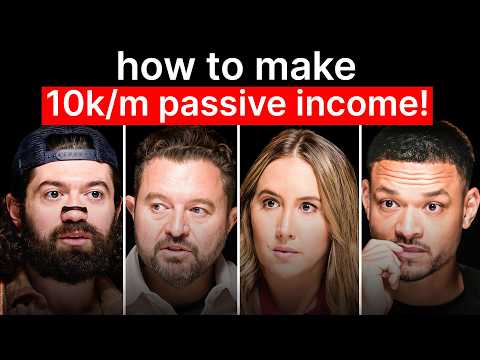
In a School of Hard Knocks street-interview compilation spanning Beverly Hills and Atlanta (including Buckhead Village), the interviewer speaks with business owners, finance/industry figures, and Sara Blakely—founder of Spanx—about how they built wealth, structured entities, handled early skepticism, and approached risk.
Real Estate, LLCs, and Business Mindsets
A film producer in Beverly Hills briefly mentions amassing nearly $2 billion in revenue in the film industry before heading off, while another interviewee who worked in finance/real estate points to investing in what you understand—highlighting residential real estate starting in the 1990s, coastal/LA markets versus lower-tax states, and holding individual properties and businesses across more than 50 LLCs as a liability shield alongside tax awareness and enjoying life while living it.
Building a Tech Venture After Wall Street
In Atlanta's Buckhead Village, a tech founder who left Wall Street in 2013, became a millionaire by age 33, and generated just shy of $10 million in a single year shares that she came from a middle-income household and was the first in her family to attend college (Howard University), start a business, or reach millionaire status. She outlines how wealthy individuals she has seen typically allocate capital across marketable securities (such as stocks, bonds, mutual funds, and ETFs), cash, and less-liquid alternatives (like real estate or private investments) to grow wealth rather than leaving money idle, and stresses ownership, mindset, and believing you belong at the table.
Sara Blakely on Spanx, Self-Funding, and Intuition
Meeting Sara Blakely near Atlanta, the conversation covers how she started Spanx with $5,000 saved from seven years of door-to-door fax-machine sales, self-funded the business over 21 years without outside investors so she could keep control and follow her intuition, and eventually sold the company in a $1.2 billion deal.
Blakely recounts turning early rejection from door-to-door sales into resilience, placing display bins near cash registers at Neiman Marcus without waiting for formal permission ("ask for forgiveness, not permission") until leadership saw strong sales, and keeping her idea quiet for a year before sharing it with loved ones so early doubts wouldn't derail execution—spotting an opportunity in hosiery/undergarments by pairing lighter, smoother material with a real fit/clothing problem and closing with advice to solve a problem, bet on yourself, and enjoy the process.
Full Transcript
00:00Excuse me, ma'am. Ma'am,
00:02>> thank you.
00:02>> Question for you. How old were you when
00:04you became a millionaire?
00:05>> I'm not a millionaire.
00:06>> No.
00:06>> No, I'm a billionaire.
00:08>> You're a billionaire.
00:09>> All right. How did you become a
00:10billionaire?
00:10>> I run a tech company.
00:11>> You run a tech company?
00:12>> Yes.
00:12>> How long have you been a business owner?
00:13>> So, I left Wall Street in 2013.
00:15>> You were on Wall Street?
00:16>> Yes. My job was to keep rich people rich
00:17for a living.
00:18>> So, what was the most amount of money
00:19that you made in a single year?
00:20>> A billion dollars. A lot.
00:22>> Give me a range.
00:23>> $1.2 billion.
00:25>> 1.2 billion. Are you a billionaire?
00:27>> That makes me a billionaire. Yes.
00:28>> Have you ever met a billionaire?
00:29Absolutely. I've been in the bank
00:30accounts of billionaires and the homes
00:31of billionaires. Absolutely.
00:32>> So, where do the wealthiest people put
00:33their money? I want you to think about
00:34the richest people that you've ever met.
00:36>> Okay. So, here we go. 80% of their money
00:37typically.
00:38>> As a billionaire, what's the best
00:39financial advice you would give to the
00:41younger generation?
00:41>> If you want to start your own business,
00:43>> your last message to the younger
00:45generation trying to become a
00:46billionaire in today's world.
00:49I'm about to do something insane, guys.
00:51I'm about to interview some of the
00:53richest women in the entire world,
00:55including Sarah Blakeley, the youngest
00:57self-made female billionaire in the
00:59entire world. And I'm not kidding. Right
01:01now, I am standing in Beverly Hills, one
01:03of the richest zip codes on the planet.
01:05And I'm going to be going around to find
01:06some of the richest women that live here
01:08to figure out how they built their
01:10fortunes. But we're just getting
01:11started, you guys, because after this,
01:13I'm going to be flying across the
01:14country to Atlanta to go meet and
01:16interview one of the richest female
01:18billionaires on earth to figure out how
01:20she turned just $5,000 into a
01:22billion-dollar empire, making her the
01:24youngest self-made female billionaire in
01:26the world. So, this video is about to be
01:28insane from start to finish. So, stay
01:30tuned until the end. With that being
01:31said, let's go meet some billionaires.
01:36Excuse
01:41[Music]
01:44me, ma'am. Ma'am.
01:45>> Yes.
01:46>> Question for you. I'm going all over
01:47Beverly Hills asking people, "How did
01:49you get rich?"
01:50>> Worked hard.
01:51>> What line of business are you in?
01:52>> Film.
01:53>> Producer, director. What are you doing?
01:54>> Producer.
01:54>> What was your most proud accomplishment
01:56in the in the film industry?
01:57>> Probably amassing almost $2 billion in
01:59revenue and now I got to go.
02:00>> Oh, wait. Are you a business owner? Real
02:02quick, can I change my channel? That way
02:03you can see it
02:04>> you guys. I could not get the game from
02:06her. But she said doing $2 billion in
02:07revenue. That's just to put in
02:08perspective for you. The kind of women,
02:10the kind of people that are out here
02:12that we're going to be running into on
02:13these streets of Beverly Hills. I wanted
02:14that one back, but we couldn't get it,
02:16you guys. But I know that they're out
02:17here. And I am not going to stop until I
02:19get a billion dollars worth of game for
02:20you all. Come on.
02:22>> Excuse me, ma'am. How did you get rich?
02:23>> How did I get rich?
02:25>> Yes.
02:25>> Working really, really hard.
02:27>> And what line of business? Are you a
02:28business owner?
02:29>> Finance.
02:29>> You were in finance on Wall Street or
02:31what?
02:31>> Dad, I can't tell you.
02:32>> Wait, so real quick. I grew a channel to
02:3317 million followers. I've interviewed
02:3525 billionaires in the last four years
02:36like Mark Cuban, Michael Rubin. I asked
02:38successful people how they made it for
02:40the younger generation. So, I wanted to
02:41ask you if there's one piece of
02:42financial advice that you learned
02:44throughout your career that you could
02:45instill in the younger generation, what
02:46would that be?
02:47>> Invest in things you understand.
02:48>> Like what what was that for you? What
02:50was the best vehicle?
02:51>> Real estate.
02:52>> And do you like residential or
02:53commercial? What did you like?
02:54>> Residential.
02:54>> Why is that?
02:55>> Because the timing was perfect for it.
02:57>> And when did you buy real estate
02:58primarily?
02:58>> This goes back to the '9s. What's the
03:01best city to buy real estate in today's
03:02world?
03:03>> Oh, LA. Anywhere where there's coastal
03:05properties.
03:05>> A lot of people like red states are
03:06like,
03:06>> "Well, of course, because of politics."
03:08So, red states obviously are better
03:10because of the tax breaks.
03:12>> Did you ever own a business?
03:13>> Yes.
03:13>> What was the big issue you had?
03:15>> A billion dollars.
03:16>> A billion dollars.
03:17>> Yes.
03:17>> Are you serious?
03:18>> Yes.
03:18>> Did you have anybody that doubted you in
03:20business?
03:20>> No.
03:20>> Nobody doubted you?
03:21>> No.
03:22>> Why not?
03:22>> Somebody that did cost them a lot of
03:24money.
03:24>> So, it's safe to say that it's not a
03:25smart idea to bet against you.
03:26>> Absolutely not a good idea.
03:28>> Yeah.
03:29>> Absolutely not. Listen, all is fair and
03:31I believe in doing things fairly and
03:33that business can be a win-win for
03:35anybody, but you should never get in a
03:38situation where you think that somebody
03:40else is not worthy of whatever.
03:43Everybody deserves a break and a chance
03:45to prove themselves in business.
03:46>> What was the biggest challenge that you
03:47face running companies? Cuz it's hard.
03:49You have to
03:50>> employees.
03:51>> Why it was hard to get them?
03:52>> Why? Because uh employees, you have to
03:54hire people that you trust. Men are
03:56linear. They're direct. They're clear
03:58thinkers. They're easy to take care of.
04:00Women are emotional, difficult to do
04:03business with.
04:03>> So, did you hire a lot?
04:04>> That happens to be the truth.
04:05>> So, did you not hire a lot of women
04:07employees then?
04:07>> No.
04:08>> Why do I Are you serious?
04:09>> Yes, I'm serious.
04:10>> Even as a Even as a boss woman?
04:11>> Yes. You hire women that have men's
04:14instincts for business.
04:15>> You mentioned buying real estate. Did
04:16you buy a lot of real estate?
04:18>> Yes.
04:18>> You did?
04:19>> Yes.
04:19>> With each of your properties, did you
04:20have an LLC for each property?
04:22>> Yes.
04:22>> How many LLC's do you own?
04:23>> Over 50.
04:24>> Over 50 LLC's. And how important was
04:26that?
04:26>> Oh, it's critical. I mean, here's the
04:28thing. An LLC is a veil of protection
04:31and everybody should understand their
04:33taxes. It will serve you for the rest of
04:35your life.
04:35>> For every business that I've started and
04:37every property that I've acquired
04:38starting this year, I've been using an
04:40LLC company. The company I used to start
04:42my business and buy my properties was
04:45called Busy. I started my LLC through
04:46them and it was it was one of the
04:48smartest decisions cuz it protects you.
04:49>> I'm going to look at busy.
04:50>> You said you're 62 today. Yes.
04:52>> If me and you died tomorrow and you had
04:54one more message for the younger
04:55generation, what would that be?
04:56>> Live while you're alive. What's that
04:58mean?
04:58>> Enjoy your life.
04:59>> Guys, we just interviewed I think a
05:01billionaire out here in Beverly Hills.
05:03And did you hear what she said? For
05:04every one of her businesses, for each
05:06one of her real estate properties, she
05:08has an LLC. She's got not one, not two,
05:11but 50 LLC's, you guys. That is insane.
05:14And that should tell you something
05:15because look, billionaires, they don't
05:16leave anything up to chance. They
05:18structure everything because the right
05:20entity protects their personal assets,
05:21saves them a ton of money on taxes, and
05:23sets them up to scale. And that's
05:25exactly why I used Busy when I was
05:26starting out. and it helped me build a
05:27multi-million dollar business. It make
05:29it insanely easy to start a business,
05:31you guys. Whether it's an LLC or an
05:33escort, you can literally get everything
05:35handled in like under 10 minutes. And
05:37it's super affordable. It is way cheaper
05:39and way easier than trying to go hire a
05:41super expensive lawyer or an accountant
05:42to set up your business. So guys, trust
05:44me on this. Stop what you're doing. Be
05:46like the smart entrepreneurs. Be like
05:47the rich entrepreneurs and use Busy to
05:49set up your business today. All you have
05:51to do is go down to the link in the
05:53description of this video to start your
05:54business through Busy Today. But with
05:56that being said, let's get back to the
05:57video. All right, you guys. So, we at
05:58our next spot out here in Beverly Hills,
06:00and a Mayback just pulled up to the
06:01ballet out here. So, I'm going to go up
06:02and see what they did to get rich. Let's
06:03go see who it is, you guys. Come on.
06:05>> Excuse me, ma'am. Ma'am,
06:07>> thank you.
06:07>> Question for you. How old were you when
06:09you became a millionaire?
06:10>> I'm not a millionaire.
06:11>> No,
06:11>> no, I'm a billionaire.
06:13>> You're a billionaire. Are you actually?
06:15Yes.
06:15>> How did you become a billionaire?
06:17>> Well, working hard shaping eyebrows.
06:18>> So, you're in the beauty business?
06:20>> Yes, I'm in a beauty business. I own a
06:22company called Anastasia Beverly Hills.
06:24>> Are you serious? Yeah.
06:25>> How long have you been a business owner?
06:26>> Wow. I started in uh 1997.
06:30>> Are you self-made?
06:31>> Yes, totally.
06:32>> So, you don't you don't come from a lot
06:33of money?
06:33>> No, I came here from a communist regime
06:35from Romania and I didn't speak the
06:37language. I didn't have any money. I
06:39didn't know anyone and uh I really
06:42believed in eyebrows.
06:43>> I go all over the world interviewing
06:44billionaires to help the younger
06:45generation. Can I get a minute with you
06:46for the channel real quick?
06:47>> Absolutely.
06:48>> Did you take on a lot of investors?
06:49>> No. I mean when I sold in 2018 I didn't
06:52have I own 100% of the company. Are
06:54>> you serious?
06:55>> How much did you sell for?
06:56>> The company was evaluated of three
06:58billions. Nobody believed in Ibro
07:00business.
07:00>> Did you have anybody that doubted you in
07:02business?
07:02>> Oh absolutely. The landlord that I
07:04wanted to rent the space. The bank
07:06didn't want to give me a credit card.
07:08Everybody my own husband didn't believe
07:11that this will be a business.
07:12>> Why didn't you listen to anybody else?
07:14>> You know why? Cuz I really believed it.
07:16I really believe that eyebrow is such an
07:18important feature in our face and I
07:20fixed my own eyebrow. This is how
07:22everything started. I had pencil thin
07:24eyebrows in the 80s. That was the
07:26fashion.
07:26>> As a billionaire, what's the best
07:28financial advice you would give to the
07:29younger generation?
07:30>> If you want to start your own business,
07:32watch the cash flow. Ibida is
07:34everything. You know, it's all about the
07:35profit.
07:36>> It's all about the profits. Don't start
07:38spending money left and right. When I
07:40started, I was driving a beat up car
07:42that I spent $200. Okay? And it didn't
07:46matter if my daughter thought that I
07:48couldn't uh drive her to school because
07:50the kids will make fun of her or my
07:52clients. I they didn't make fun. But you
07:55know the perception of people like oh I
07:57have to fit in with everybody else. I
08:00didn't care. I had a bigger goals and it
08:02was important for me to save every penny
08:05to put into my business. And for many
08:07years this is what I did. Every money I
08:09will generate I will put back into the
08:11business.
08:12>> You just kept reinvesting.
08:13>> That's it. Yes. I didn't buy cars. I
08:15worked non-stop. So, I didn't have even
08:18time to spend the money I was making.
08:19>> Now, when you started to generate cash
08:21flow and reinvest in the business, how
08:22did you scale?
08:23>> You have to scale to produce more
08:25products, to widen the distribution, and
08:27of course, you start learning the
08:29business slowly. You make a lot of
08:31mistakes. I made many mistakes, but you
08:33learn from your mistakes. And the key is
08:35to never make the same mistake twice.
08:38social media right now because you ask
08:39me how I scale my daughter that worked
08:41with me and we used to travel to promote
08:43the products in 2012 she came to me and
08:47she said mom maybe we'll get into this
08:49app called Instagram and we don't need
08:52to travel that much and I said okay
08:54let's try let's see anybody else like ah
08:56I don't believe it I don't want like
08:58absolutely anything I will try anything
09:01so we start posting pictures of our
09:03products and it went viral and this is
09:06how we start sending ing products to
09:09some makeup artists or women and men
09:11that love products and our makeup and
09:14they used to do tutorial on YouTube or
09:17pictures for Instagram and we're the
09:19first beauty brand having a presence on
09:22Instagram and this is how we scale. It
09:24exploded the company.
09:25>> So social media it changed the game for
09:27you.
09:27>> Change completely the game. So you
09:29always have to be alert. Don't sit here
09:31and do the same business that you did 20
09:34years ago.
09:34>> You have to adapt. You got to pivot.
09:35>> You have to adapt. You have to pivot.
09:37Business changes every day. Right now
09:38with AI, I I'm looking into I want to
09:41learn more. I want to implement AI as
09:44much as I can in finance, in product
09:46development, in distribution,
09:48everything.
09:48>> You've already built a billion-dollar
09:50company. You've became a billionaire.
09:51Are you still motivated to keep on
09:52going?
09:52>> Oh, I work like I can't pay my rent next
09:55month.
09:55>> So, you're working like the rent.
09:57>> Oh, yes. Yes. Like I love it. I love
09:59what I do. I don't even feel like I
10:01work. And that's the key actually. I
10:04find that I'm more successful, that I
10:06have a purpose every day, me and my
10:08daughter. Money are are great. Don't get
10:10me wrong. I love my whatever I have,
10:13what I build, I work hard for it. But
10:15that's not everything in life. My
10:17family, my clients, my friends. Every
10:20day I wake up and I love challenge. I
10:22love to solve problems. I'm competitive.
10:24So, I have a great life.
10:26>> Does money buy happiness?
10:27>> Depends how you define happiness.
10:29>> It buys freedom.
10:30>> Freedom. That's Yes. I think money buys
10:32freedom.
10:33>> Not fulfillment though.
10:34>> No fulfillment. No. Absolutely.
10:36>> If me and you died tomorrow and you had
10:37one more guiding principle to leave with
10:39the younger generation, what would that
10:40be?
10:40>> Oh my god. Don't be afraid to start to
10:44do whatever your heart is telling you.
10:46Believe in yourself. That's very
10:48important. And you don't need to be like
10:50somebody else. I know it's a lot of
10:52bullying right now on social media
10:55school for younger people. You don't
10:56need to be like somebody else. You don't
10:58It's okay. I was skinny in school. I was
11:02a gymnast. I was the last one. I was
11:04never like everybody else in the class.
11:06But you know what? I used to go to the
11:08library. I I used to read to do my
11:10homework and be passionate about
11:12whatever I was doing. And at the end of
11:14the day, you take all that and you could
11:17build wherever you want.
11:18>> You have amazing advice.
11:20>> Thank you so much. I appreciate you and
11:22wish you good luck. And everybody else
11:24that is watching, believe in yourself
11:26cuz you could do whatever you want.
11:28>> I have to ask you. I connect with all
11:29the billionaires I interview. Can I get
11:30your contact?
11:31>> Sure,
11:31>> guys. We just walked up to her. What did
11:33she say? I'm not a millionaire. I'm a
11:34billionaire. And she's a self-made one,
11:36too. Guys, she came from a communist
11:38country of Romania, came here to Beverly
11:39Hills and built a multibillion dollar
11:42company. You guys, she just gave a
11:43fantastic interview. But the time has
11:45now come. We're about to leave Beverly
11:47Hills and head out to Atlanta, Georgia
11:48to go find the richest woman that lived
11:50there and meet up with the youngest
11:52self-made female billionaire in the
11:54entire world. So, head with us right now
11:55to the airport to go fly out to Atlanta.
11:57All right, you guys. So, we just got
11:58through security at the Los Angeles
12:00airport, and it is time now. It's 11:00
12:02at night, and we're about to fly out to
12:04Atlanta to go meet up with the youngest
12:06self-made female billionaire of all
12:08time, and we're going to figure out how
12:09she built her billion-dollar company,
12:10and how you watching can do the exact
12:12same thing. And since Atlanta is home to
12:13more millionaires and billionaires than
12:15most cities in the world, we're going to
12:16go see who else we can find in the
12:17richest areas in Atlanta. So, come with
12:19us right now to Atlanta, Georgia.
12:24All
12:29[Music]
12:31right, you guys. It is 5:00 a.m. and we
12:33just landed in Atlanta, Georgia. And in
12:35just a few hours, I'm going to be
12:36heading into the richest part of Atlanta
12:38in Buckhead Village to go find some of
12:40the richest women that live out here and
12:42see if we can get their advice on how
12:43they built their wealth. So stay tuned.
12:45Let's head in and go see who we can
12:46find. Excuse me, ma'am. Question for
12:49you. How old were you when you became a
12:50millionaire?
12:51>> Um 33.
12:52>> 33.
12:52>> 33. And how did you get rich?
12:54>> Um, I run a tech company.
12:55>> You run a tech company? Yes.
12:56>> How long have you been a business owner?
12:57>> So I left Wall Street in 2013.
12:59>> You were on Wall Street?
13:00>> Yes. My job was to keep rich people rich
13:01for a living. I came up with the idea in
13:032013, but we didn't make our money until
13:052017 as a business.
13:06>> So what was the most amount of money
13:07that you made in a single year?
13:08>> Just shy of 10 million.
13:10>> $10 million.
13:11>> Just shy.
13:11>> I go all over the world interviewing the
13:12richest people to help the younger
13:13generation. Can I get a minute with you
13:15for our channel real quick?
13:15>> Sure.
13:16>> Have you ever met a billionaire?
13:17>> Absolutely. I've been in the bank
13:18accounts of billionaires and the homes
13:19of billionaires. Absolutely.
13:20>> So where do the wealthiest people put
13:21their money? I want you to think about
13:22the richest people that you've ever met.
13:24Where are they investing their money in
13:25today's world? That's not talked about a
13:26lot.
13:26>> Okay, so here we go. 80% of their money
13:28typically is in marketable securities.
13:30So stocks, bonds, mutual funds, ETF,
13:32things like that. 10% of their wealth is
13:33in cash and then the other 10% is in
13:35alternative investments. Those are the
13:36investments that you can't turn into
13:37cash quickly. So things like real
13:38estate, things like private investments
13:40that can give you the ability to grow
13:41your wealth tremendously over the next 5
13:43to 10 years, but it's all invested.
13:44Wealthy people do not put their money in
13:46cash. It's always in something that has
13:47a potential to grow their wealth.
13:48>> Do they keep their money in in a savings
13:50account?
13:50>> No. Wealthy people put their money to
13:52work. I think we all have job
13:53descriptions. Even me running my
13:55business, they give their money a job
13:57description. You cannot save or work
13:58your way to wealth. You can only invest
14:00your way there.
14:01>> Did you come from a lot of money?
14:02>> No, I did not come from a lot of money.
14:04I came from a middle-ass household. Two
14:05parents. I was the first person in my
14:06family to go to college. First
14:07entrepreneur, first millionaire in my
14:09family.
14:09>> You went to Howard?
14:10>> I did.
14:10>> I grew up right outside of DC.
14:12>> Yes, I did. The best HBCU in the world.
14:13>> What was your turning point to financial
14:15freedom?
14:15>> I think one of the biggest things I
14:16learned about a 1% on Wall Street, they
14:17believe they have power. They believe
14:20they deserve to be in a room. They
14:21believe they're supposed to be wealthy.
14:22Most people don't even believe they
14:24deserve a seat at the table.
14:25>> Did you ever doubt yourself?
14:26>> Absolutely. I was the only black female
14:28on my floor on Wall Street. I didn't
14:30Sometimes I felt like I wasn't good
14:31enough, but in that same moment, I knew
14:33that I could be a billionaire because I
14:34was in that room.
14:35>> Are you going to be a billionaire?
14:36>> Absolutely. Billiondollar CEO right
14:37here. Absolutely. Yes.
14:39>> Your last message to the younger
14:40generation.
14:40>> Wealth does not have a color. Therefore,
14:42it looks like you, it looks like me, and
14:44it starts in the mind. Just because you
14:45didn't grow up with wealth, just because
14:47you may not have a lot of money now,
14:48doesn't mean you can't effectively build
14:50wealth. But the key is ownership. You
14:51have to create your wealth by owning
14:53companies of that you know you use and
14:54believe in or create your own business.
14:56>> You got amazing advice.
14:57>> Thank you.
14:57>> Thank you so much for your time. I
14:58appreciate that. I I have to ask you. I
15:00connect with all the millionaires that I
15:01interviewed. Could I get your contact?
15:02>> Absolutely.
15:03>> Guys, she made $10 million in a single
15:05year. She started off on Wall Street,
15:07left and built a multi-million dollar
15:09tech company. You guys, he just gave a
15:11phenomenal interview. But my favorite
15:12part was when she broke down what the
15:14richest people in the world, the
15:15billionaires do with their money. And I
15:16just got to say, you guys, you don't
15:17find this information in school or any
15:19of these online courses, you guys. Only
15:21here at the School of Hard Knocks. But
15:23as you guys know, we got to keep this
15:24one rolling cuz we got to keep going to
15:25find the richest people in Atlanta. You
15:26guys, come on. All right, you guys. The
15:28time has now come. We're going to be
15:29heading out to go try and meet and
15:31interview the legendary, the youngest
15:33self-made female billionaire in the
15:35entire world, Sarah Blakeley, at an
15:38event that's being held about an hour
15:39south of Atlanta, Georgia. Guys, we're
15:41going to show up and see if we can
15:43actually get to her and interview her
15:44for our channel, you guys. Guys, I've
15:46interviewed like 25 plus billionaires,
15:48but she would be one of the craziest
15:49ones that I've ever done, being that
15:51she's one of the only self-made woman
15:52billionaires, you guys. So, we're going
15:54to go do our best to try and get this
15:55interview for you guys and go get a
15:56million dollars worth of game. All
15:57right, you guys. So, we just got to our
15:59destination. We're going to be walking
16:00over right now to go meet up with and
16:02interview the legend Sarah Blakeley to
16:04go figure out how to become a
16:05billionaire. Come on.
16:09>> Hello. Hello.
16:10>> How are you?
16:11>> Hi.
16:11>> Hi, Sarah.
16:12>> How are you?
16:13>> Good. It's great to meet you.
16:14>> Congratulations on this whole movement
16:16and, you know, success that you've had.
16:18>> Thank you so much.
16:19>> Stopping people and asking them cool
16:21advice.
16:21>> We appreciate that. Yeah, it's been a
16:23lot of fun. We get to meet amazing
16:24people like you. So, it's it's all worth
16:25it. For sure. Your story's been super
16:27inspiring to just learn about and this
16:29is one I've been wanting to do for a
16:30couple years now. So, I'm glad that we
16:32get to tell it to our audience as well
16:33and and you've had an amazing journey.
16:35So, I know that they're looking forward
16:36to it. My only request is that no
16:38holding back. We're going to give them
16:40the secrets right now on what it takes
16:41to build a billion dollar brand.
16:42>> Okay.
16:42>> Can we do that?
16:43>> Well, let's do it.
16:44>> Perfect.
16:44>> I got all the secrets.
16:45>> Who am I here with today?
16:46>> Sarah Blakeley.
16:47>> And for those that don't know, what was
16:48your business?
16:49>> I make butts look better. My business
16:51was Spanx.
16:52>> You're the founder of Spanx.
16:53>> I'm the founder of Spanx.
16:54>> What was the most amount of money that
16:55you made in a single year?
16:57>> A lot.
16:57>> Give me a range.
16:59>> Hundreds of millions.
17:00>> Hundreds of millions of dollars. And did
17:01you sell your company?
17:02>> I did.
17:02>> For how much?
17:03>> I sold it for $1.2 billion.
17:05>> You sold your company for 1.2 billion.
17:07Are you a billionaire?
17:08>> That makes me a billionaire. Yes.
17:09>> For the ones that don't know, did you
17:10have a lot of money when you started
17:11your business?
17:12>> No. I had $5,000 that I had saved myself
17:16from selling fax machines doortodoor for
17:18seven years. Do you guys know what a fax
17:20is? I sold them and I saved my money.
17:22>> Was it easy to get people to invest in
17:24your company?
17:24>> It was so easy for me to get investors.
17:26You know why? I'm the only investor.
17:27>> You never took on investors.
17:28>> I never had a single investor in Spanx
17:30other than me.
17:31>> Are you serious?
17:31>> I'm serious. Self-funded the entire 21
17:33years.
17:34>> Are you serious?
17:34>> I'm serious. So, it was really easy to
17:36get an investor. I sat down with myself
17:37and I was like, "Do you want to spend
17:39your five grand on a vacation or do you
17:41want to try to bet on yourself?"
17:42>> And you bet on yourself.
17:43>> And I bet on myself.
17:43>> So, so you don't think people should
17:45look to give their company away and give
17:46that ownership away to other people?
17:47>> Listen, whatever you give away in your
17:49business, you have to be very willing to
17:52give up. So,
17:52>> you give up control. You got to control.
17:54You got to make all the shots.
17:55>> Yeah. I mean, I literally had no
17:56investors. I got to answer to my own
17:58intuition, which I really honored
18:00throughout the whole journey. I always
18:01pay attention to intuition over data,
18:03and I don't think investors really
18:05understand that. So that worked in my
18:07favor because intuition's not on a
18:09spreadsheet.
18:09>> Did you face a lot of rejection?
18:10>> Did I face a lot of rejection? I sold
18:12fax machines for seven years door to
18:14door. Rejection is my middle name. I
18:16actually got rejected so much people
18:18would rip up my business card in my face
18:20and they would escort me out of
18:21buildings. So by the time I started
18:23Spanx, rejection I knew was just part of
18:26the formula to success. Totally unfazed
18:28by rejection. In fact, the more I would
18:29get rejected, I'm like, "Oh, I'm closer
18:31to my yes."
18:31>> What was the crazy scene that you did as
18:33a business owner when you were starting
18:34out? Oh my god, where do I start? Well,
18:36definitely when I landed Neiman Marcus,
18:38which was such a prestigious retailer, I
18:40got a chance to be in one pocket in the
18:43store of the whole hosery department.
18:45You know, Spanx was between like Donna
18:46and Karen and Calvin Klein and all these
18:48huge brands and no one had heard of
18:49Spanx. So, I took bins that I bought at
18:51Office Depot and stuck them at every
18:53cash register in the store, which is so
18:56not okay. Neiman Marcus has a very
18:58strict visual apartment, but everybody
18:59thought somebody else approved it. So, I
19:01was trying to get the product out of the
19:04sleepiest corner of the store and move
19:06it around to where the customers
19:07actually were.
19:08>> So, you have to do whatever it takes to
19:09to really become successful as well.
19:11>> Absolutely. You do whatever it takes.
19:12And I always say ask for forgiveness,
19:14not permission.
19:15>> I love that.
19:16>> Everybody started buying it like crazy.
19:17And by the time they figured out, no one
19:19had approved that I could do that. The
19:21CEO of um Neman said, "Whatever this
19:23girl is doing, let her keep doing it."
19:25>> So, it's safe to say that nobody's going
19:26to run your business like you are, the
19:27business owner. Yes. I saw in a video
19:29that you did recently that you think
19:31people should wait to talk about their
19:32idea with other people, but there's
19:34other people that maybe argue that and
19:35say that you need to talk about your
19:37business and run it by as many people as
19:38possible to get your thoughts. You
19:39disagree with that?
19:40>> I disagree with that. I waited a year
19:41before I told any friends or family what
19:43I was working on. And that's because I
19:45didn't want ego to have to get involved
19:46too early. When ego gets involved, you
19:48end up spending your time defending it
19:50and explaining it instead of pursuing
19:52it. So, I wanted to invest enough of my
19:54personal time in creating this crazy
19:56idea that I had. I worked at night and
19:58on the weekends on it until I knew I
20:00wouldn't turn back when I got doubt. And
20:02out of love, your loved ones will bring
20:04up things like my family was like,
20:05"Sarah, if it's such a good idea, why
20:07hasn't anybody already done it? You
20:09know, even if this is a good idea, the
20:10big guys will knock you off in 6 months
20:12and you've spent your life savings on
20:14it." Had I heard those things the moment
20:16that I had the idea, I would probably
20:18still be selling fax machines or
20:20something else cuz faxes aren't really
20:21around anymore. But it's very true
20:23because ideas are the most vulnerable in
20:25the moment you have them. And it's also
20:27people's instinct to share the idea in
20:29the most vulnerable stage because you
20:31get an idea and you turn to your
20:32co-worker, your husband, your wife, and
20:34you say, "Hey, I've got an idea." And
20:36out of love, they'll give you a list of
20:38like, "Hey, maybe you should consider
20:39this." And I didn't want that to happen.
20:41So, intuitively, I waited a year before
20:44I sat my family down, and they all
20:46thought I was crazy. They're like,
20:47"Wait, what? This is the idea you've
20:48been working on? This new type of
20:50undergarment?" I'm like, "Yes, it's
20:51going to change the way women around the
20:52world get dressed."
20:53>> What did you see differently than your
20:54family? The people that were calling you
20:56crazy. the way that I saw that it solved
20:58my problem with my clothes. So, all
21:00undergarments prior to that were too
21:02thick. They were heavy. They were made
21:04with thick material and you could see
21:06the underwear. You could see panty
21:07lines. I know you've had this problem,
21:09but anyway, you could see panty lines
21:11and I wanted a smooth look. And so, I
21:14thought of panty hose only because it's
21:16like second skin. The material is so
21:18lightweight that if I could create an
21:20undergarment out of that material, it
21:22would be breathable. It wouldn't feel
21:24bulky. it wouldn't feel constricting in
21:26the way that other traditional
21:27undergarments and girdles had. So, it
21:29really created this whole new canvas for
21:31women. And I want to mention that I went
21:33into an industry that was in a
21:34double-digit decline. And I find that
21:37fascinating. A lot of people like to
21:38chase trend and where is everybody
21:40moving. And I'm interested in like what
21:42industries are sort of dying on the vine
21:44and why? And hosery was dying on the
21:47vine because fashion had changed,
21:49women's styles had changed and no one
21:50was solving the problem. So when I
21:52created Spanx, I created a new type of
21:54undergarment that didn't exist with the
21:56lightest weight material that was second
21:58skin in hosery to go under women's
22:00clothes. And bam, it was like lightning
22:03in a bottle and I filled a void that
22:05women had been waiting for me to fill.
22:06>> Your last message to the younger
22:08generation trying to become a
22:09billionaire in today's world.
22:10>> Solve a problem, bet on yourself, and
22:12have fun. Guys, I need you to stop what
22:14you're doing right now and like and
22:16subscribe to this channel for tons of
22:18incredible content I've got coming very,
22:19very soon because nobody is interviewing
22:21these kind of people. Nobody's making
22:23content like this. Guys, I'm 23 and I've
22:24interviewed over 25 billionaires and
22:26I've got more coming to you every single
22:28week. The craziest, the most amazing
22:30business owners in the entire world. And
22:32I need you to do yourself a favor. I
22:33want you to go down and click the link
22:35in the description of this video to
22:36become a member of the number one most
22:38powerful community for entrepreneurs in
22:40the entire world, the school of mentors.
22:43And inside of this community, you get
22:44direct access to the multi-millionaires
22:46and the billionaires that I interview on
22:48this channel every single week, where
22:49you get to ask your questions directly
22:50to multi-millionaires and billionaires
22:52just like Sarah, where they give you
22:54actionable advice on how to build your
22:55first million dollar and maybe billion
22:57dollar business. So, I can't wait to see
22:58you on the inside. Just go down to the
22:59link in the description of this video.
23:01With that being said, I'll see you in
23:02the next
Description
We went to Beverly Hills, California & Atlanta, Georgia to interview some of the wealthiest women entrepreneurs in the world, including Sara Blakely, the youngest woman self-made billionaire ever. We asked them about the most amount of money they have made in a year as well as asking for their career/life advice. We interviewed people in a variety of industries such as finance, film, real estate and more. We have a ton of amazing content on the way so make sure you stay tuned for more content soon!