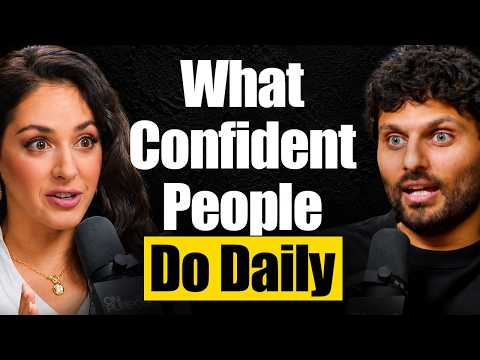
Raj Shamani

AI Summary
Agency, "Let Them," and the 5-Second Window
Author, speaker, and podcaster Mel Robbins—who is 58, has been married for 30 years with three children (ages 27, 26, and 21), and co-wrote The Let Them Theory with her daughter Sawyer—opens by emphasizing human agency, encouragement, and the danger of talking yourself out of what you want. Rather than waiting to feel ready, confident, or free of fear—or assuming someone else will rescue you—she stresses that real change starts with recognizing what is in your control and acting one step at a time despite resistance or self-doubt.
Distinguishing what you can and cannot control, Robbins notes that you cannot force another person to change, heal, or act differently, and trying to manage or judge someone else often creates tension rather than love. Applying "Let them" draws a clear boundary around another person's choices and behavior, while shifting focus back to your own responses, standards, and boundaries—including recognizing when a relationship or situation is not right for you or requires mutual effort.
To bridge the knowledge-action gap between knowing what to do and actually doing it, Robbins highlights:
-
Defining What You Want (or Don't Want): Moving past vague "shoulds" (which often feel like self-punishment or external pressure) to clarify what you actually want—or starting with what you do not want on an ordinary Tuesday years down the road—and translating that into concrete actions.
-
The 5-Second Rule: Acting within roughly five seconds of an impulse or thought—counting backward (
5, 4, 3, 2, 1and moving)—before hesitation, excuses, and autopilot talk you out of it. -
Action Before Feeling: Pushing through discomfort, inertia, or lack of motivation rather than waiting for an emotion or mood to shift first.
Navigating Hard Seasons, Gratitude, and Daily Anchors
Acknowledging that life is not always fair and that difficult chapters—such as job loss, financial strain, illness, grief, or caring for loved ones—can happen unexpectedly, Robbins argues against the fantasy that you can only ever do things you love. Even in hard seasons or jobs you dislike, finding a meaningful "why" (such as supporting family or building resilience) and practicing gratitude and small moments of joy can act like a flotation device and counter discouragement.
She outlines practical daily anchors for shifting state and building momentum:
-
Morning Intention: Setting a clear intention upon waking (inspired by ideas she discusses from Dr. Daniel Amen, such as deciding to make something good happen and look for the good in others) to give the mind a constructive focus before outside noise takes over.
-
One Priority ("Progress Principle"): Focusing on one meaningful step each day to build steady forward movement.
-
Physical Movement: Moving your body—whether walking, lifting weights, or taking stairs—to shift mental, emotional, and spiritual energy (referencing Dr. Kelly McGonigal's work on movement and "hope molecules").
-
Energy, Reciprocity, and Evening Gratitude: Treating your energy as a meaningful currency, helping others as a way to step outside your own head and feel valued, and closing the day by noting a few things that went well or that you appreciate.
Learning From a Deep Financial and Personal Low
Recounting a difficult period 17 years earlier—around age 41, with three young children under 10, heavy debt approaching a million dollars, job loss, and her husband's struggling business—Robbins shares how she spent an initial stretch feeling overwhelmed, drinking too much, staying in bed, and blaming circumstances before deciding on a Tuesday in February to count backward (5, 4, 3, 2, 1) and take one concrete action at a time, such as making hard phone calls, looking for work, and taking responsibility for what she could change.
Digging out of deep debt took years of steady effort, multiple jobs, strict budgeting, clearing liens and obligations, and eventually prioritizing financial security and savings (such as setting aside a large share of income once stability returned so she wouldn't feel trapped by bill panic again). Through that experience, she emphasizes that changing your life rarely looks glamorous in the moment—it often requires gritty consistency over years—and that surviving hard stretches clarifies what truly matters beyond status or material accumulation.
Purpose, Speaking & Storytelling, and Building a Media Brand
Reframing purpose, Robbins explains that purpose is not merely an activity or title—it is the positive shift or impact that happens in other people through how you show up, encourage, and treat them in everyday moments. On speaking and writing, she stresses reading and curiosity about others' stories, setting a clear intention for how you want people to experience you, anchoring around one sticky, repeatable core message reinforced throughout, painting vivid details so listeners can picture the scene, bringing genuine energy rather than stiff perfection, and speaking as if to one person rather than a faceless crowd.
For creators and builders growing a personal or media brand—noting her own start around 2012 (influenced by Gary Vaynerchuk) and lessons from Steven Bartlett and Seth Godin ("who is this for and what is it for?")—she points to four common pitfalls:
-
Too Much Input, Too Little Output: Consuming endless content without creating.
-
Quitting Too Soon: Expecting fast results instead of committing over years of consistent showing up.
-
Chasing a "Viral Formula" Over Being Yourself: Trying to copy someone else rather than leaning into your own authentic voice and perspective.
-
Seeking Validation From Skeptics or Getting Pulled Into Negativity: Spending energy on people who don't understand your path or online critics instead of connecting with people who genuinely resonate (including engaging thoughtfully in comments and communities).
Marriage Over Three Decades and Closing Reflections
Discussing her 30-year marriage—and acknowledging past moments where stress and pressure made her sharper or harder on her husband than she wished—Robbins talks about "normal marital hatred" or friction in long relationships: loving someone and holding them as your "favorite person" even when you feel frustrated or annoyed, recognizing that you cannot control another person, and drawing on insights associated with the Gottmans (such as recognizing recurring arguments that don't have a neat fix, asking whether you'd want a similar dynamic for your children, and not sacrificing core values or dreams in a way that breeds resentment).
Answering the closing questions, Robbins states her firm belief that a person's best days can still lie ahead through attitude and action, shares that her most extraordinary next wish is a quiet moment sitting on the porch with her husband and dogs watching a sunset in gratitude, and describes the personal cost of becoming who she is today as letting go of an older, stuck version of herself—ending on staying inward-focused and intentional about what you let in.
Full Transcript
00:00you will be startled at what you can
00:02accomplish in 10 years if you define
00:04what you want and you know why you want
00:06it. And despite how you feel, you force
00:09yourself one move at a time. And then
00:13what we do, and this is the hard part
00:14>> What's the hard part?
00:16>> Do it.
00:18And this is what changed my life. And I
00:22call this the 5 second window. It
00:24defines your whole life. If you think
00:25about what you need to do for more than
00:275 seconds, you will not do it. You'll
00:28talk yourself out of it. And the way
00:30that I learned how to do it is you count
00:31backwards 5 4 3 2 1 then move.
00:36>> Mel Robbins is a best selling author and
00:38host of one of the world's leading
00:40podcasts inspiring millions of people to
00:43transform their lives. In this episode,
00:45she reveals how to stop overthinking,
00:48overcome self-doubt, and finally take
00:50action.
00:51>> If someone's going through a very tough
00:53time in life, [music] jobs not working
00:55out, they lost their partner or the
00:57husband or wife or the earning member of
00:59the family.
01:00>> If you're watching right now and you're
01:02in a terrible chapter of your life and
01:04you're really struggling right now, one
01:06thing you can do immediately, I want you
01:08to start a small practice of gratitude.
01:11Now, what does that mean? It means
01:12you're going to train your brain to
01:14intentionally spot aspects of your life
01:18that are going well that you're grateful
01:20for. If you get into that downward
01:23cycle, that's is the single biggest
01:25thing that's standing in most people's
01:27way right now unless you start to create
01:29a positive upward spiral by
01:31intentionally noticing the things that
01:34you still have to be grateful for.
01:36>> A lot of people know that they want to
01:37change their life.
01:38>> Yes.
01:39>> They think about it every night. They
01:40want to change it.
01:41>> Yes.
01:41>> Yet there are people who are not able to
01:43change it. What is happening?
01:45>> If you want to feel a little bit better
01:47in your life without being able to
01:50change anything right now, the one thing
01:53you can always change is this. And so
01:55the first step is you're going to start
01:57waking up every single day by setting an
01:59intention. And intention I use today is
02:02going to be a good day because I'm going
02:04to make something good happen. And what
02:06you're doing by saying that is you are
02:09giving your mind a job. The second thing
02:12that I do is I always start my day
02:16thinking about the one thing that
02:18matters to me to make progress on
02:20because I think every day it's important
02:22to wake up and have something you need
02:24to do. You do those things every day,
02:26you have a really good life. Third thing
02:28[music] I want you to do, if you want to
02:30feel more in control of your emotions
02:32and shift your emotional state, move
02:34your body physically. And then the final
02:36thing that I would say is
02:42>> I have a small favor to ask you. I need
02:44you to subscribe to our channel. The
02:46more subscribers we have, the better and
02:49bigger guests we can bring and provide
02:51you more value through these
02:53conversations. And the full audio
02:55experience of this show is also
02:57available on Spotify where you can
02:59follow us and listen to the new episodes
03:01as well. You know that feeling when you
03:03need to send just one small thing to a
03:05customer or another business?
03:07That's when you realize how hard it is
03:10to find a reliable transport partner.
03:12And most transport options charge you
03:14way too much for small goods. That's why
03:17I use Porter. Their two-wheelers can
03:19carry up to 20 kg. And for things that
03:22need a little more space and care,
03:24Porter scooter is available with the
03:26same 20 kg capacity. The best part is
03:29that it's affordable and there's no
03:31negotiating. What you see on the app is
03:34exactly what you pay. So whatever you
03:37need to send, Porter makes it simple and
03:39stress-free. To know more about our
03:41title sponsor Porter and their services,
03:43check the link in the description below.
03:46And the styling partner for this episode
03:48is Levi's. Click on the link in the
03:50description to explore their latest
03:52collection. Enjoy the show.
03:58Thank you so much. Welcome on the show.
03:59>> Well, thank you for having me.
04:01>> It's amazing. I was just
04:02>> talking to my team before you came here.
04:04I was like, hey, I used to
04:07I have seen so many videos of you. I
04:10like typically like grew up watching
04:12you.
04:13>> You did? And you [clears throat] still
04:14invited me here.
04:16>> [laughter]
04:16>> That's why I invited you. It was like
04:18one of the
04:20like you were on on the list of like
04:21probably top six or seven people that I
04:23always wanted to call.
04:24>> Really?
04:25>> Yeah. And I because I
04:28Because
04:30you know how for the first time when you
04:31start watching these
04:33motivational videos or all these videos
04:35which you want want to watch to turn
04:37your life around or want to watch
04:40just to learn how they speak.
04:42You were one of those people where I
04:43used to resonate with and I used to just
04:45like the way you you you speak.
04:47There were so many things in your story
04:49which I would probably not even relate
04:51to, but I would just love the way you
04:53would explain things. And I
04:55there was a time and you, Simon, Tony,
04:59these were like I would just listen to
05:01you guys all day, all night.
05:03So that's why you were on the list. And
05:05it it was amazing. And there were so
05:06many
05:07relationship bits that you used to like
05:11I mean your clips here and there. I
05:12would pick that up and just put it. And
05:14then five second rule obviously that was
05:17it helped me start waking up early.
05:19>> Wow.
05:19>> So I used to be the guy who would wake
05:22up
05:23but then be on the bed for like three
05:24hours.
05:25>> Wow.
05:26>> And then the five second rule I was
05:27like, okay, I need to just get out of
05:28bed.
05:28>> in bed for three hours? Was there
05:30something going wrong in your life or
05:31were you just lazy?
05:32>> Oh, no, just lazy. I was like, okay,
05:33yeah, just checking phone and just I
05:36mean three hours exaggeration, but like
05:37one, two hours I'd be on the phone. And
05:40after two hours I'd get up and do the
05:42work. Like I'll actually go kill it, but
05:44I would waste two hours. And then the
05:46five second rules helped me. So so many
05:48things if I will look back and reflect
05:50right now, I'm I'm really grateful for
05:52your content. So thank you so much.
05:54>> Well, I'm I'm honored that you have just
05:57taken the time to tell me.
05:59And you know for the person that 's
06:01listening to us and watching right now,
06:03I think this is a very important
06:04takeaway.
06:06Because one of the things that I've done
06:09in my life, and I'm sure you've done it,
06:11and I know as you're watching and
06:13listening, you've done this to yourself,
06:15is you talk yourself out of
06:19doing the things that you want to do.
06:22And when I started putting content
06:24online and I started sharing the things
06:27that were working for me,
06:29never in my wildest dreams did I think
06:32it would go halfway around the world and
06:34reach somebody who's half my age and
06:36make a difference. And you have no idea
06:40how
06:42big of an impact you can make in
06:44somebody's life. You have no idea how
06:47much of the difference you can make.
06:49And if you don't get out of your own way
06:54and get started,
06:56you will never experience the magic that
06:59is contained within your lifetime
07:01because you will have talked yourself
07:03out of even doing the things you want to
07:06do.
07:07>> True.
07:08True.
07:08>> And now here we are,
07:10and we're on your show.
07:12>> Thank you so much.
07:13>> And you're the one that's going to be
07:15putting out the content that will ripple
07:17around the world and impact somebody
07:19else's life.
07:20>> I hope so.
07:21>> So, uh thank you for inviting me here. I
07:24am excited to co-create this with you.
07:26>> Thank you so much for coming. Let's say
07:28if someone's watching you for the first
07:29time,
07:30>> Uh-huh.
07:30>> they have no clue who you are.
07:32>> Okay.
07:32>> How would you explain them who you are,
07:34what do you do,
07:35>> Ahem.
07:35>> and [clears throat] what are they going
07:36to learn by the end of this podcast?
07:37>> Okay. So, my name is Mel,
07:40and I, in terms of a job,
07:43I'm the CEO of a media company
07:47that makes a positive impact in the
07:50lives of, I would say, hundreds of
07:52millions of people.
07:54And I do that through writing books and
07:56through recording podcasts and through
07:58giving speeches and through um putting
08:01out short-form content online.
08:04And my
08:06mission in life
08:08is to be a source of encouragement
08:12to other people
08:13and to use uh media and conversations
08:18like this
08:19as a way to highlight wisdom and as a
08:22way to highlight research and highlight
08:24habits and hacks that can help you
08:27create a better life.
08:29But mostly what I am
08:31is I am a very good friend. I am the
08:36friend that you need
08:37that provides you the encouragement that
08:40you need when life is hard or when you
08:43start doubting yourself. And I am the
08:47friend that is annoying
08:49when you start beating yourself up, I
08:54tell you to knock it off. When you start
08:56saying uh should I go to a nursing
08:58school? Should I should I end this this
09:00relationship? I'm the one that's like do
09:03it! Like I and so I'm that person in
09:07your life because we all need that
09:08person. And in my life when I have
09:10struggled and I have struggled
09:12profoundly throughout my life, I tend to
09:14learn things the hard way.
09:16It
09:17it's easy to isolate yourself and it's
09:20easy to feel alone. And
09:25I tried to be the person that I needed
09:28in those moments in how I show up every
09:31single day.
09:32And so that's what I would say. And then
09:34in terms of some of the other details,
09:35I'm 58 years old.
09:37I just celebrated my 30th wedding
09:39anniversary.
09:40>> Wow.
09:41>> I have three kids who are uh
09:43I should say we have three kids who are
09:4527 26 and 21 two girls and uh a boy.
09:50And uh I am an entrepreneur and I am a
09:55deeply spiritual person and I'm outside
09:58all the time and I live you know despite
10:01the fact that I have a global following
10:03and one of the largest podcasts in the
10:04world and I've written the book The Let
10:07Them Theory with my daughter Sawyer all
10:09about what's in your control and what's
10:10not in your control.
10:12And it's one of the most successful
10:14nonfiction books ever written.
10:16Um,
10:18I live in a tiny town.
10:20And I
10:23care deeply about my family and about
10:27the community I live in. And I am
10:30somebody who believes that every human
10:33being on this planet has worth
10:36and that there is
10:37a deeply personal
10:40purpose for you being here.
10:42You are not here on this planet at this
10:44moment on accident.
10:47You are here with the other eight
10:49billion of us
10:50for a very specific reason.
10:54And my hope and mission and intention
10:57for being here
10:59is to encourage you
11:01and to inspire you
11:03to wake up
11:05and to recognize that the time that you
11:09have left on this planet is a gift.
11:12And that you have the ability to change
11:15who you are,
11:16to change the way you think,
11:18to change the way you feel, to change
11:20your health, to change your habits, to
11:23change your career.
11:25You have the ability to do that. And
11:28there will be something that is said by
11:30either Raj or me that is exactly what
11:33you are meant to hear at this exact
11:36moment in your life. It is going to be
11:37uncanny. You're going to feel the hair
11:39on your arms lift up.
11:42And that is why I showed up today.
11:45Because you made time to listen to and
11:49to watch something that you knew could
11:52help you feel better and do better in
11:54your life. And I honor that. And I'm
11:57going to do whatever I can to spark that
12:00light
12:01inside you.
12:02>> So
12:04right now, if someone's watching,
12:05>> Yeah.
12:06>> and they're in they're watching in a
12:08hope that you'll
12:10they want to change their lives, right?
12:12There there's some spark.
12:14Before even they change their lives,
12:15some people are not self-aware.
12:18>> Uh-huh.
12:18>> a friend, because you love helping
12:30>> helpful to think about your life as if
12:34it's a movie or a book.
12:37And
12:38where you are in this exact moment is
12:41just a scene in the movie.
12:44This is not how it ends.
12:46And you know how I know?
12:48Because you're still alive.
12:50And if you like the book metaphor,
12:53you're on page, I don't know, 93.
12:57And this is a big book.
12:58>> Yeah.
12:59>> So you're just on a page.
13:02And if you're listening and watching
13:04this right now,
13:06that tells me you want more out of life.
13:09See, people don't listen to you
13:11just to waste time.
13:13>> True.
13:14>> Somebody that hits play on this show,
13:18and I want to acknowledge that,
13:19that you hit play on an interview with
13:22Mel and Raj because you're like, oh,
13:24it's going to go down.
13:26Like I I I can't like I need that. I I
13:28want to I want to feel inspired.
13:31You are not wired
13:33as a human being to survive your life.
13:35>> True.
13:36>> You are not meant to be stuck.
13:38You are not meant to feel like things
13:40are have no meaning.
13:42Those things are going to happen in your
13:44life, but that's not why you're here.
13:47And I personally believe that everybody
13:49wants to thrive. Everybody wants to feel
13:52like their life has meaning. Everybody
13:54wants to put their head down on the
13:55pillow at night and say, okay, you did a
13:57good job today. You are a good person
13:59today. I'm proud of you today. Like what
14:02you did today mattered. And you can make
14:05tiny changes
14:07that can do that. And so
14:10some of the reasons why
14:12uh you can find yourself in a chapter of
14:14your life or in a scene in the movie
14:17where you feel discouraged
14:19>> Mhm.
14:20>> or you feel checked out.
14:22Or you feel that
14:25kind of feeling where you're like, is
14:27this all there is?
14:29I'm just waking up.
14:31I'm eating the same old stuff.
14:33I'm going through the motions.
14:35I'm hanging out with people who don't
14:36care about me.
14:38I'm going to a job that I hate.
14:40Going home, flipping through the
14:42channels.
14:43Laying back down in bed, I'm scrolling
14:45on my phone looking Is this Is this
14:47really all there is?
14:50And you can find yourself there for a
14:52number of reasons. You can find yourself
14:53there because a lot of stuff has
14:55happened to you in the past and it's
14:56beaten you down.
14:58You can find yourself there because
14:59something has happened in your life
15:02right now. Maybe somebody that you love
15:04has died. Maybe you lost your job. Maybe
15:06you're going through a breakup. Maybe
15:09you're having trouble getting pregnant
15:11and all your friends are getting
15:12pregnant. Maybe you've had a string of
15:16attempts to launch something and it's
15:18not working.
15:19There's so many reasons why you can get
15:21to a chapter in your life where you feel
15:25like things are not going well.
15:28And I
15:29believe
15:31that while it's important to recognize
15:34that
15:36there's a bunch of things that led you
15:37to this chapter,
15:39the more powerful thing to do is to say
15:42yes and
15:44now what?
15:46Yes and now what?
15:49Because you can waste the rest of your
15:52life beating yourself up. You can waste
15:55the rest of your life telling yourself
15:57things like that don't happen to a
15:58person like me. I could never do that.
16:00I'm not smart enough. I'm not good
16:02enough. I'm not this. I'm not that.
16:04And you can do that.
16:07Or you can have a moment, and I hope it
16:10happens as you're listening or watching
16:11today where you say, you know what?
16:15I want more out of my life.
16:17I want more out of my life, and nobody
16:19is going to magically ride a dragon into
16:22my living room and rescue me from this
16:25situation.
16:27And I don't need anybody to
16:30because I can rescue myself. I can
16:33change. The only person who's truly
16:35stopping me is me.
16:37>> Fair.
16:38>> [clears throat]
16:38>> And so the most important thing
16:41is to
16:43recognize
16:44that you have agency and a choice in
16:47your life to change.
16:49And if you don't want to change,
16:52there's nothing I can say or do that's
16:54going to make you change.
16:55>> Do you think you can change a person who
16:56doesn't want to change?
16:57>> Absolutely not.
16:58>> Never.
16:58>> Never. You have no control over what
17:01another person does. No control.
17:06>> And if someone's going through
17:08a very tough time in life, how do
17:10>> me an example.
17:13>> Let's say things are
17:16jobs not working out.
17:17>> Mhm.
17:19>> They faced a big financial problem.
17:21>> Yep.
17:22>> Their health is not good.
17:24>> Okay.
17:24>> They lost
17:25the they lost their partner or the
17:28husband or wife or the earning member of
17:30the family or they're too young and then
17:32they lost their parents. Like something
17:34very terrible.
17:35>> Yes.
17:36>> How do you know that life is genuinely
17:38not being unfair and
17:40>> It is being unfair.
17:41Life is unfair. And
17:43what are you going to do about it?
17:45Really terrible things happen to amazing
17:48people.
17:49And
17:50what are you going to do next?
17:54It's not like like I believe that
17:57horrible things happen to people that do
17:59not deserve it.
18:01And they happen for no reason.
18:03And it's unfair.
18:04>> True.
18:06>> And
18:08you have to find a reason to move
18:11forward.
18:13That's what's in your control. The the
18:15number one thing in life that you cannot
18:17control
18:18is what another person thinks, does,
18:21says, whether or not they heal, whether
18:22or not they lose weight, whether or not
18:24they get sober, whether or not they
18:26develop a sense of humor, whether or not
18:27they start processing, you know, faster
18:30or they ask less You You can't change
18:32another person. And you create so much
18:35frustration in your life and you create
18:37a lot of tension in your relationships
18:39by wishing everybody else would be
18:41different
18:42and by stepping across the line and
18:44trying to solve everybody else's
18:46problems. That's not love, that's
18:47control.
18:48>> Mhm.
18:49>> And wishing the person that you are in a
18:52relationship with would be different,
18:53that's not loving somebody, that's
18:55judgment.
18:56I learned this the hard way, by the way.
18:58Like I didn't learn this till I was 54
19:00and I've been married for 30 years. I
19:02spent I feel like I'm in a second
19:04marriage now that I've created the let
19:05them theory because I've learned how to
19:07truly look at my husband and accept him
19:10for who he is and who he isn't.
19:13And I've learned how to be less judgy
19:16and I've learned how to stop controlling
19:19him
19:20and focus on the one thing I can control
19:22and that's me, Mel Robbins. I can
19:23control what I think about, I can
19:25control what I do or don't do.
19:28I can control whether or not I show up
19:29with compassion
19:31and acceptance or do I show up with
19:33judgment and frustration.
19:35>> Mhm.
19:35>> I can also I can't control my emotional
19:38reactions, but I can control how I
19:40respond to what's happening
19:42in my body. That's all you got.
19:44>> So there are two things which you said,
19:45right? The second one was to let them
19:47and the first one was about
19:49you got to move forward, right?
19:51>> Yes.
19:52>> That's very
19:53That's very simple, basic advice. A lot
19:55of people know this. A lot of people
19:56know that they want to change their
19:57life.
19:57>> Yes.
19:58>> They have this intention. They think
19:59about it every night before sleeping.
20:01They're like, yeah, just by from
20:02tomorrow
20:03>> about it isn't doing it.
20:04>> Yeah, fair, fair. And then that's what
20:06I'm coming to. Like they think about it
20:07every night. They want to change it.
20:09>> Yes.
20:09>> Yet there are people who are not able to
20:11change it. What is happening
20:14between thinking and
20:16not changing their life? Because
20:18everybody knows that, hey, I want to I
20:20want to change.
20:20>> So I'm going to write cuz I
20:22a whiteboard.
20:25>> I love whiteboard too.
20:28>> So, the first thing you have to do is
20:30answer this question. What do I
20:34really
20:37want
20:39and why?
20:42So, that's the intention, okay?
20:44>> Okay.
20:46>> The next thing that you're going to do
20:48is if that's the intention,
20:51what is the action
20:53that causes it?
20:55That's it.
20:57What you're talking about And And most
20:58people
21:00most people, and this was me,
21:04are not able to change their life
21:05because they don't even know what they
21:06really want.
21:09>> What do you mean? Give me an example.
21:10>> Oh, I should lose weight, I should get a
21:12different job, I should do this, I
21:13should do that, I should do the other
21:14thing.
21:14>> know what they want, right?
21:15>> No, no, no, no. That's not what I want.
21:17That's what I think I should do.
21:19>> Okay, what's the difference?
21:20>> There's a huge difference. When you say
21:22I should,
21:24you're imposing something on yourself.
21:27You're not choosing it.
21:30I should exercise.
21:31>> Hm.
21:32>> I should exercise because
21:34um I need to lose some weight.
21:36>> Hm.
21:37>> Did I choose that?
21:40>> No.
21:40>> Or am I just thinking about something
21:41that I think I should do because other
21:43people said I should do it, but I don't
21:44really want to do it and I know that I
21:46don't really want to do it because I
21:47don't really have an intention to do it.
21:49I'm just going to think about it and
21:50torture myself.
21:51>> Yeah.
21:54So, how do you choose then?
21:55>> Well, what you do is you have to You
21:57have to take a minute and this is If
22:00there's one thing you take away from
22:01this
22:02other than the fact that you can change,
22:06you're one decision away from a
22:07different life.
22:09But the first question you have to ask
22:11is what do I really want
22:14and why do I want that?
22:16And
22:17you can answer that this way.
22:21I find that
22:24sometimes it's easier to answer the
22:26question in the negative.
22:28So if you can't answer
22:31the question, what do I really want?
22:33>> Mhm.
22:34>> Okay, so you can answer this one.
22:39What do I want?
22:42Okay? There's one way you can but you
22:44have to answer
22:47either this question, what do I want?
22:49Or what
22:52do I
22:54not
22:56want?
22:59>> Mhm.
22:59>> And I tend to be more of a negatively
23:02motivated person.
23:04I tend to be the kind of person that
23:06what comes into focus
23:09is what I don't want first.
23:11Because that's easy to identify. Like
23:13here's what I want you to think about as
23:15you're listening and watching. Your life
23:17right now,
23:18where you work, where you live, your
23:21habits, your morning routine, and by the
23:23way, if you lay in bed like Raj used to,
23:25rotting on your phone for 2 hours,
23:27that's a morning routine.
23:29There's morning like whatever you do
23:31every morning is your morning routine.
23:32>> Yeah.
23:33>> What you're doing on an average Tuesday,
23:35that's your life. Your life is not a
23:37vacation. Your life is Tuesdays all
23:40added up. That's what your life is. So
23:42if you think about the average Tuesday
23:46and you roll the clock forward,
23:49let's go 4 years.
23:51It's 2030.
23:53Because your life right now is a path
23:55that you're on.
23:57And if things go okay,
24:004 years from now, 2030, that time's
24:02going to come and go before you realize
24:04it. It's going to pass whether you do
24:06something different or not.
24:08And if you think about waking up on a
24:10Tuesday in 2030 and you're in the same
24:11job,
24:13you're in the same relationship,
24:15you got the same body,
24:16you got the same morning routine, you
24:18got the same habits,
24:21do you
24:22like that? Do you want that?
24:25And if you
24:27roll the clock forward to 2030 yes, I
24:29love my job. Yes, my relationship.
24:31Great.
24:33Then you know what to do. Keep doing
24:35what you do and try to insert moments of
24:38presence and joy and gratitude in your
24:40day and that's how you magnify something
24:43that's working.
24:44But if you roll the clock forward
24:47and you think about a Tuesday on 2030 in
24:49the same job with the same bank account
24:51with the same person you're dating with
24:53the same
24:54and you're like
24:56I don't want that.
24:58Great.
24:59You just woke up.
25:01You just recognized that where your life
25:04is taking you is not where you want to
25:05end up.
25:06>> Mhm.
25:07>> And in that moment you have awareness
25:10and you get to now decide well if I
25:13don't want my life to take me there,
25:16what would I like to imagine could be
25:18different?
25:20Can I imagine a job where I go in to
25:23work and I'm excited to work?
25:25Can I imagine a relationship whether
25:27it's a relationship with the person I'm
25:29already with but we've worked on it and
25:32things have gotten better
25:34and I feel in love again?
25:36Can I imagine living in a different
25:37place? Can I imagine having a better
25:39relationship with my kids or parents?
25:41Can I imagine seeing my friends more?
25:44Give yourself permission to time travel
25:48to the future you
25:51and think about how you want your life
25:53to feel
25:54and think about how you want your
25:56mornings to be and think about how you
25:59want friendship to appear in your life
26:01and think about what your romantic life
26:03is like and family and imagine it.
26:07And then I want you to open your eyes
26:10and get a pen and write down what is a
26:13Tuesday
26:14look like? What time do you wake up?
26:17What is your new morning routine look
26:19like in 2030 if you're this person who
26:23feels present, if you're proud of
26:25yourself, if you're doing something with
26:27your time,
26:28if you're surrounded by people that you
26:30care about, what does that person's life
26:31look like?
26:34Your imagination, your dreams, your
26:36goals gives you the map
26:40to how to get there.
26:42And then what we do, and this is the
26:45hard part,
26:46>> What's the hard part?
26:47>> doing it.
26:49That's the hard part.
26:51Because what happens is there's a
26:56there's a huge gap
26:57between
27:01the thinking, right?
27:05And the plan,
27:10the vision, whatever you want to call
27:12this, the goal.
27:17So here's this.
27:19This is what
27:23>> Okay.
27:23>> need to do.
27:28And then there's the action
27:31that creates it. It's the get out of
27:34bed.
27:36The stuff you need to do is obvious.
27:38Apply for the job,
27:42stop drinking,
27:47exercise,
27:50sleep,
27:52[laughter]
27:53be kinder to people,
27:55manage my emotions,
27:58save money,
28:00make money,
28:02right? Volunteer.
28:05There's the list, but here's the
28:06problem. You know what to do,
28:10you know what you want.
28:12The thing you need to do is obvious,
28:16but then right here in the middle
28:19is where you get
28:20in trouble. This is the difference
28:21between thinking and doing.
28:23>> Yeah.
28:23>> This is the knowledge action gap.
28:26>> Mhm.
28:26>> And how this starts is in the moment
28:30when it's time to get out of bed,
28:32you're a dummy.
28:33Instead of just getting out of bed, oh
28:35no, you're like Mel Robbins used to be.
28:37You lay in and like Raj used to be. You
28:39lay in bed and you think about how you
28:41feel about getting out of bed.
28:45You got to apply for the job. You know
28:46that. You know how to do this. But
28:47instead of applying for the job, you sit
28:49and think about how you feel about doing
28:51it.
28:51>> Yeah.
28:53>> You need to stop drinking, but oh, but
28:55okay. And I realize there are issues
28:56with addiction that make it a little bit
28:58more complicated, but you you you know
29:00you're not going to have a drink, but
29:01then you feel like having a drink and
29:02now you're thinking about it and you're
29:04thinking about how you feel about it.
29:07And so the problem is here, and I call
29:09this the 5-second window.
29:11>> Hey.
29:12>> There's a 5-second window
29:15between thinking and doing. It defines
29:18your whole life. If you think about what
29:19you need to do for more than 5 seconds,
29:21you will not do it, period.
29:24You won't do it. You'll talk yourself
29:25out of it.
29:26Autopilot takes over, your old habits
29:28kick in, your emotions ramp up.
29:31And this is
29:34what
29:35changed my life, is understanding that
29:38if you can move within a 5-second
29:40window, if you can move within 5 seconds
29:42of thinking about anything,
29:44you actually get yourself out of this
29:47trap. And the way that I learned how to
29:49do it is you count backwards. You have
29:50to do it backwards. 5 4 3 2 1 then move.
29:56And the reason why this works, so let's
29:59say you got to exercise.
30:01You're sitting on the couch, you're
30:02flipping through channels, you know you
30:04got to go for a walk because you've
30:06heard the experts on Raj's podcast. We
30:08got to go for a walk, everybody. We got
30:10to get sunlight in our eyes. We got to
30:11do all these things. Like we all know
30:14what we need to do. We're not idiots.
30:16We just get stuck up here.
30:18>> Yeah.
30:19>> And instead of just
30:205 4 3 2 1 move,
30:23we go, ah, I don't really feel like it.
30:25Ah, I'll do it later. And that's just
30:26how your brain is wired. You are never
30:28going to feel like doing the things
30:31that you need to do
30:32ever.
30:33And that's why I say motivation is
30:35garbage.
30:36You're going waste your whole life
30:37waiting to feel ready, waiting to feel
30:39motivated, waiting for the right time,
30:42waiting till you're not afraid, waiting,
30:44waiting, waiting, waiting, waiting. And
30:46what you're waiting for is for your
30:47casket to arrive because you're going to
30:48be in the ground
30:50and you're going to have spent your
30:51entire life
30:53thinking about what you needed to do and
30:55allowing your emotions and your feelings
30:57and the resistance that you feel to
30:59determine what you need to do. And the
31:01secret is identify what you want and
31:04then ignore how you feel.
31:07>> Ignore how you feel.
31:08>> Yes, cuz you're not going to you you're
31:11you're not it is part of the wiring. I
31:13learned this you should have Have you
31:15had Dr. K on the Healthy Gamer?
31:16>> Yeah.
31:17>> Okay. Well, I learned the most I've ever
31:19learned about motivation in the brain
31:20from Dr. K.
31:21And you should check out the episode Raj
31:23did with him.
31:24He basically says that we are all
31:27none of us understand the way our minds
31:29actually work. It's sort of like driving
31:31a car and you think you're pressing the
31:35accelerator, but you're actually
31:36slamming on the brake.
31:38And Dr. K very plainly will tell you,
31:41your mind can change.
31:43>> Mhm.
31:44>> Your mind is growing and learning and
31:47creating new connections through your
31:49entire lifetime. That's the great news.
31:51But here's the problem.
31:53Your mind doesn't want it to change.
31:55And so anytime you are going to make
32:00yourself do something,
32:02get out of bed, apply for the job, stop
32:04drinking, exercise, sleep, be kinder,
32:06manage your money, save your money, make
32:08your money, manage your emotions,
32:10volunteer anytime you're about to do
32:11something
32:12that you know you want to do, but you
32:14just don't feel like doing it, that's
32:15your brain saying, I don't want to do
32:16the thing that's hard.
32:18Your brain wants to do what's easy. And
32:20what's easy is sitting on the couch
32:22and eating potato chips.
32:25What's hard is pushing yourself off the
32:27couch
32:28and going for a walk.
32:30>> True.
32:30>> It's always going to be this way,
32:32always. And so here's what I want you to
32:34know.
32:35You can feel
32:38the resistance, you can feel
32:40afraid, you can feel self-doubt, and you
32:43can still make yourself do it.
32:47You have to
32:49put the action first
32:53so that your emotions and your feelings
32:57don't ruin your life.
33:00>> Fair. But then can you train your brain
33:03to love the hard things?
33:06>> I think it depends on you. I I would
33:07prefer
33:09to not have to make myself like it.
33:12Like why I don't like picking up dog
33:14poop. I still do it.
33:16I don't like unloading the dishwasher. I
33:18still do it. I don't like folding
33:21clothes when they come out of the dryer,
33:22and I'm grateful to have a dryer. I'm
33:24grateful to have a dishwasher. I'm
33:26grateful to have a dog.
33:28But I don't want to do those things.
33:30Why would I have to twist myself in
33:33knots and gaslight myself into trying to
33:36love something that I don't like doing?
33:39How about this? How about you grow up
33:41and be an adult and learn how to do
33:42things you don't like doing so you can
33:44have the life that you love?
33:46Because news flash,
33:48if you just did all the things you don't
33:50want to do, in 10 years you'd have
33:52everything you've ever wanted.
33:55>> But isn't that a bad way to live that
33:57you don't like
33:59half of the things that you do?
34:00>> I think it's a bad way to live to only
34:03do the things you like.
34:04>> Okay, explain more. Why?
34:06>> Why?
34:07>> Because Haven't you heard that you
34:09should keep doing things that you like?
34:10You should fall in love with the
34:12process. You should love You should fall
34:13in love with everything that you do and
34:15only do things which you love.
34:17>> I think that's a very privileged point
34:19of view. Is somebody paying your bills?
34:21>> No.
34:21>> Right? So there's reality and there's
34:23fiction and fantasy. The reality is you
34:26may be in a chapter of your life where
34:27you got no choice but to go to a job you
34:29hate.
34:30>> Yeah.
34:30>> You got no choice but to drag your
34:33overweight self up the flight of stairs
34:35because you've let yourself go because
34:36you've been caring for your dying
34:37parents.
34:39If you are in that chapter where you are
34:41really struggling and I've been in those
34:43chapters, then I want to say bravo to
34:46you for waking up and pushing yourself
34:48through those chapters. And I'm not
34:50going to tell you to fall in love with a
34:51job you hate
34:53because
34:55I don't I I I I I don't I think that's a
34:57fantasy. What I can tell you
35:00is you can switch your attitude
35:03and you can start to find the why
35:06it's important to have a job that you
35:09hate right now.
35:11And the why it's important to have a job
35:14that you hate is because it's paying
35:15your bills.
35:16And that's important to you because you
35:18want to take care of your family. And
35:19that's important to you because you need
35:20to take care of yourself.
35:22And another why I can think of is that
35:24all work has value. Even the jobs that
35:27you hate. In fact, the jobs that you
35:28hate can often teach you the most about
35:30life, success, marketing, motivation.
35:33Because showing up in a situation you
35:35hate and overriding all of the negative
35:38emotions you feel and still showing up
35:40and doing a good job,
35:42that is a skill.
35:45Being grateful for the money that you're
35:48earning in a job that you hate
35:50is a
35:52master level practice of gratitude.
35:55Because you are digging deep
35:58and identifying
36:00the intention and the why it matters to
36:04continue to show up in your life even
36:07when you have to do things that are
36:08really hard.
36:10It is a fantasy
36:12to think that you can only
36:15you can orchestrate your life so that
36:17everything that you do is just stuff
36:18that you love.
36:21>> Can you excel at
36:22>> Look at you laughing.
36:23>> No, I like it. I really like this. I'm
36:25I'm
36:25>> What do you like about this?
36:28>> This being super real.
36:30>> Yes.
36:30>> Being super real. I used to believe that
36:32get to a certain point
36:34where you are making let's say
36:363,000 5,000 a month
36:38>> Okay.
36:38>> and then you start thinking about
36:40passion and love and all the things that
36:41you like, but first do do everything
36:44what necessary to just pay the bills
36:45till the time you reach that.
36:47>> Right. Well, let's get real. Because a
36:48lot of people don't acknowledge the
36:50truth, which is if you are under
36:55a tremendous amount of financial
36:56pressure,
36:59that chronic stress of not being able to
37:02pay your bills
37:05is a acute pain that you feel.
37:08>> Yeah.
37:08>> And
37:09I just want to acknowledge and say the
37:12truth, which is
37:14until you can take care of your basic
37:16needs, you have food to eat, you have
37:19shelter,
37:20you are able to provide for yourself.
37:23I'm not even talking about savings.
37:26There is a level of stress that you're
37:28going to feel because you're under
37:31threat right now.
37:32>> Yeah.
37:33>> And when you can get to a point where
37:35you can make the ends meet,
37:39now I think it's important to really
37:42look at, okay, if I'm in a chapter of my
37:45life where I'm really struggling,
37:47what are a couple things I can insert
37:49right now that serve almost like a
37:51flotation device, a raft that can help
37:55keep me above water? And two of those
37:57things, believe it or not, one is
37:58gratitude and one is joy.
38:01I recently had a uh Dr. Kelly McGonigal,
38:04I think is how she says her last name.
38:05She's a psychologist from Stanford, and
38:08this really struck me.
38:10The Do you know the purpose for joy? We
38:13are wired for joy.
38:14>> Hm.
38:15>> We are wired to experience. There are
38:18things in our muscles called hope
38:20molecules
38:21that when you move your body in a
38:23physical way, just climbing a flight of
38:25stairs, going for a walk, your muscles
38:28excrete hope molecules.
38:31And
38:32joy
38:34are small experiences every day
38:37that make you want to live.
38:40>> Right.
38:40>> That's the purpose of joy.
38:42And so I want to tell you if you're
38:44watching right now and you're in
38:46terrible chapter of your life and you're
38:48really struggling right now,
38:50one thing you can do immediately is I
38:53want you to start to look for small
38:55moments of joy right where you are.
38:57Could be, you know, a puppy on the
39:00street and they've got a cute little
39:01nose and just stopping
39:03and and petting the puppy. It could be a
39:05beautiful flower that you stop and look
39:07at. It could be a baby and they're
39:09looking at you.
39:12Moments of joy, music that you love,
39:14a beautiful sunset. Even if you hate
39:16where you live and you look out the
39:17window and you're like, wow.
39:19It connects you to something deeper
39:23because there is something bigger for
39:25you to tap into beyond the day-to-day
39:28that you may be struggling in. And so
39:31noticing
39:33some of the good things that are going
39:35on, super important. Second thing that
39:36you can do even when you're struggling
39:40is I want you to start, as cheesy as
39:41this sounds, I want you to start a small
39:45practice of gratitude. Now, what does
39:47that mean? It means you're going to
39:48train your brain
39:50to intentionally spot
39:54aspects of your life that are going well
39:57that you're grateful for.
39:58>> How do you do that?
39:59>> You can do that very simply by um at the
40:02end of the day
40:04I want you to just scan your day and
40:06think about, okay, what went well today?
40:09What am I grateful for?
40:11It you might say I'm grateful that I'm
40:13alive and I live today.
40:15I'm grateful that I have a job that I
40:17hate because I can pay this bill and now
40:19I can watch a show that I love. I'm
40:21grateful that my parents are alive.
40:23I am grateful that my brother lives near
40:25me.
40:26I'm grateful that I, you know, am able
40:28to have this glass of water. Like you
40:31and I drinking water
40:33we're we're we're better off than
40:35millions and millions of people around
40:36the world.
40:37And so starting to notice what you have
40:42especially in chapters in your life
40:44where it feels like
40:46you're never going to have anything.
40:48If you're able to watch and listen to
40:50this show, you have something to be
40:52grateful for.
40:53>> True.
40:53>> And you have to start there because
40:56by building the ability to see what's
40:58going well,
40:59by noticing small points of joy every
41:02day, you are
41:04giving yourself a life raft during
41:07challenging periods and you're building
41:09a muscle in your brain
41:11that will help you appreciate and notice
41:14the good as you start to climb out of
41:16the hole that you're in.
41:17Because if all you do is see what's
41:18going wrong, you're never going to be
41:20motivated or you're never going to feel
41:23you're going to feel discouragement.
41:24Like I I I think that discouragement,
41:28this sense that there's nothing that I
41:29can do
41:31is the single biggest thing that's
41:32standing in most people's way right now.
41:35The sense that it doesn't matter if I
41:37try. It doesn't matter
41:39if I change. It doesn't matter
41:42that the problem seems so big or I've
41:45screwed up so much or I'm old or I'm too
41:48young. If you get into that downward
41:51cycle
41:52of telling yourself
41:55that it doesn't matter, the sense of
41:58discouragement,
41:59that's
42:01a really hard thing to come out of
42:03unless you start to create a positive
42:06upward spiral
42:08by intentionally noticing
42:10the things that you still have to be
42:12grateful for.
42:14By stopping during the day and noticing
42:17the small things. It's sort of like if
42:19you've ever been to a funeral,
42:22you can go to a a funeral or memorial
42:24service for somebody
42:26and you can be crying one minute
42:29and then somebody's talking about the
42:31person that died and you're
42:32laughing and tears are coming out.
42:35And I love that example because life
42:38isn't supposed to be perfect.
42:40Life is heartbreak
42:43and it's also love affairs. Life is
42:46birth and death. Life is things that you
42:49achieve and things that you fail at.
42:52And
42:53you can be going through a very
42:55challenging period of your life and
42:57still see that your life is beautiful.
43:01>> True.
43:02You you said two things. First was
43:06Do you did you say if I'm paraphrasing
43:08it
43:10physical or the mental effort
43:12>> Mhm.
43:12>> leads to joy.
43:14>> No. What happens
43:16Oh oh the hope molecules. This is Dr.
43:18Kelly McGonigal at Stanford.
43:21There is research around physically
43:24moving your body and it could be climb a
43:25flight of stairs. You could have a job
43:27you hate where you're loading boxes and
43:30the loading of boxes if you know that
43:34the physical movement is giving your
43:36body energy in a positive way
43:40it gives a it gives a positive reason
43:43for why even that job you don't like has
43:46a really important purpose in your life.
43:49>> So how can somebody change the story in
43:51their head
43:52>> Yep.
43:52>> while doing something that they hate and
43:54still be happy?
43:56>> Okay. Well happiness is not the goal, is
43:58it?
43:58>> Feel a little bit of joy.
44:00>> Okay. Joy, contentment.
44:02So
44:03here's what I'm going to tell you.
44:05If the way that you're doing your life
44:07is working for you, don't do anything
44:10different.
44:11If you want to feel a little bit better
44:13in your life
44:14>> Mhm.
44:15>> without
44:17being able to change anything right now
44:21the one thing you can always change is
44:23this.
44:24>> Yeah.
44:24>> And so the first step is you're going to
44:26start waking up every single day
44:29and this is a trick I learned from Dr.
44:30Daniel Amen, the very famous, you know,
44:34medical doctor that is a world-renowned
44:36brain expert.
44:37You start every day by setting an
44:40intention.
44:41And the intention that he recommends and
44:44that I use every day is you just wake up
44:47and say today is going to be a good day
44:50because I'm going to make something good
44:52happen
44:53and I'm going to have a good attitude
44:55And I'm going to see the good in other
44:56people.
44:58And what you're doing by saying that is
45:01you are giving your mind a job.
45:04You're setting an intention.
45:07The second thing that I do
45:09is I always always start my day thinking
45:14about the one thing that matters to me
45:17to make progress on.
45:18Because I think every day it's important
45:20to wake up and have something you need
45:23to do,
45:24someone that you love, something to look
45:27forward to,
45:28and something that is meaningful for you
45:31to put a little bit of time in.
45:33You do those things every day, you have
45:35a really good life.
45:37And so think about what's the one thing
45:39and it could be anything. It could be
45:41personal. Like maybe you want to maybe
45:43somebody's birthday is coming up and you
45:45want to take a moment and write an email
45:47to the person that you care about whose
45:48birthday's coming up. And that's the one
45:50thing you want to make sure you get done
45:51today because it's going to make you
45:52feel good about you. Perfect. Maybe
45:55there's something at work that you've
45:56been avoiding and it would be really
45:58great if you spend a little time working
46:00on that report because you're starting
46:02to get nervous that your boss is going
46:03to chew you out.
46:05So if that's the thing, great. It
46:07doesn't matter what it is.
46:09You making progress on something you've
46:11said is important to you leverages what
46:13they've researched at Harvard called the
46:15progress principle.
46:16And they found that people that feel a
46:18sense of purpose and meaning during the
46:20week, particularly at work, feel that
46:23way because they've made progress on
46:24something that was important to them.
46:27That's how you can put that in your life
46:28right now regardless of the
46:30circumstances of your life.
46:32The third thing I want you to do is
46:37it's critical to understand
46:40that moving yourself and your body
46:43physically
46:45impacts you mentally,
46:47it impacts you spiritually,
46:50and it impacts you emotionally.
46:52If you want to have a positive shift in
46:55how you feel mentally,
46:58move your body physically.
47:00If you want to have a deeper connection
47:03spiritually
47:04to your own power,
47:07move your body physically.
47:09If you want to feel more in control of
47:12your emotions and shift your emotional
47:14state,
47:15move your body physically. You can use
47:18your physical body
47:20to cause
47:22a mental, spiritual, and emotional
47:24transformation. It's the fastest way to
47:26do it. And so if you can get in a
47:2710-minute walk, do it. If you can lift
47:30weights, do it.
47:32If you can climb stairs at your office
47:34building, do it.
47:36Because moving yourself physically
47:38changes you mentally, spiritually, and
47:41emotionally.
47:42And then the final thing that I would
47:44say, or I'll do two more, is
47:50your energy
47:52is incredibly important.
47:54I think your energy is your one of your
47:57most valuable currencies.
47:58>> Explain more energy. What what is in it?
48:00What do you mean by energy?
48:02>> What I mean by energy is
48:05you have a life force
48:08in you.
48:09And you can use it for good.
48:12You can use it for evil.
48:14There is
48:17power
48:18in how you show up.
48:21And I always say leaders bring the
48:23weather.
48:25And every human being is a leader
48:27because a leader is just somebody whose
48:28behavior influences somebody else.
48:31And your energy
48:34influences other people.
48:38I want you to consider whether or not
48:41you move through life as a thunderstorm
48:44or a tornado
48:46or a cloudy, gloomy day
48:49or you are a more of an optimistic, blue
48:52sky, warm, sunny kind of person.
48:57Your energy has power. And let's talk
49:00about a couple reasons why.
49:02Number one, the law of reciprocity. The
49:04law of reciprocity is one of the most
49:06underutilized
49:08like
49:09researched facts about human
49:11relationships
49:12that everybody needs to know about. The
49:14law of reciprocity is the tendency
49:17for other people to want to return the
49:20favor when you do something nice for
49:21them.
49:23It's hardwired in us.
49:24>> Yeah.
49:25>> You know, if somebody holds open a door
49:26for you and there's another set of
49:27doors, what do you do?
49:29>> You go
49:31you go in front, you take over and then
49:32you try to open it for them.
49:34>> I think one of the reasons why a lot of
49:35people are like, no, no, no, no, I don't
49:37need help with that is because you feel
49:38like I'm going to have to do something
49:40for you and I can handle it and I don't
49:41want to burden you, right?
49:43>> Yeah.
49:43>> That's the law of reciprocity.
49:44>> Yep.
49:45>> Your energy is like that.
49:47If you're a warm, sunny, optimistic
49:50person and you bring that in your
49:52relationship to people at work or your
49:54family,
49:56they feel it.
49:58They feel it. They might not give it
50:00back immediately,
50:02but
50:03the second reason why your energy is so
50:05important is the law of karma.
50:07The energy you put out is the energy you
50:08receive. Period. Full stop.
50:10>> Agreed.
50:11>> It doesn't necessarily come back to you
50:13today,
50:14but if you are intentional about the
50:17energy that you put out, you are sending
50:20ripples into the world
50:22that build and build and build and come
50:24back to you in waves and waves and waves
50:26when you least expect it.
50:27>> Yeah.
50:28>> And so understanding that you can
50:31through your warmth,
50:33through your
50:35the way you move about the world, you
50:37can have a positive impact on other
50:39people. And if you're going through a
50:41challenging time, the single best way to
50:43lift yourself up other than these things
50:45is help somebody else.
50:47Because when you compliment somebody
50:48else, when you volunteer, when you hold
50:51the door open for somebody, when you,
50:54you know, slow down and listen and, you
50:56know, tell somebody why they're
50:57important to you, by helping somebody
51:00else, number one, you step out of your
51:02own life for a minute.
51:03>> Yep.
51:04>> And helping somebody else shows you that
51:06you have value.
51:08And the positive energy that you get
51:10back
51:12lifts you up a little bit and reminds
51:14you that you matter.
51:15And I could go on and on and on about
51:17this. So then we're getting through our
51:19day.
51:20At the end of the day, here's what I
51:21want you to do. I want you to look back
51:24at your day and I want you to think of
51:26three things that went well or that
51:28you're grateful for.
51:30And now we're closing the loop and
51:33you're starting to train your mind to
51:36look for the things that are going well,
51:38look for the things that bring you joy,
51:41look for the things that you're grateful
51:43for, and you're starting to create space
51:46in your life.
51:49Even in a chapter that sucks,
51:51that's good.
51:53It's training you to learn how to
51:55appreciate what you have even while
51:58you're working to have more.
52:01>> Mhm.
52:02>> It's making you
52:05an ally and it's helping you motivate
52:09and encourage yourself through the day
52:12rather than what you're doing right now,
52:13which is beating yourself up and
52:15pointing out everything that's going
52:17wrong and telling yourself why it's
52:18never going to happen. Is that
52:19motivating? No.
52:21It makes you feel discouraged.
52:23>> Yeah.
52:25Can
52:27when somebody does all of these things,
52:28right? And yet they go to the job which
52:30they hate, but it's necessary to go
52:32there, right?
52:33>> Yes.
52:33>> Can you become extraordinary
52:37at the thing which you hate?
52:38>> Yes, if you intend to.
52:42>> But can you excel at the things that you
52:43don't like? How?
52:44>> Well,
52:45there's a lot of research around this.
52:49So if you look at Angela Duckworth's
52:52uh research on grit
52:54>> Mhm.
52:54>> and willpower, right?
52:56There's a huge misunderstanding
52:58about what
53:00really makes somebody have a a of
53:02discipline to push through.
53:05And her research shows that,
53:08one of the things that creates
53:10discipline and consistency and grit in
53:12people is that they like the thing
53:14they're doing.
53:16And
53:17if you
53:19I don't think you have to if you want to
53:21be if you want to leverage the power of
53:24grit and all of her research, I think
53:26it's helpful to understand that of
53:28course some of the greats,
53:30you know, are fantastic at the guitar,
53:32fantastic at basketball, or fantastic at
53:34football, or fantastic at business
53:36because they like doing it.
53:38Your question is though, can you become
53:40excellent at something you don't like?
53:42If you push yourself enough, sure.
53:46But I think there will always be a part
53:47of you
53:48that is feeling the chafe and the
53:50resistance because you're spending time
53:52on something you don't actually care
53:54about.
53:55>> Mhm.
53:56>> And that's a sad way to live your life
53:58unless the reason why you're doing it is
54:00it serves a deeper person and allow
54:03unless the reason why you're doing it is
54:05it serves a deeper purpose,
54:08like going to a job you don't like
54:10because your most important mission is
54:12to provide for your family
54:14and you love your family
54:16and being able to put your kids through
54:18university makes you so proud of
54:21yourself
54:22that that's the source of the motivation
54:25that has you excelling at a job that you
54:27don't particularly like.
54:30>> You were
54:31you were under debt, right? You were
54:33>> Yes. Yes.
54:35Uh-huh.
54:35>> You were not things were not going well
54:37for you. You were jobless.
54:38>> Not going well. I appreciate how how
54:41kind you are in that. Okay, things are
54:42not going well. Yes.
54:45>> You were
54:45>> I was 41 years old, three kids under the
54:47age of 10 and nearly a million dollars
54:50in debt and I lost my job and my
54:52husband's restaurant
54:54was going under.
54:56>> Then
54:57how did you find out that you want to do
54:59this?
55:00>> Well, for the first year when all this
55:02started happening, I felt really sorry
55:03for myself and I drank myself into the
55:05ground and I blamed everything on my
55:06husband and the world and you know it
55:08was everybody else but me.
55:11And that only gets you so far.
55:13>> Yeah.
55:13>> And like you I would lay in bed for 2
55:16hours
55:18and I kept hitting the snooze button and
55:21you think that when life gets
55:22challenging you're going to be the hero
55:24of your story and what ends up happening
55:26is you tend to be the villain.
55:28And I became a person that I didn't
55:30recognize. I was discouraged. I was
55:33drinking too much.
55:34I couldn't get out of bed.
55:37Uh some days I avoided doing everything
55:40I knew I needed to do.
55:42And
55:43thinking and knowing what you need to do
55:46is not enough to make yourself do it.
55:47>> Fair.
55:48>> So it was at this moment 17 years ago
55:51actually it was a Tuesday in February
55:54that I decided
55:57that instead of laying in bed thinking
55:58about my problems and hating my life and
56:00my husband and avoiding everything I
56:02needed to do
56:04that I would
56:055 4 3 2 1
56:07start acting like the person I needed
56:10instead of acting like the woman I felt
56:12like.
56:14I needed somebody
56:15who would get out of bed. I needed
56:17somebody who would look for a job. I
56:18needed somebody who would ask for help.
56:20I needed somebody who would stop
56:22drinking. I needed somebody who would be
56:23kinder to her husband. I needed somebody
56:26who would
56:27get control of her emotions and not be
56:29snapping at her kids.
56:32And counting backwards 5 4 3 2 1
56:35helped me push through those moments
56:37where I would freeze. Like I needed a
56:39job.
56:41And I would look at the phone
56:44and one of the fastest ways to start
56:46networking is to call your friends.
56:48>> Yeah.
56:48>> But I would look at the phone and be
56:49like uh what am I going to say and uh uh
56:51and turn to walk 5 4 3 2 1 okay Raj I
56:53got a problem. I haven't told you this
56:55but I lost my job. We're a million
56:57dollars. I know you didn't know that
56:58there was a lien. Yes there was a lien
56:59on the house and you just
57:02one action at a time.
57:05And for the first
57:07I'd say 6 years
57:11I wasn' thinking about anything other
57:12than I've got a major problem.
57:14I have bills I need to pay. I do not
57:17have a job. My husband's business is
57:18failing. He is depressed and bottoming
57:21out.
57:21And nobody's going to fix this.
57:25No one's coming.
57:27If I want my life to change, it's up to
57:29me.
57:30And if I change nothing, nothing
57:32changes.
57:33And by the way, nobody is stopping me
57:35from changing either.
57:36>> Hm.
57:37>> I'm the one
57:39that needs to change. I need to stop
57:41looking around waiting for somebody else
57:43to do it. I need to stop wasting time
57:45and energy complaining about everything
57:48and wishing somebody else would do it.
57:50And I need to get to work.
57:52And I need to do it.
57:54And one of the interesting things about
57:56life, Raj, is that
57:58because your brain will always default
58:01to what's easier,
58:05oftentimes
58:07you will get to a point where
58:12the pain has to get so bad
58:15that it's harder to stay in bed than it
58:18is to get out of it.
58:19It's harder to be unemployed than it is
58:21to look for a job. It's harder to drink
58:24than it is to get sober.
58:27That's when things change. And you know,
58:29when people in my life are struggling, I
58:30always ask them this question. Do you
58:32want it to get worse before it's going
58:33to get better?
58:35Because it will get a lot worse or you
58:37can choose to make it better now.
58:40And that's the truth because you're
58:42never going to feel ready to change.
58:45You're always going to be scared,
58:46afraid, and resistant. That is the
58:48truth.
58:48>> Yeah.
58:49>> And if you can accept, oh, okay, this is
58:50what Mel and Raj are talking about, I'm
58:52going to do it anyway
58:53because I've got up 5 4 3 2 1 and start
58:55acting like the person I want to become.
58:58Your life is not out there in the
59:00future.
59:02The things that you want in the future
59:03begin with how you start acting today on
59:05a Tuesday.
59:07>> True.
59:09>> And you know why that's true?
59:11Uh it's not because I read it online
59:13And it's not because AI told me it.
59:16It's true because the lessons that I
59:18share, Raj, are the things that I had to
59:21learn the hard way.
59:23That's why I believe what I'm saying,
59:25because I've lived it.
59:26And when you see the woman that you see
59:29today with the business that I've built
59:32and the work ethic that I have and the
59:35success that I have,
59:37this was hard earned over the last 17
59:41years and it was first earned by clawing
59:44my way
59:45out of the hole that we had dug
59:47ourselves in. And people are like, well,
59:49how do you get 800 how do you get out of
59:50debt when you're that in debt? It takes
59:52a decade.
59:53It takes a decade. You're going to have
59:55to work three or four jobs.
59:56And then you're going to have to get
59:57disciplined about where you put your
59:59money. And where I put my money is I put
01:00:01it to paying the bills. I put it to
01:00:03getting the liens off the house. And
01:00:05then once we were able to get the liens
01:00:07off the house, then it's like pay off
01:00:09the credit cards. And then when you pay
01:00:10off and you're not taking the kids on a
01:00:12trip, you're not buying nice things, you
01:00:14are just making the ends meet because
01:00:16you have you know what you want and I
01:00:18wanted safety.
01:00:20I wanted to stop waking up in a panic
01:00:22attack because of the bills piling up.
01:00:24I wanted to feel proud of myself. I
01:00:26wanted to
01:00:28feel secure
01:00:30that I could pay my bills. I wasn't
01:00:33looking to do anything
01:00:36except for achieve the goal of getting
01:00:39out of this financial hole.
01:00:41And
01:00:43once I started to have a little bit of
01:00:44extra money, I never wanted to have that
01:00:47happen again. So
01:00:4850% of everything that came in the door
01:00:51I put into savings
01:00:53because I wasn't going to allow it to
01:00:54happen again.
01:00:55And it is not glamorous to change your
01:00:57life. It is not fun.
01:01:00It can be grueling and boring and
01:01:02lonely, but holy cow,
01:01:04you will be startled at what you can
01:01:07accomplish in 10 years if you define
01:01:10what you want and you know why you want
01:01:11it
01:01:12and you just wake up every day and
01:01:14despite how you feel,
01:01:16you force yourself one move at a time.
01:01:21>> Do you still say 50% and you said you're
01:01:23making
01:01:32>> Yeah. when you have an experience in
01:01:34life where you live through a
01:01:36challenging chapter and you almost lose
01:01:38the things that matter,
01:01:39your marriage,
01:01:41your family,
01:01:43your financial stability, your home,
01:01:46your sense of self,
01:01:49you don't forget the things that
01:01:51actually matter.
01:01:52And so I am grateful that all of this
01:01:55success came after that
01:01:58because there is no amount of success
01:02:00that would change fundamentally who I am
01:02:02and what matters to me.
01:02:04>> Mm.
01:02:04>> And once I achieved financial safety,
01:02:09saving money was a very important thing
01:02:12to me. And
01:02:14you know, I live in a house that I love.
01:02:16I am able to go on trips when I want to.
01:02:20I
01:02:23have paid off my bills.
01:02:25I have savings. What more do you need?
01:02:27Like what what more do you need? What is
01:02:29all this stuff for?
01:02:30I mean, you're not going to put it in
01:02:31the casket with you.
01:02:33What what what is all the things that
01:02:35you are trying to accumulate? What is
01:02:37what is that for? And there's there's
01:02:38reasons to have beautiful things, but I
01:02:40don't need those things to prove to
01:02:41anybody anything.
01:02:43And I don't value them.
01:02:46You know, I will when I am also saving
01:02:49money cuz I like giving a lot of it away
01:02:51and I like doing good with it and I like
01:02:53investing in other people and giving
01:02:55other people a shot.
01:02:57And so I
01:03:00I think it comes back to again,
01:03:02something that I learned from Oprah, the
01:03:03power of your intention, which she
01:03:05learned from Gary Zukav. The Seat of the
01:03:07Soul is the book that changed her life.
01:03:10And there is cause and effect and your
01:03:12actions
01:03:13are the cause that will affect the
01:03:15outcome of your life. But before the I
01:03:17want you to set an intention.
01:03:21What is it that you're doing, and why
01:03:22are you doing it? What is it that you
01:03:24want in your life? And I am very clear
01:03:26that my purpose on this planet is to
01:03:30be an encourager.
01:03:33That people need encouragement. People
01:03:34need friendship. People need somebody
01:03:37that's rooting for them.
01:03:38People need to be able to borrow your
01:03:41belief in them in those moments when
01:03:44they feel down. And
01:03:46I misunderstood purpose for a long time.
01:03:48Purpose is not something you do.
01:03:51Purpose is what happens in other people
01:03:53when you do the things that you do.
01:03:55>> Explain nice.
01:03:57>> Yeah.
01:03:58>> Explain and say that again and explain.
01:04:00Say that say that again and explain.
01:04:02Yeah, like purpose is not something that
01:04:04you do.
01:04:04>> Yes.
01:04:05>> Purpose is what
01:04:06>> Happens.
01:04:07>> what happens to other people.
01:04:08>> When you do the thing that you do.
01:04:11Your entire every day you can live with
01:04:14purpose.
01:04:16If you know
01:04:18what you want to have happen in other
01:04:20people
01:04:21when you walk into a coffee shop
01:04:25when you walk into work. Like
01:04:26everybody's looking to build an online
01:04:28platform. You already have a platform.
01:04:30It's everywhere you go.
01:04:32Because through
01:04:35your energy and your attitude and your
01:04:37mindset and your generosity
01:04:40you are causing a shift in other people
01:04:42around you.
01:04:43That is your purpose. You know, it's
01:04:45interesting when when when you die
01:04:48people when they speak at other people's
01:04:51services
01:04:53when they memorialize them, they tend
01:04:54not to talk about, oh, they were the
01:04:56great thing and they people are not
01:04:57going to be like Mel Robbins was a
01:04:59They'll be like she was a really good
01:05:00friend.
01:05:01She was a great mom.
01:05:03She was a really good boss. You know,
01:05:05she did she had a good run.
01:05:09And she
01:05:10was the kind of person that left people
01:05:12feeling better.
01:05:15People talk about how you make them
01:05:17feel.
01:05:19And if you make people feel good about
01:05:21themselves, you
01:05:23what they say about you and you are not
01:05:24around would
01:05:26make you blush. You would be so proud.
01:05:29It's simple.
01:05:30Like we live in a world that's so
01:05:32complicated
01:05:34that truly the secret to relationships,
01:05:36the secret to a good life is right in
01:05:38front of your face.
01:05:39It's how you wake up and move through
01:05:41your day and how
01:05:43that impacts other people around you.
01:05:47>> Tell me how did you learn to
01:05:49because you're talking about how did you
01:05:51turn around your life. How did you learn
01:05:52to speak and write?
01:05:54>> Speak and write?
01:05:55>> Yeah.
01:05:55>> Well, um
01:05:56>> How did you become this articulate?
01:05:58>> Well, I think I'm I I've come to realize
01:06:00I I I know that I'm an extremely smart
01:06:02person.
01:06:03I also very intellectually curious.
01:06:05>> Mhm.
01:06:06>> And everybody's brains can grow and
01:06:08learn.
01:06:09And you've got to think about input.
01:06:11Like what are you putting into your
01:06:12brain?
01:06:13You cannot become a good writer if you
01:06:15don't read.
01:06:16>> Mhm.
01:06:16>> You cannot
01:06:18be a great speaker if you don't also
01:06:20listen.
01:06:22And
01:06:23to me, the basis of my intelligence is
01:06:26not just natural intelligence. It's the
01:06:28fact that I am so curious about other
01:06:31people. I'm interested in other people.
01:06:33I think you can learn
01:06:35probably the greatest lessons in life
01:06:37from absolutely anybody if you're
01:06:39interested in learning from other
01:06:41people's stories.
01:06:42And
01:06:44I have become one like as articulate as
01:06:48I am because I have honed the skill of
01:06:53it.
01:06:55>> Give me a framework. If somebody wants
01:06:56to practice the way you speak
01:06:58>> Oh, well, how do I speak? How would you
01:06:59say I speak?
01:07:02>> Really powerful, very articulate, and
01:07:05you attach everything with the emotion
01:07:07and story.
01:07:07>> Mhm.
01:07:08>> So that's a very good framework.
01:07:09>> Okay, so I'll give you some rules. I
01:07:11don't necessarily have a framework, but
01:07:12I will give you some basic rules.
01:07:14Um
01:07:15so people do not remember facts. They
01:07:17remember stories.
01:07:19>> Okay.
01:07:20>> So
01:07:21that's a very important thing to
01:07:23understand.
01:07:24And if you were thinking about how you
01:07:28wanted to give a speech or how you
01:07:29wanted to better present at work or how
01:07:31you wanted to be more engaging,
01:07:34first of all, again, I'm going to come
01:07:35back to the power of intention.
01:07:36>> Hm.
01:07:37>> What is your intention?
01:07:41Before you walk into a meeting at work,
01:07:44I want you to ask yourself this
01:07:45question.
01:07:46If I had to pick two words
01:07:49that I wanted people to say about me
01:07:50when I walked out of that room, what
01:07:52would they be?
01:07:55And that tells you exactly how to show
01:07:56up.
01:07:57>> Hm.
01:07:59And those two words are usually the
01:08:01learnings or the feelings?
01:08:03>> It could be anything.
01:08:05Because these are the things that people
01:08:06will say
01:08:08when you leave the room about what
01:08:10happened when you were in the room
01:08:12because you were there.
01:08:13It could be
01:08:14damn, Raj is a great listener or Raj is
01:08:18prepared or wow, Raj
01:08:21he had such strategic ideas
01:08:23or Raj is hilarious.
01:08:26Do you see how that guides then
01:08:28the way you're going to show up?
01:08:30Second thing.
01:08:31People only remember one thing.
01:08:35I don't care if you're on stage for an
01:08:37hour. I don't care if you are listening
01:08:39to a podcast that's 5 hours long.
01:08:42They will take away one thing.
01:08:45What is the singular message
01:08:48that you want somebody to repeat?
01:08:50Not remember, repeat. Those are two very
01:08:53different things.
01:08:55Because remembering is a good idea.
01:08:57Repeating it is a sticky fabulous idea
01:08:59that they just have to share.
01:09:01>> Hm.
01:09:01>> So engineer in your mind if you're
01:09:03giving a presentation or you are like
01:09:06speaking, what is the one thing
01:09:09the person is going to
01:09:12share with somebody else?
01:09:14And you got to make it simple.
01:09:17You got to make it sticky.
01:09:19And you've got to make it memorable.
01:09:22Now, how do you do that?
01:09:24Once you have the one thing that you to
01:09:26communicate, that you want somebody, oh
01:09:28my god, I just heard about this thing
01:09:29that Raj was talking about, the let them
01:09:30theory.
01:09:31The five five four three two one. I
01:09:33don't even care if my name is associated
01:09:35with it because I'm focused on them
01:09:37remembering it and wanting to share it
01:09:40and it's sticky and it's useful and it's
01:09:41memorable. And you can explain it at a
01:09:44kitchen table to a five year old and
01:09:46they're going to get it.
01:09:47It's easy to overcomplicate things. The
01:09:49genius is simplicity.
01:09:51Now,
01:09:52how do you do that?
01:09:54You play it like a chorus in a song.
01:09:57You don't say it once. You have to say
01:09:59it a dozen times.
01:10:01Every story reinforces it.
01:10:04Every point you're making reinforces it.
01:10:08You keep coming back to it
01:10:10so that by the end of it, nobody can
01:10:13debate the usefulness or the humor or
01:10:16the truth of what you were saying
01:10:18because you just proved it through every
01:10:20story. You proved it through humor. You
01:10:22proved it through this. Oh my god, and
01:10:23now we come back to this thing. It's
01:10:24true. You have five seconds between
01:10:26thinking and acting. And if you don't
01:10:27freaking move off that couch in five
01:10:29seconds, you dummy, you're going to
01:10:30watch TV for an hour because that's what
01:10:32I did last night.
01:10:34And even though I know all this, there
01:10:36are mornings I lay in bed and then I'm
01:10:37like, you dummy Mel, you just wasted two
01:10:39hours looking at social media.
01:10:41Ugh. Don't do that to So
01:10:44now, here's another point.
01:10:46Um story, story, story.
01:10:49Story, story, story. And when you tell a
01:10:52story,
01:10:53don't be lazy.
01:10:55Put the person at the scene.
01:10:59I used to be a trial lawyer. I was a
01:11:00public defender.
01:11:02When you're in a courtroom
01:11:04and you are
01:11:06representing somebody,
01:11:08the jury
01:11:10needs to be able to imagine
01:11:13the scene.
01:11:14You need to be able to describe what
01:11:17things smell like. They need to be able
01:11:18to close their eyes
01:11:21and feel it.
01:11:23And you only do that in stories with
01:11:25detail.
01:11:28Detail.
01:11:29Be
01:11:30with that.
01:11:32And then finally, it comes back to
01:11:34energy because if you're tense and stiff
01:11:37and trying to be perfect,
01:11:40the audience will not actually engage
01:11:42with you.
01:11:43>> True.
01:11:43>> If you are having fun,
01:11:47if you believe in what you're saying,
01:11:49and if you allow yourself to just kind
01:11:52of have a little bit of personality,
01:11:55the audience leans in.
01:11:57And then my final, and this is the
01:11:59really big one,
01:12:00you're never actually talking to an
01:12:02audience.
01:12:03You're speaking to one person.
01:12:05Before any speech, before I even
01:12:09do a podcast,
01:12:12I have a little ritual where I remind
01:12:14myself
01:12:16that there's only one person in the
01:12:18audience
01:12:19that I'm speaking to.
01:12:20>> I love it.
01:12:21>> And I am showing up today because there
01:12:24is one person's life and that is true
01:12:25about what's happening right now as
01:12:27you're watching or listening and you're
01:12:29that person.
01:12:31One person that was meant to be here and
01:12:32that's the only person I'm speaking to.
01:12:35You will never hear me say everyone.
01:12:37You'll never hear like I am only talking
01:12:40to you.
01:12:42And the greats
01:12:44understand that everything is one to one
01:12:47because there is no everyone.
01:12:49Businesses are people.
01:12:51And when a person feels directly
01:12:54impacted
01:12:56by you, when a person feels that you're
01:12:58speaking directly to them, which I am,
01:13:02because there's only one person. People
01:13:03do not watch podcasts in groups. They
01:13:05don't listen to them in groups typically
01:13:06unless you've trapped your family in a
01:13:08car because you want to try to change
01:13:09them and you've put this on hoping that
01:13:11somehow Raj and I are going to work
01:13:13magic on them. I get it. I do the same
01:13:15thing.
01:13:16But a podcast in particular
01:13:19is something people do alone.
01:13:21>> Mm.
01:13:22>> And a speech, even though you may be
01:13:24with people,
01:13:25you're sitting and listening with your
01:13:27two ears.
01:13:28>> Yeah.
01:13:28>> And so to really be excellent, you've
01:13:31got to have a commitment and intention
01:13:33to just shift one person. And if you
01:13:35shift that one person, they will always
01:13:37remember what happened and they will
01:13:39walk out and when they talk to their
01:13:40spouse on the way home, they'll say, oh
01:13:42my gosh, I just heard Raj and he said
01:13:46and you shared something that shifted
01:13:47them and moved them.
01:13:49And that's how you know you've done your
01:13:51job.
01:13:52>> I love it. Love this one. This is good.
01:13:55>> Was the other stuff bad?
01:13:56>> No, this is like really good. This one
01:13:58>> what are you thinking?
01:13:59>> Because
01:14:02I'm thinking about every speaker who I
01:14:04have felt that they were speaking to me
01:14:06>> Mhm.
01:14:06>> because they were just speaking to me.
01:14:08>> Yeah, they were speaking to you.
01:14:08>> all the other ones were like
01:14:10everyone and this and they're always
01:14:12grand and it's
01:14:15the really good ones which I have felt
01:14:17are good, they're speaking to me.
01:14:18>> Now here's the thing I need to tell you.
01:14:20>> And they say you and they they don't say
01:14:22like you all and everyone that they
01:14:24don't even use those words the way you
01:14:26don't use it.
01:14:26>> No.
01:14:27>> And every time you're using words here
01:14:28you're you're putting my name. Like I
01:14:30I'm noticing this like so often you do
01:14:33this. It's incredible. Even you're
01:14:36talking to audience, you're not talking
01:14:37to audience. You're like you.
01:14:39>> Yes.
01:14:39>> And
01:14:40>> There's one Look, I know that the person
01:14:42who is here with us right now
01:14:45and I'm looking right at you.
01:14:47I know you're waking up
01:14:48somewhere around the world and you're
01:14:50exhausted.
01:14:51You're exhausted by the headlines.
01:14:52You're exhausted by the pace of life and
01:14:55the change that's happening. You're
01:14:56worried about your family.
01:14:58You want more for yourself. You want
01:15:00more for your family.
01:15:02And I know you have no time.
01:15:04And yet you have made time and found
01:15:07time
01:15:08and you are spending it with me and with
01:15:10Raj and you're doing it because you want
01:15:13to improve your life. I think that is
01:15:15the coolest thing in the world
01:15:18and I honor it.
01:15:20And that's why I'm speaking to you
01:15:23because I'm grateful
01:15:25to be able to spend the time with you
01:15:26and I'm grateful that you are the kind
01:15:28of person like I am and that Raj is that
01:15:31wants the world to be a better place,
01:15:33that once your life to be better, that
01:15:34once to share positive, encouraging,
01:15:38incredible information.
01:15:41And I think that's incredible. And so of
01:15:43course I'm talking to you because I have
01:15:45the intention that you wake the hell up
01:15:47and you take control of the things you
01:15:49can control and you use the time that
01:15:51you have to feel better in your life
01:15:52because you deserve that.
01:15:54And there's so much about life that you
01:15:56can't control. You can't control other
01:15:57people. You can't control what's
01:15:58happening in the governments right now.
01:16:00You can't control the price of eggs or
01:16:02gasoline. You can't control whether or
01:16:04not your sister's going to get sober or
01:16:05your mom's going to be nicer or your dad
01:16:08is going to have to You can't control
01:16:09any of it.
01:16:11And you don't have to
01:16:13because the real power is in focusing on
01:16:15your response to all of it and
01:16:16protecting yourself from meaningless
01:16:18crap
01:16:19and other people's opinions
01:16:21and really focus on showing up in a way
01:16:23that makes you proud of yourself and
01:16:25generous with people and kind with your
01:16:27family and that makes your life better.
01:16:30>> Yeah.
01:16:31We were talking about
01:16:33speaking and speaking in a beautiful
01:16:35way. You just shared shared a good
01:16:36story.
01:16:37Taking one step forward because it's
01:16:39digital world and a lot of people look
01:16:41at you as somebody has built this great
01:16:44digital empire. You like you're an
01:16:45inspiration for them.
01:16:47Tell me top three mistakes which
01:16:51someone who's trying to build a personal
01:16:54brand media empire should not make.
01:16:57>> The top three mistakes of somebody who
01:16:58wants to wear once The top three
01:17:01mistakes that you make if you're trying
01:17:03to build a media brand or a personal
01:17:07brand online.
01:17:08>> Probably you must have made those
01:17:10mistakes or maybe you avoided them. Just
01:17:11>> one.
01:17:12You're spending way too much time on
01:17:14input and not enough on output.
01:17:16>> Explain more.
01:17:18>> Huge mistake
01:17:20to spend too much time
01:17:23consuming people's content
01:17:25versus creating your content.
01:17:30Huge mistake.
01:17:32Huge mistake.
01:17:35Mistake number two
01:17:37is giving up too soon.
01:17:42Um, you will
01:17:44have a long run. I mean, I started
01:17:46posting on social media in 2012 because
01:17:48of Gary Vaynerchuk.
01:17:50>> Same.
01:17:51>> And
01:17:54you have to understand you got to be
01:17:57willing to do it for 10 years.
01:18:00And giving up too soon is a huge
01:18:03mistake. I am convinced that the success
01:18:06that you receive is
01:18:09completely connected to how long you're
01:18:11willing to work for it.
01:18:14And it's not about other people noticing
01:18:16you. It's you continuing to show up
01:18:18until they can't ignore you.
01:18:20>> Mm.
01:18:22>> And the third thing is um
01:18:24another mistake is
01:18:27thinking there's a perfect
01:18:31thing you're supposed to do that makes
01:18:33something go viral.
01:18:36Don't do that.
01:18:38Triple down on
01:18:40you. There's only one you on the planet.
01:18:44Amplify your personality. Um
01:18:48be yourself
01:18:50because
01:18:52there are people around the world that
01:18:54need you. There are lots of people, you
01:18:57know,
01:18:58the the person watching may be somebody
01:19:00who's a huge fan of you, Raj,
01:19:02because they relate to you.
01:19:04And a 58-year-old married white woman
01:19:06from Vermont
01:19:08is not does not have the same life
01:19:10experience. So you explain things in a
01:19:13way, even though we speak about similar
01:19:15things, that resonates and just zing
01:19:18makes more sense for somebody.
01:19:20>> Mm.
01:19:20>> [clears throat]
01:19:20>> Imagine if you tried to be more like me.
01:19:24Be ridiculous, right?
01:19:26>> Yeah.
01:19:26>> And also
01:19:28you would be showing up and you're not
01:19:30authentic. You're trying to be somebody
01:19:32you're not because you think this is
01:19:33what people want because you've seen
01:19:34this, you know,
01:19:36work for Mel Robbins.
01:19:38But what the world actually needs is
01:19:40more Raj.
01:19:41>> Yeah.
01:19:42>> And the people that need you can't find
01:19:46you if you're pretending to be somebody
01:19:48else online.
01:19:48>> Agreed.
01:19:49>> The fourth thing that I'm going to tell
01:19:51you is a huge mistake is caring about
01:19:52what other people think.
01:19:55People will misunderstand you, people
01:19:57will lie about you, people will roll
01:19:58their eyes at you, people will not
01:20:00follow you, people will judge you, your
01:20:03family may not support you, and I say
01:20:04let them.
01:20:06Because your dreams and what's meant for
01:20:07you is for you. And that 's why other
01:20:10people don't understand it. They're not
01:20:11supposed to.
01:20:12>> Yeah.
01:20:12>> If the dreams that you have were meant
01:20:14for your family members or your friends,
01:20:16they'd be doing it.
01:20:17And it's a huge mistake that people make
01:20:20looking for support from people who
01:20:22don't understand what you're doing.
01:20:24You should stop looking to your family
01:20:27as your and your friends currently
01:20:30for the support in the changes you want
01:20:32to make. Unless they've made those
01:20:34changes, they don't understand the
01:20:35changes. So they can't support you in
01:20:38doing it.
01:20:39People who are doing
01:20:42what you want to be doing
01:20:44are the people to follow.
01:20:46And the best way to build community,
01:20:47this is a great tip from Gary Vaynerchuk
01:20:50that I got, cuz a lot of you are trying
01:20:52to do something that none of your
01:20:54friends do, your family doesn't do,
01:20:55nobody in your community does it, maybe
01:20:57the state you live in nobody does it,
01:20:58the region
01:21:00that you live in nobody does it. No
01:21:02problem.
01:21:03You are now part of a global community
01:21:05of people. Follow Raj, follow me, follow
01:21:07Gary, but here's the most important
01:21:08part.
01:21:10Interact with people in the comments.
01:21:13>> Mm.
01:21:13>> Because the people that are commenting
01:21:14on Raj's
01:21:16content and on my content and on Gary's
01:21:18content
01:21:20are also interested in what you're
01:21:21doing.
01:21:22>> Yeah.
01:21:22>> And so you can start to cheer for people
01:21:24in those comments and then you can start
01:21:26to be come friendly with each other and
01:21:28then you connect through the DMs and
01:21:30next thing you know you're both taking
01:21:31an online seminar that that like it it's
01:21:34shocking how this can build.
01:21:36But stop looking for support for people
01:21:38who don't understand what you are doing
01:21:40and wasting time responding to negative
01:21:43comments. Why on earth Steven Bartlett
01:21:45taught me this.
01:21:47He basically said, you know,
01:21:50part of an occupational hazard when you
01:21:52build a a personal brand or you want to
01:21:54make a positive difference
01:21:56is people are going to make up all kinds
01:21:57of negative stuff about you.
01:21:59That is part of the tradeoff with
01:22:03putting yourself out there.
01:22:04>> Yeah.
01:22:04>> Do not waste any time and energy
01:22:07defending or explaining yourself to
01:22:10people who are intent on
01:22:11misunderstanding or who are trying to
01:22:13draw attention to themselves or are just
01:22:16venting negative crap online
01:22:19because every time you spend time trying
01:22:22to convince people who don't like you to
01:22:24like you, you are wasting energy that
01:22:27the world needs.
01:22:29>> Yeah.
01:22:30>> There are people who so need your
01:22:32positivity and your story and your
01:22:34wisdom and your lessons and your humor
01:22:36and your comedy and your music and your
01:22:38art and the way you do real estate and
01:22:40your perspective on nursing. They need
01:22:43you.
01:22:44And the time you spend explaining to
01:22:45yourself to people who don't get you is
01:22:48wasted time because you need to spend
01:22:51that time focused on the people
01:22:54who need you.
01:22:55>> True.
01:22:56True.
01:22:57>> I think it might be Christian Bale
01:22:59who said if you have a problem with me,
01:23:01text me. And if you don't have my number
01:23:02to text me, you don't know me well
01:23:04enough to have a problem with me.
01:23:06>> Yeah. Yeah. That's Tom Holland's clip
01:23:08went viral about this. Yeah.
01:23:09>> I think it was Christian Bale who said
01:23:11it.
01:23:11>> I don't know who said it, but
01:23:13>> Somebody said it, but I'm repeating it.
01:23:15There you go. It's a good one.
01:23:15>> It's a good one. Tell me one give me one
01:23:18business and tactical mistake.
01:23:22>> A business or tactical mistake
01:23:25is not hiring somebody fast enough.
01:23:30>> In this world? In the media world?
01:23:33>> Every world.
01:23:33>> Hm.
01:23:34>> When you get to a point in business
01:23:36where you start feeling frustrated
01:23:40and you're now doing jobs in the
01:23:42business that aren't your skill set,
01:23:45stop and ask yourself this question, who
01:23:47can I give this to?
01:23:48And if the answer is no one, it's time
01:23:50for you to take the risk and hire
01:23:52somebody and who you need to hire is the
01:23:54person
01:23:55that you can pass the baton to
01:23:58because every time, think about it this
01:24:00way,
01:24:01there's in the beginning of a career or
01:24:05side hustle or anything that you're
01:24:06going to do every job and you should do
01:24:07everything everything.
01:24:09Like I have done every single job in my
01:24:10company.
01:24:12I cannot I I can
01:24:14if I had to, I could
01:24:16edit the audio, I could edit the video,
01:24:19I can create all the social media, I
01:24:20write the newsletter, like I can do it
01:24:22all because I've done it all. I take out
01:24:23the trash, I can pay the bills, I can
01:24:26clean the whiteboard, I can unplug the
01:24:28equipment, I can order new equipment, I
01:24:30can clean out the Dropbox, I like I have
01:24:32done everything.
01:24:34And
01:24:36it's very important in the beginning
01:24:37that you do everything so you understand
01:24:39your business, but then you'll start to
01:24:40realize holy cow, I can't do business
01:24:43development and I can't do the one thing
01:24:45I'm good at because I'm now doing all
01:24:47these other things because I haven't
01:24:48hired somebody.
01:24:50And it's very important and it's a huge
01:24:53mistake not to recognize these moments
01:24:56where you have outgrown the current way
01:24:58you do things.
01:25:00And the first thing to ask yourself is
01:25:01who can I give this to? And if you don't
01:25:03have somebody, hire somebody because
01:25:05by paying somebody else to do the things
01:25:08that are important but not your job,
01:25:10>> Mhm.
01:25:11>> you then give yourself back the most
01:25:12important thing that your business
01:25:13needs, which is time from you. This
01:25:15comes from Seth Godin. Seth Godin is the
01:25:17godfather of modern marketing.
01:25:20And I've read every book
01:25:22and I'm a huge student of his and an
01:25:24enormous admirer of his brain.
01:25:27And he says the single most important
01:25:30question to ask yourself
01:25:32when it comes to your business is who is
01:25:34this for and what is it
01:25:36the most important questions to ask
01:25:38yourself when it comes to business is
01:25:39who is this for? What is it for?
01:25:44Because most people don't understand who
01:25:46it's for and what it's for,
01:25:48which means you have absolutely no
01:25:49strategy that you can align against.
01:25:51You're basically throwing a bunch of
01:25:53crap against the wall and hoping it
01:25:55sticks.
01:25:58>> Who it's for, what it's for.
01:25:59>> Yeah, who is this who is this show for
01:26:01and what is it for? If you can answer
01:26:03that,
01:26:04you have a strategy and you also have an
01:26:06intention that you can align against.
01:26:08>> Yeah.
01:26:09That's that's a big one for me.
01:26:11Like I think my
01:26:14We've been very particular about these
01:26:17two things from day one and I think
01:26:19that's one of the reasons why
01:26:20we've been able to just grow month on
01:26:22month.
01:26:23>> Well, and it's also how you stay focused
01:26:26because we live in a world where
01:26:27everything's important, which means
01:26:28nothing is.
01:26:30And in the old world that was static,
01:26:35having the most amount of information
01:26:38made you successful.
01:26:39>> Mm.
01:26:41>> In today's world, which is always
01:26:43changing and dynamic, it everybody has
01:26:45the same amount of information.
01:26:47The actual skill
01:26:49is laser focus and simplicity.
01:26:52It's the ability to see through all the
01:26:54noise and see what's important. And if
01:26:55you don't have
01:26:57an intention that's driving you, if
01:26:59you're not clear about who it's for and
01:27:01what it's for, you will never ever
01:27:04ever know what's important and you will
01:27:07respond to everything, which means
01:27:09nothing's actually getting done.
01:27:11And
01:27:12knowing your intention allows you to say
01:27:15the most important word in life, no.
01:27:19And the reason why saying no is so hard
01:27:23isn't because of the word,
01:27:25it's your inability to tolerate
01:27:28people's reaction.
01:27:29>> Yeah.
01:27:31Yeah. I will ask you about this, the no
01:27:33point. But you you said something which
01:27:36is
01:27:37which I just wrote down and I I I had
01:27:39this question I had to ask you. He said
01:27:41that you started hating your husband.
01:27:43>> Yes.
01:27:44>> Can you and now you said that you just
01:27:45celebrated 30th year of right?
01:27:47>> Uh-huh.
01:27:48>> So you love him.
01:27:49>> Of
01:27:49>> course I do.
01:27:50Yeah.
01:27:51>> Can you love the person you start hating
01:27:53one?
01:27:53>> Of course.
01:27:54Because there's something called normal
01:27:58marital hatred.
01:28:00[laughter]
01:28:02You cannot live with somebody day in and
01:28:05day out and not have them get under your
01:28:07your skin.
01:28:09Do you know the reason we have families,
01:28:11Raj, is because it teaches you how to
01:28:13love people you hate sometimes.
01:28:15You love your mother and sometimes you
01:28:17hate her.
01:28:17>> Yeah.
01:28:18>> And guess what? Your mother hates you
01:28:19sometimes. You drive her crazy.
01:28:21>> Yeah.
01:28:22I know. I'm well aware.
01:28:23>> Yes. And
01:28:25isn't it a beautiful thing
01:28:27that
01:28:28we as human beings can hold space for
01:28:31two things to be true?
01:28:34Because loving somebody isn't the same
01:28:36thing as really liking them sometimes.
01:28:39And I know that there's lots of things
01:28:41that I do that make my husband bananas
01:28:44and makes him want to tear his hair up
01:28:45because we're not the same people.
01:28:48And we can't control each other and we
01:28:50can't change each other. The secret is
01:28:52learning how to love someone
01:28:56even when you don't really like them.
01:28:58And
01:29:00the secret to marriage is something that
01:29:02I that I've recently learned. It's a
01:29:04couple words.
01:29:05It's this. You're my favorite person.
01:29:09Even when I hate you, you're still my
01:29:11favorite person cuz I never ever ever
01:29:14forgot who I married.
01:29:17I know deep down
01:29:19that even though you're annoying the
01:29:20hell out of me right now,
01:29:24you are still my favorite person in
01:29:26there.
01:29:27And knowing
01:29:29that any relationship that goes the
01:29:31distance
01:29:33requires two people
01:29:35who want it to go the distance.
01:29:37It requires two people
01:29:39who are willing to do the work to make
01:29:41it work.
01:29:42It requires two people who look at each
01:29:44other
01:29:45and deep down can still say despite it
01:29:48all
01:29:49and in spite of this moment, you're
01:29:51still my favorite person.
01:29:52Even though I want to just strangle you
01:29:54right now cuz you're making me nuts cuz
01:29:56you didn't do the dishes like it's
01:29:59so that's the normal stuff that happens
01:30:02and you will go through chapters in any
01:30:05long relationship
01:30:07that are extraordinarily challenging.
01:30:10And what you have to be careful of is
01:30:13that
01:30:15life can make you very hardened.
01:30:18Life is going to beat you up.
01:30:21Learning how to not allow
01:30:25the way that life hardens you to harden
01:30:27you
01:30:28in your relationship is really
01:30:31what makes a relationship work.
01:30:34When you feel beaten up by life,
01:30:36learning how to walk in the door and
01:30:38exhale and not beat up your partner
01:30:40verbally or emotionally and take it out
01:30:43on them.
01:30:44That's
01:30:46what you work out
01:30:48in a long-standing relationship. And we
01:30:50often
01:30:52we often treat the best people in our
01:30:54lives the worst ways because we take
01:30:56them for granted
01:30:58because we know they're not going to go
01:30:59anywhere.
01:31:00And that's if I could go back in time
01:31:03and change anything, it would be the way
01:31:05that I allowed stress of work or the
01:31:07financial pressure or the really
01:31:09challenging periods.
01:31:11I would go back and change like how mean
01:31:14and uh angry I was at my husband who was
01:31:17he wasn't trying to fail in business.
01:31:20He was trying to fix it.
01:31:22And how awful that the one person that
01:31:25he was cared about the most was turning
01:31:27on him because I was scared.
01:31:30>> And how do you know that
01:31:33this hatred is something which is normal
01:31:36and then you
01:31:37you have you'll love love this person
01:31:39again and this is just about period of
01:31:41time.
01:31:42And how do you know it's time that this
01:31:43hatred is it's time to quit.
01:31:45>> It's a great question. So um I think the
01:31:48let them theory is very important
01:31:50because when you say and again the let
01:31:53them theory is basically teaches you
01:31:55what's in your control and not in your
01:31:56control. It's it's two boundaries.
01:31:59And the way you use the let them theory
01:32:00is anytime you feel frustrated, upset,
01:32:03annoyed,
01:32:06you just say let them.
01:32:08And when you say let them,
01:32:10you're drawing a boundary between you
01:32:12and another person, you and the world,
01:32:15you and traffic,
01:32:17and you're you're you're reminding
01:32:19yourself
01:32:20that what's happening right now
01:32:22is not in my control,
01:32:24and therefore trying to change, manage,
01:32:26get frustrated about it
01:32:28is only going to backfire and hurt me.
01:32:31So I need to let this person be who they
01:32:34are and who they're not. And what's
01:32:35interesting about it is if you're in a
01:32:37situation where you're in a relationship
01:32:39with somebody and you're upset with
01:32:41them, when you say let them,
01:32:43you're not allowing them
01:32:45to do anything. You're forcing yourself
01:32:46to recognize
01:32:48that this is who this person is. Their
01:32:50behavior tells me everything.
01:32:53And I can't control or change this
01:32:56person. They're actually showing me
01:32:58something.
01:32:59It's on me to recognize that this is the
01:33:02reality,
01:33:04not the fantasy of who I want this to
01:33:06be.
01:33:07So once you draw the boundary and you
01:33:09recognize, okay, this person is who they
01:33:11are and I need to let them show me who
01:33:14they are. Now I've got to focus on
01:33:16what's in my control, me.
01:33:19Let me remind myself that
01:33:22I get to choose what relationship I want
01:33:24to be in. I get to choose whether or not
01:33:26I'm going to put up with this
01:33:27disrespect. I get to choose whether or
01:33:29not I'm going to tolerate anger. I get
01:33:31to choose whether or not this is the
01:33:33treatment that I want and deserve. Cuz
01:33:36you're not stuck in any relationship,
01:33:38any marriage, any job,
01:33:40any text chain, any friend group, you
01:33:42can change your mind. You can change
01:33:46your relationship.
01:33:47But it's never going to change by you
01:33:49trying to change them.
01:33:51It always changes by you recognizing the
01:33:54reality and then you choosing what you
01:33:56change next.
01:33:57>> But
01:33:58>> do you know that you've had it enough?
01:33:59>> Um, how you know that you've had enough
01:34:02is there's a couple things that have
01:34:04been helpful, I think, to a lot of
01:34:06people uh research by the Gottmans, very
01:34:08very famous researchers, married
01:34:10researchers. Number one, it's like the
01:34:13majority of stuff you argue about, like
01:34:1569% of the things you argue about are
01:34:17never going anywhere.
01:34:19Sorry.
01:34:21You know, if your uh partner's a little
01:34:24messy, they always running late, let
01:34:26them.
01:34:28If your partner likes to watch uh you
01:34:31know cricket all day on TV instead of
01:34:34let them.
01:34:35Like there are just things that you're
01:34:37always going to bicker about and argue
01:34:38about and you've got to decide is this
01:34:41something
01:34:42that I can accept?
01:34:46And are they still my favorite person?
01:34:48Even if they never lose the weight, even
01:34:51if they're never as ambitious as I want,
01:34:52even if they never like learn to cook,
01:34:55even if if if.
01:34:58If this is the person that I see, you
01:35:01got to be in the relationship with the
01:35:03reality in front of you, not the fantasy
01:35:05that you're in a mold in the future.
01:35:07Are they still your favorite person?
01:35:10That's one way you can do it.
01:35:12>> Mhm.
01:35:12>> The second way is ask yourself, if my
01:35:14kids had this marriage, would I be happy
01:35:16for them?
01:35:18>> Wow.
01:35:24That's a good one.
01:35:25>> Mhm.
01:35:26>> That's a really good one.
01:35:27>> That's a really good one. And I think
01:35:29when you have that reaction, then you
01:35:32you then need to ask yourself,
01:35:34if the answer's no, it doesn't
01:35:36necessarily mean you leave. It means
01:35:37there's work to do.
01:35:41And if you and your partner are willing
01:35:43to do the work together to make it
01:35:45better,
01:35:46then I think it's a marriage worth
01:35:48fighting for.
01:35:50If you're with somebody who's not
01:35:51willing to do the work to make it
01:35:52better, there's your answer.
01:35:54>> Mhm.
01:35:56>> Because nothing's changing.
01:35:57And if you change nothing, nothing
01:35:59changes. But if you change something,
01:36:01everything changes. And the final thing
01:36:03to really think about is that if you're
01:36:06in a relationship with somebody that
01:36:07makes you compromise your values or give
01:36:09up on a dream,
01:36:10>> Mhm.
01:36:13>> that will never work because you're
01:36:14going to resent the other person and
01:36:16you're going to blame them for the fact
01:36:17that you could never be a touring
01:36:18musician or you could never be an
01:36:20entrepreneur or you could never move to
01:36:21a different country.
01:36:23You chose them over your dreams and that
01:36:25means you'll resent them for the rest of
01:36:27your life.
01:36:30So even when I had normal marital
01:36:32hatred,
01:36:34I still knew
01:36:36that he was my favorite person.
01:36:39I remembered who I had married.
01:36:41Our values aligned.
01:36:43We wanted the same things.
01:36:46We were just going through a really hard
01:36:47time.
01:36:48And I had to learn how to stop turning
01:36:50against him
01:36:52and instead join with him to work
01:36:55through the problems instead of making
01:36:57him the problem.
01:37:01>> Very nice. I'm
01:37:03I'm still stuck on the kid one. Even
01:37:05though I [clears throat] don't have
01:37:06kids, but I can think of my younger
01:37:08brother, my younger sister, like would I
01:37:09want something for them?
01:37:11>> Yeah.
01:37:11>> And that just hit me hard. But
01:37:13everything you said makes makes a lot of
01:37:15sense. I'll ask you the last three
01:37:16questions that I ask everybody.
01:37:17>> Okay.
01:37:18>> These are like one liners, two liners,
01:37:20or maybe five liners, the way you want
01:37:21to see it.
01:37:22>> [laughter]
01:37:23>> First is
01:37:25what is something that
01:37:27you know and you believe in
01:37:30but the rest of the world doesn't?
01:37:31>> Oh.
01:37:35What is something that I know?
01:37:38Um
01:37:42that the best days
01:37:45of your life
01:37:47are ahead of you.
01:37:50>> You believe in this?
01:37:52>> A thousand percent with every
01:37:57inch and cell in my body. Yes.
01:38:00I believe that that is true about
01:38:04the
01:38:05world. I believe that it is true about
01:38:08your life.
01:38:10That
01:38:11the best is not behind you, that through
01:38:13your attitude and your actions
01:38:16the best days of your life are ahead of
01:38:18you.
01:38:19>> And it's
01:38:21the government is doing this, the AI is
01:38:23coming, the jobs are going to go, the
01:38:25economy is going to be Nothing
01:38:27bothers like nothing matters.
01:38:29>> Well, yes and
01:38:31>> And and your life still will still will
01:38:33be better.
01:38:33>> Well, if we make it better.
01:38:35>> Mhm.
01:38:36>> See, if you can ruin something, you can
01:38:38fix it.
01:38:39>> Fair.
01:38:40>> And
01:38:41maybe everybody needs to wake the hell
01:38:43up
01:38:43>> Mhm.
01:38:44>> and remember what matters to them
01:38:47>> True.
01:38:47>> and be part of fixing it.
01:38:49And I believe
01:38:51that everybody can change and I believe
01:38:53that everybody has a role to play and I
01:38:55believe that your life has meaning.
01:38:58And
01:39:00why are we all here if we're not here to
01:39:02make our own lives better and the planet
01:39:04better and other people's lives better
01:39:06too? What are we doing?
01:39:08>> True.
01:39:10Here's another question. The other one
01:39:11was
01:39:13what's the most extraordinary thing that
01:39:15you want to do next?
01:39:18>> I want to sit on my porch
01:39:21next to my husband of 30 years with my
01:39:24dogs at my feet
01:39:26and I want to look out
01:39:28at the sunset
01:39:30and I want to take a breath and I want
01:39:32to
01:39:33really relish
01:39:36in the magic and beauty
01:39:39of that moment.
01:39:41I want to feel the breeze on my face. I
01:39:43want to
01:39:44notice the pinks and the blues and the
01:39:46big fluffy clouds
01:39:49and I want to feel for just a moment
01:39:53a connection to something deeper.
01:39:58>> That's the first time
01:40:00this this is the first time we're
01:40:01hearing this. I I it. Everybody tells me
01:40:04they want to change the world, they want
01:40:05to do this, but this is lovely. Okay,
01:40:08and the last one is
01:40:09the
01:40:10what's
01:40:13what personal cost have you paid to
01:40:14become Mel Robbins?
01:40:17>> Um, the old Mel Robbins had to die.
01:40:22I killed her.
01:40:25>> That was odd.
01:40:27>> It was the best thing I've ever done.
01:40:32>> Good.
01:40:33Thank you so much.
01:40:34>> Raj, thank you.
01:40:35>> It was a pleasure having you. Thank you
01:40:37so much.
01:40:37>> I'm a friend and I'm a fan.
01:40:39And I love what you're doing. Thank you
01:40:42for inviting me. Thank you for working
01:40:44through like everything to make this
01:40:46happen.
01:40:47And
01:40:49there's a lot
01:40:51of good that
01:40:52you are doing in the world, and I want
01:40:54you to get louder.
01:40:55>> Thank you so much.
01:40:56>> You are a fellow lighthouse, and every
01:40:58piece of content that you put out is a
01:41:01spark of light
01:41:03in a world that feels dark for a lot of
01:41:04people.
01:41:05So keep doing what you're doing and
01:41:07remember why you're doing it.
01:41:09>> It means a lot. Thank you so much.
01:41:11>> You're welcome.
01:41:12>> Thank you.
01:41:13>> Hey, how are you?
01:41:14>> Very good. Good to see you.
01:41:15>> It's nice to see you. Let me ask you
01:41:16this. When you come to Los Angeles
01:41:20and you see all the billboards and you
01:41:22see what everybody else is doing,
01:41:25doesn't it
01:41:27make [music] you think, oh, I got I got
01:41:29to have sweatshirts. Oh, I got to do
01:41:30this. Oh, I I I should probably do what
01:41:31that person's doing.
01:41:33>> No.
01:41:33>> Not at all?
01:41:34>> Not at all.
01:41:35>> Well, then you're a very unique person.
01:41:37>> Thank you. But no, it doesn't
01:41:40I don't know. I'm I'm too inward
01:41:42looking. I don't care about all of this.
01:41:43>> I love that cuz I I agree. People are
01:41:46too much. I am inward looking.
01:41:50And I'm also very careful about the
01:41:52input I allow in.
01:41:53>> I don't get affected by the city.
01:41:56>> Yep.
01:41:56>> It's individual for me.
01:41:57>> Got it.
01:41:58Understood.
01:41:59>> And and and I think every year I make
01:42:02like few gods in my head.
01:42:03>> When you say I make a few gods in my
01:42:05head, you have people that you think are
01:42:07the greats.
01:42:08>> Yeah, I I think like they're doing
01:42:09amazing.
01:42:09>> Yeah, and then you study them.
01:42:10>> Yes.
01:42:11>> Yes, I do the same thing.
01:42:12>> Oh, yeah.
01:42:12>> But that's not, that's that's being
01:42:15strategic and that's being a student of
01:42:17the thing you want to master.
01:42:19>> Mm.
01:42:20Thank you so much for watching this
01:42:21episode till the end. All I want you to
01:42:24do is three things now. Number one,
01:42:26please subscribe. The more you
01:42:27subscribe, the better the guests we will
01:42:29be able to get for you and the more
01:42:31valuable conversation we'll be able to
01:42:33build.
01:42:34Number two,
01:42:35please comment and tell us what did you
01:42:37like about this episode and what you
01:42:39didn't like about this episode.
01:42:41And who are the kind of guests who you
01:42:43want to see? Please give us those
01:42:45suggestions in the comments. We read
01:42:47almost all of them.
01:42:49And number three,
01:42:50please share this episode with at least
01:42:52one person whose life will change after
01:42:55listening to one of the lessons from the
01:42:57episodes. I'll see you next time. Until
01:42:59then, keep figuring out.
Description
In today’s episode, we sit down with Mel Robbins, host of the award-winning show The Mel Robbins Podcast and author of the #1 NYT Bestselling book The Let Them Theory, who has inspired millions of people around the world to transform their lives.
We talk about what you can accomplish in 10 years when you define what you want and why you want it, and the hard part most people avoid: actually doing it. She explains the 5-second window that defines your whole life, why overthinking makes you talk yourself out of things, and how counting 5, 4, 3, 2, 1 changed her life.
She reveals why so many people who want to change never do, and the simple daily habits that lead to a good life, from setting a morning intention that gives your mind a job to moving your body to shift your emotions.