 Natalie Dawson
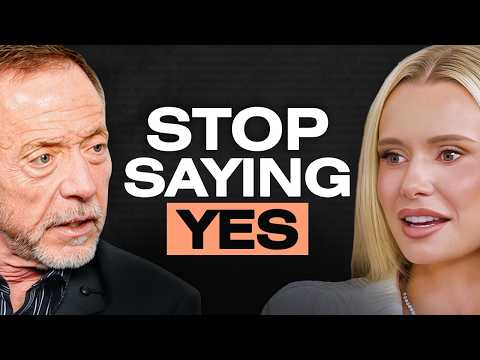
AI Summary
Behind-the-Scenes PR, Red Carpets, and Paparazzi Culture
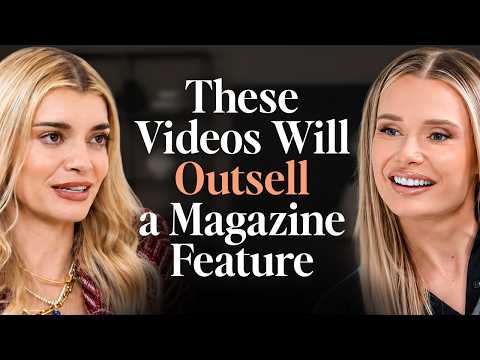
On Keep It Brief, host Natalie speaks with a public relations and influencer-marketing agency leader (associated with The Brand Agency / thebrand-agency.com) about how celebrity visibility, red carpets, paparazzi coverage, and media placements actually work behind the scenes—and what small businesses can take away without chasing high-dollar celebrity spend.
Explaining how red-carpet moments operate, the guest notes that events combine brand sponsors, press/photographers, and high-profile attendees or talent working within tight schedules and unspoken etiquette—such as timing arrivals around major headliners so photographers don't miss key shots, and sharing photos (including watermarked or agency images) across social channels for visibility. Turning to paparazzi coverage and outlets, she states that many seemingly candid street or outing photos are arranged, selected, or edited rather than purely accidental, often featuring clothing, accessories, or products tied to brand partnerships or agency placements, and notes that agencies like Getty have strict rules around disclosing edits compared with other photo agencies where selection and touch-ups may be handled differently.
Leading a Women-Only Agency, Standards, and Team Culture
Discussing running a women-only team serving large corporate and consumer clients (such as brands like Sephora, ESPN, Hulu, or Amazon), the guest says leading an all-women team has many strengths—including shared hunger, drive, and collaboration—while noting nuanced dynamics in pitches and client rooms, such as encountering rooms where leadership or decision-makers are older or mostly male, or dynamics where clients bring outside expectations or paternal/familial framing into the room.
She emphasizes that landing major clients takes years of grinding, starting early in a large PR agency (sending press releases by fax, working long hours without laptops in the early days, and learning foundational craft before launching her own firm 11 years ago) rather than chasing only the glamorous highlights like red carpets or travel. To keep standards high across the agency, she stresses clear processes, coaching B-players who show genuine drive and willingness to improve, and firing quickly when someone isn't putting in the work—noting that "candid is kind" both for clients and for teammates carrying the load.
Media Shifts, Affiliate Links, and Small-Business Tactics
Comparing the "old" media model—relying heavily on a small set of print magazines and editorial relationships—with today's fast-paced digital and social environment, the guest points out that shrinking newsrooms, 24/7 cycles, and performance/affiliate economics mean many editorial roundups and gift guides rely on affiliate links and commissions alongside sponsored placements. For small businesses, she suggests small-business owners can participate in affiliate networks (such as Impact, Awin, or Skimlinks) for relatively modest monthly fees plus commission, rather than assuming they must spend big on A-list celebrities.
She also encourages small businesses to build their own content and video presence (on platforms like TikTok, Instagram Reels, or YouTube alongside their own site and email list), lean into real user-generated content (UGC) and authentic product appeal (noting creative leadership shifts in luxury fashion such as Matthieu Blazy at Chanel and Jonathan Anderson at Dior alongside brand halo effects at houses like Cartier), and test in-person gatherings or complementary partnerships on a small scale first—such as hosting an intimate dinner for a few targets or non-competing partners—rather than overspending on a huge event upfront.
Full Transcript
00:00The industry's going to hate me that I'm
00:01talking about this, but the paparazzi
00:02game, it's all planned. Lo and behold,
00:05it's a brand that they're wearing a
00:07shoe. We all know what's going on.
00:10There's a whole slew of people like me
00:12doing this.
00:12>> I had no idea that it was at this level.
00:15>> Oh, yeah.
00:16>> I'm sure I'm being sold all the time
00:18without realizing.
00:19>> It's insane.
00:20>> Is there a way for a small business
00:22owner to tap into some of these type of
00:25marketing?
00:26>> I hope I don't get in trouble with my
00:28industry too much for talking about all
00:30of our dirty little secrets, but
00:34>> You service Fortune 500 companies with a
00:38female only team, and I'm so curious to
00:42better understand if this was something
00:45that helped you in pitches early on or
00:48if this was something that actually
00:50caused people to pause and doubt your
00:52ability to execute on their campaign and
00:55their vision and their strategy.
00:56>> Yeah, it's incredible, isn't it, to be
00:59working with clients of that caliber and
01:02to have a team of all super smart, you
01:05know, females is incredible.
01:08Um, but to answer your question, it has
01:10been a mixed bag. I think that
01:12sometimes, you know, you're across the
01:13table from someone that gets that you
01:16are, you know, young and hungry and
01:18you're going to do the hardest work and
01:20that the team, you know, has the same
01:22ethos and the same DNA. But I'm not
01:24going to lie, there's been pitches that
01:26I, you know, we have pushed them through
01:29until the last round. In my industry,
01:31you have to pitch a lot.
01:32Um, and we push them through to the last
01:34round and maybe we're talking to a
01:36female CMO and she's championing us
01:39inside the organization and we get to
01:41the last moment and I have this one
01:44distinct memory. It's a international
01:46organization. I won't name names. We
01:49flip on our Zoom and it was a room full
01:51of men, maybe 20 to 30 years my senior.
01:54And I just under my breath tell my team
01:56without obviously, you know, the Zoom
01:58catching saying we're not getting this
02:00pitch and what do you mean? You know, we
02:01were about to like razzle-dazzle
02:04um the crowd, the virtual crowd. And
02:07like, there's no way. In my head, I knew
02:08we were not going to get it. And lo and
02:10behold, we didn't. And I feel that
02:12again, there's so much goodness to
02:15having a team of females, but I also
02:18feel that sometimes, you know, whatever
02:20feelings someone has for
02:23the female in their family, they'll
02:25transfer it over to you. I've also
02:27worked with, you know, this one CMO that
02:30comes to mind, and he had a daughter my
02:32age, and you could tell that in his eyes
02:35I was his daughter that he needed to
02:37guide and that didn't have all the
02:38information. And it's frustrating. So
02:41it's magic what we have built, but I do
02:44think it has hurt us in some instances.
02:47>> So walk me through when you say we do a
02:50lot of pitches,
02:52>> Oh yeah.
02:52>> walk me through what this process looks
02:54like because in order to land a client
02:57like a Sephora, an ESPN, a Hulu, an
03:01Amazon, it feels so out of reach and
03:05like there are 25 gatekeepers and 25
03:09steps between somebody having an idea
03:12and wanting to put it and and work with
03:14these brands and actually being able to
03:16land that opportunity.
03:18>> Yeah, I'm not going to lie, it's a
03:19hustle. You know, I didn't start my
03:21company and the first client through the
03:23door was an Amazon or a Sephora.
03:27Um and I think it just speaks to the
03:29entrepreneurial mind. It's just one foot
03:31in front of the other and, you know,
03:34every day it feels like it's 1%, 1%, but
03:36then you look back and you have gone
03:38through a year or two and you're like,
03:40holy moly, like I scaled you know, I
03:42climbed a mountain I didn't know
03:43existed. So to work with these clients
03:46and to have you know, to be able to be
03:49in a room and pitch someone like an
03:52executive at that caliber was a lot of
03:54work. And I think what is happening a
03:56lot and I 'm seeing with the younger
03:57generations, they don't realize the
04:00value and I sound like a dinosaur now,
04:02they don' realize the value of actually
04:05getting your hands and you know, getting
04:08a little dirty underneath someone for a
04:11few years so you can learn the craft. I
04:14feel that that is missing a lot. I feel
04:15people want to jump straight into, you
04:18know, opening their own shop or, you
04:20know, opening their own company, but
04:22there is something to be said about
04:24learning from someone that has wisdom,
04:26that has acquired knowledge for decades
04:29and learning by osmosis, you know,
04:31living in their ecosystem. There is
04:33something to be said about learning in
04:35that way and I started in that way. I
04:38started at one of the largest public
04:39relations firms. So I built a network
04:42over the eight and a half, nine years
04:44that I was there. Did I like not being
04:46my own boss for that long? No, but it
04:48was
04:49crucial to what I built later. And after
04:53I set up shop and I opened up my own
04:55company, it was really, you know,
04:58incredible to see how the caliber of
05:01clients, the caliber of engagement
05:03scaled. So to get to that level that we
05:06are at now, it's not the just now, it's
05:08the 20 years that came prior to it. It's
05:11the late nights of falling asleep with
05:12your laptop in your bed. It's waking up
05:15at 5:00 a.m. because if you don't get a
05:16workout and you know your day is going
05:18to be gone and you're not going to be
05:19able to do anything for yourself. So
05:21there's a lot that happens before you
05:24land that client and most of it is grit
05:26and hard work.
05:27>> Mm.
05:28>> It's the truth.
05:29>> When you think about the years that you
05:30spent working inside a PR firm, what did
05:33you learn that helped you create the
05:35firm that you have today?
05:37>> I think the biggest lesson there was
05:40putting your head down.
05:42I cannot
05:45underscore the importance of actually
05:47doing the work and not skipping those
05:49steps. I mean, you have to remember I
05:51started in PR when we were sending out
05:53press releases via fax. I'm dating
05:56myself, I know.
05:57But, you know, if you had to work over
05:59the weekend, there was no such thing as
06:01I'm going to flip my laptop open and
06:03like at a coffee shop or in my bed at
06:05home. You went into the office to work
06:07from your desktop. We didn't have
06:08laptops. So I have memories of Friday
06:11nights, you know, friends calling,
06:13they're going out, doing something fun.
06:14I'm in my 20s in Los Angeles. Of course
06:17I want to be out, but I'm typing away. I
06:19have memories of crying at the office at
06:2110:00 p.m. on a weekend, you know? And I
06:24think that that's the biggest lesson
06:26that if you do want something, you can't
06:28just wake up and you know, manifest it.
06:31The the thinking and the the wanting it
06:34has to come with an equal amount of hard
06:36work.
06:37>> If you're spending all of your time
06:39delivering for your customers and no
06:41time building your brand for your own
06:43business, it's time to work on your
06:45business instead of in your business.
06:48Learn more about spending three days
06:49with me at the Elite Edge event coming
06:52up at the link in the description.
06:54I wonder if you see something
06:57through the industry that you're in that
07:01I don't, which is
07:04people not wanting to put in that level
07:06of work. I'm kind of in a little bit of
07:07a bubble where
07:09I'm around business owners and I'm
07:11around team members who
07:13come to our business and come into my
07:15life because they have some goal and
07:18they want to get someplace else. And so
07:21that hunger and that grittiness already
07:24exists or else they wouldn't be there to
07:27begin with. But I could see in PR and in
07:31LA where you have online manifestation
07:35groups and all of these different places
07:39where people are sold this dream and
07:41instead of the dream being being an
07:43actor, being famous, it's turned into
07:45the dream is being able to start your
07:47own agency and being an entrepreneur and
07:50have this like high flutin life and they
07:52aren't really seeing the behind the
07:54scenes. Do you run into that?
07:56>> Absolutely. I feel the public relations
07:59industry and the influencer marketing
08:01industry, which is two worlds that we
08:03live in quite heavily,
08:05are filled with the veneer of glamour.
08:08Obviously, you see my team and they're
08:10uploading on their social media
08:12themselves at a red carpet or traveling
08:14internationally for a client or hanging
08:17out with the creators, you know, that
08:19have become friends over engaging them
08:21time and time again. No one is going to
08:23post when they are doing an Excel, you
08:26know, sheet for the 10th time for a
08:28client and it's the 12th hour that
08:30they've been sitting in front of this,
08:32you know, sheet with their eyes almost
08:34bleeding from looking at it. So I think
08:37the industry is ripe for people that
08:40look at that glitz and that glamour and
08:41don't understand that to get to the red
08:43carpet, it was countless hours of
08:46publicists emailing back and forth, you
08:48know, collecting hundreds of RSVPs,
08:51researching lists, you know, it's so
08:53much work to get to that shiny moment.
08:56And I think that is missed. So to
08:59answer, you know, your question earlier
09:01about does this happen? Do you see it a
09:03lot? Absolutely.
09:05Um we see a lot of people that, you
09:07know, get into the career because they
09:09want that shiny life. They want to
09:11travel. They want to be on red carpets
09:13and with creators and celebrities and,
09:16you know, having that lifestyle, but
09:18they don't want to put the work behind
09:20it and it just it it won't work. You
09:22know, you have to have both things. And
09:24um I see those moments of, you know,
09:27traveling or stepping on a carpet or
09:30making friends with someone that's, you
09:32know, very influential in their own
09:34right as like a pinnacle and as, you
09:37know, the way that the industry rewards
09:40you. Those are beautiful moments. Don't
09:42get me wrong. We all enjoy them, but
09:45they cannot come without the sacrifice
09:46first.
09:47>> Mhm. How do you screen that when you're
09:50hiring people so that you're getting the
09:52ones who understand
09:54that the moment is not actually the job?
09:58>> I'm not perfect. Um and I think one of
10:00the
10:01sad parts about being an entrepreneur is
10:04that you lose patience very easily. I
10:07feel that the
10:08the better you get at your job, the
10:10better you get at your career, your
10:12patience becomes smaller for people that
10:14don' want to put in the work or um that
10:18are coming up with excuses for why they
10:20can't do the work. So it's tough. Our
10:23hiring process is multi-level. You know,
10:26you're talking to many people at the
10:27firm and still things slip. Um I have a
10:31conversation with my team about once a
10:33month and I know this sounds so savage,
10:36but we're on town halls and I let
10:37everybody know we are a team of eight
10:39players. If by the skin of your teeth
10:42you you know got through the interview
10:44and we didn't realize you were a B,
10:46we'll make you an A. Okay? We're going
10:47to get you there. Nobody without
10:51an A
10:52mindset can have a seat on the bus. You
10:55are not going to be part of this team.
10:57It's just not the way it is. I cannot go
10:59to one of my clients, a Fortune 5
11:01company and say, I am so sorry. I know
11:04you're used to a caliber of work, but
11:06this person, you know, they woke up.
11:08They didn't feel like it. That's not how
11:10it works. We have to respond in kind to
11:12the type of client that we are servicing
11:15and for that reason, yes, it might sound
11:17a little cold and savage to say if
11:20you're not an A player, there's no space
11:22for you, but I don't have patience. It's
11:24you get to a point in your career where
11:26you cannot slow down. And furthermore,
11:28and I think even more important,
11:31it's unfair to the people that are
11:33working their tails off for you to slow
11:36down the team for a C player. That can't
11:38happen.
11:39>> Mhm.
11:39>> Um so this is a mentality that we live
11:41by. I talk to my team about it all the
11:43time and it weeds out people that know
11:46in their heart they're not ready to put
11:47in the work. So
11:49you know, does someone still slip
11:51through? Yes, um but we try our very
11:54best to make sure that we keep up that
11:56ethos. I owe it to our clients, but more
11:58importantly, I owe it to every single
12:00person in the firm.
12:02>> I think it's so important to be able to
12:03connect
12:04why the work is important to the mission
12:07of the organization, which is the
12:09servicing of your clients. So
12:12yes, you it it's savage. It shouldn't be
12:14that savage because it it's how
12:16businesses run, but people can be easily
12:19offended by things these days. Your
12:21ability to just say, hey, the clients
12:22are what matter and so therefore we have
12:24to deliver this excellent experience and
12:27our team matters, so we're not going to
12:29let schleps be alongside a team members.
12:34But your comment about if you're a B
12:36player, we're going to turn you into an
12:39A player, what is in the environment
12:43that forces somebody who might be out of
12:45B to level up to become an A?
12:48>> We've developed processes throughout
12:51these last 11 years. I opened the firm
12:5311 years that are perfected and
12:56foolproof. Do they evolve? Absolutely.
13:00Um but the way that we do things is a
13:02science and you know, I can get into
13:04some of those things, but you know, if
13:07someone comes to us as a B player, we
13:09are not going to offboard you
13:11immediately. If we see that there's
13:13potential and if there is a want, I
13:15think that is the most important thing.
13:17Like there's so many people that just
13:19don't want it. So why am I going to
13:20spend my time trying to give you
13:22something you don't even want? That
13:24would be, you know,
13:25ludicrous.
13:27Um so if we can tell that somebody wants
13:29it, if we can tell that they're almost
13:31there, they have the capabilities, it's
13:33just a matter of training them in our
13:35processes or, you know, giving them a
13:38little extra love during the first
13:39couple of months that they're there, I
13:41think that's a fine use of our time. But
13:43if you do encounter someone that
13:46um is shying away from the hard work,
13:48it's not a fit. It's not a fit and we
13:50fire fast.
13:51>> I love firing fast.
13:52>> I you know, it was such a hard lesson
13:54for me to learn. It was so hard. Yes.
13:58>> Cuz you wanted to keep them and
13:59>> and because I got and you know, they
14:01have this going on and poor thing told
14:03me that this other thing is going on and
14:06you know, I would really like the first
14:09firings were I would take them to heart.
14:12Now, you know, it's it you're doing them
14:15favor. Candid is kind. Um and I think
14:18the person in the role is not going to
14:20feel great because they know that
14:21they're not at the level of the rest of
14:23the team. And you're not going to feel
14:24great constantly chastising or
14:26correcting work. So it's a fit. I think
14:29firing fast is one of the kindest things
14:31you can do.
14:32>> I could not agree with you anymore.
14:33[gasps]
14:34Walk me through this like kind of
14:36unveiling of what even happens when
14:39there's a red carpet moment. You just
14:41listed off a handful of minutes ago.
14:43There's like publicists and I have no
14:46idea. Like literally zero clue. Talk to
14:49me like I'm a kindergartner about
14:51somebody sees a red carpet moment. What
14:54is happening behind the scenes and why
14:56is that strategic for the brand but then
14:59also important for the people who are
15:01walking on these carpets?
15:03>> Yeah. I think the you know concept of a
15:06red carpet has morphed in the last
15:08couple of years but the gist and the
15:10idea, the spirit of the red carpet is
15:13still there. And basically you have you
15:16know a brand, an entity promoting
15:18something and you're condensing the
15:22possibility for amplification in 120 ft
15:25space, let's call it, right? So you have
15:28a studio releasing a film or a brand
15:31that's doing a product launch and they
15:32have celebrities attending. All of that
15:35is an ecosystem from the mo- even before
15:37you step on the carpet there's the logos
15:40in the back. They tell you about who's
15:42paying for the event basically. On the
15:44other side of the carpet that no one in
15:47the public, no you know consumer is too
15:51aware of is the layer of press and
15:54photographers. So you have the people
15:56that are press worthy, let's call them
15:58that press will care and take their
16:01picture and put it on their publications
16:04or that creators will take you know B
16:06roll of them walking the carpet in their
16:08publication. So those are the people
16:10that are doing the amplifying. It's your
16:12celebrity. It's the star of the movie.
16:14It's you know the face of the brand.
16:17And then on the other end it's the
16:18people that are going to enable that. So
16:20we're all working together and you all
16:23have to play nice in an environment that
16:25does not bode well for playing nice. The
16:27photographers need a certain type of
16:29image, but then the personal publicist
16:31for the celebrity needs to run the
16:33celebrity through because they're
16:34typically late to whatever it event it
16:37is that they're going through. So we're
16:39all playing by these unspoken rules. And
16:42sometimes you're just robbing. I had a
16:44red carpet this Sunday and I'm thinking
16:45of it. I was just not doing too great
16:47with the photographers, but you're
16:49thankful that they're there because
16:50ultimately they're the ones that are
16:51going to propel
16:53your client forward. So you play nice
16:56and you try to make their experience as
16:58best as you can.
17:01Um but yeah, it's this ecosystem which
17:03has, you know, the press photographer,
17:06the celebrity or creator that's the face
17:08of the brand or movie or TV show, and
17:11then the brand paying for all of it or
17:13brands with an S.
17:14>> So for somebody who's never walked a red
17:17carpet before and I've only done this
17:18and it was like the most embarrassing
17:20thing of my life. I did this
17:22like eight years ago. There was a big
17:24event at the Coliseum in Rome with Elton
17:28John and Sharon Stone and a bunch of
17:31celebrities were there. I was an
17:32attendee of the event, but as an
17:34attendee you got to walk the red carpet
17:37and there are all these photographers.
17:39And you know, they're making this big
17:40deal about like whoever the person is.
17:42And then you know, I I walked through
17:45and
17:46like one person took a picture.
17:47Everybody else is like talking.
17:49>> crazy. This is the unspoken rule.
17:52There's an actual, you know, like
17:56there's set rules for this type of
17:58stuff. Like if you are arriving, let's
18:00say we're both going to an event, we're
18:02going to get photographed,
18:04but JLo is coming, you do not want to be
18:07not 10 minutes before or 10 minutes
18:09after JLo is set to be on the carpet.
18:11You need to avoid the bigger talent
18:14because otherwise the photographers
18:16don't want to miss the shot with the big
18:18celebrity. So they won't even lift up
18:20their camera. So I'm guessing in this,
18:22you know, event that you were in Rome,
18:24you probably had someone that was like
18:25two minutes out. And the PR team doing
18:29the event, usually they're on walkies,
18:31you'll notice them. And they're
18:32whispering in the press pit, you know,
18:35so and so is two minutes out, so and so
18:36is three minutes out. You're kind of
18:38getting the press, the photographers
18:40ready for whatever talent is coming
18:43through. So if you happen to walk while
18:46they're expecting, you know, a
18:49JLo or Elton John that was maybe
18:50headlining the um event, that seems like
18:54something that would happen.
18:55>> Well, also I'm a nobody, so
18:57>> Oh my god, yeah.
18:58>> 10 like and especially 10 years ago,
19:00like I am a complete nobody in this
19:02ecosystem.
19:03So
19:05but in modern
19:07media, with TikTok, with Instagram, cuz
19:11this is still it's very still foreign to
19:13me to think about how this all works.
19:15When you say the press, like they want
19:18the shot,
19:19it's no longer as relevant to be
19:23immediately sending that photograph to
19:27People magazine.
19:29And so that shot is still being used as
19:34a way for somebody on social media to
19:36take it and promote themselves that they
19:38were at this event and that's getting
19:40them some sort of
19:42>> It opportunity. Yes. So I'm certain you
19:45see a lot of the creators, they'll post
19:47their images with a Getty watermark.
19:49>> Yes.
19:50>> We as publicists give them the
19:52photo. We pay for the photo without the
19:54watermark. They still post the Getty
19:56watermark because it means you weren't
19:58on Getty, right? And why is being on
20:00Getty
20:01There's a cachet there that means that
20:04you were, you know, a part of an event
20:06that had that type of significance. Um
20:09no one is going to hire Getty or Getty
20:11isn't going to send a photographer to
20:13the opening of a garage door, right?
20:15Getty is at the places where
20:19a plus plus talent is at. So that Getty
20:22watermark is an association with that
20:24type of event. It has that importance.
20:27Um, there's another photo agency, BFA,
20:29that I'm certain now that I'm seeing it,
20:31you're going to see the logo. And I
20:33mean, I'm not even talking about the
20:35paparazzi ecosystem, too. Like a
20:37backgrid We all know what's going on.
20:39>> What is going on? No one know I don't
20:41know what's going on.
20:42>> [laughter]
20:43>> That's so funny. So for I say we all
20:46know and I guess I live in a bubble in
20:48Los Angeles and you know, uh, working a
20:51ton in New York. But the paparazzi game,
20:53it's all planned. Like there is no such
20:56thing as I mean, I would venture to say
20:58that the vast majority of the things
21:01that we're seeing in a Du Mar or any of
21:03these, um, you know, new age outlets has
21:08been planned and edited by the way. So
21:11the reason why you do not see Getty
21:14paparazzi shots The industry is going to
21:16hate me that I'm talking about this, but
21:18you don't see Getty paparazzi shots or
21:20they're few and far in between is
21:22because Getty has to mention if they
21:24edited your face or your body or
21:27anything about the image. Getty will
21:29have to say this was edited.
21:31So
21:32if there's an A++ celebrity that wants
21:35to do a walk and get photographed, but
21:37maybe they are always a little edited,
21:40do you think they're going to call
21:41Getty? No, they're going to call another
21:43one of the photo agencies that will
21:45allow them to see the images, that will
21:48edit the images for them, and then they
21:50select They're called selects. And they
21:52kill It's also called kills. The images
21:54they don't want and then they post up.
21:57And typically when you're seeing one of
21:58those beautiful paparazzi shots, low and
22:01behold, it's a brand that they're
22:03wearing or a shoe or, you know,
22:06something that they're holding in their
22:07hand. And that's the brand that is
22:09paying for all of this, you know,
22:12kerfuffle. Uh, but it's all rehearsed.
22:14Everybody knows what's going on. There
22:16is no such thing as someone walking out
22:17of Nobu Malibu not knowing that they're
22:20going to get shot.
22:21>> Wow.
22:22>> It's insane. Yeah. And this has been
22:24going on since, you know, the beginning
22:26of time. We're just
22:28I think uh
22:30a little bit more open. I think the
22:32industry has always been insular and
22:34taboo and you know, you can't talk about
22:36that. Um and I probably shouldn't be
22:38talking about it, but it's just the way
22:39it works, you know? It is what it is.
22:41>> It is the way that it works. So when I
22:44was pulling up People magazine in the
22:46nail salon growing up and seeing, you
22:48know, Kate Hudson rocking UGG boots,
22:53Kate Hudson and UGG were in some sort of
22:55collaboration. Paparazzi didn't just
22:57happen to snap a picture of her.
22:59>> And you know, it's Kate Hudson
23:02you know, when I was picking up People
23:04magazine, but now it's an Amelia Gray or
23:06a Bella Hadid eating pizza with an UGG
23:08boot. I mean, it's all
23:10you know, there. Um and I think
23:14consumers are getting a little savvier,
23:16but it still works. You know, it's still
23:19a gorgeous person looking fantastic in
23:22the product and using it in their
23:24everyday life. So these images still go
23:26far and they're still amplified. So this
23:29industry still exists. Um it's a funny
23:33world to live in, but
23:36you know.
23:37>> I'm a savvy person and I I get social.
23:39I'm on social often. I see these
23:41pictures. I had no idea that it was at
23:44this level.
23:44>> Oh yeah. Yeah.
23:46>> Because I'm I'm sure I'm being sold all
23:47the time without realizing that I'm
23:49being sold it.
23:50>> how many paparazzi walks I do for
23:52clients all the time. I mean, it's think
23:55of everything you wear on yourself or
23:56you're holding.
23:58A drink, a shoe, you know, a bag,
24:02clothing.
24:04It's insane.
24:05>> Is there a way
24:07for a small business owner to be able to
24:10tap into some of these tactics or this
24:13type of marketing or is this just too
24:17out of touch, not reachable for somebody
24:20who
24:22has a small business and is trying to
24:23get their brand out there?
24:25>> I think for someone with a small
24:26business, I would
24:28suggest the spend on a celebrity, on an
24:31A++ celebrity.
24:33Um and sometimes I have an amazing list
24:36of clients and there's times that I
24:38suggest they do not move forward with a
24:40celebrity of that caliber. You have to
24:42weigh the costs benefit as with
24:44everything. So if you are a small
24:46business owner, I think the beauty of
24:49the day and age that we are at is that
24:51you can be your own content machine, you
24:53can be your own media machine. And if
24:56you are a business owner, chances are
24:58that you became a business owner because
25:00you were the best in your city, in your
25:02town at something. So why are you not
25:06sharing that and creating content around
25:09exactly what you know? I see a lot of my
25:12clients that are female entrepreneurs
25:15and male entrepreneurs too that have
25:17this cringe factor. I think it has
25:20something to do with my age demographic.
25:22Again, I'm aging myself, but you know,
25:25talking to the camera feels foreign,
25:27pulling up your phone and creating a
25:29video feels icky. I can understand that.
25:32I myself was that way, but it works.
25:34There's a reason why, you know, the
25:37content that we have is surpassing in
25:40terms of the attention it's getting from
25:41consumers anything else that we have
25:43been doing. Um there's a reason why
25:46legacy media is moving into verticals
25:48like a TikTok. They wouldn't do so if
25:51the old formula was working. And I think
25:54the beauty and and what small business
25:56owners might not understand is that if a
25:59Washington Post, if a New York Times is
26:01opening up a TikTok account because they
26:03want to reach that audience, you have
26:05access to a TikTok account. Why are you
26:07not becoming your own media vertical?
26:10Not only do you have your own, you know,
26:12TikTok or Instagram account or X or, you
26:15know, YouTube, whatever it may be, you
26:18also have your own site, your own
26:20website. You have an email list. Like
26:23you can create a community, you can
26:25create a niche. Um it's, you know, that
26:28saying of going a mile deep and an inch
26:31wide, you can do that for your industry,
26:34for whatever it is that you're servicing
26:35as a small business owner, and get the
26:39results that maybe a huge celebrity or a
26:42huge creator would have gotten you.
26:44>> You just mentioned a I think you
26:46referred to it as a formula.
26:50The old formula of media versus the new
26:53formula of media. For someone who does
26:55not understand what's happened in media,
26:59could you explain what the old formula
27:01is and what the new formula is?
27:03>> The old formula was, you know, you had
27:05your legacy media outlets. You had a
27:08handful of monthly magazines that you
27:10would want to be in. Let's say you're a
27:11fashion brand. You had Vogue, you had
27:13Elle, you had Harper's.
27:15Um and then you had a handful of the
27:19weeklies that was Us Weekly, People
27:20magazine. Literally, it was five that
27:22came in the news stand every Wednesday.
27:25And if you wanted to create a brand, you
27:28had to sway editors to think that you
27:30were the coolest thing. And then you had
27:32to, you know, get coverage for your
27:34products, for your collection in this
27:36type of publication, right? And then
27:39consumers, that's what they were uh
27:41digesting in their media diet, and then
27:44the purchase came, right? That no longer
27:47works. I can get you in a print
27:49publication until we're both blue in the
27:51face.
27:53You are not going to convert the way a
27:55good UGC video is going to convert right
27:58now. UGC is user generated content. So
28:01it's not a big celebrity or a big
28:04creator that's creating the content.
28:06It's, you know, a person like you and me
28:09that is just sitting at home and thinks
28:11the product is good.
28:12Um so, you know, gone are the days where
28:15you need an extensive PR firm with a big
28:19team and a huge retainer that you're
28:21paying monthly and flying to New York
28:23for desk sides. You don't need that. As
28:25a small business owner, you can get the
28:28same impact by thinking through what are
28:31the tools that you have at your
28:32disposal? What are the levers that you
28:34can pull? And then how do you make your
28:37expertise shine in those verticals? And
28:41you know, it doesn't require a ton of
28:43cash. It doesn't require, you know, a
28:46full day of work. There is some planning
28:49and strategy, but I think the the most
28:51important thing is starting because once
28:54you start, you'll get to see if there's
28:57an appetite for this type of content you
28:59put out or this other type of content
29:01that you put out. Um you can make that
29:04feedback loop
29:06a lot quicker than whereas in the old
29:08model before you would have to pitch a
29:11magazine three months before. You would
29:13have to send the product to wherever it
29:15is that they were shooting and then the
29:17magazine would hit newsstands three
29:19months later. Um and you would just, you
29:22know, do the sign of the cross and hope
29:23that you sold. Um so now you have a lot
29:26more agency and there's a lot more
29:28action you can take. You're not
29:30dependent on this all powerful editor.
29:33Um you can, you know, do things on your
29:37own accord and you can test and learn
29:39and recalibrate if needed.
29:40>> I think it's very human to look back in
29:44time and think, oh, if I was alive in
29:46the '20s, I would have been able to
29:48figure out the stock market or if I was
29:51alive during this time, I would have
29:53known to be cool in this way to make it.
29:56And to not be able to really properly
29:59assess where we're at right now with
30:02existing opportunities right now to
30:04create that life and whatever the
30:07targeted result is with today's
30:09resources. Would you say that the that
30:11resource today is the content creation
30:15vehicle on TikTok?
30:17>> Absolutely.
30:18>> It's TikTok.
30:18>> I think it's TikTok. I think Reels. I
30:20think YouTube. I think anything that is
30:22video is where we are all going and
30:25where we have been for a while.
30:27Um there's a lot to be said about video
30:31and you're right. I think someone, you
30:33know, hindsight is 2020. So if you and I
30:36were to have this conversation 20 years
30:38ago, I mean, 20 years into the future,
30:41we would say we should have picked up
30:43our phone a little bit more. We should
30:44have produced a little bit more content.
30:47It is a tool that we have and that I
30:48think, you know, generations,
30:51you know, down the line are going to
30:53say, why didn't they do more with it?
30:54Similar to your analogy with the stock
30:56market, right?
30:58Um so I do think that it's a video is a
31:01very valuable tool and it's
31:03underutilized by small businesses 100%.
31:06>> When you think about
31:08this this idea of
31:10swaying editors,
31:12>> Mhm.
31:12>> back in the day, you had to sway the
31:15editors. That was the pitch.
31:18Earlier in the conversation, you were
31:19talking about the pitches that you're
31:21still doing for these different brands
31:24and the representation that you have for
31:26the brands that work with you or the
31:28people who work with you. So, what is
31:31the pitching process today if you're
31:34still doing this versus back then with
31:37the editors?
31:38>> So, pitching editors is
31:41it used to be an art form and you needed
31:44a personal relationship with the editor.
31:47And this is why PR firms were so key in
31:51becoming the middleman between, you
31:53know, the product, the brand, the
31:55thought leader, and the editor or the
31:58writer, the reporter.
32:01Um this is also another dirty little
32:03secret from the industry. Now,
32:05everything is driven by e-commerce.
32:08And our writers, our editors, number
32:12one, their teams have been severely
32:13reduced. So, if you had a reporting team
32:16of 20, now it's maybe two people that
32:19have to pump out seven times the number
32:21of stories because now we're in a 24/7
32:24news cycle, whereas before it was
32:26monthly or weekly. Daily newspapers were
32:28the dailies, but you know, everything
32:30was slowed down. Now, our writers and
32:33editors under this new ecosystem where
32:35they have to pump out content
32:38and it's a smaller staff, and they have
32:40to make sure that they're bringing in
32:42money for the publication because
32:44remember, ads, as we know them, don't
32:47exist. We have this thing called
32:49affiliates where every time you read a
32:52story that says the 20 best sun blocks,
32:55you're going to click on the link, and
32:57because the publication wrote about you,
33:00on the back end, there's a whole, you
33:02know,
33:03slew of platforms that take care of
33:05this, the publisher, the publication is
33:08going to get a percentage off your
33:09purchase. And if it's an Amazon
33:11purchase, they get a percentage off your
33:13basket, right? So this is what I think
33:15people and just a regular consumer
33:18doesn't understand. Gone are the days
33:21when an editor would recommend something
33:24or, you know, not completely gone, but
33:25it's very few and far in between, where
33:28an editor recommended something because
33:29it was at their taste level because they
33:31knew all the cool girls in their circle
33:33were using it. That's no longer. They're
33:35recommending based on what click is
33:38going to get their publication the most
33:39amount of money because that's what
33:40they're being graded on. So now brands
33:43and products and, you know, everyone
33:46that wants to be featured in press needs
33:48to optimize for this new system, right?
33:50So now it's no longer taking an editor
33:53to a ritzy dinner, that does still
33:54exist, but not to the level that it used
33:56to. It's more how do I have my affiliate
33:59network set up so that the publication
34:01can easily claim that commission.
34:04>> Fascinating. So if I'm getting a
34:05recommendation for a lip balm
34:09>> Mhm.
34:09>> from a
34:11article similar to what you just said,
34:12the 20 best lip balms
34:14and when I'm buying that lip balm
34:17from the article cuz I go to their
34:19website or I go to Amazon,
34:21>> Yeah.
34:21>> the publication is now getting
34:23>> a commission.
34:23>> a commission on that purchase.
34:25>> track, you know, your click and then
34:27they get a percentage off the purchase.
34:30>> So brands like
34:32I don't know if you work with any of
34:33these brands. I'm just these are off the
34:34top of my head. Brands like Huda Beauty
34:37or Summer Fridays or these these very
34:41like aspirational
34:44beauty brands and I'm sure all sorts of
34:46brands, they have relationships with
34:49these publishers. So they are doing some
34:51level of traditional media because
34:53they're still featured in these
34:54traditional publications, but then
34:56they're also focused on a UGC strategy,
35:00but in the publication they've likely
35:02paid for
35:04that allure or whoever.
35:06>> they don't necessarily give let's say
35:07allure a $20,000 check to be featured.
35:11It's more the commission. If they do
35:12give a check and that can happen, it'll
35:15say you know article sponsored by or
35:17article in collaboration with or
35:19different language. So that's easier for
35:22a consumer to spot. It's the link back
35:25that is harder to spot.
35:26>> can't see.
35:27>> You know the consumer can't see it.
35:28Sometimes some of the links will change
35:30a little bit and you'll see the
35:31affiliate network like it'll swap to the
35:33affiliate network link and then back.
35:35>> Mhm.
35:35>> Um but for the most part it's you know
35:37impossible for a consumer to spot, but
35:39that's happening. And even the first uh
35:41person stories like I wore these jeans
35:44and got so many compliments and then
35:45they're linking back to the jean and
35:47then seven jeans similar to the one that
35:50they got so many compliments on
35:51affiliate play.
35:53>> Interesting.
35:53>> Mhm.
35:54>> Crazy.
35:55>> And you know as a consumer you don't
35:56know, but there's a whole slew of people
35:58like me doing this day in and day out.
36:00>> Uh-huh. If you were a consumer that this
36:04was like a new conversation too,
36:07where would you go to find actual
36:09recommendations that you trust?
36:11>> It is impossible. I think I have
36:14corrupted not just myself, but like
36:16everyone in my circle, my mom, my
36:18sister, they're like this isn't real,
36:20right? You just you work in this
36:22industry for as long as I have and you
36:24become a little cynical. Um I truly go
36:28off I know this sounds crazy Reddit.
36:30Like there is you know now Reddit is
36:32being infiltrated too by a lot of this
36:35um
36:36type of marketing, but for the most part
36:38if you're looking at an old thread or if
36:40someone tries to do that the Redditors
36:41will comment. So if I myself I'm looking
36:43for something, I'll do that or word of
36:45mouth.
36:46Um, you know, that that's also viable.
36:49And I'm not saying that pics that these
36:51editors or these publications are
36:53um using aren't great. They are. And a
36:56lot of times they're on the nose and
36:58they, you know, still have a level
37:00um of quality that they're going to
37:02adhere to, but there is that those
37:05economics playing on in the background.
37:07So we can't be blind to that either.
37:08>> Mhm. And so if a small business owner
37:10did have a product that they wanted to
37:12get into one of these publications and
37:14they set up this affiliate system
37:17>> That is a perfect use of their time. And
37:19it is so accessible for a small business
37:22owner. If you have a product
37:24um or, you know, a service that can be
37:27linked back to, you go on something like
37:30a Skimlinks that is now owned by Taboola
37:33or Awin. It's another network. Impact.
37:36You just Google this and it'll pop up.
37:38It's a small um
37:40process, application process, and the
37:43fees are nominal. It can range anywhere
37:44from 50 bucks a month to a couple
37:46hundred bucks a month. And you set
37:48yourself up on an affiliate network and
37:50then you can play this game.
37:51>> Okay, give me the give me the what am I
37:53researching if I was a business owner
37:55doing this right now? What would I put
37:57in
37:57>> is a good one.
37:58>> Impact? I M P A C T.
38:00>> Uh-huh.
38:01I M P A C T.
38:02>> Yeah, Impact. That's just what it's
38:03called.
38:04>> Mhm. Impact, yep. And then another one
38:06is um
38:08Awin. A W I N.
38:11And they all ladder up to Skimlinks.
38:14>> Okay. Business owners, if you're
38:15listening to this and you have a product
38:17that fits this, I would strongly
38:19recommend for 50 to 100 bucks a month.
38:22It's
38:22>> a no-brainer.
38:23>> Nothing.
38:24>> Plus the commission you give the outlet,
38:26right? But if they're making you sales,
38:28you will happily hand over the
38:29commission.
38:30>> And that can get somebody where? Where
38:33could their product be potentially
38:35placed?
38:35>> say an editor is doing gift guides
38:38and they are between two brands of
38:41products that are very similar. One is
38:43on these affiliate networks and another
38:46one is not.
38:47guess which one goes in the gift guide.
38:49>> Wow.
38:50>> So if you are a small business owner and
38:54you have products, especially now with
38:55holiday coming up,
38:57100% a worthwhile use of your time.
39:00>> I'm just realizing how much of a sucker
39:02I am because I am buying gift guide
39:06recommendations.
39:08Hit me with a top, you know, 15 white
39:11blouses of the season and I'm going to
39:13buy one or two. I'm probably going to
39:14buy the number one blouse if it is looks
39:16like something I would wear.
39:18>> Yeah.
39:18>> And it really is not somebody
39:20>> fall for it. So you know, but I have you
39:23do it with a little bit more of that
39:25mindset of like I know I'm being sold
39:28to, but that's okay because I do
39:29actually agree with the picks.
39:32Um but yeah, everybody in my life I'm
39:34like, oh no, that was a stage paparazzi
39:37shot. You know, whatever they're wearing
39:39isn't that great or you know, you just
39:41you get a little savvier if you're in
39:43this line of business.
39:44>> So seeing what you've seen, what product
39:47would you say is worth the hype that
39:50does get quite a bit of marketing
39:52dollars and PR attention put to it?
39:54>> I think anything fashion wise, if it's
39:57something that makes you feel
39:58comfortable or
40:00makes you
40:02feel powerful or a certain type of way,
40:06you know, if you are a girl that loves
40:08the YSL loafer that is, you know, all
40:10the rage now,
40:12by all means get it. You might be being
40:14sold to. Maybe all the creators that
40:16you,
40:17you know, have on your feet got it
40:19gifted or whatever it may be, but if you
40:21love it and it makes you feel a certain
40:22type of way, get it. That's I think a
40:25worthwhile
40:27spend. So honestly, I'm all for anything
40:30that makes you feel a little bit more
40:31powerful, a little bit more confident,
40:33go for it, girl.
40:34>> When you think about the Chanel
40:37relaunch, I am noticing some of your
40:40Chanel items and now it just has my
40:42wheels turning. This is not where I
40:44thought the podcast was going to go, but
40:46I'm I'm I'm here for this. Chanel got a
40:49>> new creative director about a year
40:51>> Matty Blazy.
40:52>> Yeah, about a year ago and the
40:53collection came out in his first
40:55collection came out in February of this
40:58year and the shoes have gone, the bags
41:01have gone. I mean, there has been a
41:03frenzy around Chanel since he came on
41:06board. Is all of the influencer
41:10marketing coming from this strategy?
41:14>> No, I think he actually has talent. I
41:16think that's an exception to the rule. I
41:17think him and Jonathan at Dior now are a
41:21complete exception. They're just like
41:23unrivaled. What they're doing is just so
41:26creative and so unlike anything we have
41:29ever seen. The hype is real for them. Um
41:33you know, is Chanel and is Dior still
41:36seating and dressing people for red
41:38carpets and you know, having um those
41:41relationships with stylists that dress
41:43celebrities? Absolutely. It's a machine,
41:45you know? And there's a reason why
41:48there's certain brands that we love over
41:50others. Like why do you prefer a piece
41:52of Cartier jewelry over an equally
41:55beautiful handcrafted from another brand
41:58that maybe doesn't have that
41:59recognition? It's because Cartier has
42:01that incredible PR machine behind them,
42:04which is the red carpets, the seating
42:05celebrities, the dinners, the events,
42:08all of it. Um so it works. But you know,
42:11when someone has that talent, they could
42:14cut down the PR machine and they were
42:16still going to make waves. It's just you
42:18know, one of those once in a lifetime, I
42:21think appointments at a house like
42:23Chanel.
42:24>> Well, it's good to hear that it's worth
42:25it. I've only bought I haven't bought
42:27any of the shoes. I bought one jacket
42:29and I bought it from a consignment
42:30store. There's this woman in Scottsdale,
42:32Arizona where I'm from who buys I think
42:36she buys $100,000 worth of Chanel every
42:38season and I don't know who this woman
42:40is, but she gives it all to this
42:42consignment store with the tags still on
42:44it. And so there was a blazer and I told
42:46my husband this is girl math. I got it
42:48for free cuz I already had [laughter]
42:50like some credits from the store from me
42:52stuff there, but the blazer is gorgeous
42:54and I do understand the detailing and
42:57the hype around how he's constructing
42:59these pieces.
43:00>> We need to meet this angel that is your
43:02size. Like we need to send her a little
43:05thank you.
43:05>> I agree. And she only wears black. It's
43:07unbelievable. It's unbelievable. I
43:10actually don't like know what I'm not
43:11telling anybody where the store is cuz
43:13they're going to get my hook up.
43:14>> don't don't. My funny Chanel story is
43:17you know the bags now they're
43:19impossible. Like something comes out and
43:21my SA sales associate will text and I
43:24took a little too long to text and she's
43:26like sorry the bag is gone. I was
43:28heartbroken texting friends like phoning
43:31anyone that I could. I was like I need
43:33this bag. I'm on vacation with my
43:35sister-in-law and she's like oh I got
43:37this bag. I'm like from who? She was the
43:39one that stole it from me.
43:41It was so funny. We were fighting for
43:44the same bag, but it's just it's become
43:46a craze, you know? And again when
43:48there's talent
43:50um I think it creates this hype and the
43:54content machine, the social media
43:56machine has amplified it. I don't think
43:58we've ever seen you know anything like
44:01that, but it has a lot to do with the
44:02way content is being amplified now.
44:04>> In most of the businesses that I work
44:07with in our own business so much of the
44:09marketing is direct response. It is
44:12literally the opposite type of marketing
44:14than when you're talking about a PR
44:17machine because we can track attribution
44:20down to you know every last ad, every
44:23last phone call.
44:25And the opposite is true with a brand
44:28like these jewelry houses where Cartier
44:31is sponsoring these dinners as you
44:32mentioned or red carpets. So in a world
44:35where it's actually very challenging to
44:38track attribution for these large brands
44:42how do you actually know and how do they
44:44know what is working?
44:46>> Yeah. So that's the biggest gripe I
44:49think um
44:51that
44:52executives and CMOs have with PR. If you
44:56put a dollar in a digital ad, you can
44:58track the click and know if you got two
45:00dollars from the ad. But if you throw a
45:03$1.2 million dinner, you don't know how
45:06many purchases came or how it affected
45:10the brand halo, right? So these are all
45:12activities that listen, they work. The
45:15biggest companies in the world continue
45:18and a lot of them, my clients, continue
45:20investing in this type of strategy. So
45:22there's a method to the madness. You
45:24know, these Fortune 5 companies are not
45:25going to continue throwing money and
45:27burning it if it's not working. It
45:29works, right? There's that brand halo
45:33building, but it is tough because you do
45:36put out a massive budget to, you know,
45:39throw a red carpet event or to activate
45:42at a big film festival and you don't
45:44know what that created. You don't have
45:46direct attribution.
45:48Um so I think that's one of the, you
45:50know, biggest things in PR and frankly
45:53why I feel that a lot of the budgets
45:55that used to go squarely to traditional
45:57media or um these types of engagements,
46:01activations is moving to creator because
46:04creator you can track how many likes,
46:06you know, how many followers the creator
46:08has. There's a lot of math that supports
46:11it, a lot of data versus with this other
46:14activity that still matters and is super
46:16important for a brand. Sometimes you
46:18just can't track the benefit.
46:20>> If a small business owner is listening
46:22to this and they see the activations
46:26that you're talking about, they see the
46:28pop-ups and all of these cool different
46:31ways to get clients in person and build
46:36a halo effect. Let's say they own a it's
46:39a garage company or it's a hair salon or
46:41a medical spa. Would you recommend
46:44in-person events? And if so, what could
46:48the strategy be around somebody having
46:50an in-person event?
46:51>> Yeah, I think uh this is something that
46:53I'm borrowing from Amazon. Um they love
46:57a test and learn, right? So you're not
46:59going to throw your biggest cannon and
47:01aim it and hope that you hit the target
47:03in the first time. You're going to throw
47:04little cannons and you're going to see,
47:06okay, you know, did that work? Was that
47:08a good one, right? So if you are a small
47:10business owner, do not start by renting
47:13out a venue that fits 200 people and
47:16feeding everyone and giving everybody
47:18cocktails. What would it look like if it
47:20was you and eight of your biggest
47:22targets around a table and you all
47:25gathered and talked about one theme for
47:28the night and you treated them to a
47:29lovely dinner and a great experience,
47:31but you started with a smaller group.
47:33What would that look like, right? Maybe
47:35it's not a dinner. Maybe it's a hike if
47:37you're, you know, a brand where that
47:39type of activity works well. Maybe it's,
47:42you know, a beach cleanup, whatever it
47:44may be, right? But making sure that you
47:47start with a little test, learning from
47:49that, and if it's yielding you results,
47:51moving on to the next one and moving on
47:53to the next one. And not everything has
47:55to have this veneer of glitz and
47:57glamour. Like what would it look like if
47:59you talked to your local, you know,
48:01Chamber of Commerce and engage them?
48:04Like there's so many things that you can
48:06do or my favorite too is um like-minded
48:09organizations that just complement each
48:12other. In my
48:14industry, I'm a public relations firm.
48:16We offer traditional media relations and
48:19influencer marketing. There's firms that
48:22are production firms that offer the
48:24actual build out of, you know, a red
48:26carpet. They're going to be hammering in
48:28the lights and, you know, the back of
48:31any of the, um, you know, red carpet
48:35build outs that you see. So creating
48:37relationships with organizations that
48:40aren't competing, but that are
48:41like-minded and that have the same
48:44client, right? So what would it look
48:46like for me as a PR firm if I hosted a
48:48dinner for five um
48:51owners of production firms? I bet that
48:53I'd get FaceTime. I'd get a lot of
48:55industry intel and hopefully they
48:57recommend me to a few of their clients
48:58that happen to be my target client.
49:00>> That is fantastic advice,
49:02>> Well, thank you so much for being on
49:04Keep It Brief. Where can people find you
49:06if they are interested in having PR and
49:09influencer marketing representation?
49:11>> Well, thank you so much for having me.
49:13This has been a pleasure. I hope I don't
49:14get in trouble with my industry too much
49:16for talking about all of our dirty
49:18little secrets, but you can find me at
49:20the brand agency
49:22on Instagram.
49:24And our website is thebrand-agency.com.
49:30I think those are two most lively
49:34platforms, but drop a line.
49:37I'm happy to hear from anyone that is in
49:39your audience.
49:40>> Appreciate you. Thank you so much.
49:41>> Thank you.
49:43>> If this conversation changed how you
49:44think about getting attention for your
49:45business, don't forget to subscribe to
49:48the channel. New episodes drop every
49:50single week.
Description
The paparazzi shot you saw was planned. So were the clothes in it. Priscila Martinez runs these walks for Fortune 5 clients, and she explains who pays for them.
Priscila Martinez started in PR sending press releases by fax. She's now the founder and CEO of The Brand Agency, where she leads an all-female team of eight. The PR and influencer marketing firm works with brands like Sephora, ESPN, Hulu, and Amazon.
In this conversation we get into how a red carpet really works. Why creators still post the Getty watermark when publicists already paid for the clean photo and who pays for the paparazzi shot that looks like luck.
Priscila reveals why editors now choose products based on affiliate commissions. She breaks down how a small business can join an affiliate network for as little as $50 a month. She also shares her A player hiring rule and why she fires fast.
WHAT YOU'LL LEARN
- Why the brand in a paparazzi photo is usually the one paying for it
- How to get your product into holiday gift guides for about $50 a month
- When to let a weak hire go before it slows down your whole team
More in Natalie Dawson