Raj Shamani

AI Summary
Inside the CIA: Analysis, Espionage, and Alliances
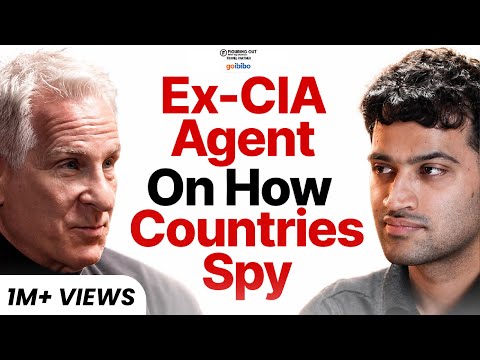
Former CIA officer John Sipher—who spent 28 years in the agency across postings including Russia, Southeast Asia, and Pakistan, including serving as deputy of its Russia collection/house—describes the CIA as one part of a broader U.S. national security system combining analysis and clandestine human intelligence (espionage). Analysts in Washington synthesize open reporting, satellite and diplomatic inputs, and broader trends to brief policymakers, while the espionage side runs human sources and works with foreign security services (such as partnering with agencies like India's RAW on shared concerns) to answer specific questions not obtainable openly.
Sipher argues strongly that the United States is losing trust and reliability globally when leaders treat alliances, institutions, and long-standing frameworks transactionally or punitively—pointing to intelligence-sharing partnerships like the Five Eyes (the U.S., U.K., Canada, Australia, and New Zealand) as built on mutual trust and complementary access rather than one-way payments, and warning that U.S. influence and counterterrorism/intelligence credibility depend heavily on perceived integrity, rule of law, and durable relationships rather than sheer size or bullying.
Discussing how he explained his career to his own children once back in the U.S., Sipher notes that every family judges when kids are old enough to understand secrecy without being burdened by it—though young kids often remain more unimpressed by a parent's job than adults might expect.
How Different Intelligence Services Operate and China's Long-Term Challenge
Tracing how intelligence cultures reflect a state's origins, Sipher contrasts regime security in revolutionary or authoritarian systems (where security services historically prioritized keeping leadership in power and using asymmetric tools like subversion, propaganda, or cover networks) with institutional civil services in democracies that serve successive administrations. He characterizes Russia as seeking to disrupt and weaken rival systems to offset structural decline, China as playing a long-game trade, economic, and technological/AI/big-data strategy to shape the 21st century, and regional services like Pakistan's as heavily focused on immediate neighborhood rivalries and internal security challenges (including militant blowback), while India faces major regional and internal security pressures alongside global ties.
Viewing China as the foremost long-term strategic and intelligence challenge—given its scale, AI and data capabilities, and global reach—Sipher nonetheless notes headwinds for Beijing, including demographic pressures, limited immigration, and pushback when heavy-handed infrastructure or economic lending feels one-sided rather than building genuine trust. On India and Pakistan, he argues that the U.S. and India have strong natural alignment as democracies and growing economic/people-to-people partners, whereas U.S.–Pakistan ties grew out of Cold War and post-9/11 counterterrorism pragmatism and nuclear-stability concerns rather than seamless alignment—and warns that perceived corruption or transactional dealmaking at home can erode the moral and institutional standing that once made U.S. intelligence attractive to sources.
Tradecraft, Spy Recruitment, and FBI vs. CIA Cultures
Walking through classic human-intelligence tradecraft, Sipher describes the recruitment cycle—spot, assess, develop, recruit, handle, and terminate (ending an operational relationship)—where officers identify people with real access to needed information, build genuine rapport and trust, evaluate motivations or leverage (such as ideology, money, grievance, or family safety), and manage covert meetings or support safely. Over the past 15 to 20 years, big data, digital footprints, and AI-assisted targeting have complemented traditional in-person relationship building by helping officers map networks and profiles earlier.
Contrasting the FBI (a federal law enforcement agency handling domestic investigations and counterintelligence/threats inside the U.S., often focused on building prosecutable legal cases and arrests) with the CIA (focused on overseas collection and intelligence for policymakers), Sipher notes that while the two agencies cooperate closely, their cultures, metrics, and timelines often create friction—such as tension between arresting someone quickly for a case versus cultivating a source over time to map a wider network.
Putin, Trump, and U.S. Politics
Examining Vladimir Putin, Sipher traces Putin's roots in Soviet KGB / Chekist culture and post-Soviet security networks, noting how authoritarian leaders face acute paranoia over internal loyalty and succession while lacking a system to groom healthy successors—a vulnerability he argues is compounded by strategic strain and heavy costs in Ukraine and growing economic reliance on China, even as Putin seeks to project strength and a legacy comparable to historical Russian rulers.
Turning to Donald Trump, Sipher argues that rather than fitting a classic "spy" mold, Trump's transactional style, disregard for institutional norms, and self-centered framing can be useful to adversaries like Russia when they exploit division—and criticizes Trump's rhetoric, dismissal of intelligence analysis, tariff/immigration policies, and handling of conflicts (such as Iran), while acknowledging that Trump's populist appeal, media combativeness, and ability to polarize supporters and critics have reshaped American politics and party dynamics (noting figures across both parties, including Marco Rubio, JD Vance, and Democrats with national-security backgrounds like Abigail Spanberger and Elissa Slotkin).
Asked what he would do with 90 days, an unlimited budget, and no bureaucratic or political constraints, Sipher points to strengthening civic education and democratic resilience rather than reckless escalations—and explains that the brick from Osama bin Laden's compound (alongside a piece from the Berlin Wall) behind his desk serves as a reminder of long-term counterterrorism effort and mission completion rather than glorification of extremism.
Full Transcript
00:00Do you think the United States of today
00:01is losing trust all around the world?
00:03>> Yes, I believe that strongly. We are big
00:06and we are powerful and we are rich, but
00:07we are no longer that big and powerful
00:09and rich so we can get our way
00:10everywhere. Look what's happening in
00:11Iran. We're losing in Iran. Being big
00:13and being powerful doesn't guarantee
00:15success. [music] It's more the
00:16relationships and the alliances. Those
00:18are built on trust.
00:20>> Isn't he doing good for America?
00:22>> No, I think he's a narcissist and he can
00:24only see the world that benefits him and
00:26his people. He's a mean, nasty, ignorant
00:29person who nobody likes.
00:31>> John Sipher, former CIA intelligence
00:33officer. He spent 28 years in the CIA
00:37secret operations recruiting spies and
00:39carrying out intelligence missions
00:40across the globe. You worked in Russia,
00:43China, Pakistan. Explain me how each of
00:45them is different and what are their
00:46ways to operate.
00:47>> Russia is losing the 21st century and
00:49they want to just overthrow the system
00:51and create chaos. Countries like China,
00:53they want to sort of own the 21st
00:54century. And so they are benefit on of
00:56trade and they're making lots of money,
00:58they're making lots of relationships.
00:59They're also going to use a lot of these
01:01cyber attacks to weaken others on the
01:02outside. Other places like Pakistan,
01:04it's focused just in its neighborhood.
01:06Probably 90% focused on you. And then
01:09India, they have to be focused on
01:10serious threats, right? So China,
01:12Pakistan, you're dealing with what's
01:14going on in Bangladesh now and all those
01:15kind of things.
01:17>> Which one does CIA fears the most?
01:20>> Overwhelmingly, China is the biggest
01:22long-term challenge threat.
01:25>> think it's inevitable that China at one
01:27point will challenge the position of
01:29number one in the world?
01:30>> there's some real challenges for China.
01:32Demographically, I mean they don't get
01:34immigration. Like every one of the
01:36biggest strengths of the United States
01:37is we have new immigrants coming from
01:39around the world and this is one of the
01:39things this administration is trying to
01:41stop, which is I think ridiculous and
01:43stupid.
01:44>> You were in Russia for a very long time.
01:46Tell me about Putin. What does he
01:47actually want which he cannot say
01:49publicly?
01:50>> he, like any dictator, and we're seeing
01:53it actually with Trump now, is they want
01:55to be seen in history as sort of the
01:58great czars and powerful leaders. And I
02:00think he has to worry now that he may
02:02have jeopardized that by this sort of
02:04failure in Ukraine.
02:06>> What would me through How would you
02:07exactly recruit a spy?
02:10>> [laughter]
02:15>> If you have found anything valuable from
02:17this channel, please subscribe. It's
02:20free. It takes less than a minute, but
02:22it means a lot to us. And to listen to
02:24the audio experience of this episode,
02:26please follow us on Spotify. This
02:29episode is brought you by our travel
02:31partner Goibibo. Check out the link in
02:33the description to download the app and
02:35avail exclusive first-time user
02:37discounts.
02:39>> [music]
02:43>> So, you have
02:45You have like spent about 28 years
02:47recruiting people who
02:50who would probably betray their own
02:51countries.
02:53You have helped people over to throw
02:55their governments.
02:56You've hunted down traitors and
02:58identified moles in your own system. I
03:00mean, that's something that you would
03:01do.
03:02>> Right.
03:02>> Right. So, you do bunch of these things.
03:04Explain me, let's say if somebody's
03:06watching you for the first time
03:08and in this conversation that person
03:09hooked right now.
03:10>> Uh-oh.
03:11>> Yeah.
03:12>> Careful. [laughter]
03:12>> Yeah.
03:13>> Yeah.
03:13>> Watching you for the first time,
03:15how would you explain them what do you
03:17do?
03:18>> Wow. Um
03:20So,
03:21I don't do it anymore. Just to be clear.
03:23>> What have you done?
03:24>> I did for a career. Uh and it was
03:26actually a very rewarding and fun
03:28career. So, in general, CIA
03:32I I don't want to make it look like it's
03:34bigger and more powerful than it is.
03:36It's just one piece of a larger US
03:38national security apparatus. And it's
03:40just one piece of the intelligence
03:42collection part and intelligence
03:45analysis of the United States.
03:47But this What the CIA does is does sort
03:49of two basic things. It is the espionage
03:53of the US intelligence, which means
03:55human running human spies around the
03:57world. And it is sort of the main
03:59analytic
04:00cadre of the US intelligence So So
04:03there's almost like a small
04:05mid-size university. So there's people
04:07there who are
04:08on the analytic side, they stay in
04:10Washington mostly. And they have people
04:12who are experts on everything. So
04:13there's there's there's cadres of people
04:15who are experts on the Indian economy
04:18and the Indian Navy and the Indian
04:20relationships with China and whatever
04:22and then there's people who are experts
04:23on the Tunisian economy and on Iranian
04:27missile systems and
04:29you name your and their job is to
04:32collect They don't collect, I'm sorry,
04:34they receive intelligence from
04:36everywhere. So there were They're
04:38They're trying to read all of the
04:39academic papers, they're trying to,
04:42you know, look at articles of what's
04:43coming from businessmen. They're looking
04:45at what's coming from satellites, from
04:47US diplomats around the world, State
04:49Department officials. All the
04:51information on your subject is coming to
04:53you.
04:54And then of the things that the US
04:56government is collecting openly,
04:59if there's a subset of things that
05:01policy makers think they need that we're
05:04not getting openly and with satellites
05:07and all that, then you come to the spy
05:09side and you say,
05:11"Listen, you know, we have a pretty good
05:12understanding of,
05:14you know,
05:15>> [snorts]
05:15>> Iran's economy and Iran's Navy, but we
05:18don't understand
05:20really what's happening in the in the
05:22nuclear system. We need you to go try to
05:24find spies who can tell us the stuff
05:26that we can't learn otherwise."
05:29And so the spy side of the agency,
05:31espionage right, is actually very small.
05:32It's not very big. There's There's more
05:35FBI special agents in New York City than
05:37we have worldwide doing
05:39our work. And so our job is
05:42when I'm overseas is sort of two things,
05:45which don't seem to fit together, but
05:47they sort of they do is
05:49um when you're I'm overseas, I'm usually
05:51undercover. Meaning I'm not I don't go
05:53to the world and say, "I'm the CIA
05:54officer in India."
05:56But I do go to the Indian security
05:59service raw and the security services in
06:01the government and say, "I'm the CIA
06:02officer
06:03and I want to work with you."
06:05Um and then there's people in our office
06:07who are there while they're in India,
06:08they're not reporting on India, but
06:10they're going after to try to meet
06:12Chinese, Russian, Iranian diplomats and
06:14others to spice
06:16to talk to them, to befriend them, to
06:18learn about them. And again
06:21I say there's Iranians living in India.
06:23We're going to try to talk to them.
06:24We're going to see if any of them are
06:24willing to like
06:26befriend a spy and go back to work in
06:29Iran for us.
06:30The chances of that are pretty slim.
06:32Most people don't want to spy. They
06:34don't want they have did
06:35But we're trying to develop those
06:37relationships to see if there's anybody
06:38who says, "Listen, you know
06:40you know
06:41I've been doing this now for 30 years
06:43and and I've realized my system is
06:44corrupt and and I hate my system and and
06:47you know, my children needed health care
06:49and they and they let my you know,
06:51daughter die and therefore, you know, I
06:53want to get vengeance on these people."
06:54And then so that there might be one
06:56person who like well
06:57yes, I mean you're you're you're working
06:59in a in a place that could be dangerous
07:01for this part of the world. Are you
07:02willing to talk to us? And so
07:04our job is to try to find those spies
07:07and it's hard cuz again like I said,
07:08most people don't want to, but some do
07:11and some of them some of them can and be
07:13in places that can be really important.
07:15But but rarely are the spies answering
07:17all of our questions. They're answering
07:18small, important, but small questions.
07:21And so so it's a so the spy side of it
07:23is is human relationships
07:26and then trying to maintain those
07:27relationships with people secretly to
07:29provide us those those secrets
07:31and then separately working with
07:33locals, the local security services,
07:36diplomats and others to
07:38uh
07:39get information cuz I would say
07:4270, 80% of the information that the CIA
07:45and the clandestine services get is are
07:47from our open
07:49they're not open, they're secret, but
07:51they're but they're relationships with
07:52security services. I mean again, say RAW
07:55RAW and India for example, who are you
07:57know, we're finding things that we agree
07:59on like we we want to work together on
08:00China or we want to work together on
08:03Taliban or whatever and and we exchange
08:05and help each other and train together
08:07and all those things.
08:08>> Do you think the United States of today
08:10is losing trust all around the world and
08:12people see US as unreliable partner now?
08:16>> Yes, I believe that strongly. I
08:19I'm embarrassed and ashamed by some of
08:21the things that our government our
08:22president say.
08:24And that's cuz I don't think they
08:24understand the importance of that those
08:26relationships that are built up
08:28over time. There was just a thing that
08:31was put out yesterday that
08:32our intelligence relationships they call
08:34them the Five Eyes with those countries
08:35like Canada and England and New Zealand
08:38and Australia
08:39saying, you know, they don't do anything
08:40for us. We have to stop paying them all
08:42this money.
08:44Well, first of all, we don't pay money
08:45for that. Those are just sharing
08:46relationships. And they're relationships
08:48built over time and trust. And those
08:51relationships are really beneficial to
08:52the US government. There's there's
08:54there's places and activities that the
08:56Australians and British people can do
08:57for us because we don't have access.
09:00They're really important for us.
09:02>> [snorts]
09:02>> But this administration seems to have
09:04this sort of
09:05view of the world that since we're the
09:08biggest and the most powerful
09:10bullying and and pushing people around
09:12and extorting them is the best way
09:14to get things. It's almost like a mafia
09:16view of the world, right? It's a view
09:18that I that that Vladimir Putin and the
09:20Russians try to to use. So, yeah, I
09:22think those relationships of trust we
09:25benefit by alliances far more than we
09:28benefit but I think by just
09:30pushing our weight around. We are big
09:32and we are powerful and we are rich, but
09:34we are no longer that big and powerful
09:36and rich that we can get way everywhere.
09:38Look what's happening in Iran. I mean I
09:40argue we're losing in Iran.
09:42You know, yeah, we're doing great at at
09:44bombing and hitting the things we want
09:46to hit, but that doesn't mean we win.
09:48And in fact, I would argue we haven't
09:49won in places like Iraq and Afghanistan
09:51and Vietnam and like
09:53being big and being powerful doesn't
09:55guarantee success. In fact,
09:58it's more the relationships and the
10:00alliances and that's built those are
10:02built on trust.
10:03>> And
10:04do you tell your kids about it that you
10:06were a spy at some country?
10:07>> Yeah, so that's interesting. So, there's
10:10at the end of the day, too, the CIA,
10:12like everything else, is is a government
10:14bureaucracy, right? So, there's rules,
10:15there's regulations, and you have to
10:16fill out paperwork, and you have make
10:18sure your accounting is done and all
10:20these other kind of things, right? And
10:22so, there's rules for what we can do and
10:24how we can do it, and we have lawyers
10:26that make sure everything we're doing is
10:27legal and all these type of things.
10:30But there's one thing where they they
10:31don't say this is the way to do
10:33something, and it's it's with your
10:35children. Essentially,
10:38everybody's children are different. Some
10:40So, so at some point, most everybody
10:42tells their children what they're doing,
10:44but it's up to you to decide when they
10:46are mature enough and ready to to do
10:49that because
10:50you can imagine in certain circumstances
10:52you might be putting your kids in a very
10:54difficult situation because you're
10:55asking them to lie for you. You're like,
10:57okay, "Dad actually doesn't work for
10:59the, you know, State Department as a
11:01diplomat. He works for a Central
11:03Intelligence Agency
11:04doing spy work, but you can't tell any
11:07of your friends. You have to be careful.
11:08Don't ever say it on the phone. Don't
11:10like you know, like you put them in a
11:11difficult situation. And so, um
11:14everybody chooses when to do that
11:16differently. Most people wait until
11:18their kids are maybe in high school and
11:20they're back in the United States. They
11:21can explain it to them.
11:23That type of thing. I can remember the
11:25old like we talked about the old days of
11:27the CIA. When I came in, there were
11:29still some old people there that their
11:30spouses, their wives, their husbands
11:32didn't know that they were
11:34And that doesn't happen at all anymore.
11:36Like you're you know, if you have if
11:37you're married and you receive you know,
11:39you're a team, you have to know.
11:41>> At what age did you tell your kids?
11:43>> Um I had gotten fairly senior while they
11:45were still very young. And so I was back
11:47in the United States. Um and in
11:51Washington. And so I actually took them
11:52into the building and showed them
11:53around. And you know, frankly, they
11:54don't care. Like kids don't care. Like
11:56you know, you're still a stupid dad and
11:58they don't you know, you know.
11:59>> [laughter]
12:00>> But
12:04You want You want to be like, "Oh, this
12:05is important work and your dad's very
12:06important." They're like, "Yeah, sure."
12:08>> Sure.
12:09>> [laughter]
12:10>> You don't have an app. You're not
12:11important anymore.
12:13>> Exactly.
12:14>> Okay, so you've you worked in Russia.
12:17You've worked in Southeast Asia. You've
12:19worked in Pakistan.
12:21Russia, China, Pakistan. They all play
12:23intelligence games.
12:24>> Yes.
12:24>> But they have very different ways of
12:26working, right? Russia
12:28wants chaos. China wants little bit of
12:30patience. Pakistan wants a lot of
12:33leverage. That's what they at least
12:35intend to
12:37do with their spy world, with their
12:38information world, with their
12:39intelligence world.
12:41Explain me how each of them is different
12:43and what are their ways to operate.
12:45>> It's interesting. So,
12:47um
12:48I would argue so that the culture of
12:51security services often comes from sort
12:53of the
12:54the beginnings of the state. And so if
12:56states started in a revolution in a
12:58revolutionary way, like Iran, China,
13:00Russia in a sense, you know, they
13:02they they took things over.
13:04The the security service
13:06starts out
13:08what we would call in the West national
13:10security or or
13:13uh
13:14Yeah, I guess national security would be
13:15the way to look at it. In in those
13:17places, it's regime security. So that
13:19say when the Bolsheviks took over in
13:21Russia after Russian Revolution in 1917,
13:25they created a security service right
13:26away. And its job was to make sure the
13:29leadership stays in power. It's to kill
13:30the opposition. It's to make sure
13:32there's no threats to the regime. Their
13:34job is to make sure you like stay in
13:36power. It's not national security or
13:39security for the whole country. It's
13:40like
13:41>> The government.
13:42>> And so they start very much
13:44very focused domestically first to make
13:47sure there's no threats to the
13:49leadership. And then, if they get big
13:51enough, they create
13:53an overseas thing that supports the
13:54regime to keep the leadership in power.
13:57And so
13:58different regimes develop differently.
14:00So the Russians have developed this in
14:02this way, and also because
14:04when the Bolsheviks first took over,
14:05they were it was World War I, and they
14:07and and
14:09they were they were worried that these
14:11much more established powers in Germany
14:13and France and England and others
14:15would be would would be threatening to
14:17them. So they knew they couldn't take
14:18them on head-on. So like I said, they
14:20created asymmetric means. So they said
14:23"Okay, we can't deal with them straight
14:25on or their military. We're going to
14:26create these subversion to to weaken
14:30them from the inside and to use, you
14:32know, Communist Party to infiltrate
14:34these places and to create
14:36disinformation and false narratives and
14:39use assassination and all these other
14:41kind of things." And so the way
14:43uh security services grow and where they
14:45come from depends a lot.
14:47And so in in those places like China,
14:49Russia, Iran, those places are meant to
14:51keep that leadership in power. If that
14:53leadership actually is out of power,
14:54those guys are gone, too, right? So it's
14:56a completely different thing. Whereas,
14:58you know, in your country, my country,
14:59if the leadership changes, generally
15:01those people still stay. Like in the
15:03CIA, in general,
15:05when there's a new president, they might
15:07put in a new director. But everyone else
15:10in that place, the professionals, they
15:12stay there. I worked for Chris Reagan
15:14and Bush and Clinton and Obama. Like it
15:17didn't make much of a difference. We
15:18were very focused on,
15:20you know, doing what we thought is get
15:22intelligence to to to help them policy
15:25makers as as best as we could, so it
15:26didn't it didn't matter. So, when you
15:28look at different places, it depends.
15:30So, Russians again,
15:32very focused on domestic oppression and
15:34and and keeping the leadership in power.
15:37Um
15:38Other countries like China China very
15:40much so the same. The one thing that
15:43with China is they now as they are they
15:45are growing and becoming more powerful,
15:47they want to sort of own the 21st
15:49century. It's interesting when you look
15:50at Russia, we we look at them in the
15:52states as you know, is is both sort of
15:55either enemies or challengers or what
15:57have you. And in Russia wants to is
15:59losing the 21st century. Essentially,
16:01they're sort of losers and they want to
16:03just overthrow the system and create
16:05chaos and like you like you mentioned.
16:08China wants to own the 21st century.
16:10They don't want to like overthrow the
16:11system that they benefit on of trade and
16:15and and cuz they're making lots of
16:16money. They're making lots of
16:17relationships.
16:19And so they are building a much more
16:20powerful and much larger ability. They
16:23they did come from revolutionary roots,
16:24so they're they're going to be very
16:25powerful and control their population
16:27inside.
16:29And they're also going to use a lot of
16:30these cyber attacks and others to weaken
16:32others on the outside. But they're
16:33building a you know, a large whereas
16:36most countries
16:38don't have that worldwide So the United
16:41States has
16:42you know, worldwide interests. So we're
16:44everywhere.
16:45You could argue Russia for country with
16:47a
16:48size with a economy the size of Portugal
16:50still has a worldwide presence of spies
16:52stuff because spying you have a KGB
16:55president and you have you have a place
16:57where the spy services sort of run the
16:59government. It's the most important
17:01organization and you can argue in the
17:02country more important than the the
17:04military or the diplomatic service or
17:06what have you. Other places like you
17:08talked about
17:09Pakistan. Pakistan again it it's focused
17:12just in its neighborhood. It's like
17:13probably 90% focused on you and India.
17:17is probably trying to create problems
17:20and focus on
17:22uh Afghanistan and it actually created
17:24the Taliban.
17:25But it's created a terrorist problem for
17:27itself, which it now has to deal with
17:29and try so they have to focus on all
17:31those things.
17:32But it's very There's not like Pakistani
17:35spies in South America running around
17:37doing much cuz that's not And it's the
17:39same with Israel. Israel is a very
17:40skilled security service, but it's very
17:43focused on
17:44um you know, its neighborhood out to as
17:47far as as um
17:49Iran.
17:50And And it has But it does have people
17:52others more for liaison purposes and in
17:55in other kind of places. I mean, I
17:56worked in the Balkans. I worked with the
17:58you know, security services there again,
18:00they're very focused on threats to their
18:02their country that we can help them with
18:05um but not they don't have, you know,
18:07big
18:08tentacles going everywhere. Nowadays, I
18:11would argue that's mostly the Chinese,
18:12Russians, Americans.
18:14These
18:15do. The British in many ways because of
18:17sort of the legacy of the
18:20still have
18:21not a full worldwide capability, but but
18:24much more so than you'd think for the
18:25size of the country. So so So different
18:28services are very different in the way
18:30they
18:31>> India is is very
18:33um
18:34I never worked with the Indian service,
18:35so I don't have a really good sense for
18:37you. Um
18:38my understanding is they have to be
18:39focused on serious threats, right? So
18:41China, Pakistan.
18:43There's There's you know, Maoist things
18:45in the east and they're dealing with
18:47what's going on in Bangladesh now and
18:48all those kind of
18:49things. You have relationships and
18:51people in Canada and the United States
18:52and so you have a an external interest,
18:55but also a very robust
18:58security internal service.
19:00>> Which one does CIA fears the most?
19:03>> Fears the most?
19:05That's a good question. I don't know. Um
19:08I I think
19:10it's not just CIA. I think
19:12it
19:13FBI is in charge of domestic security in
19:15the United States, of sort of, you know,
19:17protecting its counterintelligence and
19:19intelligence threats from overseas.
19:21I think overwhelmingly China is the
19:24biggest long-term challenge, threat.
19:28They just have so many people. There's
19:29more, I saw some kind of statistic, I'm
19:32going to get this wrong. They had like
19:33more English speakers
19:35working on intelligence than like all of
19:38the Five Eyes countries put together
19:40that all speak English intelligence
19:42service. Like they're incredible. They
19:44just have so many people and it's
19:45growing so fast and they're, you know,
19:47in this modern age using AI and other
19:49things they they're playing it. So, I
19:51think China's probably
19:53I mean, it could you know, as China
19:55grows, it could dwarf us and it could it
19:59could
20:00you know,
20:01things are changing. But, when I first
20:03came in, it was it was very much a
20:04one-on-one relationship business.
20:06Nowadays,
20:08the, you know, using big data, the
20:10ability to collect information on
20:13everybody around the world and your own
20:14population and and put connections
20:16together and that you could use using AI
20:19and use computer tools, that's stuff we
20:20didn't have when I first started. These
20:23are the kind of is it new games that a
20:25place like China could could find
20:28themselves being at the front edge of
20:29this.
20:30>> Do you think it's inevitable that China
20:32at one point will challenge the position
20:34of number one in the world?
20:36>> Yes, I think so. I think there's some
20:38real challenges for China.
20:40Um,
20:41demographically, I mean, they don't get
20:44immigration. Like one of the biggest
20:45strengths of the United States is we
20:47have new immigrants coming from around
20:48the world. We did. And this is one of
20:50the things this administration is trying
20:51to stop, which is I think ridiculous and
20:53stupid. But, but that
20:56kept our economy buoyant, kept it
20:59moving, kept us fresh, learning new
21:01things. China doesn't have that. And the
21:03other thing, and this is another thing
21:05this administration is is throwing away
21:08that we had
21:09is allies. There's
21:12China can bully people and have some
21:14relationships around the world, but
21:15everybody watches it carefully. They're
21:16not long-term friendships built over
21:19time.
21:20Whereas
21:21you know, we
21:23used to be when something happened,
21:24there was a crisis in the world there
21:26was a you know
21:28the Japanese would help, the Koreans
21:29could help, the Indians could help,
21:30Pakistanis could help the Indonesians
21:32could help, the the the Italians, the
21:35German like you know, Polish like
21:37you know, countries in Africa all around
21:40the world would at least find a way to
21:41help us or in some way. Um but if we're
21:45creating a system where we're acting
21:46like we don't want those relationships
21:49that's a mistake cuz that's what made us
21:50special.
21:51You know, if something bad happened, we
21:53had a whole team coming.
21:54>> Yeah.
21:55>> China, you know, some people will come
21:57along, but they're not
21:59they don't feel part of the team.
22:01>> [laughter]
22:02>> But do you think just by sheer way of
22:04bullying people or bullying countries,
22:06they'll be able to get through this?
22:08Because what they did in Africa and few
22:10neighboring countries
22:12they just economically
22:15in some sort they are colonizing them
22:18just by giving them so much money that
22:20they could never return. So now they
22:21control their ports, their governments,
22:23their airports, their literally every
22:25infrastructure out there.
22:27So those country might support China?
22:30>> Yeah, and then
22:31>> Like it's not ally, but in some sort
22:32it's like expanding my kingdom.
22:34>> Yeah, that's right. But but there's a
22:36downside to that, too. I remember
22:38I I was working on Russia
22:40>> Mhm.
22:40>> things when 9/11 happened. I was a
22:42deputy of our worldwide Russia
22:43collection and oversaw Moscow and stuff.
22:45And of course, when 9/11 happened, there
22:47was such a big pull to work on
22:48counterterrorism and to to go after
22:50al-Qaeda.
22:51And you know, you're working a
22:53bureaucratic unit, but it's like, okay,
22:55you know, you people in Russia, I need
22:56you to give us some of your people to
22:57move so we were losing some resources to
23:00focus on Russia cuz we needed to
23:02to move and change and go after this
23:04sort of new challenge. And I remember
23:06talking to a a senior officer saying,
23:08"Hey, this is this is tough cuz we got
23:10some really important things happening
23:11with Russia. The Russians are doing
23:12this. Russians are doing that."
23:14And he said, "Listen, don't worry
23:15because the Russians will always
23:18do something. They'll overpush their
23:19hand and eventually we'll have to
23:21realize like, "Okay, they've gone too
23:22far." And we'll have we'll you'll get
23:24back resources.
23:25And China's done sort of the same.
23:27You've seen it economically. In there's
23:29places in in the Balkans and and in
23:31Africa where yeah, they went in and they
23:34put a lot of money into building bridges
23:35and roads and
23:37infrastructure, but they often brought
23:38in their own people who were racist
23:40towards the locals, who you know, got
23:43involved in corruption. And so
23:45the government was happy when the
23:46investment and money came in, but then
23:48they sort of
23:50they they started to realize those
23:51relationships aren't real. We're being
23:53mistreated. Our people are being
23:54mistreated. They're really in it for
23:56themselves. They don't really care about
23:58us. And so there's often a backlash in
24:00those places like
24:02people end up disliking the Chinese. The
24:04more Chinese come, the more they dis
24:06dislike them. And that was like that
24:07with the Russians. The Russians, you
24:08know, in the in the Cold War were in
24:10Egypt and all these places in Africa, a
24:12lot of these places. And they ended up
24:14you know, it looked to the outside world
24:16and probably to Americans who are
24:17paranoid, "Oh my god, look at the
24:18everywhere." But almost everywhere they
24:20went, they ended up making
24:22making enemies with the people where
24:23they were. And so I unless unless China
24:26learns how to use soft power
24:28rather than just hard power, I think
24:30they're going it's not going to be as
24:31beneficial for them as
24:33>> they'd like. But what's going on? You
24:35tell me from a CIA lens. Like what's
24:37because India
24:38>> anymore, but
24:39>> You know, but look at this. Like India
24:41should be the most natural ally for US
24:45because ideologically, we're both
24:48we're both democracies. We are you're
24:50the most powerful democracy with the
24:52largest democracy, right?
24:54We both believe in free market, freedom,
24:57capital building, looking out for our
25:00own interest. We both at least on paper
25:03uh talk about world peace. I mean, US
25:05doesn't look like keeping their promise
25:07at the point, but
25:09we both on paper, we talk about world
25:11level, world peace, world friendship,
25:12coming up together, democracy, freedom,
25:15all of it, anti-terrorism.
25:16>> Yeah.
25:17>> So, it looks like we should be the
25:18allies.
25:19>> That's right.
25:19>> Right? And then, you guys have some sort
25:22of toxic marriage or relationship with
25:25ISI and Pakistan for some reason. I
25:27don't know what the hell is going on
25:29there, right? Because it's
25:32there's they believe in terrorism and
25:34supporting them to
25:36to
25:37get
25:38some of their agendas done and pushed by
25:41few things. So, US should US is against
25:43anti-terrorism, right? So, you should be
25:45anti-Pakistan.
25:46They have a very army military sort of
25:49rule, not a very heavy democracy.
25:51>> Yeah.
25:52>> US should be against that. US is
25:54absolutely against China,
25:56right? And Pakistan is best friends with
25:59China. And still, US somehow is in some
26:02sort of relationship with Pakistan.
26:03What's going on?
26:04>> Well, I think now, it's almost like
26:06personal. It's almost like the
26:08the Was it president or prime minister?
26:09I can't which one of the uh Pakistan has
26:11sort of worked on Donald Trump, and
26:12Donald Trump
26:13is you know, it's about who is up to him
26:16the most. And so, he likes that person.
26:18It doesn't matter what country or
26:19whether they're democratic or not. He
26:21doesn't care about those kind of things.
26:22But in general, your point's a good one.
26:25Yeah, we should be natural partners with
26:26India. Now, there's a history there. In
26:28the Cold War was powerful for the United
26:30States. You know, the world the notion
26:32that you know, the Soviet Union could
26:33destroy us, and you know, we're
26:34challenging them around the world. And
26:36and at one point, Pakistan seemed to be
26:38a was a
26:40sup- more supportive ally in that sense
26:42that we eventually invested and put in
26:43there. But of course, by the 1990s, they
26:45were developing their own nuclear
26:46weapons, and the and the relationship
26:48was souring.
26:49And probably would have continued to
26:51sour and become less important. But then
26:54the
26:559/11 and the war on terror found us
26:57having to work with them more than we
26:58did
26:59before. Now, of course, those days are
27:02over, too, and therefore
27:04we obviously want to make sure
27:07Pakistan, which is has stability
27:09problems, huge population, poor economic
27:13issues, terrorism charges, with the
27:16nuclear weapons, we can't afford for
27:18Pakistan to become
27:20you know, a
27:21terrible rogue state with nuclear
27:22weapons, you know,
27:23run by terrorists or whatever. So, we
27:25can't
27:27Pakistan falling apart is not in our
27:28interest. But, you're right, as a
27:29natural ally, India seems to be, you
27:31know, and there's so many Indians in the
27:33United States, and these relations have
27:35developed for years and years.
27:37And, you know, economically, you're just
27:38growing, and and it seems to be a much
27:40better market both ways. And so, I think
27:43you're right, and and maybe just based
27:44on the natural evolution of things, it
27:46will get there. But,
27:48it should have been there earlier. I
27:49tend to agree. But, you know, I think
27:52world politics had us on the Cold War
27:53sort of found it way, and then the war
27:56on terror ended up sort of going a
27:57certain way.
27:59But, you know, and so, yeah, Pakistan,
28:02you know, it
28:03I don't want to dig into it too much,
28:05but it it
28:06despite all of its problems and the fact
28:08that, you know, it does things that are
28:10very much against our interests. I mean,
28:12the support for the Taliban and some of
28:14the things
28:15terrorist groups and attacks in India
28:17and these kind of things, which are
28:18horrific.
28:19It also has helped It probably was more
28:23involved in helping
28:25kill Al-Qaeda and stop Al-Qaeda than
28:26many other countries were. And so, it's
28:28a weird, weird relationship. So, it
28:31you know, you're almost dealing with
28:33this sort of group that,
28:34you know,
28:35you don't want to, but there's a piece
28:37of it that's helpful to you. And so, and
28:39so, we've continued to invest in that.
28:40So, you're right, I think I think
28:41naturally, it will and should change. I
28:44don't know if this administration will
28:48get that and do that because
28:50we're mistreating people who should be
28:52our natural allies.
28:53>> Exactly. But now you guys have
28:55interests. I think there's a personal
28:56interest in crypto world and I don't
28:58know what all is going on with the
29:00family.
29:01>> Oh, yeah.
29:01>> [laughter]
29:01>> Yeah, that's true. I mean
29:03>> You guys are super personally invested
29:05in Pakistan now. At least
29:07>> Well, let me tell let me put it this
29:08way, which which hurts me as a former
29:09CIA officer. Look, again, I took pride
29:11in you know, largely what we were doing.
29:13I think the United States in general was
29:15a force for good and sometimes
29:17overstepped and wasn't.
29:19And the CIA was a supporter of that and
29:21did good work and I liked living
29:23overseas. I liked working with foreign
29:25partners and things. But
29:27you know, in the spy world, the
29:28espionage world, it's Americans don't
29:31have any super secret sauce. Like, I
29:34think we were probably the most
29:35effective and most powerful espionage
29:37intelligence service in the world
29:38probably still are.
29:40Um
29:41but it wasn't because we were like
29:43naturally better super secret like
29:45Hollywood spies. It was because we
29:46represented the United States. And so if
29:48I went to you and you were in a country
29:50and you were upset with the corruption
29:52and the behavior in your country, you
29:54could see the United States as, you
29:55know, if I give the United information
29:57to United States that could help, you
29:58know, someday make
30:00changes in my country or changes to
30:02affect. So it wasn't that we were super
30:04secret great spies. It was that we
30:06represented the United States. And if
30:08you're in a corrupt country, the United
30:09States looked like it was something
30:11special. Now, if we are going to be a
30:13country that the world sees as corrupt,
30:15as you can pay off the leader, you can
30:17pay off people,
30:19um we lose that ability. Why would you
30:22need to come to the United States if
30:23we're just another for another country
30:26with hands in your pockets?
30:28When a new leadership comes in, it's
30:30time to steal, steal, steal till the
30:31next guys come in and it's their chance
30:33to steal, steal, steal. If we're going
30:34to become that, then we aren't anything
30:37special. We're not going to get those
30:39kind of sources that used to work for us
30:42years ago. so I I worry about that. The
30:44corruption thing in this country
30:47We did work around the world. You did
30:49see that a lot. But frankly, and I'm
30:51sure there's views out there that
30:53differ, but
30:54it wasn't like that. Like I never saw
30:56ever
30:58working in the US government people
30:59trying to take money or or make deals
31:02and like it was sources. Literally, I
31:04carried suitcases with like millions of
31:05dollars to hand to people. Like I never
31:07ever thought about taking some of it or
31:09using some of it. I never saw any of
31:11that kind of stuff. And if somebody did,
31:13they would be immediately arrested and
31:14fired and every
31:16all times thing. So if we're going to
31:17become the corrupt country, then
31:20I don't know. Yeah, if you maybe some
31:22people will become rich, but we're going
31:23to lose out in the long run.
31:25>> Okay.
31:26Doug Ammar Russia, you have said Russia
31:29doesn't need Trump to be an agent,
31:31right? Something like that. What What
31:33was that? That was That was very
31:35interesting for a former CIA guy to say
31:38something like that.
31:40That you don't want like Russia doesn't
31:43What was the statement? Can you repeat
31:45it?
31:46>> Well, I've done some writing on it. So
31:47so
31:49it was a big deal here in 2016 when
31:51Trump ran for president.
31:53His campaign had all sorts of contacts
31:56with Russians, which makes no sense in
31:58domestic politics. Why if you're trying
32:00to win elections in some state in the
32:02Midwest, why do you need to be talking
32:04to Russians?
32:05And at the [clears throat and snorts]
32:06time the FBI was investigating these
32:08contacts and and this In fact, my
32:12podcast today just interviewed
32:14Christopher Steele, who is the British
32:16intelligence officer who wrote the
32:17Steele dossier about the Russians and
32:19suggesting the Trump administration the
32:21Trump campaign had these secret contacts
32:24with Russians. It became a big issue. So
32:25when Trump won the election
32:27there was all this stuff that was
32:28looking into Trump and and there was
32:29people were saying, "Oh my god, Trump's
32:31relationship with Putin is such and and
32:33all of this money and things and they're
32:35they're trying to hide these
32:36relationships."
32:37And and still to this day that a lot of
32:40people on the anti-Trump side in America
32:42say, "Oh, he's a Russian asset. He He
32:44works for Putin.
32:45Back in the '70s, the Russians
32:48built a relationship with him, gave him
32:49money, corruption, you know,
32:50prostitutes, all this kind of stuff."
32:52There's this view that Trump somehow is
32:54owned or run by the Russians. And I had
32:57no intention whatsoever when I retired
33:00to have a public face, like doing this
33:02kind of stuff. Like I had no
33:04interest in that. And all of a sudden
33:07in the US media actually there's a
33:09"Oh my god, what is all this stuff? What
33:11is this notion about he was in a hotel
33:13room and they filmed it? That doesn't
33:14make any sense. What do the Russians
33:16do?" And so all of a sudden I found
33:17myself
33:18uh people saying, "Well, you know, you
33:20you worked
33:22with and against Russians in Russia.
33:23Like does any of this make sense?" So I
33:25found myself
33:26speaking and talking and going on TV and
33:29and starting to write about Russian
33:30espionage and intelligence to say, "Hey,
33:32listen, pieces of this yeah, do make
33:34sense. This is how the Russians operate.
33:36They You know, when I lived there, they
33:38had audio and video of my house inside
33:41and followed me everywhere for 2 years.
33:43Never ever a break. Every time I went
33:46out, people followed me. Every time I
33:48went around a corner and they didn't see
33:50me, they'd bring people behind to make
33:51sure I didn't put down some sort of
33:53secret dead drop or something. In my
33:54house, there's cameras in there when I'm
33:56in there. If I'm I wasn't married at the
33:58time. If I was had somebody in there,
33:59they would have
34:01video of it. They'd break into my house
34:03when I wasn't there. They did that on
34:04all Americans. So this this oppressive
34:07secret
34:08um security service thing I I found
34:10myself trying to explain to it.
34:12But I also then tried to explain the
34:14differences in how CIA runs sources and
34:17how Russia looks at spies and sources.
34:21And tried to put Donald Trump into
34:22context. So there's always people
34:24saying, "He's clearly a Russian spy."
34:26And so I wrote some articles is is
34:28essentially is Trump a Russian asset? Is
34:30he
34:32And then I tried to explain how Russians
34:34look at
34:35look at this world and how CIA looks at
34:37the world. And just simply, you know, I
34:40can leave you with some of these
34:41articles and things, but
34:43um
34:43the CIA
34:45again, it's a bureaucracy. We're small.
34:47We're trying to run spies that give us
34:49secrets that we can't get any other way.
34:51So, we have to focus on those those
34:52types of thing. And for me in my world
34:55to get recruited to not excuse me, not
34:57get recruited, to get promoted,
34:58to do well,
35:00I have to find someone who has secrets,
35:04develop a relationship with them, make
35:07validate and vet to make sure that they
35:08are who they say they are, that they
35:10have this access they have, train them,
35:13and and and continue to get this
35:15intelligence information, check the
35:16intelligence, see if it makes sense.
35:18And and then when I leave, keep that
35:21secret relationship to pass over to
35:22another CIA officer when they come in.
35:24So, we're trying to develop very secret,
35:26controlled, understood, motivated
35:30sources who work for us. So, it's like
35:33And that's how I get promoted.
35:34>> Okay.
35:35>> Russian intelligence on the other hand,
35:36because the way it grew up and the way
35:38it worked through Communist parties
35:40during the Soviet Union days and all
35:42these other types of things, they're
35:43much more into a much wider variety of
35:45people. And there's even they use even
35:48different terms for this. They call
35:49useful idiots or fellow travelers or
35:51these type of things. So, whereas
35:53I only get recruited if I have this
35:55super secret spy who's providing
35:57information and that
35:59the person works for the US government.
36:01So, I'm leaving and they're passing it
36:02over. The Russians on the other hand, if
36:04they can like funnel money corruptly to
36:06some journalist to write something,
36:09that's fine. Even if they don't spy and
36:10meet on the street, that's fine. If they
36:12can like
36:13and develop a relationship so that they
36:15can give money to a right-wing, you
36:16know, motorcycle group that beats up
36:18people, then that's fine. So, yes, they
36:19run some super secret spies like we do,
36:22for sure,
36:23that give them intelligence and they
36:25have analysts. But, they also run this
36:26wider group, cuz they're their goal is
36:29not just
36:30intelligence information, it's to create
36:33this chaos and create problems and to
36:35And so,
36:36we've seen recently like Epstein, you
36:38know, this guy's traveling back and
36:39forth to Russia. He's got, you know,
36:41he's have this sex thing and island and
36:43girls and powerful people and money
36:45laundering. Like that person would be of
36:47great interest to the Russians. They
36:48don't have to like
36:49treat him like he's a spy, meet me on
36:51the corner and I'll take like Like he's
36:53already benefiting them and they can
36:54help each other and scratch each other's
36:56back, as we'd say.
36:57And so, if you look at Donald Trump, he
36:59would be the worst
37:01spy. Like Like in my world, if cuz like
37:05can you imagine like okay, here's the
37:06rules. You need we're going to meet once
37:07a month at this place. Make sure you
37:09show up on time. Make sure that
37:11you follow these rules and no one's
37:13following you and then make sure, you
37:14know, you provide let's sit down and
37:16debrief you. What happened? What what
37:18you know, give me more details. What did
37:19this
37:20Tell me about the report. What didn't it
37:21say? Like he, you know, he's crazy. Like
37:23he, you know, he's only about himself.
37:25He's So, he would never fit that
37:29that
37:30that model of a spy that we see in the
37:31West. But on the Russian side, he could
37:34be of use to them because he's, you
37:36know, he's involved It's almost like
37:38more like organized crime the way the
37:41Russians see things, right? So, it's
37:43like if you're in that world where
37:45everybody has compromising information
37:47on anybody and, you know, there's a
37:49little money and you're paying off of
37:51this and I'm helping you here and you
37:54know, I'll sh- share some information or
37:56we'll try to give you things like it's
37:58it's it's that sort of
38:00the system is not one that's, you know,
38:03legal and lawful and all this type of
38:04thing. It's more of a sort of
38:06free-for-all corrupt
38:08system
38:10of compromise. Who Who has compromise on
38:12on who? Like Like if he's been over
38:15there and maybe there's been processes,
38:16maybe he's been filmed in rooms, maybe
38:18he's met people, maybe he's got shady
38:20deals going.
38:21So, they would come to him like and he
38:23doesn't know what they have on him. He
38:25doesn't know what they could So, you
38:26know, they help each other a little bit.
38:28It's not spying per se, but it's So,
38:31I've written articles trying to say like
38:33I don't think
38:34the notion that Trump is a Russian spy
38:36and always has been and he's been a
38:38Manchurian candidate who's work
38:40But, I do think his sort of brazen
38:43behavior and corrupt behavior and and um
38:46sort of not caring about democratic
38:48norms, not caring about legal norms,
38:51comfort dealing in sort of the criminal
38:53side of things is a real benefit to
38:55Russia. So, I think
38:57he's an asset in the way we use that
38:59English word asset. He's helpful to the
39:01Russians cuz he's
39:02He only cares about himself and so if
39:03the Russians give him information that
39:05helps him beat Hillary Clinton, yeah,
39:07give it to me.
39:08So, so yes, he's a he's a he's
39:12>> He's not an agent, but useful.
39:14>> useful to the Russians. And And again,
39:15that's that's a Russian term, useful
39:17idiot. It's like, "Hey, if we can like
39:18get this guy to say this stuff, you
39:20know."
39:21>> What do you think is more dangerous?
39:23The guy who knows that he's working for
39:25an enemy country
39:26or the guy who has no clue that he's
39:29he's working and he's just a fool?
39:31>> Well, the Russians in a sense, I mean,
39:32there's they're smart and their system
39:34like
39:35it to them it doesn't matter. You're
39:37benefiting your your These people are
39:39all helpful. Like, if I went to see I
39:41was listening I have this guy, you know,
39:43he's just saying this crazy but
39:45it's it it's useful to us.
39:47And I wrote that headquarters and I
39:48they'd be like, "No. This is not like
39:51you know, stay away from that. There's
39:52no
39:53um Which is more dangerous? I mean, I
39:55would argue at this point
39:57if Donald Trump was a long-term secret
40:01mole spy that's work I don't think he
40:03could do more damage than he's doing
40:05as he is. And so,
40:08I I personally think, you know, and this
40:09is me going further than, you know,
40:11intel knowledge is is I think it's
40:14gotten to point there's almost like a
40:15mental illness thing here. I think he's
40:17a narcissist and he can only see the
40:19world that benefits him and his people
40:21and and
40:23it's doing damage I think to our fabric
40:26and our country. [clears throat]
40:27>> Isn't he doing good for America? No.
40:29Just as an American doing anything he's
40:31doing good for the country? Because
40:33probably what he's essentially saying
40:35that he wants to bring back jobs to
40:37America. He wants to bring back
40:38manufacturing to America. He wants to
40:40make this economy better. He wants to
40:41make a trade imbalance equal. He wants
40:44to make sure that all in the world they
40:47don't get a second chance they get
40:49demolished and finished. Right? So
40:51probably he must be doing something
40:52right for Americans. I'm just asking.
40:54>> No, no, that's a good question. And I
40:56think that's that's what has made him
40:58successful politically is that is that,
41:01you know, he says these things and a lot
41:03of Americans are like, "Hey, that makes
41:05sense to me." And he says one of his
41:08sort of standard things is that
41:10we've been ripped off, we've been
41:11treated poorly, you know,
41:14and it's either foreigners are screwing
41:16us or the Democrats, the people who
41:17don't support me are against us. They're
41:19making us weaker. And so that that
41:21appeals to a lot of people cuz it's a
41:22simple argument. It makes sense.
41:24But but I think if we look at sort of
41:26the actual outcome of that. Yeah, I'm
41:28going to bring back manufacturing jobs.
41:29There's no there's no evidence
41:31whatsoever.
41:32And a lot of presidents have said
41:33they're going to bring back
41:34manufacturing jobs. And the economy the
41:35world economy and the way things are
41:37moving, we're bringing back health care
41:38jobs and AI jobs. That's, you know,
41:41other than that, we're not bringing back
41:43many, you know, manufacturing jobs. And
41:47and I think he's taking actions that are
41:48causing they're going to cause us,
41:51you know, larger economic problems over
41:52time. You know,
41:54just cutting back on immigration,
41:57I mean, I can see creating a better
42:00immigration system. And that's the
42:01problem is is Congress has never really
42:03dealt with creating a
42:05legitimate economic immigration system
42:07where people can come to this country
42:08and work or bring people in. But but
42:11doing it in such a brutal and and way is
42:14going to hurt us in terms of
42:17immigration and bringing in talent and
42:19bringing in skills into our country. And
42:21so, I I think on all of these fronts he
42:24makes he's he's a charlatan, a salesman.
42:27And essentially, even if something is
42:29not true, if you just say, "Yes."
42:31And you saw it in his speech other day
42:32about Iran. Oh my god, this is the best
42:35we're winning like no one's ever seen.
42:37This is the biggest success the world
42:39has never seen a
42:40the war like
42:43everything is going perfect. Everything
42:44is like like it's That's how like a
42:47a carnival salesman says. Like, "Oh,
42:50yes, it's great." And you know, and they
42:51sort of sell you like why they hide the
42:54bad things. And if you're a narcissist,
42:56you're never going to admit
42:58problems. You're never going to take
43:00guilt. You're never going to accept
43:01those things. And so,
43:03the things he says that he wants, of
43:05course, those are the things everybody
43:06wants. But I don't see
43:08almost any sense that those things are
43:10actually happening. And even people
43:15you know, in the in the conservative
43:17side of the United States are now
43:19starting to realize, "Yeah, you know,
43:21our economy isn't getting better. You
43:23know, there are lots of pro- These
43:25things that you say you're fixing are
43:26don't seem to be getting fixed."
43:29>> He just talks about
43:30>> Yeah, he just claims.
43:33And that's what he's going to do at some
43:34point with Iran. He's just going to say,
43:35"We won." And then walk away. Like the
43:37everyone else in the world is going to
43:38be like
43:40Yeah.
43:41>> [laughter]
43:42>> Do you know one of his thesis, one of
43:44his principles is, right? That never
43:46accept defeat.
43:48You know, out of his top three
43:49principles, that's one of them.
43:51One is attack, attack, attack. One is
43:54never accept defeat. I'm forgetting the
43:55third one. But that's his philosophy
43:58throughout from his days when he was
44:01mentored by Roy.
44:02>> Yeah. Yeah. Roy Cohn. Yeah.
44:04>> Right. And and he meant like it was
44:07Roy's principle and then he mentored
44:09Donald for a very long time.
44:11>> Never he never never accept, you know,
44:14fault or accountability like
44:16>> Yeah, never accept fault or so
44:18So you probably that's something that
44:19he's doing.
44:20>> Yeah, yeah.
44:20>> It's visible, right? Like you can see
44:22it.
44:22>> which is fine if you're like doing
44:24low-level real estate, I suppose, but
44:26he's the president of the United States.
44:28I mean, the world is so huge, so
44:29complex, so many people, so many things.
44:32>> Do people like him here?
44:34>> I think it's funny. Like I have a lot of
44:36people now who've who've worked for him
44:38or around him and and I've seen some
44:40things we're saying like essentially
44:42anyone who's ever been around him
44:44even the people who support him and like
44:45the in the Congress it's it's like no,
44:47they don't like him. He's a he's a mean,
44:50nasty
44:51you know, ignorant person who nobody
44:54likes, but there's a group of people in
44:56America who like
44:58like the bullying. They like that his
45:00enemies are their enemies, right? So
45:02he's you know, if they heard me talking,
45:04they'd say I hate that guy and Donald
45:06Trump hates that guy and so you know,
45:08I'm Donald Trump on his first day in
45:10office wrote an executive order, you
45:12know, stripping us of our security
45:14clearances and I'm not supposed to go in
45:16government buildings anymore and all
45:17this other kind of stuff cuz somehow I'm
45:19an enemy cuz I've just expressed my
45:20opinion.
45:22Um and so
45:24there's a core group of people
45:27often times, you know, white evangelical
45:29hardcore Christians
45:31um very right-wing that have sort of
45:34almost like a cult, they followed him.
45:37They believe in him and not almost
45:38nothing can change them. They might have
45:41they might have two months ago said, oh
45:42my god,
45:43I never want another foreign war. We're
45:45sick of these foreign wars and then now
45:48they'd be like, well, Donald Trump did
45:49it, so it means it's the right thing to
45:50do. And so so he won election twice,
45:53frankly. So this is the issue is not
45:56just him, it's our country and there are
45:58people who believe in this and support
46:00it. So is it is it our civic education
46:02is not as strong as it should be? Is it
46:06you know, real structural problems in
46:07our economy where people, you know, are
46:09willing to to risk taking somebody like
46:12this to be president because things are
46:13so bad? There's a lot of bigger issues
46:16than Donald Trump here.
46:17>> Yeah.
46:18>> So, yes, there are people who love him
46:21and follow him. I I don't know
46:24I wonder if 10, 15, 20 years from now
46:27whether those people will be like, "Oh,
46:28that was a mistake." Or whether
46:30there still will be that cadre of people
46:32who think that he did wonderful things.
46:33>> Probably both.
46:34>> Yeah.
46:35>> Probably both. That's what That's what
46:36happens with these kind of
46:37personalities.
46:38>> And some people won't admit that they
46:39were wrong, either.
46:40>> Right. [laughter]
46:41>> And some people won't admit that they
46:42were wrong, either. Yeah.
46:43>> Yeah, and see, that's what happened with
46:46with strong personalities like him.
46:48>> Yeah.
46:48>> They polarize their audiences. It's
46:50either love or hate. There's nothing in
46:52between.
46:52>> Well, yeah.
46:53>> Cuz they'll be like die-hard fans and
46:54they'll be like die-hard haters.
46:56>> Yep. And anger works, and scaring people
46:59works, politically, all those type of
47:00things. And like I said when we were
47:02chatting earlier, like I mean, there's a
47:03large portion of the United States
47:06you know, we're a big country.
47:08We've been successful economically, you
47:10know, richest country in the world,
47:12arguably, you know, in the history of
47:13the world. So, there's people who live
47:15in a lot of parts of the United States
47:16who never ever see a foreigner, never
47:18travel overseas, but live
47:21comfortable
47:22lives.
47:24And
47:26if somebody like you or I come in and
47:27tell them, "Hey, you know, this is
47:29causing problems in the Philippines and
47:31in in in India, and this is, you know,
47:33there's a
47:34there's a worldwide market here and you
47:37know, blah blah blah." But they they're
47:38like, "We don't care about any of that."
47:40>> Talking about world problems
47:42uh CIA tracked Khomeini's records,
47:45right? And they shared that intel with
47:46Israel. Israel used that targeted data
47:49by using AI and traffic cams and attack.
47:52>> I thought My My understanding is, yeah,
47:54Israel was using the traffic cams to
47:56figure out where people are going. So,
47:58>> Yeah, and then CIA's data actually
48:00confirmed all those targets.
48:01Targets like that's what
48:03that's what it's out there in the world.
48:05>> But, yes, that's the one thing I have to
48:06say after 9/11
48:08when the United States really moved
48:10towards focusing on terrorism, it's it
48:12was a different target set. So, the in
48:14the old
48:16thing that I grew up in in the Cold War
48:17is like, "Okay, we need a
48:19we need someone in the Kremlin to give
48:20us the secrets of what the Russians are
48:22doing and what the Russian KGB is doing
48:24all this type of you know, to say
48:26After 9/11, it was a different set. It's
48:28like it was almost you could argue more
48:29of a law enforcement set like these guys
48:31are terrorists. They're they're moving
48:32in small groups. They're trying to blow
48:35up things and hide in
48:38in
48:39fighting a
48:40collecting against a nation state is
48:41different from finding individuals,
48:44essentially criminals who are traveling
48:45around the world.
48:47Over time, we became really good at
48:50using networks, figuring out who's who,
48:53you know, making arrests, pulling in the
48:55data from them to figure out who else is
48:56connected to who and we became really
48:58good, you know, arguably man hunters,
49:00finding finding people, finding Bin
49:03Laden. It took a long time, but we got
49:05much better at putting together those
49:07maps, using data, using big data, using
49:11all this type of stuff to figure out
49:12where people are. So, that yes, I think
49:15what you say it's CIA, but it's probably
49:17a mixture of the NSA and CIA and
49:19overhead uh
49:20>> That time making a decision
49:21>> together, yeah. Intelligence agency with
49:24with foreign partners and it it may have
49:27been Israel, but there might be others
49:28that have some roles in all this type of
49:30stuff. So, yes, we've become much better
49:32at that. Um so, yes, it's certainly
49:34possible that CIA had information on
49:36locations of people.
49:38>> But, then the word is that
49:40American agencies shared that data with
49:42Israel. Israel said, "Let's attack." And
49:44the regime change would follow.
49:46And CIA said the regime change won't
49:47happen.
49:48>> Right.
49:49>> And yet, they continued doing the thing
49:51and now we can see the result.
49:52>> Yeah, that's a that that that's a good
49:54way to look at how the system works
49:57together. And so
49:59I mentioned when I talked about CIA,
50:00there's the the spy side, the espionage
50:02side, and there's the analytic side.
50:04And so
50:06the spy side might be working with the
50:07Israelis and working with with NSA to
50:10put together like, okay, where are these
50:11people?
50:13The anal- analysts are the ones that are
50:14collecting it. And so if the question
50:16comes to them is, okay, if there's a war
50:18and we take out the leadership, will
50:21that mean regime fall? That's a
50:23different group of people. They're
50:24they're
50:25And they say, "No, it doesn't make
50:26sense." Now
50:29that information then goes up to the
50:30White House for decision makers
50:33the State Department, the decision
50:34making National Security Council, the
50:35president. They're going to make a
50:37decision on that.
50:38And they'll say, "Only one part of this
50:40is like what's intelligence saying?"
50:41Intelligence says, "No, it won't work."
50:43And they're like, "Yeah, yeah, great, go
50:44away." You know, Israelis say it'll
50:46work, I believe it'll work. All these
50:48other kind of things. We have a use of
50:50saying in in CIA,
50:52you can
50:53bring intelligence to a policy maker,
50:55but you can't make them think. So you
50:57can we can say, "Here's what we think."
50:59But that doesn't mean they have to take
51:01it or act on it. And this administration
51:04Donald Trump from the beginning when he
51:06came in in 2016 is he said, "I don't
51:08trust these intelligence people. They're
51:10a deep state. They worked against me.
51:11They tried to make it look like I work
51:13for Russia." Like, you know, go away.
51:16I'm not interested in it. So I'm sure
51:18yes, the CIA the the CIA and like come
51:21and say, "Yes, this
51:22this this this." That doesn't mean they
51:25care or they're going to even this guy
51:27Witkoff who's been involved in
51:29his golfing friend who's involved in
51:31negotiations with the Russians and
51:32Ukrainians and and and the Iranians.
51:35The CIA said, "We'd be glad to brief you
51:37on these things." And he said, "No, I
51:38don't need any of that." They So
51:39essentially they're making their own
51:40decisions.
51:41And presidents can choose to use
51:43intelligence or not. They can use And so
51:46what you say is probably true, but it
51:48shows how our system either works or the
51:50dysfunctions in our system. I think
51:51that's
51:52that's fair.
51:53>> One thing you're very confident about
51:54that's your knowledge
51:56>> Yeah.
51:56>> on Russia.
51:57Right? That's something that you've been
51:59very vocal about, very confident about,
52:01and you've compared Russia's escalation
52:03to Al-Qaeda before 9/11.
52:06>> Mhm.
52:07>> Why?
52:09>> Geez, did I so I
52:11if I did it's in the sense that
52:13>> ignoring Al-Qaeda before 9/11
52:16>> Mhm.
52:16>> is as as good as almost like ignoring
52:19Russia today.
52:20>> Well, I think when I look at Russia, we
52:22talked about it a little bit earlier is
52:24the Russian
52:26security services, the intelligence
52:28service, security services are the
52:30central
52:31policy making
52:33>> [clears throat]
52:34>> issue like I said, it's almost an
52:35intelligence state, right? So, Vladimir
52:36Putin is a career KGB officer. He's been
52:39involved in these things, and you have
52:41to understand the mentality. I use the
52:42term KGB, the old sort of Cold War
52:45security services. They it still
52:46encompasses what is an external service,
52:48an internal service, a variety of
52:50and they protect the protect the regime.
52:53is is they grew up from the Tsar's
52:57security service through the Soviet days
53:00till now
53:01using all of these tools we talked about
53:03asymmetric tools. So, it's all about
53:06weakening your enemy from the inside.
53:07It's like, "Okay, we can't take you on
53:09directly, so we're going to do all of
53:11these things, subversion and sabotage
53:13and disinformation and assassination and
53:15all these kind of things." We've seen
53:17we're learning and learning and doing
53:19doing more of those things. So, I
53:22if I look at if I want to compare
53:24Al-Qaeda to the Russians, it's that.
53:27It's It's essentially Russia, you could
53:29argue is almost a terrorist state. It is
53:32looking for our weaknesses. Like just
53:34like a terrorist organization does. It's
53:35like Al-Qaeda says, "I can't take on the
53:37US Army and its tanks and its planes,
53:40but what I can do is find weaknesses in
53:43political places where I can cause pain
53:45for you that cause bigger issues. So I
53:48can hit the World Trade Center and
53:49that's going to cause so much more
53:52overreaction and pain than it would be
53:54if I tried to like attack your soldiers
53:56in the field. And that's the way
53:58Vladimir Putin and the Russians look at
54:00things. It's like I'm looking for ways
54:02to to look for your weaknesses and take
54:04advantage of them. So we saw in 2016
54:07they came to the United States and said,
54:08"Jesus, Americans are fighting each
54:10other. They They These political parties
54:13hate each other. Let's get inside the
54:15system and turn Americans against each
54:18other. We don't even have to
54:20In the Cold War they had to like create
54:22fake stories. Like they had to create a
54:23story that that the Pentagon created the
54:26AIDS virus and sell that story around
54:28the world and people still believe it.
54:30But now they don't have to do that. They
54:32can just look at our social media and
54:33they say, "Oh, look at he's saying these
54:35horrible things about him and she's
54:37saying horrible things about her. Let's
54:38just amplify and push that and use those
54:41tools to to make Americans turn on each
54:43other cuz the more they fight each other
54:45the less of a threat they are to us."
54:47And so if I talk about Russian as
54:49Al-Qaeda it's that it's that the skill
54:52of looking for your weakness and and
54:55exploiting it is is what a terrorist
54:57group does and it's what the Russians
54:59do.
55:00>> Interesting. You were You were in Russia
55:02for a very long time.
55:03>> I was there for just a couple years, but
55:05I but over the years
55:07I worked on Russia. So I was at our
55:09headquarters working on
55:10>> Yeah, you You ran the CIA's Russia
55:12house, right?
55:12>> I was deputy of its Russia house, yeah.
55:14I was there.
55:15>> And then so you were the deputy there
55:17and you have seen the rise of Putin very
55:20closely. Give me
55:23Tell me about Putin. Tell me about
55:25what's your view on him. Uh
55:28not what the not how the world sees it.
55:30What's his demeanor?
55:31>> Yeah, I
55:32>> What's his agenda?
55:34>> Yeah.
55:34>> What is he like like psychologically?
55:36>> [laughter]
55:37>> I think you know what? I
55:39I'm going to sound like a one-trick pony
55:40here to come back is that you have to
55:42understand
55:44the Russian intelligence services to
55:46understand Vladimir Putin. So, in
55:48Russia,
55:49the it when the Bolsheviks took over in
55:521917, they I said they created this new
55:54security service and it was called the
55:55Cheka.
55:56And it was again, they it was they even
55:59said the head of the Cheka, the new guy
56:00that Felix Dzerzhinsky said, "We are a
56:02terrorist organization. We're going to
56:04destroy any potential to the
56:06Bolsheviks." So, like
56:08from the beginning that that was their
56:09job. And so, they the Russians have a
56:11term called Chekist. Chekist. So, ever
56:14since the original Cheka that was there
56:15to
56:17destroy opposition and create this, you
56:20know, Soviet Bolshevik security service,
56:24um
56:26all Russian security service
56:27intelligence people since then on till
56:29now call themselves Chekists. And
56:32there's a day the creation of the Cheka
56:34is is I think it's December 20th. I'm
56:36not exactly sure, but they celebrate
56:37this every Vladimir Putin makes sure
56:39that every December 20th he goes to the
56:42the the SVR FSB offices to celebrate
56:46Chekist Day
56:47with the with the security services. So,
56:49he grew up in this system. He worked in
56:52East Germany working with
56:54uh Middle Eastern terrorist groups and
56:56and and funneling money and and um
56:59uh smuggling operations and things like
57:01that when he was in in East Germany. And
57:03he was there when the Soviet Union fell
57:05apart. So, you know, you can think about
57:08how does that You think that you are
57:11part of the elite organization
57:13in the Soviet Union. The the KGB, the
57:15sword and the shield. We are the we're
57:17what keeps the leadership in power.
57:20And your s- [clears throat]
57:21country falls apart while you're in the
57:23field,
57:24you know, working with agents and giving
57:27money and
57:28and your country falls apart. You can I
57:30psychologically, how does that work?
57:31Like you think you are in the most
57:33important job in a superpower, one of
57:35the big superpowers world, and your
57:37country falls apart while you're there.
57:41He has to go back. He goes back to his
57:43hometown in Leningrad.
57:46Becomes known as St. Petersburg. He gets
57:48some jobs, works with the the mayor
57:50there. He gets involved in doing some
57:51sort of
57:52foreign businesses that comes in. And
57:54then as the new regime, Yeltsin, take
57:57over in the 1990s, he he he's does some
58:00work for them.
58:01He as a former KGB officer, they put him
58:03in charge of the FSB, which was the
58:05domestic political security service in
58:07Russia in the '90s.
58:09And when Yeltsin starts to go out of
58:11power, he has developed enough
58:13compromising information on Yeltsin's
58:15enemies that he sort of leveraged that
58:17into be that
58:19Yeltsin saying, "I want this guy to be
58:20the president." He runs like literally
58:22in a month later and they make him the
58:24president. And he's been in power ever
58:25since, since 1999.
58:27Um
58:28And so, but and he would describe
58:30himself this way as a Chekist. And he
58:33says, "Once a Chekist, always a Chekist.
58:34There's no such thing as a retired
58:36intelligence officer." Which is not
58:38true. I'm a retired intelligence
58:39>> [laughter]
58:39>> But to him, you know, this is the
58:41central
58:43organizing view, mental view
58:46of him.
58:47And
58:49as he's been in power since that period
58:51of time, he has very much brought back
58:53all those kind of things to keep those
58:55security services powerful. He's all of
58:58the people that are close to him are all
59:01also former KGB officers,
59:04former security service people. Um and
59:07you know, one of the interesting things
59:09is as the Soviet Union fell apart,
59:11you know, the system fell apart, and it
59:13was trying to re-figure itself, the KGB
59:16was the place who ran the Communist
59:17Party's money. So, the money of the
59:20Communist Party of the Soviet Union was
59:21handled by the KGB and kept it in
59:23foreign bank accounts and all these
59:25other things. So, so the security
59:26service guys are the ones that when the
59:28system fell apart, knew where the money
59:30was and how to deal with it. So, the
59:32security service
59:33the diplomatic service fell apart, the
59:35government fell apart, the economics
59:37fell apart, but the the security service
59:39did not. It maintained power. And when
59:41he came back in power, he used that
59:43group to continue to strengthen himself
59:46and and stay in power. So, to understand
59:48that Putin, you got to understand the
59:49mentality of a
59:51of a KGB officer of security. And that's
59:54using those those tools to keep your
59:56enemies off balance,
59:59to to manipulate, to bully, to threaten,
01:00:03um to use use those, you know, to smile
01:00:06at you while while he's trying to steal
01:00:08from behind you, all of those kind of
01:00:09things. And so,
01:00:10he's an interesting character. I also
01:00:12think he's he's a paranoid character,
01:00:14and I think that's something
01:00:17>> I think in in a certain sense,
01:00:19all all dictators are paranoid because
01:00:21they have to worry about
01:00:23if if I'm the if I run for presidency in
01:00:26in in, excuse me, in India or in the
01:00:28United States,
01:00:30the electorate puts me in charge. I So,
01:00:32my my power is legitimate in the sense
01:00:35that it's been proven with the voters,
01:00:38and I might get voted out, but I might
01:00:39get voted in. If you're a If you're a
01:00:41dictator and you've sort of controlled
01:00:43You want to control the media and the
01:00:44courts and the businesses and the money
01:00:47and the oligarchs and all these type of
01:00:48things
01:00:49to to maintain your power
01:00:51as time and you have the small cadre of
01:00:53people that are deal with you. As time
01:00:55goes by, you're talking about like 26 27
01:00:58years he's been in power. Over time, you
01:01:01become like this cadre worries about
01:01:02like
01:01:04is there anybody out for me? Is there
01:01:05anybody that's trying to overthrow me?
01:01:07Or anybody in this system, um you know,
01:01:09traders and they're going to try to kill
01:01:10me, all these type of things. And so,
01:01:13for a dictator, every day you have to
01:01:14worry about like, "Okay, what's the
01:01:16threat to me today? How can I do it?" I
01:01:18don't know. I have no real means of
01:01:20knowing how popular I am cuz essentially
01:01:22everyone's going to smile and say say
01:01:23you're the boss.
01:01:25But will they stick a knife in my back
01:01:27as soon as they get a chance?
01:01:28Um and so the paranoia in the sense that
01:01:32he's a KGB officer and and you are
01:01:34paranoid distrusting
01:01:37because that's what you do for a living
01:01:38as you sanitize and put false
01:01:40information disinformation. Also
01:01:42paranoid in the sense that you
01:01:43you're now in power but you don't really
01:01:45have
01:01:46the the proof or knowledge or the
01:01:48authority to know whether you
01:01:50you [snorts] know, power into you also
01:01:51have to worry about where threats come
01:01:53from and so you have to sort of you
01:01:55know, if this security service and this
01:01:56guy seems to be getting more powerful, I
01:01:58have to find a way to like pop him down
01:02:00by putting this person up in charge and
01:02:01so
01:02:02um
01:02:03I think he's in a situation now where he
01:02:06really was he you know, he he bet
01:02:08everything in going into Ukraine and
01:02:10it's been a disaster. Like you're
01:02:11talking like million people
01:02:13killed or killed or injured or more and
01:02:17you know, claim that you were going to
01:02:18take over the place and you didn't and
01:02:20and you've coalesced enemies against
01:02:23you. Now you're sort of more a vassal of
01:02:25China. China owns you sort of
01:02:27financially. It's been a disaster for
01:02:30him. So but
01:02:31he has to worry about if the war ends,
01:02:33he has to go back and try to explain to
01:02:35these sort of powerful people around him
01:02:38you know, why it was a success when they
01:02:39would be looking at him saying you
01:02:40essentially just screwed our country. So
01:02:42they might be
01:02:44coming after him at any point. And so I
01:02:46think paranoid in that sense and there's
01:02:47been a report you you even highlighted
01:02:49it
01:02:50that the
01:02:52uh in internet system and has been down
01:02:56in in Moscow and for a while.
01:02:58>> It's down in Moscow everywhere
01:02:59>> Yeah. And one of the things that they're
01:03:01suggesting or at least I read and be
01:03:04interested what you is that he saw what
01:03:06happened with Khomeini and found out
01:03:08that the Israelis and Americans were
01:03:09were were tracking him through the
01:03:11traffic cams and he became paranoid that
01:03:14oh my my this could be a way that you
01:03:16know, they're going to come for me too.
01:03:17Now, of course
01:03:18nobody, you know, no one's coming for
01:03:21but
01:03:22I wish they would, but they're they're
01:03:23not and but but that's the kind of
01:03:25mentality. If he actually believes that
01:03:27say the Americans are watching him on
01:03:28traffic cams and are and are going to
01:03:30come kill him.
01:03:31That's the kind of paranoia that he has,
01:03:34I think.
01:03:35>> What do you think? What does he actually
01:03:36want which he cannot say publicly?
01:03:40>> Who? Putin?
01:03:42Um
01:03:43>> [clears throat]
01:03:46>> I don't know. I mean, I think he's can
01:03:47say things publicly. I think he um
01:03:51I think he like any dictator and we're
01:03:54seeing it actually with Trump now is
01:03:56they want to be seen in history
01:04:00is like like is is Peter the Great or or
01:04:03Catherine the Great, one of the sort of
01:04:05the great czars and powerful
01:04:07leaders in Russian history and I think
01:04:09he has to worry now that he may have
01:04:12jeopardized that by this sort of failure
01:04:14in in in Ukraine. You know, he wants to
01:04:17go down in history as one of the great
01:04:19Russian czars and
01:04:21he's uh potentially jeopardizing this
01:04:23with what's happening in Ukraine. And so
01:04:24he's got to try to find a way to
01:04:27pull a victory out of a defeat or at
01:04:29least a claim to a victory. And so in
01:04:31that way he and Trump are like the same.
01:04:32They got to find a way to say something
01:04:34terrible is really a great success and
01:04:38>> He's a good friend to us though.
01:04:39>> Yeah. Well, cuz he's he has to be
01:04:42because you know, he's with the
01:04:43sanctions and stuff he needs he needs
01:04:45money and he can sell you guys cheaper
01:04:47oil, which is good for you for your
01:04:48economy.
01:04:50It's good for him.
01:04:51But uh
01:04:53I I I don't think that that saves him
01:04:55necessarily. I mean, he's doing what he
01:04:56has to to say.
01:04:58>> But do you think Russian people also
01:04:59want this what he's doing?
01:05:01>> That's a good question. Like he he He
01:05:03certainly doesn't give them the
01:05:04opportunity to tell the truth or to vote
01:05:06for him. I mean, they have rigged
01:05:07elections. They have
01:05:09So, it's interesting. So,
01:05:11there's two ways to look at this. I just
01:05:12had a
01:05:13discussion with a group of sort of
01:05:15Russia experts recently at the Hayden
01:05:16Center where we talked about this.
01:05:18Is there something unique about Russia
01:05:20and Russians
01:05:21that
01:05:22creates this sort of imperial mentality
01:05:24that's been there? Cuz you can argue if
01:05:26you go they've always had
01:05:28strong leaders, tsars, that sort of
01:05:31oppressed the the the peasants and keep
01:05:34people down. And so it was the same with
01:05:35the tsars in the 18th, 19th century. It
01:05:37was It was the commissars and the
01:05:40communist leaders.
01:05:42And you know, and they've
01:05:44always bullied their neighbors and
01:05:46they've
01:05:47>> It's [snorts] always been like that.
01:05:48>> And so you can argue so it's you can
01:05:49always say it's always been like that.
01:05:50Is there something about Russia
01:05:52that makes it that [snorts] way?
01:05:54Or
01:05:55is it
01:05:57you know, an economic system which which
01:05:58created a thing where where there became
01:06:00more power in the leadership, but that
01:06:03obviously
01:06:05given an opportunity to become a
01:06:07different kind of more European system,
01:06:09if you will, would people want it? And I
01:06:11think both those things exist in the
01:06:13Russian people. There's a lot of
01:06:14you know, really well-educated, serious
01:06:16Russian people that probably would like
01:06:18to have From my time there, one of the
01:06:20things you often hear from sympathetic
01:06:22Russians like, "We just want to be a
01:06:23normal country." Every time there's a
01:06:26chance that there could be reform and
01:06:27change here, it always reverts to this
01:06:30this what we see with Putin or what we
01:06:32saw in the Soviet days is, "Please,
01:06:34please, we just want to be a a normal
01:06:36country." And
01:06:38and so and it
01:06:39and it hasn't been And I mean, I I tell
01:06:41a quip often times that in the Cold War,
01:06:44sort of the most famous diplomat in US
01:06:46history after World War II is guy George
01:06:48Kennan and he was a
01:06:49diplomat. He was in Moscow after World
01:06:52War after World War II and wrote some of
01:06:54the famous early pieces that led to like
01:06:56the the US Cold War stance against the
01:06:59Soviet Union.
01:07:01And when he retired from the State
01:07:02Department senior positions, he went to
01:07:04Princeton University. He was a professor
01:07:06there.
01:07:06and all all of the
01:07:10new ambassadors are getting ready to go
01:07:11to Moscow all through like the '80s,
01:07:13'90s, where would always go up to
01:07:15Princeton to as part of to see him
01:07:17before they went to Moscow. And it was
01:07:18sort of like, you know, to go see the
01:07:20great man, get advice. And he reportedly
01:07:23would give the same advice. And his
01:07:24advice his advice was, say this is, you
01:07:26know, one of 1994 or whatever.
01:07:29He, you know, and whatever's happening
01:07:30there and Yeltsin and the
01:07:32He would say, "What you should do is
01:07:34just go to the academic library here,
01:07:36Princeton, or any big library, pull out
01:07:39any book on 18th or 19th century Russia
01:07:41and read that. That's all you need to
01:07:42know about today."
01:07:44What what So, what he's suggesting
01:07:45there's there's there's a Russian
01:07:47mentality, behavior, history, politics
01:07:50that that are sort of eternal in this
01:07:52this sort of imperial Russia, this
01:07:56is something that's been there forever.
01:07:57And
01:07:58yeah, it wasn't communism that made the
01:08:00Soviet Union that way, it was Russia
01:08:01that made the Soviet Union that way,
01:08:03right? And it's Russia that's making
01:08:04Putin this way. So, those are those are
01:08:06things that people have to debate about,
01:08:08but I don't think the Russian people
01:08:09have ever been given an opportunity
01:08:11to, you know, and I also think if
01:08:13Vladimir Putin's done maybe the worst
01:08:15thing he's done for the Russian people
01:08:17is like, yeah,
01:08:18he's sort of screwed the economy and
01:08:20he's killing his people in these
01:08:22in this war and all of these other kind
01:08:24of things.
01:08:25But potentially the most dangerous thing
01:08:27is
01:08:27he's created a system where there's no
01:08:30opposition. There's no potential follow
01:08:32What If Vladimir Putin drops over
01:08:34tomorrow,
01:08:36what happens? There's no system, there's
01:08:38no political parties, there's no, you
01:08:40know, political leaders, there's no
01:08:42successor, there's no system of creating
01:08:44a successor.
01:08:46Conceivably, Russia could fall into a
01:08:48civil war like we had in Yugoslavia,
01:08:50like it could be So, I mean, perhaps the
01:08:52worst thing he's done is, yeah, he's
01:08:54he's gained all power on on himself and
01:08:56he's oppressed everybody to make sure
01:08:57there's no threat to him,
01:08:59but he He have set Russia up
01:09:02for terrible things in the future rather
01:09:04than, you know,
01:09:05we you're always taught in the business
01:09:07world or even in in in the government
01:09:09world is the most important thing of a
01:09:11leader is to build new leaders behind
01:09:13you so that, you know,
01:09:15yeah, they understand what to do, you
01:09:18know, you don't they other people can
01:09:20make good decisions and by the time you
01:09:21leave there's a good system of people
01:09:23behind you and and and that's one thing
01:09:25that hasn't happened in in Russia for
01:09:27sure.
01:09:27>> There's a saying that it says don't call
01:09:30yourself a leader until you have two
01:09:32more people who are way more cap-
01:09:34capable than you
01:09:35>> Yeah.
01:09:35>> to lead your position.
01:09:37>> No, that's right.
01:09:37>> Right behind you.
01:09:38>> Yeah, I mean and good leaders they
01:09:40they're comfortable with really talented
01:09:42and and and smart people around them
01:09:43like you
01:09:45you know, I often said like
01:09:47I want to be in a room where like the
01:09:48people who work for me are smarter than
01:09:49me. Like I want good people around me.
01:09:51>> Absolutely.
01:09:51>> Whereas there's there's the other view,
01:09:54maybe the Putin and the Trump view of
01:09:56the world is like I'm in charge, I'm the
01:09:58smartest. Anyone Anyone who seems to
01:10:00have their own sort of sense of power or
01:10:03smarts is a threat to me and therefore I
01:10:05got to cut him down. And so
01:10:07the people Trump is Trump, I'm going
01:10:08back to America, that he's put in these
01:10:11positions of great power are completely
01:10:14unfit for the job. Like no experience.
01:10:17Their only
01:10:18real qualification is they're willing to
01:10:20suck up or they're willing to do
01:10:21whatever Donald Trump says to do. And so
01:10:24you know, there's people
01:10:25in the intelligence community now Tulsi
01:10:27Gabbard who like shouldn't even get a
01:10:29security clearance. Like, you know, a
01:10:31junior 23-year-old person joining the
01:10:33CIA would have a better chance of
01:10:35getting a security clearance than some
01:10:36of these people who are in place and and
01:10:39so there
01:10:40it's sort of all about loyalty, not
01:10:43about talent and skill and and I think
01:10:46[clears throat] that's a dictator thing,
01:10:48too, isn't it?
01:10:50>> I don't know. I don't know if he has the
01:10:52successes or no.
01:10:54>> Yeah, I mean the system
01:10:55>> I wouldn't I wouldn't know the
01:10:56leadership that well. I've not done
01:10:58enough research on that, so I won't be
01:10:59able to comment.
01:11:00>> [laughter]
01:11:01>> Come on, you know these things.
01:11:04>> No, for real. I I don't know if
01:11:06there are really, really good
01:11:09capable people right after him. I have
01:11:11no idea. Probably there are.
01:11:12>> Okay, Putin.
01:11:14>> Not Putin. I'm talking about Trump.
01:11:17Who do you think will be successor?
01:11:19>> To Trump?
01:11:20Wow, that's a big thing. So, there's
01:11:21there's
01:11:22congressional elections coming up this
01:11:24fall.
01:11:26Trump is trying to like change election
01:11:28rules to try to, you know,
01:11:31rig the system so that, you know, his
01:11:33people win or or what have you. I don't
01:11:35know if they they will, and I hope that
01:11:37doesn't happen.
01:11:39Um
01:11:40but it is happening. And so, that's
01:11:42going to impact it a little bit. So, who
01:11:44wins these sort of congressional and
01:11:46smaller races.
01:11:47Then, immediately in this country, which
01:11:50is I think it's a weakness, we start
01:11:51into this effort to political effort to
01:11:54create for new elections like a year or
01:11:56two beforehand. Like, you see in France
01:11:58like they have like 1 month where the
01:11:59people run for like, oh my god, that
01:12:01would be great.
01:12:02But in the here it's like this constant
01:12:04effort of And so, there's going to be
01:12:05lots of people on the Democratic side
01:12:07and the Republican side
01:12:09trying to put themselves in positions.
01:12:11There's like a big article as I was
01:12:12reading on the plane on the way up here
01:12:14about about, you know, Rubio. It's
01:12:16between sort of Rubio and and Vance are
01:12:18sort of fighting each other internally
01:12:20to to like,
01:12:21you know, put themselves in a position
01:12:23where to take over the sort of the
01:12:25voters that vote for Trump so that they
01:12:27can be in the best position to run for
01:12:29president. But in the United States
01:12:31oftentimes, those early things of who
01:12:32looks like they're
01:12:34going to win don't win. Like, no one no
01:12:36one would have put Trump in 2014, 2015
01:12:39as the person who would win election.
01:12:41So, it's so hard to predict.
01:12:43>> So, let's say but this side you said
01:12:45Rubio and Vance looked like right now
01:12:47they're only and the opposition, who do
01:12:49you think?
01:12:51>> So, there's a lot of
01:12:51>> Who's a good chance of
01:12:52>> young and coming. So there's there's the
01:12:55um
01:12:56governor of Illinois, Pritzker. There is
01:13:00um
01:13:01in fact the mayor of Chicago
01:13:03um who worked for Obama. He was a chief
01:13:05of staff.
01:13:07There's uh the governor of California,
01:13:10Newsom, who might run.
01:13:12um
01:13:14The governor of Minnesota who was
01:13:16uh
01:13:17the vice president candidate last time
01:13:19running against
01:13:20against Trump is a possibility. Uh
01:13:23there's there's governors of
01:13:24Pennsylvania and Kentucky who who are
01:13:26have won Democratic elections in in
01:13:29states that are very what what we say
01:13:31red. They're more sort of centrist or
01:13:33>> Who do you think
01:13:34if you have to choose one which you
01:13:37would like to see
01:13:38>> to get me in trouble like you
01:13:39>> [laughter]
01:13:40>> No.
01:13:41Who would you like to see? Who do you
01:13:43>> I think that the future of the
01:13:44Democratic Party frankly is is these
01:13:47really talented women that we have that
01:13:49often worked in military intelligence
01:13:51services. So we are I live in Virginia.
01:13:54The governor of Virginia, Abigail
01:13:55Spanberger, was a CIA officer for a
01:13:58number of years. She then ran for
01:14:00Congress
01:14:01in in in areas where very we say red,
01:14:04very sort of Republican leaning, and
01:14:05she's a Democrat, but won
01:14:08two times in Congress
01:14:09and then ran for for governor. And so
01:14:11she's very I think very talented, very
01:14:13serious. There's the senator from from
01:14:16Michigan, Elissa Slotkin, worked for CIA
01:14:18and the military and the Defense
01:14:19Department. She's a
01:14:22capable senator. These people very
01:14:24smart, very sensible, very focused on
01:14:26national security and issues. The woman
01:14:28who just became the governor of New
01:14:29Jersey was a former Air Force fighter
01:14:32pilot. Really really
01:14:34quality kind of person, very serious.
01:14:37So what I would like to see is people
01:14:39who are
01:14:40really serious about the problems we
01:14:42have. I mean this is a huge country with
01:14:44huge issues, huge problems.
01:14:46We can't just continue to treat them
01:14:48like they're just slogans or easy to
01:14:51solve or, you know, it it's one thing to
01:14:54like say things to win elections, but
01:14:56once you win an election, you need to
01:14:57govern. I mean, you know, you need to
01:14:58actually do things and
01:15:00you know, it seems to be that people are
01:15:02more interested in like winning than
01:15:04they are in actually doing something
01:15:06once they win. [laughter]
01:15:09>> Walk me through a tradecraft.
01:15:11>> Tradecraft? So, tradecraft is
01:15:12>> Like is like walk me through
01:15:14>> Yeah.
01:15:14>> How would you exactly [snorts]
01:15:16recruit a spy?
01:15:18>> [laughter]
01:15:19>> Well, I'd like to say that there's like
01:15:21one way to do it or like I have some
01:15:23super skill in it, but it is just it's
01:15:25just human nature. How How do you
01:15:29um find the person that you marry,
01:15:32right? I mean, how do you find somebody
01:15:34who's compatible with you and
01:15:36>> By accident.
01:15:36>> It is a nature of trying to find people
01:15:41who might have access to secrets that we
01:15:43need, right? So,
01:15:45you know, if I develop a great
01:15:46relationship with you and I think, "Hey,
01:15:48you know, you you're willing to spy for
01:15:50me and you have needs and money and you
01:15:52want put your kid you want your kids to
01:15:53move to the United States and I can help
01:15:54you do that,
01:15:55but you don't have access to those
01:15:56secrets like I can't it's stupid like I
01:15:59I have to find someone who
01:16:01who has those secrets and might be
01:16:04willing to work with me.
01:16:06And so,
01:16:07what we call this what's called the
01:16:08recruitment cycle. So, it's called spot,
01:16:10assess, develop, recruit,
01:16:12handle, and terminate.
01:16:14>> Okay.
01:16:15>> Terminate means to stop stop the
01:16:16relationship, right?
01:16:17>> It's not like kill them.
01:16:19>> So, so the first part of that is
01:16:21spotting like finding someone finding
01:16:24the people who might have access. And
01:16:25so, in the old days before there was
01:16:27data and computers and internet, you
01:16:29essentially would just try to go to
01:16:31events let that's why we often would
01:16:33work as diplomats overseas cuz you're in
01:16:34that milieu of meeting people who might
01:16:36be
01:16:38in government places and you're working
01:16:40out it might be like a military attache,
01:16:42might meet somebody who and and you
01:16:44befriend them, you meet them at parties
01:16:46or you go out or you find ways to
01:16:49you know, international schools and meet
01:16:51people who are have their kids there,
01:16:53what have you. Whatever it is to find
01:16:54someone and try to
01:16:56just essentially
01:16:57human to human talk to them. So, the
01:17:00spot assesses that next play. Okay, I
01:17:02met I met you. I found a way to meet
01:17:03you.
01:17:04And then I'm going to just
01:17:06find out about you. Like, who are you?
01:17:08What do you like? What's important to
01:17:10you? What motivates you? You know, tell
01:17:13me about your job. Tell me what's
01:17:14important to you. You know, tell me
01:17:15about your family and you know, and and
01:17:18you're not just
01:17:20getting this from people. You're talking
01:17:21about yourself, too, right? You're
01:17:22actually trying to build a friendship,
01:17:23right?
01:17:24Because no one's going to no one's going
01:17:25to put themselves at risk and spy for
01:17:27you unless they trust you, right? So,
01:17:28it's not just I'm trying to figure these
01:17:30things out from you. I'm trying to like
01:17:32make clear to you that like I care about
01:17:34you and and you know, I'm actually
01:17:37asking these things cuz they matter to
01:17:38me and
01:17:40try to develop some trust. So, spot
01:17:41assess and then,
01:17:43you know, woo, this is you're also
01:17:45writing this stuff up. You're sending it
01:17:46back to Washington. They're going
01:17:47through their database. Do we know this
01:17:48person? What do we know? Like, he says
01:17:51he works in this place. You know, over
01:17:52the years we've learned that they do
01:17:54this, this, and this. Maybe ask him some
01:17:56of these kind of questions. So, spot
01:17:57assess and then develop. So, develop is
01:17:59now
01:18:00you look like you're an interesting
01:18:01candidate. It looks like you have this
01:18:03information. You seem to be
01:18:05willing to talk to me more. You know,
01:18:07you have some issues. You know, you
01:18:09might have mentioned a little bit
01:18:10problems with your boss or whatever. And
01:18:13then I'm going to like deepen that
01:18:14relationship to find out whether those
01:18:15things really are important and matter
01:18:17to you or whether they're kind of
01:18:19motivations or vulnerabilities that I
01:18:21could take advantage of to see if you're
01:18:23actually willing to spy. And then that
01:18:25person has to say yay or nay. And then I
01:18:27have to make it clear that this is a
01:18:28dangerous situation that we're going to
01:18:30have to meet secretly secretly. We might
01:18:32have had this sort of open relationship,
01:18:34but we can't have that anymore cuz it
01:18:35puts you in a difficult situation. We're
01:18:37going to have to meet
01:18:38different places, different ways, maybe
01:18:40in a car, maybe in a hotel room, maybe,
01:18:43you know, by dead drops
01:18:45here and there to
01:18:47to work for us. So, spot assess work
01:18:48spot spot assess develop, recruit, and
01:18:52then [snorts] handle. And that's what
01:18:54once we develop this professional
01:18:55relationship,
01:18:57you know, we found a way to meet
01:18:59secretly and share the information and I
01:19:01may be giving you money. I might be like
01:19:03helping you to like agreement. Like if
01:19:05you work inside the Iranian nuclear
01:19:07program
01:19:08for, you know, 5 years
01:19:10and and share with me everything you
01:19:11know and answer all of our questions,
01:19:14I can arrange for you and your family to
01:19:16move to France or United States and
01:19:19we'll we'll support you for the rest of
01:19:20your life or whatever. So, there's
01:19:21different things for different people.
01:19:23And so, that's what we call the
01:19:24recruitment cycle. But, it sounds much
01:19:26cleaner and fancier. And it's it's
01:19:28essentially building a relationship and
01:19:29understanding people. So, let me get
01:19:31back and I'm sorry I keep I feel like
01:19:33I'm not answering your question. I was
01:19:35talking too much. But, that was like in
01:19:37the old days just trying to find a way
01:19:39to meet people.
01:19:40The thing that's common in the last
01:19:43certainly 15, maybe 20 years, but much
01:19:45more now is is the big data revolution,
01:19:49right? So, there's
01:19:51And and this really came about a lot as
01:19:53we started to move after 9/11 to go
01:19:55after terrorist stuff is
01:19:57the world has its data online now,
01:19:59right? So, what we've created is another
01:20:02professional cadre in the intelligence
01:20:04service called targeters.
01:20:06And so, their information So, rather
01:20:09than me just like going out hoping to
01:20:10run into someone who's interested in
01:20:12meet someone,
01:20:14there's enough data out there
01:20:16that people could pull together
01:20:17and look through and figure out like who
01:20:19who
01:20:22are the right people in this place again
01:20:24just use Iran and
01:20:25that you know, we can pull together who
01:20:26we think are in this organization. Who
01:20:28are they? And then let's just go through
01:20:30like
01:20:32the dark everything the dark web
01:20:33everything to figure out what what have
01:20:35they put online what is there people
01:20:37that are around them put online families
01:20:39what is what is their academics they
01:20:41what are their bank records what are the
01:20:42you know we can like said look go
01:20:43through their movements like you might
01:20:45be able to build a picture
01:20:47of that person before I ever meet you
01:20:50physically now right and
01:20:52and
01:20:53we didn't have this when I was coming
01:20:55through but you can create essentially
01:20:57like okay I've learned
01:20:59this person doesn't put much of his own
01:21:01stuff online
01:21:02but I've learned now that you know his
01:21:04friends and family around him say all
01:21:05these things that which has allowed us
01:21:07to look through big databases of
01:21:10movements and family and like there's
01:21:11just so much out there now everything
01:21:13our cars like our car tires send signals
01:21:16out with to make sure there's enough air
01:21:18in them to like there you know every
01:21:20place you go everything and so using AI
01:21:22now you can pull all of that stuff
01:21:24together and I can put together a
01:21:25picture before I ever meet you about
01:21:27what what
01:21:29what is this person what do they like
01:21:30what appeals to them what doesn't appeal
01:21:32to them so that when I meet you
01:21:34we might be able to move that that
01:21:36assess develop thing much faster.
01:21:38>> Tell me what's going on within FBI and
01:21:39CIA.
01:21:40>> Traditionally or now or what?
01:21:42>> Tell [laughter] me traditionally and
01:21:43now.
01:21:44>> Yeah so the the FBI
01:21:46is a law enforcement organization it's
01:21:49um
01:21:50the part that we're going to talk about
01:21:52is that counter intelligence part so the
01:21:54so
01:21:55this the FBI gets involved in
01:21:58you know everything from
01:22:00bank heists to
01:22:02um
01:22:03politicians you know corrupt politicians
01:22:06and you know they're making sort of
01:22:08federal cases right so
01:22:10they're essentially a
01:22:12a supercharged federal police
01:22:14organization
01:22:15but they have a a subset of that
01:22:17organization who's the counter
01:22:18intelligence and now called now after
01:22:209/11 intelligence too
01:22:22their job is to
01:22:24be able to defend against potentially
01:22:26terrorists foreign intelligence
01:22:27officers, other things. So, their job is
01:22:30>> Internal.
01:22:31>> Yeah, so there
01:22:32there's Russian Embassy, there's a
01:22:34Chinese Embassy, there's all these
01:22:35people coming, foreigners coming to the
01:22:37United States. Their job is to make sure
01:22:38that
01:22:39if there's
01:22:40people like me coming into the United
01:22:42States that are trying to steal
01:22:43information from the United States, they
01:22:45need to be able to track them, know
01:22:46them, cause problems for them, put
01:22:48things in their place, maybe try to
01:22:49recruit them. So, like a lot of the
01:22:51people who spy for us in CIA, they
01:22:54worked in the United States and the FBI
01:22:56looked at them and said, "Hey, this
01:22:57person" and they might have recruited
01:22:59them and then
01:23:01passed them over to the CIA so that when
01:23:02they went home, we
01:23:05we ran them. So, that might be, you
01:23:06know, might be an Iranian who was
01:23:07studying at Cal Berkeley, studying
01:23:08physics or whatever and
01:23:10made it known that like he wants to stay
01:23:12in the United States and they said,
01:23:13"Hey, I have someone for you to meet."
01:23:15And they introduced him to a CIA guy who
01:23:16says, "Yeah, we can arrange that, but
01:23:18you got to go back for"
01:23:20So, so their job is to to try to thwart,
01:23:23stop,
01:23:24and map threats to the United States
01:23:27from abroad. So,
01:23:28foreign spies, foreign terrorists,
01:23:32those type of things. But, the culture
01:23:34is different. So, each an organization
01:23:36builds up a culture, doesn't it? So, you
01:23:38know, a military, you know, you military
01:23:40people have a way of thinking and the
01:23:41way they build their culture and CIA
01:23:43does it sort of a
01:23:45And so,
01:23:46we often joke like
01:23:49the [clears throat] FBI and CIA really
01:23:50sort of need each other and and work
01:23:51together on this issue of of
01:23:53counterintelligence, intelligence, but
01:23:55the mentality and the systems they have
01:23:58are very separate, the culture.
01:24:00And so, the culture of the FBI are cops
01:24:02and the culture of the CIA are robbers.
01:24:04Our job is to,
01:24:06you know, figure out a way to steal the
01:24:08thing we need overseas. Their job is to
01:24:10stop anybody and and take them to court
01:24:13or an arrest them or whatever. And so,
01:24:16everything they do in terms of how
01:24:17they're recruited, how they're trained,
01:24:19how their sec- sec
01:24:21computer systems work, how their filing
01:24:23systems work, how the way they write
01:24:25things, all of that is built on those
01:24:27cultures. And so, they're very
01:24:28different. And so, often times there's
01:24:31friction between the CIA and FBI cuz
01:24:33they're like, "I can't trust you. You
01:24:34guys are You guys are slimy like spies.
01:24:36And you know, we're like buttoned down,
01:24:38you know,
01:24:40you know, if they're going to meet
01:24:40someone, they often have to have two of
01:24:42them to do it because, you know, they I
01:24:44don't know, they have to make sure that
01:24:46whereas like I was telling you, I can go
01:24:47out to meet a spy out in the the woods
01:24:50somewhere with a bunch of money to try
01:24:51to
01:24:52buy myself and and my organization trust
01:24:54me that I'm going to be honest. I'm
01:24:55going to report exactly what happens. If
01:24:57I screw up, I'm going to report it. The
01:24:59FBI, it's like, you know, there's two of
01:25:00them to make sure that none of them, you
01:25:01know, all that kind of stuff. So, it's
01:25:02just different.
01:25:04>> But, why don't why don't they trust each
01:25:06other?
01:25:07>> Well, it's
01:25:08>> Even though they work for the same
01:25:09cause.
01:25:09>> They they do in general. And we work
01:25:11together and we share things. It's just
01:25:13um,
01:25:14you know, personalities and and and
01:25:16differences in looking at some So, if
01:25:18the if the FBI is looking at
01:25:21you know, an activity taking place in
01:25:23the United States, let's just use like
01:25:25terrorism. They're following someone
01:25:27who's on the fringes of supporting money
01:25:29to to terrorist group. They're in like
01:25:30Detroit where there's lots of Arabs or
01:25:32something. And
01:25:33they find this thing. And and they share
01:25:35it with us. They heard they're doing
01:25:36this. And we and they're like, "Okay,
01:25:38we're going to arrest this person." And
01:25:39we're like,
01:25:40"Why don't we
01:25:42Why don't we just wait and see who else
01:25:44they meet to try to map a bigger thing?
01:25:46And then maybe there's someone we
01:25:47recruits cuz in our world if we can find
01:25:50someone in that organization who spy for
01:25:52us, it might
01:25:53eventually open up a much bigger
01:25:54knowledge base. Whereas
01:25:56that person if I in their world
01:25:58culturally, if they get a arrest,
01:26:01that's how you get promoted. You're in a
01:26:02bureaucracy. I did arrest. Well, last
01:26:04year I did, you know, six arrests, four
01:26:07cases to court to to to like and whereas
01:26:09in my world it's like I did
01:26:12two recruitments and three whatever like
01:26:13to try to collect this much
01:26:15intelligence, right? I'm judged on how
01:26:17much intelligence I receive that goes to
01:26:20policy makers. They're they're judged on
01:26:22how many arrests they make and and
01:26:24arrest versus intelligence sometimes and
01:26:28intelligence and evidence are two
01:26:29different things, too, right? So,
01:26:30evidence is, you know, collection of
01:26:31something that you'd be able to take in
01:26:33front of a court and say, "Yes, yes,
01:26:34yes." Intelligence is more,
01:26:37you know, patterns of analysis. It's not
01:26:39100% certain cuz you're just getting
01:26:41from different sources and stuff. So,
01:26:42they're just different
01:26:44cultures, mentalities, but they do work
01:26:47together.
01:26:47>> Here's the last question for you, which
01:26:49is
01:26:50if you were given like
01:26:52the unlimited budget and 90 days
01:26:56and there's there's no Senate, no
01:26:59government, no White House, no
01:27:00permissions, like you have everything.
01:27:02Like, what would you want to do which no
01:27:06government would ever approve for?
01:27:07>> Oh, jeez. [laughter]
01:27:08I would like to think I wouldn't want to
01:27:10do things that were were wouldn't get
01:27:12approval for.
01:27:14>> Jeez. I I I think it's
01:27:17I don't even know. Um
01:27:22I mean, if assassination was possible, I
01:27:24do think killing Vladimir Putin would
01:27:25make the world a better place. Although,
01:27:26maybe not because like I said, if he's
01:27:28dies and there's no system to follow up,
01:27:30I might have I might create the world's
01:27:32worst civil war and I don't want to do
01:27:33that. So, let me take that off the
01:27:34table.
01:27:36Um
01:27:38I don't know. I I enjoy
01:27:40>> the biggest problem which is going on in
01:27:41the world and you think you
01:27:42>> Well, if I could help solve it, that's a
01:27:43good point. Um
01:27:46I have to say, what is the biggest
01:27:48disruption in the world? What is the
01:27:49biggest problem that everybody has to
01:27:52face as they look to the future? What
01:27:56might be inhibiting in them? What is it
01:27:58that sort of making sort of
01:28:01healthy, comfortable
01:28:03life where you're making money and doing
01:28:04well for yourself. The The biggest
01:28:06problem probably in the United States is
01:28:08the United States of America itself,
01:28:10right? So, we are the biggest, richest,
01:28:12most powerful country with a massive,
01:28:13massive army, massive intelligence
01:28:15capabilities. It is now being used
01:28:18actually to disrupt the world order
01:28:21rather than support the world order.
01:28:23And so, every country in the world, even
01:28:26small countries, have to think like
01:28:28oh my god, what's America doing? I have
01:28:30to figure out my place in the world cuz
01:28:31America we could count on for these
01:28:33years despite foibles and problems that
01:28:35we all know. Generally, we could support
01:28:38This is how they looked at the world.
01:28:39This is how I could figure out how I
01:28:41operate in that world.
01:28:43The biggest disruptor right now is is
01:28:45Donald Trump and his movement. And so,
01:28:49if I could do something and use that
01:28:51money, I would try and not as a CIA
01:28:53person, it would be try to
01:28:55help work on on civic training in the
01:28:59United States,
01:29:00work with politicians to try to build up
01:29:03like
01:29:04a political system to I'm a an
01:29:07institutionalist. I grew up in an
01:29:08institution. I work with people who I
01:29:09thought were really smart, really
01:29:11professional, who cared about America,
01:29:13that didn't care about politics. That's
01:29:14the one thing I would say about working
01:29:16like in the CIA and probably it was the
01:29:17same in the upper We never ever talked
01:29:20about
01:29:21politics or who's the president or we
01:29:23like this person or not that person. I
01:29:25work with people all around the world in
01:29:26all these kind of places in all kinds of
01:29:28situations and I have no idea whether
01:29:30they're Democrats or Republicans or
01:29:31whatever. Actually, until I retired and
01:29:33then you see them like on Facebook and
01:29:34you're like, oh my god, I had no idea
01:29:36that he was a Trumpy or whatever it is.
01:29:39Because you know, you cuz you're
01:29:40essentially you're professional. You're
01:29:42trying to do your work. You're you're
01:29:43overseas. You're focused on your
01:29:44mission.
01:29:46And so,
01:29:47I don't know. I think the biggest
01:29:48disruption is the United States. How
01:29:50would I find a way to deal with that? I
01:29:51don't know. Maybe I would
01:29:53I would try to find ways to strengthen
01:29:56the democracies of of Europe and Asia
01:30:02so that they're resilient against what's
01:30:03happening now so that until America can
01:30:05get itself back together again.
01:30:07>> There's one thing which is very curious.
01:30:08I didn't ask you that. I was just
01:30:10curious.
01:30:11>> Yeah.
01:30:11>> When I found that something that I found
01:30:13online, you have a brick from Osama bin
01:30:15Laden's house.
01:30:17>> Yeah, [laughter] I do.
01:30:18>> How did you get that? What what's the
01:30:20story behind that?
01:30:21>> Um
01:30:22>> And why have you kept it?
01:30:23>> Well, I have it I have it on my sort of
01:30:25behind my desk. I have a brick from the
01:30:27uh
01:30:28from the Berlin Wall and then I have a
01:30:29brick from bin Laden's house. It's sort
01:30:31of like from the Cold War to the War on
01:30:33Terror. So,
01:30:34when I was in Pakistan,
01:30:36um after we we got bin Laden and we left
01:30:40and stuff, the Pakistan
01:30:42Pakistanis were like I think upset and
01:30:44embarrassed and and came and destroyed
01:30:45the house right away and we had some
01:30:47people that were helping us and work
01:30:49with us that like when they did that,
01:30:50they just went and scooped up a bunch of
01:30:51the bricks and so to the people who had
01:30:53been working on the bin Laden thing for
01:30:55a long time,
01:30:56they they would use the bricks. Mine
01:30:58isn't, but a lot of people like that
01:30:59senior people, they would take one of
01:31:01the bricks and they would put a little
01:31:02thing on it like thank you for working
01:31:03on this issue. Like it could
01:31:05It is just sort of a silly, you know,
01:31:06momento and so but so I have this brick
01:31:09from his
01:31:09>> What does it remind you of? Like why why
01:31:11have you kept
01:31:12of the one of the biggest terrorists of
01:31:14the world?
01:31:15>> Well, it's not to support the biggest
01:31:17terrorists of the world.
01:31:18>> Definitely not support.
01:31:19>> No. It's it's just it's just a reminder
01:31:21about sort of the the dedication, the
01:31:23amount of really serious hard working
01:31:25people that work for a long time
01:31:27to deal with that threat and what it
01:31:29means to finally
01:31:31succeed and find him and and and crush
01:31:34that threat. I think I don't know. It's
01:31:35just it's just a momento of that to me.
01:31:38I don't know.
01:31:39>> All right. Okay. Well, thank you so
01:31:41much. Thank you so much for watching
01:31:43this episode till the end. Now, you have
01:31:45to do three things. Number one,
01:31:47subscribe to this channel right now. The
01:31:49more you subscribe, the better the
01:31:51guests we will be able to get for you.
01:31:53Number two, please comment and let us
01:31:56know what did we do wrong and what did
01:31:58we do right? Because the more you give
01:32:00us feedback, the better we will be able
01:32:02to make episodes for you. And number
01:32:05three, please share this episode with at
01:32:07least one person because one
01:32:10conversation can change someone's entire
01:32:12life. I'll see you next time. Until
01:32:14then, keep figuring out.
01:32:16>> [music]
01:32:23[music]
Description
Ex-CIA officer John Sipher ran covert ops for 28 years, and now he says what intelligence agencies refuse to admit publicly.
He explains:
◼ Why he believes China, not Russia, is the threat that keeps the CIA awake at night
◼ How CIA officers are trained to think like robbers while FBI agents are trained to think like cops
◼ What makes someone turn against their own country and agree to spy for a foreign power
◼ How CIA recruits spies explained by a former officer who actually ran those operations
◼ Why he believes Russia escalated its relationship with al-Qaeda in the years before 9/11
◼ What happened when a CIA officer finally sat his own children down and told them he had been a spy
◼ How to understand Putin through the KGB mindset he never left behind, even as a head of state
Also covered: John Sipher, CIA, Vladimir Putin, KGB , FSB, ISI, al-Qaeda, Osama bin Laden, Russia Ukraine war, China US rivalry