How Robots Could Transform Jobs, Manufacturing and Everyday Life
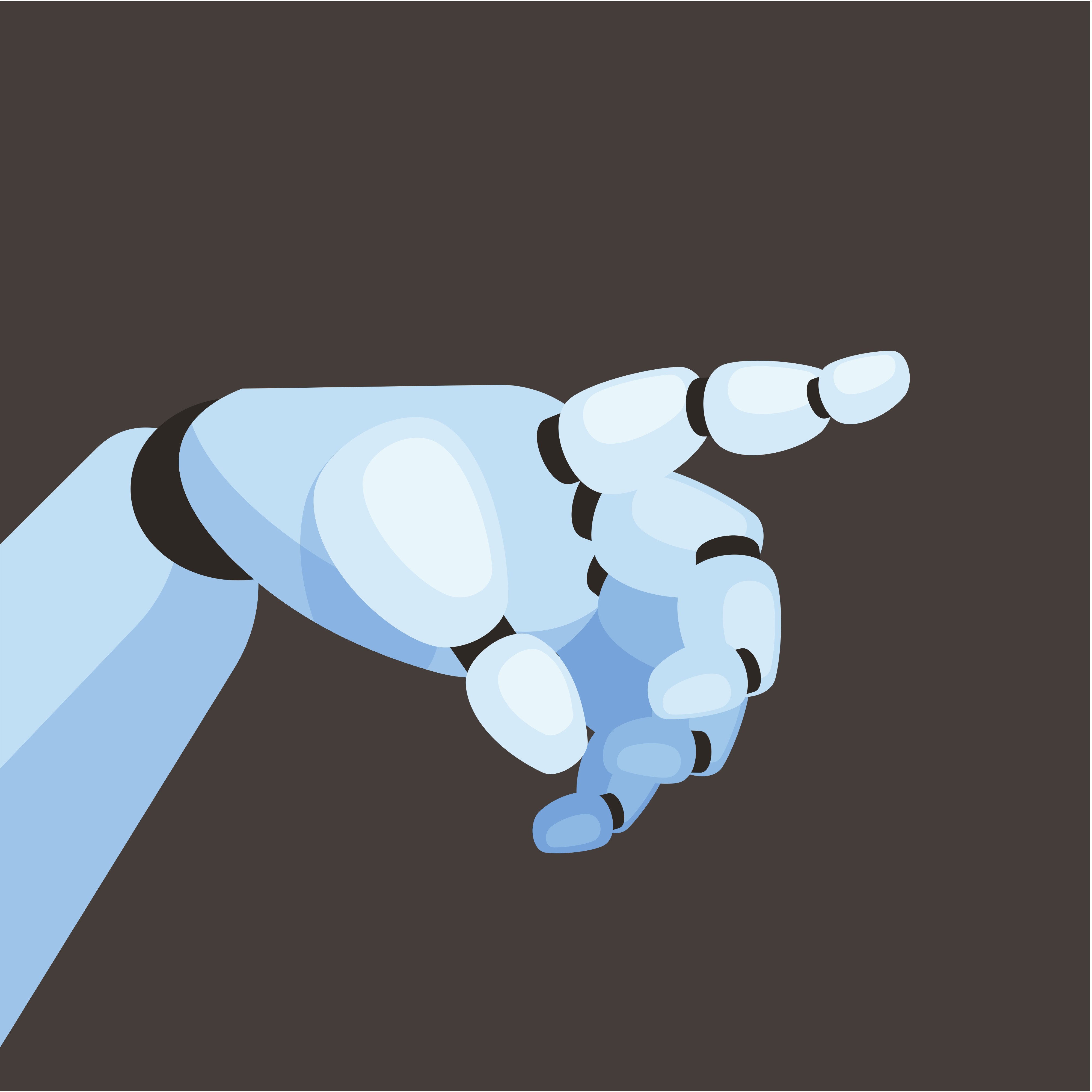
Robots are moving beyond the factory floor. Advances in artificial intelligence, computer vision, sensors, and robotics are creating machines that can understand their surroundings and perform increasingly complex tasks.
From manufacturing and warehouses to healthcare and homes, robots could change how people work and live. But the transformation is likely to be gradual, with both new opportunities and difficult challenges.
How Are Modern Robots Becoming Smarter?
Traditional robots usually perform a fixed sequence of programmed movements. Modern robots can combine cameras, sensors, AI models, and machine learning to respond to changing environments.
The basic process is:
Sense → Understand → Plan → Act → Learn
A robot can use cameras and sensors to identify objects, understand its surroundings, plan a movement, and then adjust its actions based on what happens.
This is particularly important for AI-powered robotics and humanoid robots, which are being developed to operate in environments designed for humans.
Robots in Manufacturing
Manufacturing is already one of the biggest areas of robot adoption.
Industrial robots can perform welding, assembly, painting, inspection, packaging, and material handling. They can work continuously and perform repetitive tasks with consistent precision.
According to the International Federation of Robotics (IFR), robot density in manufacturing reached record levels in several regions, with Western Europe at 267 robots per 10,000 manufacturing employees in 2024.
The next stage is human-robot collaboration.
Instead of replacing an entire production line, robots can work alongside employees. A robot might lift heavy components while a worker handles inspection or more complex assembly.
Toyota, for example, estimates that it could spend around $6.4 billion annually from 2028 on factory automation and robotics, with plans involving hundreds of thousands of robots across its manufacturing ecosystem.
How Robots Could Change Jobs
The effect of robots on employment is more complicated than simply “robots take jobs.”
Robots can automate specific tasks, but automation can also create new work, increase productivity, and allow companies to expand production.
The IFR's 2026 research describes these effects as a combination of displacement, productivity, and reinstatement effects.
Some workers may increasingly operate, supervise, maintain, program, or troubleshoot robotic systems.
This means technical skills could become more valuable in manufacturing. Workers may need to understand robotics software, sensors, data, maintenance, and automated production systems.
Robots in Warehouses and Logistics
Warehouses are another major area for robotics.
Autonomous mobile robots can move products around facilities, while robotic arms can sort, pick, and package items.
Some robots can also perform inventory management. The IFR highlighted autonomous indoor drones that can navigate warehouse aisles, scan inventory, and return to charging stations without human control.
These systems can help companies handle large volumes of goods while reducing repetitive physical work.
Robots in Everyday Life
The long-term goal is not limited to factories.
Robots could eventually become more common in homes, hospitals, restaurants, hotels, and public spaces.
Possible applications include:
-
Cleaning and household assistance
-
Elder care and support
-
Food preparation
-
Delivery services
-
Security and monitoring
-
Education
-
Rehabilitation
-
Emergency response
Humanoid robots are particularly interesting because their human-like shape could allow them to use existing buildings, tools, and workspaces without requiring completely redesigned environments.
However, home robotics remains much harder than controlled factory automation. Current humanoid systems still struggle with dexterity, unfamiliar environments, reliability, and complex everyday tasks.
The Rise of Humanoid Robots
Humanoid robots have attracted significant attention in 2026.
Companies are developing robots capable of walking, carrying objects, manipulating equipment, and performing industrial tasks.
Some recent demonstrations have shown impressive physical abilities. However, performance demonstrations do not necessarily mean that robots are ready for large-scale commercial deployment. Real workplaces require reliability, safety, low operating costs, and the ability to handle unexpected situations.
This gap between demonstration and practical deployment remains one of the industry's biggest challenges.
Benefits of Robotics
Greater use of robots could provide several benefits:
-
Increased manufacturing productivity
-
More consistent quality
-
Automation of dangerous tasks
-
Reduced physical strain on workers
-
Faster warehouse operations
-
Support for aging populations
-
Assistance during labor shortages
-
New technology and engineering jobs
Robots can be particularly useful for jobs that are dangerous, repetitive, physically demanding, or difficult to staff.
Challenges and Risks
Robotics also creates important challenges.
The cost of advanced hardware can be high, and robots require maintenance, software, energy, and specialized infrastructure.
There are also concerns about job displacement and the need for workers to develop new skills.
Safety is another major issue. A robot operating around people must be able to detect obstacles, understand its environment, and respond safely when something unexpected happens.
Privacy could become important too, particularly when household robots use cameras and microphones.
What Could the Future Look Like?
The future may involve humans and robots working together rather than robots simply replacing humans.
Factories could use fleets of specialized robots supervised by skilled workers. Warehouses could combine autonomous vehicles with human employees. Homes might eventually have robots capable of handling selected household tasks.
AI will be a major part of this transformation because robots need more than mechanical movement. They need to understand environments, follow instructions, make decisions, and adapt.
The biggest breakthrough will therefore not simply be building robots that can move. It will be creating robots that can reliably understand and act in the real world.
FAQ
Will robots replace human workers?
Robots can automate specific tasks, but their overall effect on employment depends on the industry, technology, business decisions, and how workers adapt. Research from the IFR indicates that robotics can both displace tasks and create productivity and new-work effects.
Where are robots used today?
Robots are widely used in manufacturing and logistics, with growing applications in areas such as healthcare, agriculture, retail, and services.
What are humanoid robots?
Humanoid robots are machines designed with a human-like body structure, often including two legs, arms, hands, cameras, and AI systems.
Are home robots ready for everyone?
Not yet. Household environments are unpredictable, and today's robots still face challenges with dexterity, reliability, cost, and handling unfamiliar tasks.
What skills will become important?
Robotics, programming, AI, maintenance, data analysis, automation, and human-robot collaboration are likely to become increasingly relevant as robotic systems spread.
Final Thoughts
Robotics is entering a new era. Industrial robots are becoming more flexible, autonomous machines are expanding into logistics, and AI is giving robots better ways to understand the physical world.
The impact on jobs and everyday life will not happen overnight. Some tasks will become automated, new roles will emerge, and many workers will increasingly collaborate with intelligent machines.
The most important question may not be whether robots will change work, but how businesses, workers, and society prepare for a world where humans and intelligent machines increasingly work side by side.