AI Agents in 2026: How Autonomous AI Is Changing Work

Artificial intelligence is entering a new phase in 2026. Instead of simply answering questions or generating content, AI agents are increasingly being designed to plan tasks, use software, access information, and take actions on behalf of people.
This shift toward autonomous AI is changing how companies think about productivity, software, customer service, research, and everyday digital work.
What Are AI Agents?
An AI agent is a software system that can understand a goal, decide what steps are needed, use digital tools, and work toward completing the task.
A traditional AI chatbot might tell you how to create a report. An AI agent could potentially collect the required information, analyze it, create the report, and organize the final result.
The key difference is that agents can move from generating answers to performing tasks.
How Does Autonomous AI Work?
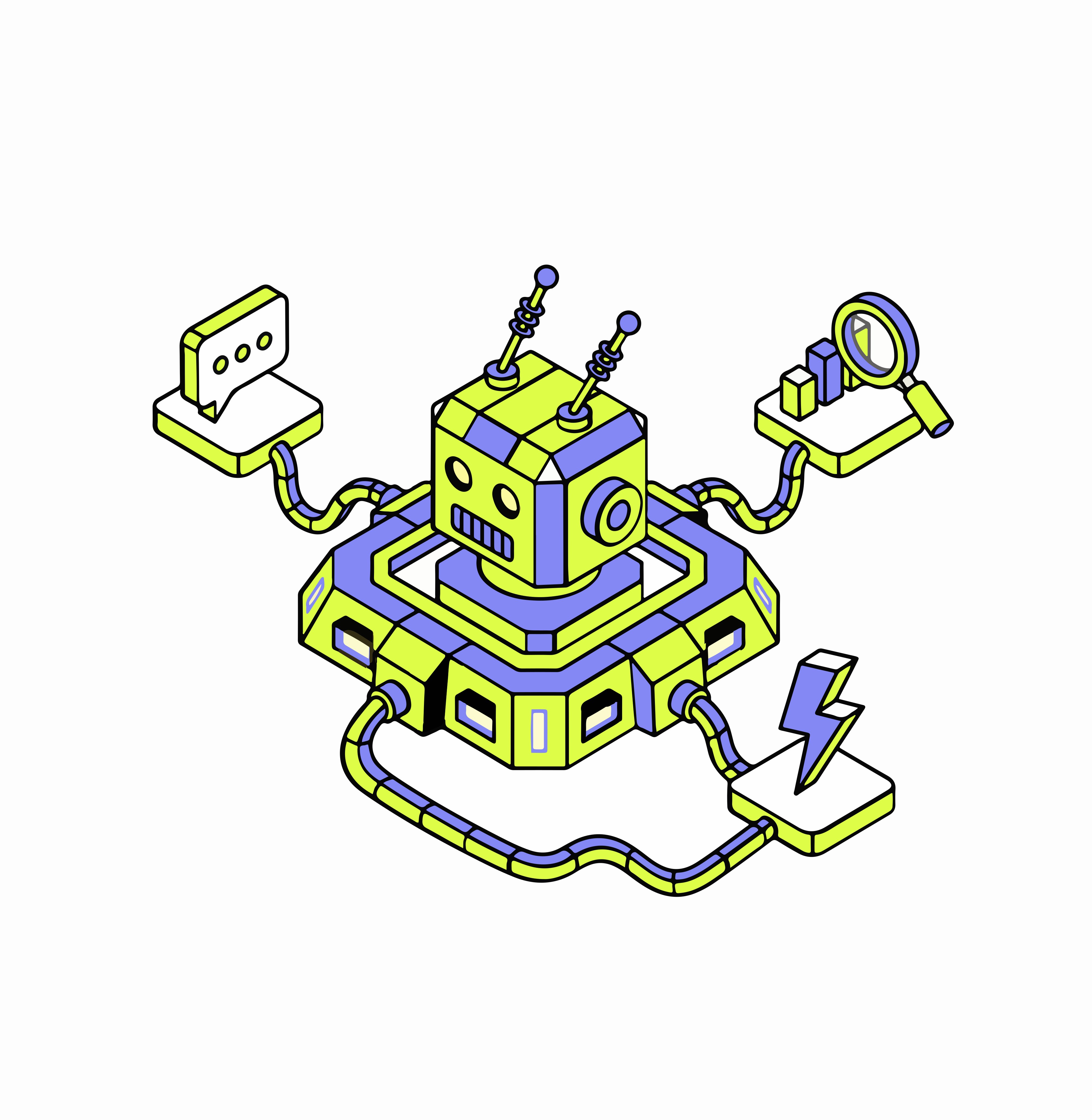
AI agents typically combine several capabilities:
-
Reasoning: Understanding the objective and deciding what to do.
-
Planning: Breaking a complex task into smaller steps.
-
Tool use: Interacting with websites, databases, APIs, and applications.
-
Memory: Keeping useful information and context.
-
Execution: Performing actions and checking their results.
-
Human oversight: Asking for approval when an important decision or action is required.
Modern agents can also work together. One agent might research information while another analyzes the results and a third prepares the final output.
What's New About AI Agents in 2026?
2026 has seen a significant move toward more practical agentic systems.
At Google I/O 2026, Google introduced new agent capabilities across Search, Gemini, and its developer tools. Its information agents are designed to work in the background, monitor information, and provide updates, while Gemini Spark is positioned as a personal AI agent capable of taking actions under a user's direction.
Google also expanded agent development tools designed for multi-step workflows, while Microsoft has been developing computer-use and workplace agents capable of interacting with software and participating in real work.
These developments show an important change: AI is increasingly being designed not only to understand information, but also to operate within digital environments.
How AI Agents Are Changing Work
Software Development
AI coding agents can help developers research problems, write code, modify files, run tests, and troubleshoot errors.
This allows developers to focus more on architecture, product decisions, and reviewing results.
Business Operations
Businesses can use agents to automate repetitive workflows such as document processing, data analysis, customer requests, reporting, and internal research.
Microsoft's 2026 Work Trend Index describes a growing workplace model in which AI and agents take on more execution while people focus more on directing work and making decisions.
Customer Service
Instead of responding only to questions, AI agents can potentially investigate customer issues, access relevant information, and complete certain service workflows.
This could make customer support faster while allowing human employees to handle more complicated cases.
Cybersecurity
Security teams can use AI agents to analyze alerts, investigate suspicious activity, and assist with incident response. Google has also highlighted specialized cybersecurity agents and secure agent infrastructure as part of its 2026 work in India.
Benefits of Autonomous AI
The biggest advantage of AI agents is workflow automation.
Instead of manually moving information between several applications, employees can delegate parts of a process to an agent.
Potential benefits include:
-
Faster completion of repetitive tasks
-
More efficient business workflows
-
24/7 digital assistance
-
Better use of employee time
-
Personalized customer experiences
-
Faster research and analysis
-
Easier software development
However, these benefits depend heavily on how reliable, secure, and well-controlled the agent is.
Challenges of AI Agents
Greater autonomy also creates greater risks.
An agent with access to company systems can potentially make an incorrect decision or take an unwanted action. Security threats such as prompt injection, excessive permissions, data leakage, and compromised tools become more important when AI can act independently.
Reliability is another challenge. Microsoft Research has found that computer-using agents can struggle when they must manage many interdependent tasks simultaneously, showing why evaluating agents in realistic work environments is important.
Human oversight, permission controls, monitoring, and testing will therefore remain important.
The Future of AI Agents
The future of work may involve humans and AI agents working as teams.
Employees could assign goals to specialized agents, review their progress, and make important decisions while agents handle repetitive execution.
We may also see larger multi-agent systems, where different agents collaborate across departments, applications, and business processes.
The biggest change may be simple: instead of asking software to help us complete every step, we may increasingly tell software what outcome we want and allow AI agents to handle the steps in between.
FAQ
What are AI agents in 2026?
AI agents are AI-powered systems that can understand goals, plan tasks, use digital tools, and perform actions with varying levels of human supervision.
What is autonomous AI?
Autonomous AI refers to AI systems capable of carrying out tasks or making decisions with limited human intervention, within the permissions and rules provided to them.
Will AI agents replace jobs?
AI agents are expected to automate many individual tasks and workflows. The overall effect on jobs will vary by occupation, industry, adoption, and how organizations redesign work.
Are AI agents safe?
AI agents can be useful, but they introduce additional security and reliability challenges because they can interact with external systems. Strong permissions, monitoring, testing, and human oversight are important.
Why are AI agents important in 2026?
AI agents represent a shift from AI that primarily generates content toward AI that can plan and execute multi-step digital work.
Final Thoughts
AI agents in 2026 are becoming more capable, practical, and deeply integrated into digital work. The technology is moving beyond simple chatbots toward systems that can research, plan, coordinate, and act.
The next stage of autonomous AI will depend not only on smarter models, but also on better security, reliable tools, clear permissions, and effective human oversight.
The future of work may not be humans versus AI. It may increasingly be humans directing AI agents to accomplish more together.