What Is Synthetic Biology? The Technology Engineering Living Systems

For thousands of years, humans have changed living organisms through farming and selective breeding. Today, biotechnology is taking this idea much further.
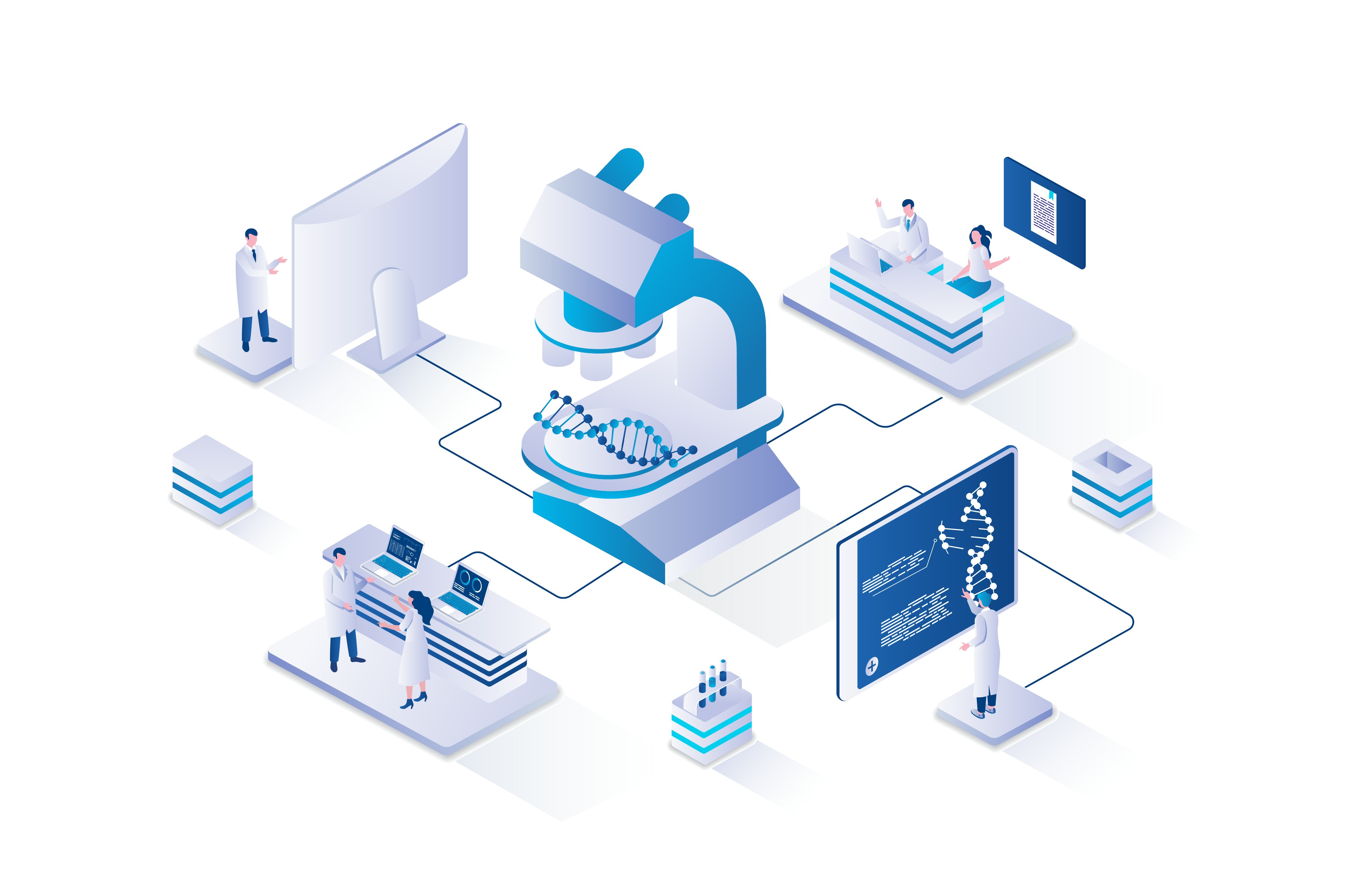
Synthetic biology is an emerging field that combines biology, engineering, chemistry, computer science, and biotechnology to design or modify biological systems for useful purposes.
Instead of only studying how nature works, scientists can increasingly design biological systems to perform specific functions.
From medicines and sustainable materials to agriculture and environmental solutions, synthetic biology could become an important part of the future of biotechnology.
What Is Synthetic Biology?
Synthetic biology is the engineering of biological components, cells, or biological systems to create new functions or modify existing ones.
Scientists can work with DNA, genes, proteins, cells, and microorganisms.
A simplified example is designing a microorganism that produces a useful chemical.
The process may look like:
Design → Build → Test → Measure → Improve
This engineering-style approach is sometimes called the design-build-test-learn cycle.
How Does Synthetic Biology Work?
Synthetic biology uses several technologies together.
DNA Design
Scientists can design or modify DNA sequences that control biological functions.
Genetic Engineering
The designed DNA can be introduced into cells or microorganisms using appropriate biological techniques.
Measurement
Researchers test whether the modified organism behaves as expected.
Optimization
If the result is not good enough, scientists can modify the design and test it again.
Modern computational tools and AI can help researchers analyze biological data and explore possible designs more efficiently.
Synthetic Biology vs Traditional Biotechnology
Traditional biotechnology often works with biological systems that already exist.
Synthetic biology takes a more engineering-focused approach.
For example, traditional biotechnology might use an existing microorganism to produce a product.
Synthetic biology could modify that microorganism so it produces the product more efficiently or creates a new compound.
The difference is not absolute, but synthetic biology places a stronger emphasis on designing and programming biological systems.
Synthetic Biology in Medicine
Healthcare is one of the most important applications.
Scientists are investigating synthetic biology for:
-
New medicines
-
Vaccines
-
Cell therapies
-
Drug production
-
Diagnostic technologies
-
Engineered microorganisms
One example is engineered cell therapy.
Researchers can modify immune cells so they perform specific functions inside the body. CAR-T cancer therapies, for example, involve genetically modifying a patient's T cells so they can recognize and attack certain cancer cells.
Synthetic biology research is also exploring ways to engineer cells that can detect biological signals or produce therapeutic molecules.
Synthetic Biology and Drug Manufacturing
Microorganisms can act like tiny biological factories.
Scientists can engineer bacteria or yeast to produce useful compounds.
This approach is already important for biotechnology manufacturing. Engineered microorganisms can be used to produce certain pharmaceutical ingredients and other valuable biological products.
In the future, increasingly sophisticated biological systems could manufacture a wider range of chemicals and materials.
Sustainable Materials and Chemicals
Synthetic biology could also change manufacturing.
Instead of producing every chemical using traditional industrial processes, companies can potentially use engineered organisms to manufacture selected products.
Researchers are exploring biological production of:
-
Specialty chemicals
-
Enzymes
-
Alternative materials
-
Food ingredients
-
Fuels
-
Industrial compounds
The potential advantage is that biological manufacturing can sometimes operate under milder conditions than conventional chemical production, although the environmental benefits depend on the complete production process.
Synthetic Biology in Agriculture
Agriculture is another area of research.
Scientists are investigating engineered biological systems that could improve crop characteristics, support plant health, or produce useful agricultural products.
Synthetic biology can also contribute to biological alternatives to certain agricultural chemicals.
However, agricultural biotechnology is highly regulated, and environmental impacts must be carefully evaluated.
Environmental Applications
Synthetic biology could potentially help address environmental problems.
Researchers are exploring microorganisms designed to perform useful functions such as breaking down specific pollutants or producing materials from renewable resources.
One promising area is biological carbon capture, where engineered organisms could potentially help convert carbon dioxide into useful products.
These approaches remain active areas of research and require careful evaluation before large-scale environmental deployment.
The Role of AI in Synthetic Biology
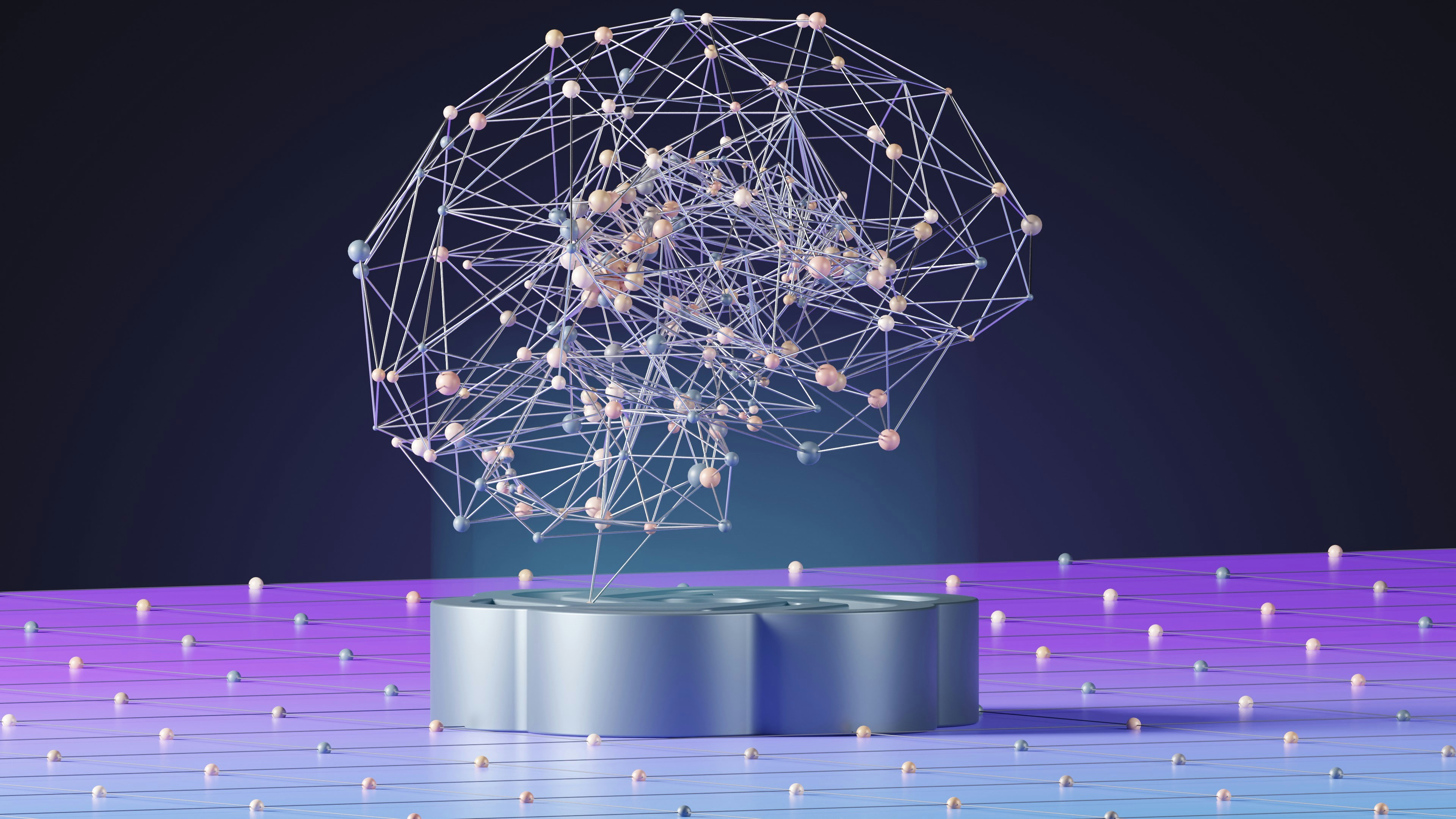
AI is becoming an important supporting technology.
Machine-learning models can analyze DNA sequences, predict protein properties, identify biological patterns, and help researchers explore possible designs.
Generative AI is also being investigated for designing proteins and biological sequences with desired characteristics.
This creates an increasingly powerful combination:
AI designs → Biology builds → Experiments test → Data improves AI
The combination could accelerate some parts of biological engineering.
Benefits of Synthetic Biology
Synthetic biology could provide several advantages:
-
New medicines and therapies
-
More efficient biological manufacturing
-
Sustainable production methods
-
New materials
-
Improved research tools
-
Potential environmental solutions
-
Greater control over biological processes
Its biggest promise is the ability to treat biology as an engineering platform.
Challenges and Risks
Synthetic biology also creates serious challenges.
Biological systems are complex, and engineered organisms may behave differently than expected.
Safety is therefore critical.
Important concerns include:
-
Accidental environmental release
-
Biological containment
-
Unexpected genetic changes
-
Cybersecurity of biological designs
-
Ethical questions
-
Regulation
-
High development costs
Researchers use containment strategies, safety testing, and regulatory frameworks to reduce these risks.
Latest Developments
Synthetic biology is becoming increasingly connected with AI, automation, gene editing, and advanced DNA synthesis.
Automated laboratories can perform experiments rapidly, while AI systems can help researchers select promising biological designs.
This combination could make biological engineering more scalable.
Researchers are also working toward programmable cells that can sense their environment and respond to specific biological signals.
What Is the Future of Synthetic Biology?
The long-term vision is to create biological systems that can perform useful tasks almost like engineered machines.
Imagine microorganisms designed to manufacture medicines, cells programmed to detect disease signals, or biological systems producing materials from renewable resources.
These applications are still at different stages of development, and many will require years of research.
But the direction is significant: scientists are moving from simply observing biology toward designing and engineering biological functions.
FAQ
What is synthetic biology?
Synthetic biology is the engineering of biological components and systems to create new functions or modify existing biological processes.
Is synthetic biology the same as genetic engineering?
They overlap, but synthetic biology generally has a broader engineering focus. It can involve designing biological systems, circuits, cells, and genetic components.
What is synthetic biology used for?
Applications include medicine, drug manufacturing, agriculture, sustainable chemicals, materials, food technology, and environmental research.
How does AI help synthetic biology?
AI can analyze biological data, predict molecular behavior, and help researchers design DNA, proteins, and other biological components.
Is synthetic biology safe?
It can be developed safely with appropriate containment, testing, oversight, and regulation. However, engineered biological systems can create risks that researchers must carefully evaluate.
Final Thoughts
Synthetic biology is changing how humans think about biotechnology.
Instead of only studying biological systems, scientists can increasingly design and engineer them for specific purposes.
The combination of synthetic biology, AI, gene editing, DNA synthesis, and laboratory automation could create new possibilities across medicine, manufacturing, agriculture, and environmental technology.
The technology is still developing, and safety and ethical considerations will remain essential.
But if biological systems can be designed with increasing precision, the future of biotechnology could look less like traditional biology—and more like engineering with living systems.