Bio-AI: How Artificial Intelligence Is Meeting Biotechnology
Artificial intelligence is changing far more than software and digital services. It is increasingly being used to understand one of the most complicated systems on Earth: biology.
This growing field is often called Bio-AI.
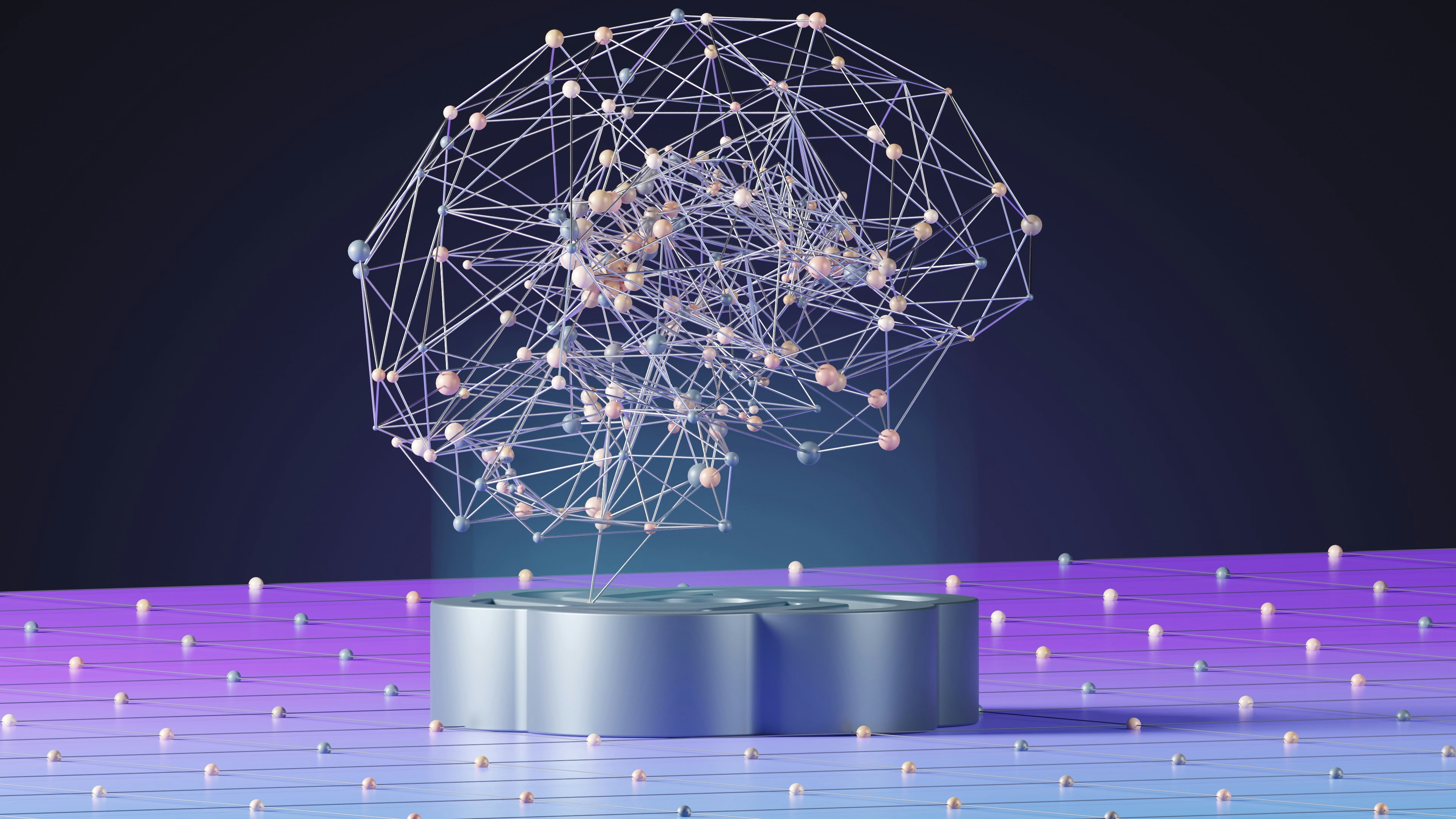
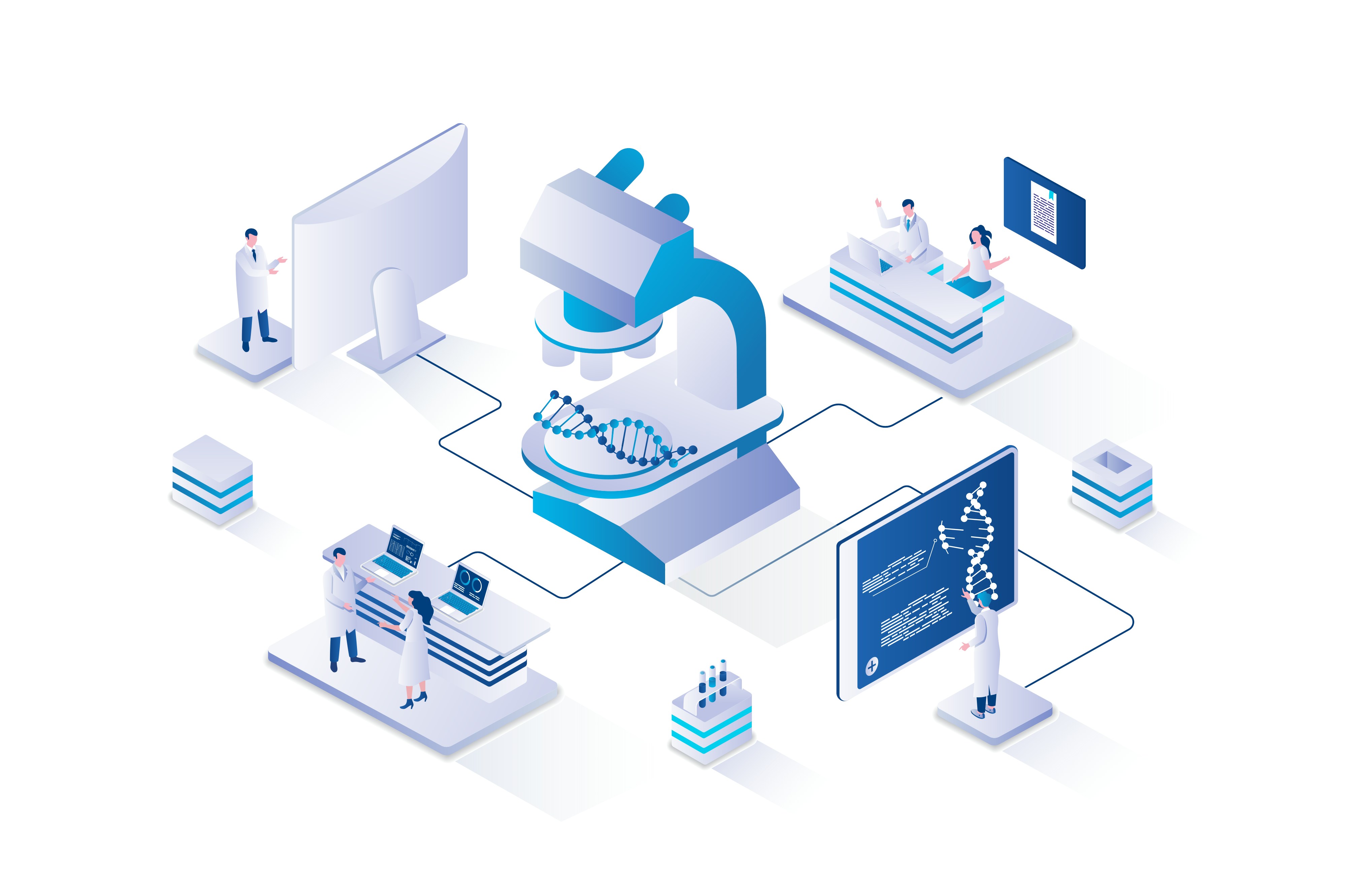
Bio-AI combines artificial intelligence, machine learning, biological data, and biotechnology to help researchers understand cells, genes, proteins, diseases, and biological processes.
From drug discovery to protein research and personalized medicine, the combination could change how scientists develop new treatments and study life itself.
What Is Bio-AI?
Bio-AI refers to the use of artificial intelligence in biological and biotechnology research.
Biology produces enormous amounts of data. DNA sequences, protein structures, medical images, chemical information, and experimental results can create datasets that are difficult to analyze manually.
AI can process these datasets, identify patterns, make predictions, and help researchers investigate new possibilities.
A simple Bio-AI workflow can look like:
Biological Data → AI Analysis → Prediction → Experiment → New Data
The experimental results can then be used to improve future predictions.
How Does Bio-AI Work?
Bio-AI combines several technologies.
Machine Learning
Machine-learning models can learn patterns from biological datasets and use them to make predictions.
Generative AI
Generative models can help researchers design new molecules, proteins, or biological sequences based on desired properties.
Computer Vision
AI can analyze microscopy images and other biological images to identify cells, structures, or changes that may be difficult to detect manually.
Biological Databases
Large datasets containing genetic, molecular, protein, and clinical information provide the foundation for many Bio-AI applications.
Together, these technologies can help researchers move through complex biological problems more efficiently.
AI for Protein Research
Proteins are essential to almost every biological process.
Understanding their three-dimensional structures can help scientists investigate how they function and how drugs might interact with them.
A major development came from AlphaFold, an AI system developed by Google DeepMind.
AlphaFold demonstrated that AI could predict protein structures at unprecedented scale. The AlphaFold database has since provided researchers with predicted structures for hundreds of millions of proteins, expanding access to structural biology information.
More recent systems, including AlphaFold 3, are designed to model interactions involving proteins, DNA, RNA, and small molecules.
This does not replace laboratory experiments, but it can provide researchers with valuable starting points.
Bio-AI and Drug Discovery
Developing medicines involves searching through huge numbers of possible molecules.
AI can help researchers predict properties such as molecular behavior, potential biological activity, and possible interactions with targets.
Instead of experimentally testing every possibility, researchers can use AI to prioritize candidates for further investigation.
AI can also help analyze scientific literature, biological datasets, and experimental results.
The goal is not to let AI approve a drug automatically. Laboratory experiments and clinical trials remain essential.
AI and Gene Editing
AI is also becoming useful in genomics and gene editing.
Researchers can use machine learning to analyze genetic sequences and identify potential targets.
AI can also assist with designing and evaluating components used in gene-editing systems.
For example, researchers can investigate which genetic sequences may be suitable targets and predict how certain biological components could behave.
This could eventually help make gene-editing research more targeted and efficient.
Personalized Medicine
People can respond differently to the same treatment.
Genetic information, lifestyle, age, and other biological factors can influence how a person responds to a medicine.
AI can analyze large biological and medical datasets to identify patterns that may help researchers develop more personalized approaches to treatment.
This area is still developing, and clinical use requires careful validation, privacy protection, and regulatory oversight.
AI in Biotechnology Manufacturing
Bio-AI is not limited to discovering medicines.
Biotechnology companies use biological systems to produce products such as enzymes, chemicals, food ingredients, and therapeutic molecules.
AI can help optimize biological processes and identify conditions that may improve production.
Combining AI with automated laboratory equipment can also create faster research cycles.
A system can potentially:
Predict → Experiment → Measure → Learn → Optimize
This approach is sometimes described as a self-driving laboratory.
Benefits of Bio-AI
The combination of AI and biotechnology could provide several benefits:
-
Faster analysis of biological data
-
More efficient drug discovery
-
Better protein understanding
-
Improved experiment design
-
Discovery of new biological patterns
-
Potentially more personalized treatments
-
Faster development of biological products
The biggest advantage is scale. AI can examine relationships across enormous datasets that would be difficult for humans to analyze manually.
Challenges and Risks
Bio-AI also comes with significant challenges.
AI models can produce incorrect predictions, especially when training data is incomplete or biased.
Biological systems are also extremely complex. A prediction that looks promising computationally may fail in a real laboratory.
Other challenges include:
-
Data quality
-
Privacy
-
Model reliability
-
Biological complexity
-
High computing costs
-
Reproducibility
-
Regulatory requirements
-
Ethical concerns
Researchers therefore need strong experimental validation rather than relying on AI predictions alone.
Latest Developments and the Future
The field is moving toward AI systems that can do more than analyze existing information.
Researchers are developing models that can design biological molecules, predict interactions, plan experiments, and work alongside automated laboratory equipment.
This could create a new research model where AI continuously proposes experiments and learns from their results.
In the future, Bio-AI could contribute to areas such as new medicines, synthetic biology, agriculture, environmental biotechnology, and advanced materials.
The biggest breakthroughs may come from combining AI with increasingly automated biological research.
FAQ
What is Bio-AI?
Bio-AI is the combination of artificial intelligence and biotechnology to analyze biological data, make predictions, design biological systems, and support scientific research.
How is AI used in biotechnology?
AI is used for protein structure prediction, drug discovery, genomics, gene editing research, biological image analysis, and optimization of biotechnology processes.
Can AI create new medicines?
AI can help researchers identify and design potential drug candidates, but laboratory experiments and clinical trials are still required to establish whether a medicine is safe and effective.
What is AlphaFold?
AlphaFold is an AI system developed by Google DeepMind that predicts protein structures and has become an important tool in structural biology research.
Will AI replace biotechnology researchers?
AI is more likely to become a powerful research assistant. Scientists still need to define questions, design experiments, validate results, and interpret biological evidence.
Final Thoughts
Bio-AI is bringing two powerful fields together: artificial intelligence and biotechnology.
AI can process enormous biological datasets, make predictions, and help researchers explore possibilities that would be difficult to investigate manually.
From protein structures and drug discovery to gene editing and automated laboratories, the technology is already changing parts of biological research.
The field is still young, and biology remains extremely complex. But as AI models become more capable and laboratory automation improves, Bio-AI could become an important engine for the next generation of biotechnology innovation.