Best Books for Beginners
Starting a reading habit can be surprisingly difficult.
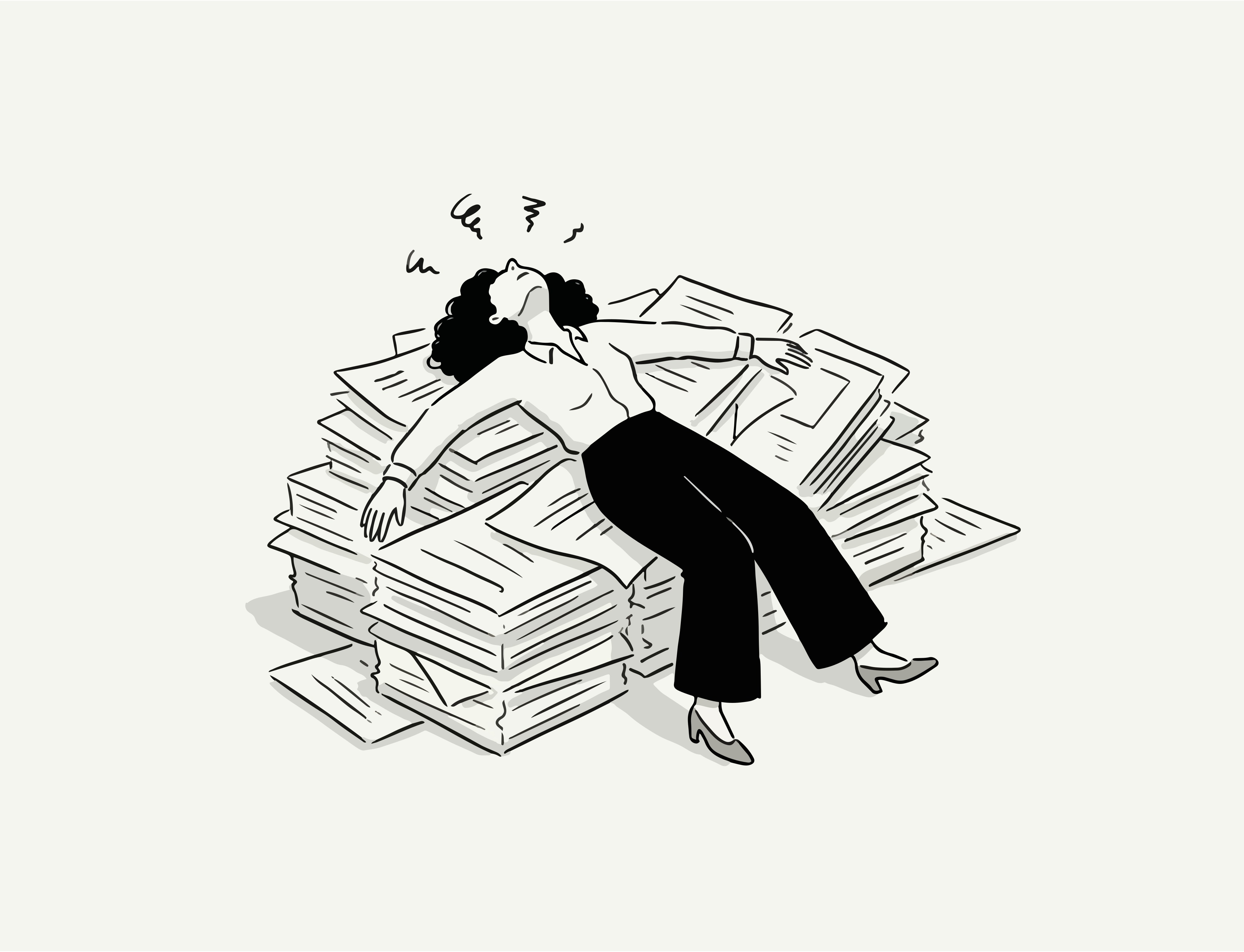
You may want to read more, but then you open a 500-page book filled with complicated language, lose interest after 30 pages, and suddenly your reading plan is forgotten.
The good news? You do not need to start with difficult books.
The best books for beginners are usually books that are easy to follow, interesting from the first few pages, and rewarding enough to make you want to pick up another book afterward.
Whether you want to start reading fiction, learn something useful, improve yourself, understand money, or simply spend less time scrolling, these books are a great place to begin.
1. The Alchemist — Paulo Coelho
If you are new to reading, The Alchemist is an excellent starting point.
It follows Santiago, a young shepherd who leaves his familiar life to pursue a dream. Along the way, he learns about courage, persistence, opportunity, and discovering his own path.
The language is simple, while the ideas give you plenty to think about.
Why read it: Short, accessible, and highly engaging.
Key lesson: The journey toward a goal can be just as important as the destination.
2. The Little Prince — Antoine de Saint-Exupéry
Do not let its small size fool you.
The Little Prince is a simple story with surprisingly deep ideas about friendship, love, loneliness, responsibility, and how people see the world.
You can finish it quickly, making it ideal for someone who is trying to build a reading habit.
Why read it: Easy to read but meaningful enough to revisit later.
Key lesson: The things that matter most are not always obvious on the surface.
3. Atomic Habits — James Clear
Want to become someone who actually reads regularly?
Start with the book about habits.
James Clear explains how small behaviors can become automatic and how changing your environment can make good habits easier to maintain.
You can apply the same ideas to reading, studying, exercise, work, and almost any other routine.
Why read it: Practical and extremely easy to apply.
Key lesson: Small improvements repeated consistently can create major results.
4. The Psychology of Money — Morgan Housel
You do not need to understand complicated finance to appreciate this book.
Morgan Housel explores the human side of money—how emotions, personal experiences, expectations, and behavior influence financial decisions.
It is written through short stories and examples rather than difficult financial theory.
Why read it: A beginner-friendly introduction to thinking about money differently.
Key lesson: Managing money is often more about behavior than mathematical knowledge.
5. Tuesdays with Morrie — Mitch Albom
This short memoir is built around conversations between Mitch Albom and his former professor, Morrie Schwartz.
They talk about love, family, work, aging, money, relationships, and what makes life meaningful.
It is emotional without being difficult to follow.
Why read it: It is short, readable, and likely to make you think about your own priorities.
Key lesson: A meaningful life is about much more than achievements and possessions.
6. Who Moved My Cheese? — Spencer Johnson
Four characters search for cheese in a maze, but the simple story is really about how people deal with change.
It is one of the easiest books on this list and can be finished very quickly.
Why read it: Perfect for someone who is intimidated by long books.
Key lesson: When circumstances change, adapting can be more useful than constantly wishing things were the same.
7. The Old Man and the Sea — Ernest Hemingway
This classic follows an old fisherman who faces an enormous challenge at sea.
The story is short and straightforward, but it explores determination, dignity, struggle, and perseverance.
Why read it: It is a great introduction to classic literature without requiring a huge time commitment.
Key lesson: How you face a challenge can matter as much as the final result.
8. The Midnight Library — Matt Haig
What if you could see the lives you might have lived if you had made different choices?
The Midnight Library uses this fascinating idea to explore regret, possibility, relationships, and the search for a meaningful life.
Its modern writing style makes it particularly accessible to newer readers.
Why read it: Emotional, imaginative, and easy to get into.
Key lesson: There may be no perfect life, but there can still be a meaningful one.
9. The Four Agreements — Don Miguel Ruiz
This short personal-growth book presents four simple principles for approaching communication, assumptions, personal reactions, and effort.
The concepts are straightforward, which makes the book approachable even if you rarely read self-help.
Why read it: Short chapters and simple ideas make it easy to digest.
Key lesson: Changing how you respond to situations can change your everyday experience.
10. The Hobbit — J.R.R. Tolkien
Not every beginner needs to start with nonfiction or self-improvement.
The Hobbit is a fantastic introduction to fantasy and adventure. Bilbo Baggins leaves his comfortable home and gradually discovers courage, resourcefulness, and confidence.
Why read it: A fun story can make developing a reading habit feel effortless.
Key lesson: Stepping outside your comfort zone can reveal abilities you did not know you had.
11. Educated — Tara Westover
This memoir follows Tara Westover's journey from an isolated childhood toward education and a much wider understanding of the world.
The story is personal, emotional, and highly readable.
Why read it: It shows how learning can transform the way you see yourself and your surroundings.
Key lesson: Education can open doors to perspectives and choices you may never have considered.
12. The 7 Habits of Highly Effective People — Stephen R. Covey
For readers who want a practical personal-development book, this is a strong next step.
Covey explores responsibility, priorities, relationships, communication, and effectiveness.
Although it is more substantial than some books on this list, its ideas are presented in a structured way.
Why read it: It introduces foundational ideas for personal and professional growth.
Key lesson: Lasting improvement starts with your habits, priorities, and principles.
13. The Alchemist — Paulo Coelho
For new readers who enjoy simple stories with motivational themes, The Alchemist deserves a place near the beginning of your reading journey.
Its story is straightforward enough for beginners while its themes invite reflection about dreams and purpose.
Why read it: Easy language and a memorable story make it approachable.
Key lesson: Do not ignore the goals and ambitions that genuinely matter to you.
14. A Man Called Ove — Fredrik Backman
This warm and funny novel follows Ove, a lonely and stubborn man whose life begins changing through unexpected connections with his neighbors.
It balances humor, sadness, friendship, and hope.
Why read it: It is character-driven and highly accessible even for people who do not normally read fiction.
Key lesson: Unexpected relationships can change your life.
15. The Creative Act — Rick Rubin
Once you become comfortable with reading, it is worth exploring books about creativity.
Rick Rubin discusses curiosity, observation, experimentation, and the process of making meaningful work.
It is useful for artists, entrepreneurs, writers, designers, and anyone who wants to become more creative.
Why read it: It encourages curiosity without making creativity feel complicated.
Key lesson: Creativity often begins by paying attention to what is around you.
How to Start Reading Without Getting Overwhelmed
The biggest mistake beginners make is trying to read too much too quickly.
You do not need to finish one book every week. Start with 10 or 15 pages a day. That is enough to build momentum.
Choose books you actually enjoy. Do not force yourself through a book simply because people call it a "classic."
And keep your first goal simple.
Instead of saying, "I am going to read 50 books this year," try saying, "I am going to read for 15 minutes tonight."
Small goals are easier to keep.
Which Book Should You Start With?
It depends on what you enjoy.
Want an inspiring story? Try The Alchemist.
Want practical self-improvement? Start with Atomic Habits.
Interested in money? Pick The Psychology of Money.
Want a short classic? Try The Little Prince or The Old Man and the Sea.
Prefer fantasy? Start with The Hobbit.
Want an emotional story? A Man Called Ove or Tuesdays with Morrie are great choices.
The best beginner book is simply the one that makes you want to read the next chapter.
Final Thoughts
The best books for beginners are not necessarily the most difficult or prestigious books.
They are books that make reading enjoyable.
Start with something accessible. Read at your own pace. Put your phone away for a little while and give the book your full attention.
Once you discover the feeling of getting completely absorbed in a story or learning an idea that stays in your head all day, building a reading habit becomes much easier.
You do not need to become a serious reader overnight.
You just need to start with one good book.