What Are Antioxidants? Benefits, Food Sources, and Why They Matter
Antioxidants are compounds that help protect cells from damage caused by unstable molecules called free radicals. Your body naturally produces free radicals during normal metabolism, and exposure to factors such as pollution, cigarette smoke, and excessive ultraviolet radiation can also contribute to oxidative stress.
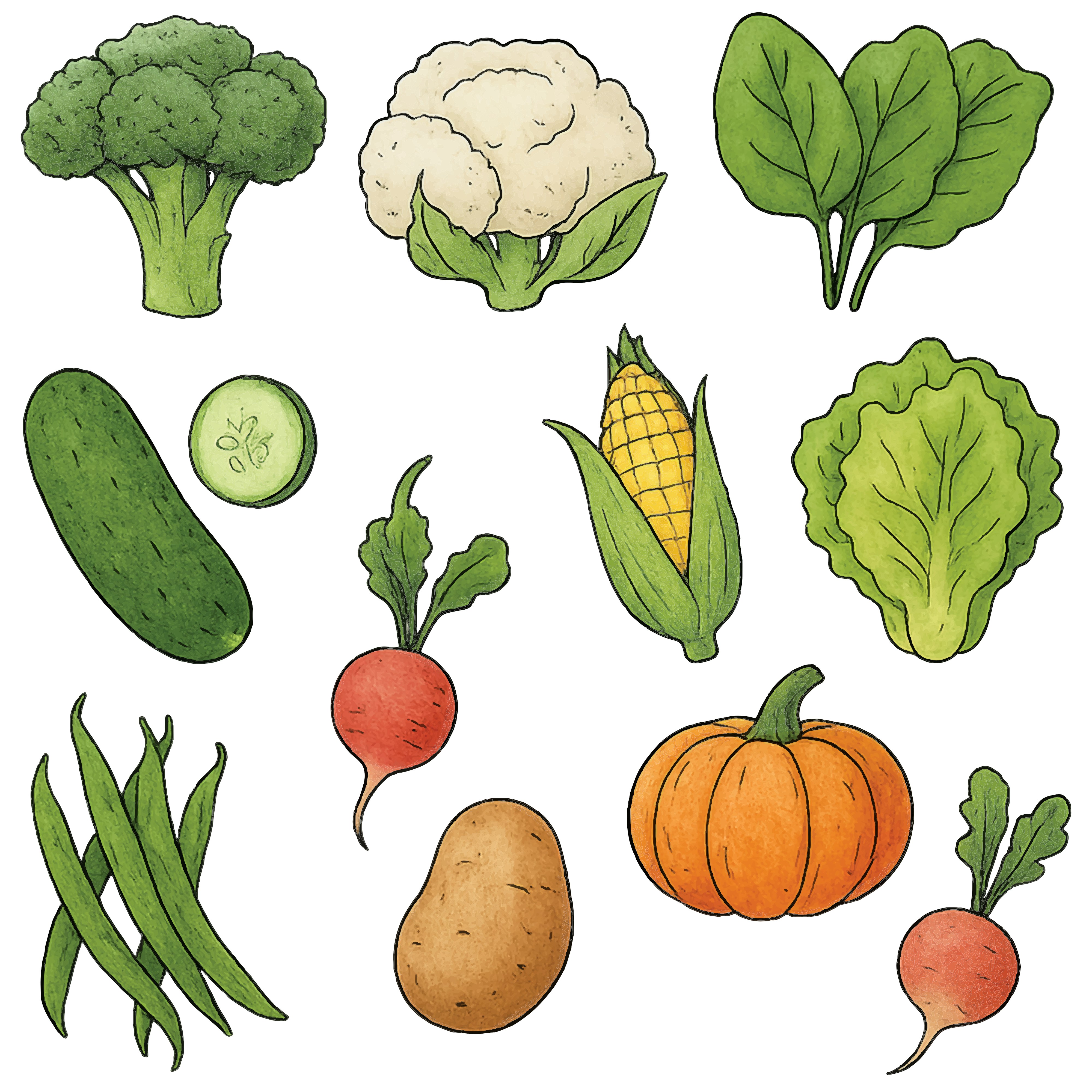
Antioxidants are found naturally in many fruits, vegetables, nuts, seeds, legumes, whole grains, tea, and other plant foods. Several vitamins and minerals, including vitamin C, vitamin E, selenium, and certain plant compounds, have antioxidant roles or help support the body's antioxidant defenses.
Understanding what antioxidants are, where to find them, and how they work can help you build a more nutritious diet without relying on unnecessary high-dose supplements.
Quick Summary
-
Antioxidants help protect cells from excessive oxidative damage.
-
Free radicals are produced naturally by the body and are not always harmful.
-
Fruits and vegetables are excellent sources of antioxidant compounds.
-
Vitamin C, vitamin E, selenium, carotenoids, and polyphenols are examples of antioxidant-related nutrients and compounds.
-
Different antioxidants work in different ways, so variety is more useful than focusing on one “super antioxidant.”
-
A balanced diet is generally preferable to high-dose antioxidant supplements.
-
Antioxidant-rich foods can be part of an overall healthy eating pattern.
What Are Antioxidants?
Antioxidants are substances that help neutralize or control reactive molecules that can damage cells when present in excessive amounts.
Your body has its own antioxidant defense systems, including enzymes and naturally occurring compounds. Food also provides many antioxidant compounds that contribute to these defenses.
Some well-known antioxidant nutrients and compounds include:
-
Vitamin C
-
Vitamin E
-
Selenium
-
Carotenoids
-
Flavonoids
-
Polyphenols
-
Certain antioxidant enzymes
Rather than thinking of antioxidants as a single nutrient, it is better to view them as a broad group of substances that work through different biological mechanisms.
What Are Free Radicals?
Free radicals are unstable molecules that can react with other molecules in the body. They are produced naturally during processes such as energy production and immune responses.
Free radicals are not necessarily bad. The body uses reactive molecules for normal biological functions, including some aspects of immune defense and cell signaling.
The problem can arise when there is an imbalance between reactive molecules and the body's ability to control them. This is commonly referred to as oxidative stress.
Factors that may contribute to oxidative stress include smoking, excessive alcohol consumption, air pollution, and excessive exposure to ultraviolet radiation.
Benefits of Antioxidants
1. Support Cellular Protection
One of the primary roles associated with antioxidants is helping protect cells from excessive oxidative damage.
Because every cell depends on healthy proteins, fats, DNA, and membranes, maintaining appropriate antioxidant defenses is an important part of normal physiology.
2. Support Normal Immune Function
Several antioxidant nutrients contribute to normal immune function.
For example, vitamin C supports immune cell function, while selenium helps support antioxidant enzymes involved in protecting cells.
A diet containing a variety of nutrient-rich foods helps provide these nutrients naturally.
3. Support Healthy Skin
Antioxidant-rich foods can contribute nutrients involved in maintaining healthy skin.
Vitamin C is required for collagen production, while vitamin E helps protect cells from oxidative damage. Carotenoids and other plant compounds are also found in many foods associated with a healthy diet.
However, eating antioxidant-rich foods does not mean they can completely prevent wrinkles, sun damage, or skin aging.
4. Support Healthy Aging
Oxidative stress is one of many biological processes involved in aging. A diet rich in fruits, vegetables, whole grains, nuts, seeds, and legumes provides a wide variety of antioxidant compounds along with fiber, vitamins, minerals, and other beneficial nutrients.
This overall dietary pattern is more important than focusing on one antioxidant supplement.
Best Antioxidant-Rich Foods
The easiest way to increase antioxidant intake is to eat a variety of colorful plant foods.
Berries
Blueberries, strawberries, raspberries, and blackberries provide various polyphenols and other plant compounds.
Citrus Fruits
Oranges, grapefruit, lemons, and other citrus fruits are excellent sources of vitamin C.
Leafy Green Vegetables
Spinach, kale, and other leafy greens provide vitamin C, carotenoids, and other beneficial plant compounds.
Tomatoes
Tomatoes contain vitamin C and carotenoids, including lycopene.
Nuts and Seeds
Almonds, sunflower seeds, hazelnuts, and other nuts and seeds provide vitamin E, minerals, healthy fats, and other compounds.
Beans and Legumes
Beans, lentils, and chickpeas provide polyphenols, fiber, minerals, and other nutrients that contribute to a healthy diet.
Green Tea
Green tea contains polyphenols called catechins. It can be included as part of a balanced diet, although it is not necessary to drink large quantities to obtain health benefits.
Dark Chocolate
Cocoa contains flavanols and other plant compounds. Choose products with higher cocoa content while keeping portions moderate because chocolate can also contain significant amounts of calories and added sugar.
Antioxidant Supplements: Do You Need Them?
Not usually.
It can be tempting to assume that taking large amounts of antioxidant vitamins will provide greater protection. However, more is not necessarily better.
High-dose antioxidant supplements do not automatically provide the same benefits as antioxidant-rich foods, and some supplements can cause harm when taken in excessive amounts.
For most healthy people, getting antioxidants from a varied diet is a better approach than taking multiple high-dose antioxidant supplements.
How to Add More Antioxidants to Your Diet
You do not need a complicated meal plan. Try simple changes such as:
-
Add berries to yogurt or oatmeal.
-
Include a colorful vegetable with lunch and dinner.
-
Eat a piece of fruit as a snack.
-
Add beans or lentils to soups, salads, or curries.
-
Choose nuts or seeds instead of highly processed snacks.
-
Include leafy greens regularly.
-
Drink unsweetened tea if you enjoy it.
-
Vary the colors of fruits and vegetables you eat throughout the week.
Conclusion
Antioxidants are compounds that help the body manage oxidative processes and protect cells from excessive damage. They include nutrients such as vitamins C and E and minerals such as selenium, as well as numerous plant compounds found in fruits, vegetables, legumes, nuts, seeds, tea, and whole grains.
The best way to benefit from antioxidants is not to search for one “super antioxidant.” Instead, eat a varied diet containing plenty of colorful plant foods and other nutrient-rich foods. Supplements may be appropriate in specific situations, but high-dose antioxidant supplements are not necessary for most healthy people.
FAQs About Antioxidants
1. What are antioxidants in simple terms?
Antioxidants are substances that help protect cells from excessive damage caused by reactive molecules. They are naturally produced by the body and are also found in many foods.
2. What foods are highest in antioxidants?
Berries, colorful vegetables, leafy greens, tomatoes, nuts, seeds, beans, legumes, tea, and many fruits contain antioxidant compounds.
3. Is vitamin C an antioxidant?
Yes. Vitamin C is an antioxidant that also supports collagen production, immune function, and other normal processes in the body.
4. Are antioxidants good for your skin?
Antioxidant-rich foods provide nutrients that support normal skin health. Vitamin C, vitamin E, carotenoids, and other plant compounds are examples. However, antioxidants cannot completely prevent normal skin aging.
5. Should I take antioxidant supplements every day?
Most healthy people do not need high-dose antioxidant supplements if they eat a varied diet. Supplements should generally be used for a specific nutritional need rather than simply because a product is marketed as an antioxidant.
6. Are free radicals always harmful?
No. Free radicals and other reactive molecules are naturally produced by the body and participate in normal biological processes. Problems can arise when excessive reactive molecules overwhelm the body's ability to control them.
7. How can I get more antioxidants naturally?
Eat a variety of colorful fruits and vegetables, along with beans, whole grains, nuts, seeds, and other plant foods. Variety is more useful than focusing on a single antioxidant-rich food.















