How to Boost Your Immune System Naturally: Diet, Sleep, Exercise, and Vitamins

Your immune system works continuously to protect your body from infections and other threats. Instead of looking for a single food, vitamin, or supplement that can instantly “boost” immunity, a better approach is to support normal immune function through healthy daily habits.
A balanced diet, enough sleep, regular exercise, stress management, and adequate intake of essential vitamins and minerals can all contribute to a healthy immune system. These habits do not guarantee that you will never get sick, but they can help your body maintain its normal defenses.
Quick Summary
-
Eat a varied diet rich in fruits, vegetables, whole grains, and protein.
-
Get enough vitamins and minerals, particularly vitamins A, C, D, E, B6, B12, folate, and zinc.
-
Aim for around 7–9 hours of quality sleep each night.
-
Exercise regularly without consistently overtraining.
-
Stay hydrated and limit excessive alcohol.
-
Avoid smoking because it can harm immune and respiratory health.
-
Manage ongoing stress through healthy coping strategies.
-
Use supplements to correct deficiencies rather than relying on high doses for “stronger” immunity.
1. Eat a Nutrient-Rich Diet
One of the best ways to support your immune system naturally is to eat a wide variety of nutritious foods.
Your immune system requires energy, protein, vitamins, minerals, and other nutrients to function properly.
Build meals around:
-
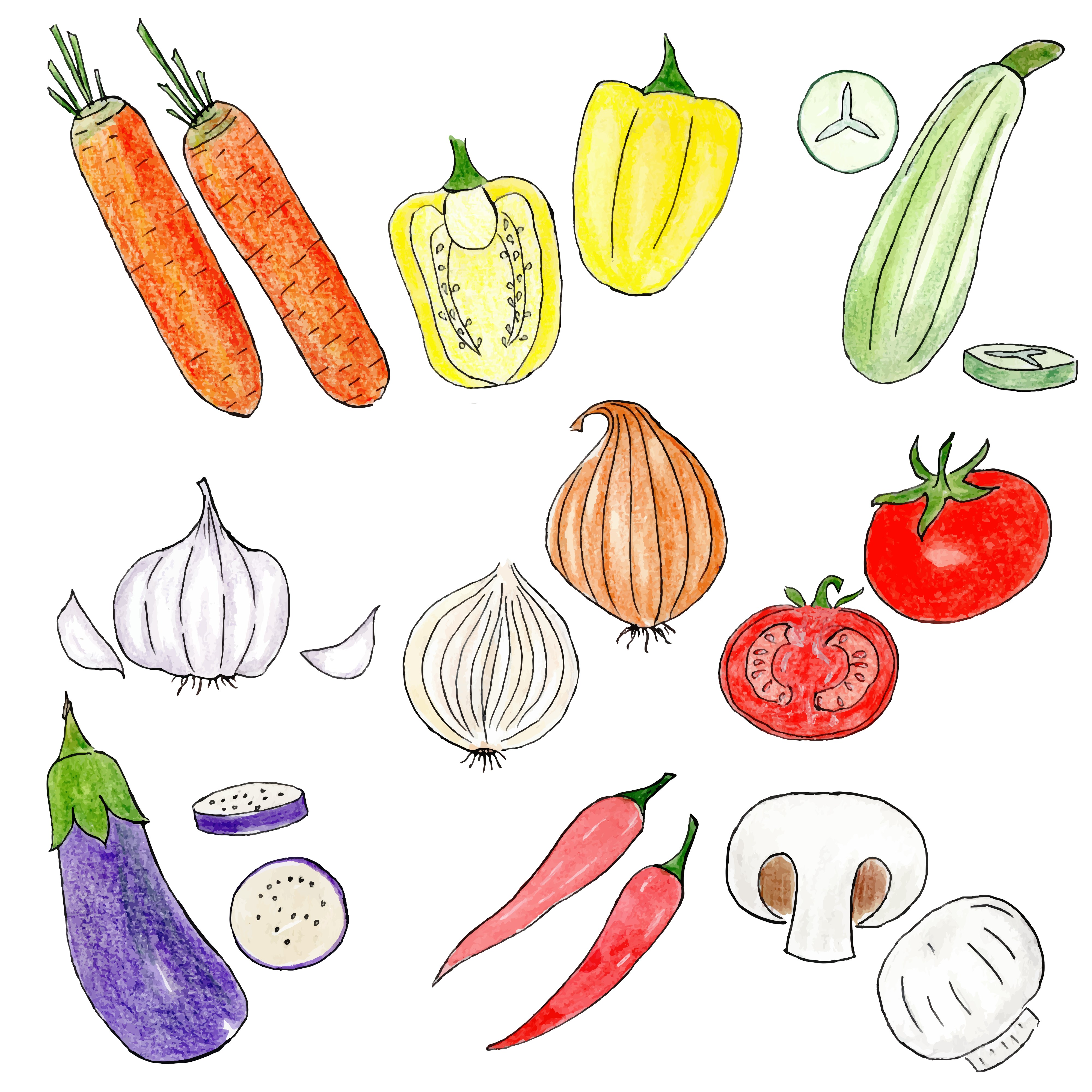
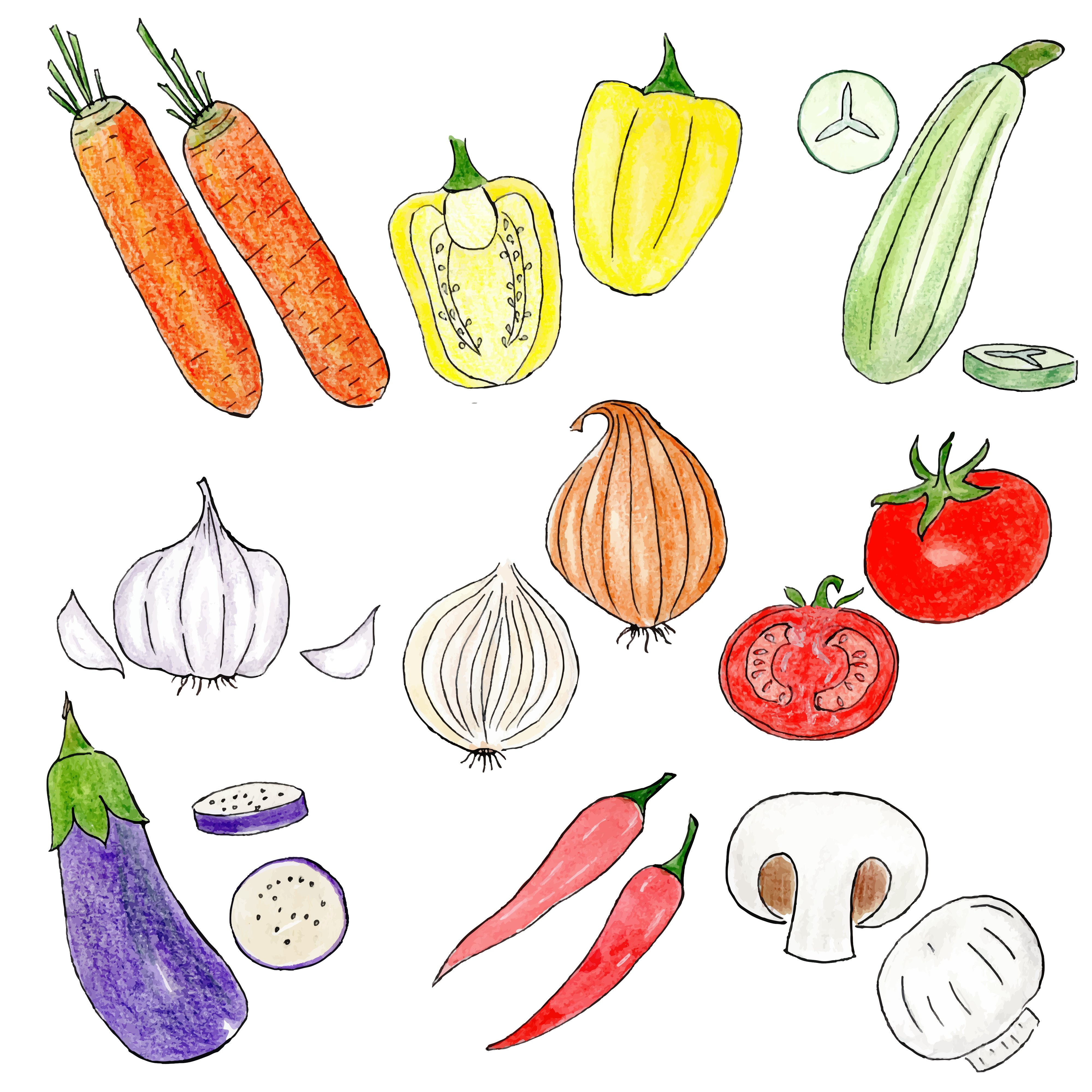
Colorful vegetables and fruits
-
Whole grains
-
Beans and lentils
-
Nuts and seeds
-
Eggs and dairy products
-
Fish and seafood
-
Lean meats or plant-based protein sources
Different foods provide different nutrients, so dietary variety is more useful than focusing on one supposed immune-boosting food.
2. Get Enough Vitamin C
Vitamin C supports the normal function of immune cells and provides antioxidant protection.
Good sources include:
-
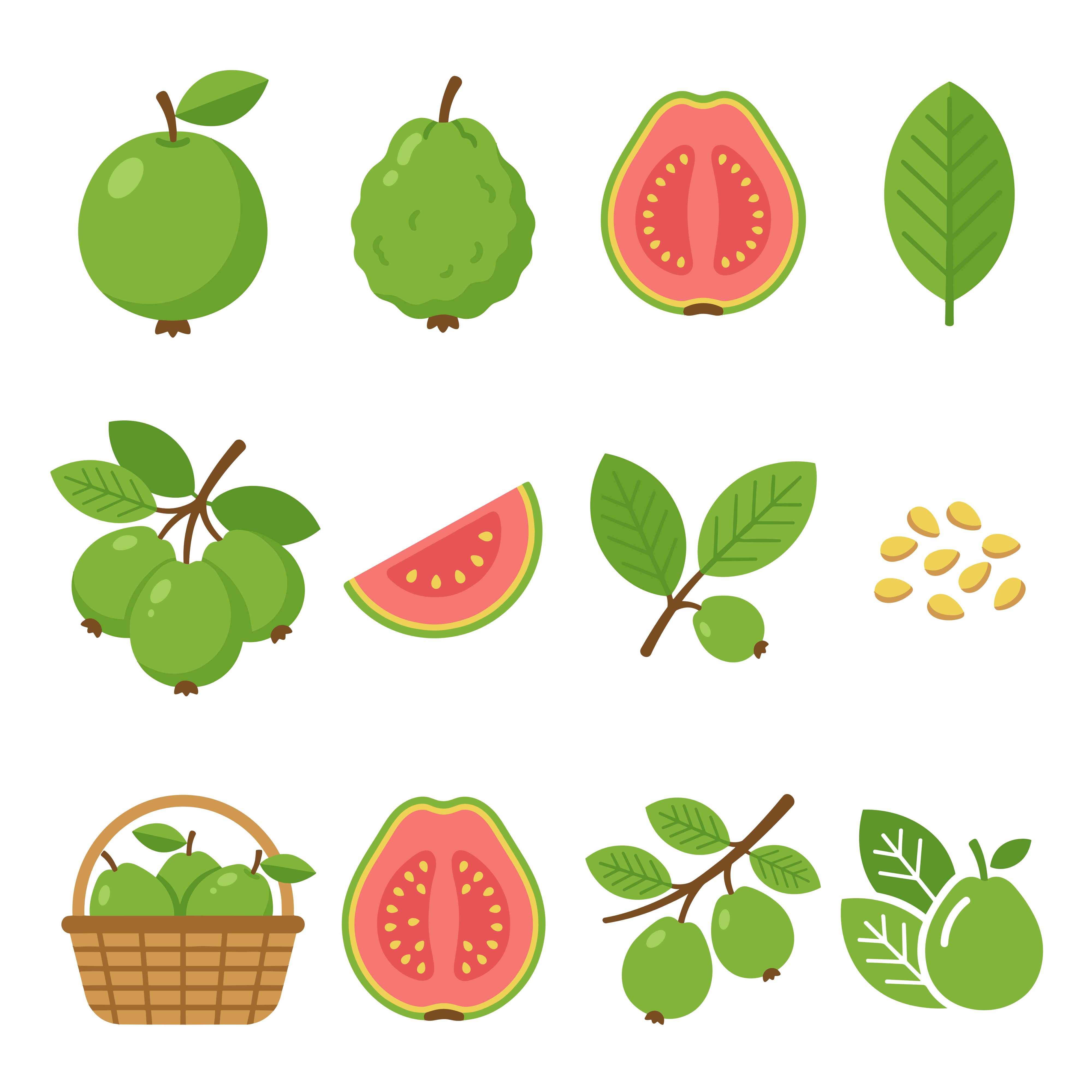
Guava
-
Oranges and other citrus fruits
-
Kiwi
-
Strawberries
-
Bell peppers
-
Broccoli
-
Tomatoes
-
Papaya
Most adults can obtain enough vitamin C through fruits and vegetables. A large dose of vitamin C is not necessary simply because you feel tired or think you may be getting sick.
3. Maintain Adequate Vitamin D
Vitamin D contributes to normal immune regulation as well as healthy bones and muscles.
It can come from sunlight exposure, foods such as fatty fish and egg yolks, and fortified foods. Some people have a higher risk of vitamin D deficiency, particularly those with limited sun exposure or certain medical conditions.
Adults generally need 600 IU (15 mcg) per day through age 70 and 800 IU (20 mcg) after age 70.
If you suspect you have low vitamin D, testing and professional guidance can help determine whether supplementation is appropriate.
4. Don't Forget Zinc and Other Nutrients
Zinc is involved in normal immune cell function and many other biological processes. Foods such as seafood, meat, dairy products, eggs, beans, nuts, and seeds can provide zinc.
Other nutrients important for normal immune function include vitamins A, E, B6, B12, and folate, as well as iron, selenium, and magnesium.
The goal is adequate intake—not extremely high doses. Excessive supplementation can sometimes cause harm or interfere with other nutrients.
5. Prioritize Quality Sleep
Sleep is one of the most important natural ways to support overall health and immune function.
Most adults should aim for approximately 7–9 hours of sleep each night. Consistently poor or insufficient sleep can negatively affect many aspects of health.
To improve your sleep routine:
-
Keep a consistent bedtime and wake-up time.
-
Reduce bright screens close to bedtime.
-
Keep your bedroom comfortable and quiet.
-
Avoid large meals and excessive caffeine late in the day.
-
Create a relaxing pre-sleep routine.
Good sleep is not simply about the number of hours. Consistent, restful sleep matters too.
6. Exercise Regularly
Regular physical activity supports cardiovascular health, metabolic health, mood, and overall immune function.
You do not need extreme workouts. Walking, cycling, swimming, strength training, or other activities you enjoy can contribute to a healthy lifestyle.
A useful goal for many adults is at least 150 minutes of moderate-intensity aerobic activity per week, combined with muscle-strengthening activities on at least two days, when appropriate for your health and fitness level.
Allow your body enough time to recover, especially after intense exercise.
7. Manage Chronic Stress
Short-term stress is a normal part of life, but ongoing high stress can affect sleep, eating habits, and overall health.
Healthy stress-management strategies may include:
-
Walking or exercising
-
Meditation or breathing exercises
-
Spending time outdoors
-
Maintaining social connections
-
Reading or listening to music
-
Practicing hobbies
-
Keeping a consistent daily routine
There is no single best method. Choose strategies that are realistic enough to maintain regularly.
8. Stay Hydrated
Water does not directly “boost” immunity, but adequate hydration is important for normal body function.
Drink regularly throughout the day and increase fluid intake when you are exercising, sweating heavily, or in hot weather.
Fruits, vegetables, soups, and other foods can also contribute to daily fluid intake.
9. Avoid Habits That Can Harm Immune Health
Some lifestyle habits can work against your efforts to maintain good health.
Avoid smoking and exposure to tobacco smoke whenever possible. Smoking can damage respiratory tissues and affect immune defenses.
Excessive alcohol consumption can also negatively affect health and immune function. If you drink alcohol, moderation is important.
Can Vitamins and Supplements Boost Immunity?
Vitamins and supplements are not a replacement for healthy lifestyle habits. If you have a deficiency, correcting it can help your body perform normal functions, including immune processes.
However, taking large doses of vitamins does not automatically make your immune system stronger.
If you take medications, have a chronic condition, are pregnant, or are considering high-dose supplements, speak with a healthcare professional first.
Conclusion
The best way to support your immune system naturally is to focus on the basics: eat a varied, nutrient-rich diet, sleep well, exercise regularly, manage stress, stay hydrated, and avoid smoking and excessive alcohol.
Vitamins such as C and D and minerals such as zinc can support normal immune function, but they work best as part of an overall healthy lifestyle. There is no single food or supplement that can guarantee protection from infections.
Consistent healthy habits are more valuable than chasing quick immune-boosting solutions.
FAQs
How can I boost my immune system naturally?
Focus on a balanced diet, adequate sleep, regular physical activity, stress management, hydration, and avoiding smoking. Make sure your diet provides enough essential vitamins and minerals.
What is the best food for the immune system?
There is no single best food. A variety of colorful fruits and vegetables, whole grains, beans, nuts, seeds, fish, eggs, and other protein-rich foods provides a broad range of nutrients that support normal immune function.
Does vitamin C boost the immune system?
Vitamin C supports normal immune cell function and antioxidant protection. However, taking large amounts does not guarantee that you will avoid infections.
How much sleep does the immune system need?
Most adults should aim for approximately 7–9 hours of quality sleep per night. Consistently getting enough restful sleep supports overall health and normal immune function.
Does exercise strengthen the immune system?
Regular moderate physical activity is associated with many health benefits and supports normal immune function. Extremely intense exercise without adequate recovery is not necessary for maintaining good health.
Should I take vitamins to prevent getting sick?
Not necessarily. Vitamins are important for normal immune function, but supplements are most useful when they correct a deficiency or address a specific nutritional need. A balanced diet should be the foundation.