Best Vitamins for Women: Essential Nutrients for Energy, Bones, and Overall Health
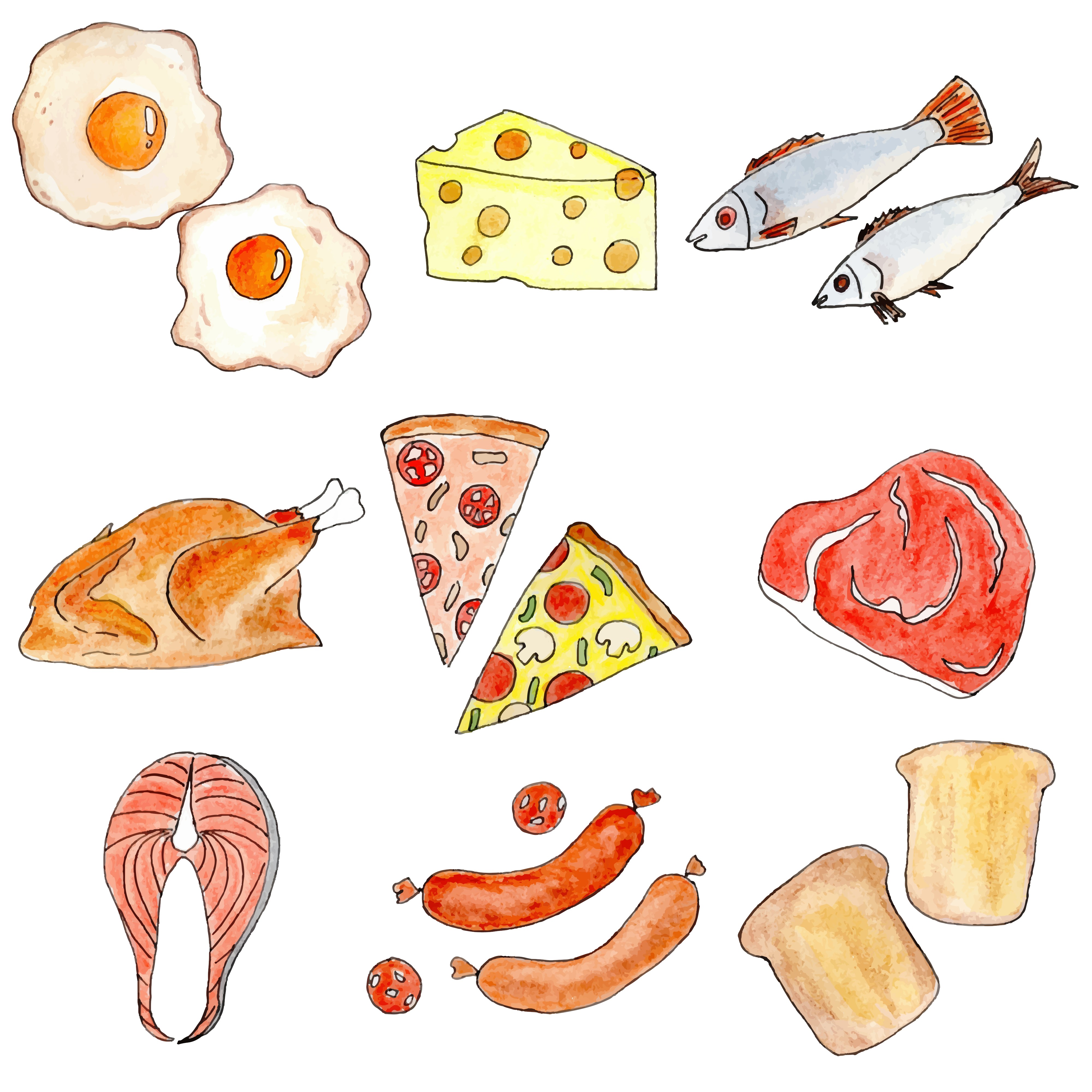
Women need a variety of vitamins and minerals to support energy production, healthy bones, immunity, brain function, skin, reproductive health, and overall wellness. Nutritional needs can also change during different stages of life, including pregnancy, breastfeeding, and menopause.
While a balanced diet should provide most essential nutrients, some women may need supplements because of dietary restrictions, nutrient deficiencies, pregnancy, certain health conditions, or increased nutritional requirements.
Understanding the best vitamins for women can help you make smarter choices about food and supplements without relying on unnecessary high-dose products.
Quick Summary
-
Vitamin D supports bones, muscles, and normal immune function.
-
Vitamin B12 helps maintain healthy nerves and red blood cells.
-
Folate is especially important before and during pregnancy.
-
Iron supports hemoglobin and oxygen transport.
-
Calcium and vitamin D work together to support bone health.
-
Vitamin C supports collagen production, immunity, and iron absorption.
-
Vitamin B6 supports normal metabolism, nervous system function, and red blood cell formation.
-
Most women should prioritize a nutrient-rich diet before considering supplements.
1. Vitamin D
Vitamin D is one of the most important nutrients for women's bone health. It helps the body absorb calcium and supports normal muscle and immune function.
The body can produce vitamin D when skin is exposed to sunlight, but factors such as limited sun exposure, darker skin, age, clothing, and geographic location can affect vitamin D production.
Good dietary sources include fatty fish, egg yolks, and fortified foods such as some milks and cereals.
Women who have limited sun exposure or are at risk of deficiency may need to discuss vitamin D testing or supplementation with a healthcare professional.
2. Vitamin B12
Vitamin B12 supports normal nerve function, DNA production, and the formation of red blood cells. A deficiency can contribute to tiredness, weakness, and neurological problems.
B12 is naturally found mainly in animal foods such as fish, meat, eggs, and dairy products. Fortified foods and supplements can provide B12 for vegetarians and vegans.
Adults generally need about 2.4 micrograms of vitamin B12 per day.
Women who follow a vegan diet, have certain digestive conditions, or have problems absorbing B12 may be at greater risk of deficiency.
3. Folate
Folate (vitamin B9) is important for DNA production and cell division. It becomes particularly important during pregnancy because adequate folate helps reduce the risk of certain neural tube defects in developing babies.
Women who could become pregnant are generally advised to obtain 400 micrograms of folic acid daily from supplements or fortified foods, in addition to consuming folate-rich foods, unless their healthcare professional recommends otherwise.
Food sources include leafy green vegetables, beans, peas, citrus fruits, and fortified grains.
4. Iron
Iron is particularly important for many women because menstrual blood loss can increase the risk of iron deficiency.
Iron is needed to make hemoglobin, the protein in red blood cells that carries oxygen throughout the body. Iron deficiency can lead to anemia, which may cause fatigue, weakness, dizziness, and reduced exercise tolerance.
Good sources include lean meat, seafood, beans, lentils, tofu, spinach, and fortified cereals.
Women with heavy menstrual periods may have higher iron requirements, but iron supplements should not be taken routinely without a reason because excess iron can be harmful.
5. Calcium
Calcium is essential for strong bones and teeth, while also supporting normal muscle contraction and nerve function.
Most adults need around 1,000 mg of calcium per day, although requirements increase for some older women.
Excellent food sources include milk, yogurt, cheese, calcium-fortified plant milks, tofu made with calcium, and some leafy green vegetables.
Getting calcium primarily from food is generally preferred. Vitamin D also plays an important role because it helps the body absorb calcium.
6. Vitamin C
Vitamin C supports collagen production, wound healing, immune function, and antioxidant protection. It also improves the absorption of non-heme iron from plant foods.
Citrus fruits, strawberries, kiwi, tomatoes, peppers, broccoli, and other fruits and vegetables are excellent sources.
Most women need about 75 mg of vitamin C per day, although needs can vary.
7. Vitamin B6
Vitamin B6 is involved in protein metabolism, red blood cell formation, nervous system function, and normal immune function.
It can be found in poultry, fish, potatoes, chickpeas, bananas, and fortified foods.
Because B6 is widely available in food, most women can meet their needs through a varied diet. High-dose B6 supplements should be avoided unless medically recommended because excessive long-term intake can cause nerve problems.
Best Foods for Women's Nutrition
Rather than focusing only on individual vitamins, build meals around a variety of nutrient-rich foods.
A healthy eating pattern can include:
-
Leafy green vegetables
-
Colorful fruits and vegetables
-
Beans and lentils
-
Eggs and dairy or fortified alternatives
-
Fish and lean protein sources
-
Whole grains
-
Nuts and seeds
-
Healthy fats such as olive oil and avocado
This approach provides vitamins, minerals, protein, fiber, and other beneficial compounds together.
Do Women Need a Multivitamin?
Not every woman needs a multivitamin. If your diet is varied and provides adequate nutrients, taking multiple supplements may provide little additional benefit.
However, a healthcare professional may recommend specific supplements based on factors such as pregnancy, a restricted diet, a diagnosed deficiency, certain medications, or medical conditions.
Avoid assuming that a higher dose is better. Fat-soluble vitamins such as A, D, E, and K can accumulate in the body, and excessive amounts of some nutrients can cause health problems.
Frequently Asked Questions
What are the most important vitamins for women?
Vitamin D, B12, folate, vitamin C, and B6 are important, but women also need minerals such as iron, calcium, magnesium, and zinc. Nutritional priorities depend on age, diet, and life stage.
What vitamins are important for women over 40?
Vitamin D, calcium, B12, and other nutrients become especially important as women age. Bone health also deserves greater attention around and after menopause.
Should women take vitamins every day?
Not necessarily. Most nutrients should come from a balanced diet. Supplements are most useful when dietary intake is insufficient or a healthcare professional identifies a specific need.
Which vitamin is best for women's energy?
There is no single “energy vitamin.” Nutrients such as iron and B12 are involved in red blood cell formation and normal energy metabolism. If you are persistently tired, identifying the underlying cause is more useful than simply taking an energy supplement.
What vitamins are important during pregnancy?
Folate or folic acid, iron, iodine, vitamin D, and other nutrients are important during pregnancy. Prenatal supplements should be selected with guidance from a healthcare professional.
Conclusion
The best vitamins for women are not necessarily found in a single supplement. Women need a combination of vitamins and minerals to support bones, blood, immunity, nerves, metabolism, and overall health.
A varied diet should be the foundation. When nutritional needs increase or a deficiency is present, targeted supplementation may be helpful. Choosing supplements based on individual needs rather than taking high doses of multiple vitamins is usually the smarter approach.















